

Medically reviewed content. Written by Joe Miller, BS Kinesiology and Exercise Science, 2-Year Fellowship A4M, Worldlink Medical Training, Ongoing BHRT Certifications (A4M), NASM Certified, NSCA CSCS.
Mounjaro (tirzepatide) has become one of the most prescribed medications for weight loss and type 2 diabetes, but understanding its side effects is essential before starting treatment. As a dual GIP/GLP-1 receptor agonist, Mounjaro works differently than older GLP-1 medications, and its side effect profile reflects that unique mechanism. This guide breaks down every known Mounjaro side effect, when they typically occur, and exactly how to manage them based on clinical trial data from the SURMOUNT program.
Considering tirzepatide for medical weight loss? 1st Optimal provides physician-monitored tirzepatide programs with comprehensive lab work and personalized dose titration. Learn about our weight loss membership.
What Is Mounjaro and How Does It Work?
Mounjaro is the brand name for tirzepatide, a once-weekly injectable medication manufactured by Eli Lilly. It was FDA-approved for type 2 diabetes in 2022 and is also available under the brand name Zepbound for chronic weight management.
What makes Mounjaro unique among weight loss medications is its dual mechanism of action. Unlike semaglutide (Ozempic, Wegovy), which only activates GLP-1 receptors, tirzepatide activates both GIP (glucose-dependent insulinotropic polypeptide) and GLP-1 (glucagon-like peptide-1) receptors simultaneously. This dual activation produces several effects that contribute to weight loss and metabolic improvement:
- Slows gastric emptying, helping you feel full longer after meals
- Reduces appetite by acting on hunger-regulating centers in the brain
- Improves insulin sensitivity and blood sugar regulation
- Enhances satiety signaling through both GIP and GLP-1 pathways
In the SURMOUNT-1 clinical trial, participants taking tirzepatide achieved average weight loss of 12.3% (5 mg dose), 18.7% (10 mg dose), and 19.7% (15 mg dose) over 176 weeks, significantly exceeding results with placebo. The SURMOUNT-5 trial, published in the New England Journal of Medicine in 2025, found that tirzepatide produced 20.2% weight loss at 72 weeks compared to 13.7% with semaglutide, establishing tirzepatide as the more effective option in a head-to-head comparison.
What Are the Most Common Mounjaro Side Effects?
The most frequently reported Mounjaro side effects are gastrointestinal (GI), and they are directly related to how the medication works. By slowing gastric emptying and altering gut hormone signaling, tirzepatide side effects affect the digestive system most, especially during the initial weeks of treatment and dose escalation periods.
Data from the SURMOUNT-1 through SURMOUNT-4 clinical trials show that 27.8% to 72.8% of tirzepatide-treated participants reported at least one GI adverse event, compared to 12.2% to 32.5% in the placebo group. The most common side effects include:
| Side Effect | Tirzepatide (SURMOUNT Trials) | Placebo | Notes |
|---|---|---|---|
| Nausea | 17–31% | 4–7% | Most common; peaks during dose escalation |
| Diarrhea | 13–22% | 5–9% | Usually resolves within first few weeks |
| Constipation | 11–20% | 4–6% | More common at higher doses |
| Stomach pain | 5–9% | 2–4% | Often improves with slower titration |
| Vomiting | 6–16% | 2–5% | Related to gastric emptying changes |
| Decreased appetite | 5–14% | 1–3% | Expected therapeutic effect |
| Injection site reactions | 3–7% | 1–2% | Redness, itching at the injection site |
| Fatigue | 8–13% | 3–5% | Temporary; usually first 4–8 weeks |
Most GI side effects are mild to moderate in severity and occur primarily during the dose-escalation period in the first 20 weeks of treatment. According to the SURMOUNT-1 three-year data published in the New England Journal of Medicine, no new safety signals were identified with extended tirzepatide use, and the GI side effect profile remained consistent with shorter-term studies.
Importantly, a 2025 post hoc analysis of SURMOUNT-1 through SURMOUNT-4 data found that GI adverse events only contributed slightly to the weight loss seen with tirzepatide. Weight reduction was similar among participants who experienced nausea and those who did not, confirming that the medication’s weight loss effects are not primarily driven by making you feel sick.
What Are the Less Common Mounjaro Side Effects?
Beyond the typical GI issues, tirzepatide carries several less common but more serious potential side effects that require awareness. These are rare based on clinical trial data, but knowing the warning signs is critical for patient safety.
Pancreatitis Risk
Both tirzepatide and other GLP-1 medications carry a warning for pancreatitis (inflammation of the pancreas). In the SURMOUNT clinical trials, the incidence was less than 0.3%. Symptoms include severe abdominal pain that radiates to the back, persistent nausea, and vomiting. If you experience these symptoms, stop taking Mounjaro and seek immediate medical attention.
Gallbladder Issues
Rapid weight loss from any cause increases the risk of gallstones (cholelithiasis), and tirzepatide is no exception. In the SURMOUNT trials, gallbladder-related events were higher among tirzepatide-treated participants than in the placebo group, consistent with the degree of weight reduction achieved. Your physician should monitor for symptoms like sudden right upper abdominal pain, especially during periods of rapid weight loss.
Thyroid C-Cell Tumor Warning
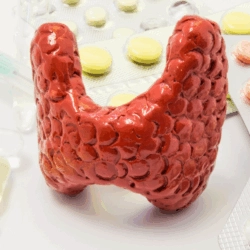
Mounjaro carries an FDA black box warning regarding thyroid C-cell tumors. This warning is based on rodent studies in which tirzepatide and other GLP-1 receptor agonists caused thyroid tumors. This effect has not been confirmed in human studies. However, tirzepatide is contraindicated in patients with a personal or family history of medullary thyroid carcinoma (MTC) or Multiple Endocrine Neoplasia syndrome type 2 (MEN 2).
Hair Thinning (Telogen Effluvium)
Some patients report hair thinning while taking Mounjaro. This is typically a condition called telogen effluvium, which is triggered by significant and rapid weight loss rather than the medication itself. It is usually temporary and resolves as the body adjusts to a new weight plateau. Ensuring adequate protein intake (at least 1.0–1.2 g/kg of body weight daily) and maintaining proper nutrition can help minimize this effect.
Other Uncommon Side Effects
Based on real-world FAERS data and clinical trials, other less common side effects include headache, dizziness, heartburn (dyspepsia), and blood glucose fluctuations. A 2025 FAERS analysis of 65,974 tirzepatide adverse event reports found that incorrect dose administration was the most commonly reported event, highlighting the importance of proper injection technique and working with an experienced healthcare provider.
How Do Mounjaro Side Effects Compare to Ozempic and Wegovy?
One of the most common questions patients ask is whether Mounjaro (tirzepatide) has worse side effects than Ozempic or Wegovy (semaglutide). For a deeper dive into semaglutide side effects specifically, see our dedicated guide. The answer, based on clinical trial data, is that the side effect profiles are broadly similar, with some notable differences:
| Side Effect | Tirzepatide (Mounjaro/Zepbound) | Semaglutide (Ozempic/Wegovy) |
|---|---|---|
| Nausea | 17–31% | 20–44% |
| Vomiting | 6–16% | 9–24% |
| Diarrhea | 13–22% | 12–30% |
| Constipation | 11–20% | 14–24% |
| Fatigue | 8–13% | 11–14% |
| Pancreatitis | <0.3% | <0.3% |
Data sourced from SURMOUNT (tirzepatide) and STEP (semaglutide) Phase III clinical trial programs.
Key takeaways from the comparison:
- Nausea rates are generally lower with tirzepatide (17–31%) compared to semaglutide (20–44%), though individual responses vary significantly
- Vomiting occurs less frequently with tirzepatide in most comparisons
- Both medications carry the same serious warnings (pancreatitis, thyroid, gallbladder)
- Tirzepatide’s additional GIP receptor activation may have a GI-protective effect, potentially reducing nausea severity
- Despite lower GI side effect rates, tirzepatide produces greater weight loss (20.2% vs. 13.7% in the SURMOUNT-5 head-to-head trial)
The clinical reality is that neither medication clearly has a worse overall side effect profile. For a complete tirzepatide vs semaglutide comparison, including efficacy and cost, see our detailed guide. Individual variation, proper dose titration, and clinical monitoring matter more than the drug-class difference. You can also read our broader overview of GLP-1 side effects as a drug class for additional context.
Want help choosing between tirzepatide and semaglutide? Our physicians evaluate your lab work, health history, and goals to recommend the right medication for your body. Explore our personalized weight loss programs.
How Can You Manage Mounjaro Side Effects?

Most Mounjaro side effects are manageable with the right strategies and proper medical guidance. Here are evidence-based approaches to minimize discomfort during treatment:
Dietary Modifications
- Eat smaller, more frequent meals rather than large portions. This reduces the burden on a slower-emptying stomach.
- Avoid high-fat and greasy foods, which can worsen nausea and stomach pain.
- Choose bland, easy-to-digest foods during the first weeks of a new dose (rice, toast, bananas, plain chicken).
- Maintain adequate protein intake (1.0–1.2 g/kg body weight daily) to support muscle preservation and reduce hair thinning risk.
Hydration
- Drink at least 64 oz of water daily, more if you experience diarrhea or vomiting.
- Consider electrolyte supplementation if GI symptoms are significant.
- Avoid carbonated beverages, which can increase bloating and nausea.
Dose Titration
Proper dose titration is the single most effective strategy for managing Mounjaro side effects. The standard titration schedule starts at 2.5 mg and increases every 4 weeks. However, many patients benefit from a slower titration, staying at each dose level until GI symptoms resolve before moving up. Working with a physician who can customize your titration timeline based on your tolerance is essential.
Injection Timing and Technique
- Inject on the same day each week for consistent drug levels.
- Rotate injection sites between the abdomen, thigh, and upper arm.
- Some patients report fewer side effects when injecting in the evening versus the morning.
When Should You Contact Your Doctor About Mounjaro Side Effects?
While most Mounjaro side effects are mild and temporary, certain symptoms require immediate medical attention:
- Severe abdominal pain that radiates to the back (possible pancreatitis)
- Persistent vomiting that prevents you from keeping fluids down
- Signs of an allergic reaction: rash, swelling of the face or throat, difficulty breathing
- Sudden right upper abdominal pain (possible gallbladder issues)
- A lump or swelling in the neck, hoarseness, or difficulty swallowing (thyroid concern)
- Signs of dehydration: dark urine, dizziness, rapid heartbeat
- Severe hypoglycemia (extremely low blood sugar), especially if taking insulin or sulfonylureas
Do not wait to see if these symptoms resolve on their own. Contact your prescribing physician or go to the nearest emergency room.
What Does the Mounjaro Dosing Schedule Look Like?
Understanding the dosing schedule helps set expectations for when side effects are most likely to occur. Each dose increase is a potential trigger for temporary GI symptoms.
| Weeks | Dose | Side Effect Expectations |
|---|---|---|
| Weeks 1–4 | 2.5 mg | Starting dose. Mild nausea is common. This dose is for tolerability, not weight loss. |
| Weeks 5–8 | 5 mg | First therapeutic dose. GI symptoms may recur for 1–2 weeks after increase. |
| Weeks 9–12 | 7.5 mg | Optional increase. Side effects usually milder than initial weeks. |
| Weeks 13–16 | 10 mg | Increased efficacy. Some patients experience renewed GI symptoms. |
| Weeks 17–20 | 12.5 mg | Optional increase. Body has typically adapted; side effects are less common. |
| Week 21+ | 15 mg (max) | Maximum dose. Most GI side effects have resolved by this point for the majority of patients. |
Between 1.0% and 10.5% of tirzepatide-treated participants in the SURMOUNT trials discontinued treatment due to GI adverse events. This means the vast majority of patients (roughly 90% or more) are able to continue treatment successfully by working through the initial side effect period.
How Does 1st Optimal Monitor Patients on Tirzepatide?
At 1st Optimal, tirzepatide treatment is never a one-size-fits-all prescription. Our physician-led approach to medical weight loss includes several layers of monitoring that help minimize side effects and maximize results:
- Comprehensive baseline lab work before starting treatment, including metabolic panels, hormone levels, thyroid function, and liver/kidney markers
- Personalized dose titration based on your individual tolerance, not a rigid schedule. If you are experiencing significant side effects, your physician can slow the titration or hold at a lower dose.
- Ongoing lab monitoring throughout treatment to track metabolic changes, ensure organ function, and catch any issues early
- Dedicated Membership Manager who serves as your primary point of contact for questions between physician consultations
- Nutritional guidance to support adequate protein intake, hydration, and the dietary modifications that reduce GI side effects
- Regular physician check-ins via our fully virtual telehealth platform, so adjustments happen quickly when needed
This comprehensive monitoring is why working with an experienced functional medicine provider matters. A physician who understands tirzepatide’s pharmacology can make dosing adjustments that keep you on track while minimizing the discomfort that leads many patients to discontinue treatment at other clinics.
Ready to start tirzepatide with physician-guided support? 1st Optimal’s weight loss membership includes comprehensive labs, personalized dosing, and a dedicated Membership Manager to guide you through every step. Get started today.
Frequently Asked Questions About Mounjaro Side Effects
How long do Mounjaro side effects last?
Most GI side effects like nausea, diarrhea, and stomach pain are most pronounced during the first 4 to 8 weeks of treatment and after each dose increase. For the majority of patients, these symptoms subside as the body adjusts. The SURMOUNT clinical trials showed that GI adverse events occurred primarily during the dose-escalation period (first 20 weeks) and decreased significantly afterward.
Does Mounjaro have fewer side effects than Ozempic?
Clinical trial data suggests tirzepatide (Mounjaro) may have modestly lower rates of nausea and vomiting compared to semaglutide (Ozempic/Wegovy). In the SURMOUNT trials, nausea occurred in 17-31% of tirzepatide users versus 20-44% of semaglutide users in the STEP trials. However, individual responses vary, and neither medication is dramatically worse than the other.
Is hair loss a side effect of Mounjaro?
Hair thinning (telogen effluvium) has been reported by some patients taking Mounjaro. This is typically caused by rapid and significant weight loss rather than the medication itself. It is usually temporary and can be minimized by maintaining adequate protein intake (1.0-1.2 g/kg daily), staying hydrated, and ensuring proper nutrition throughout treatment.
What is the most common side effect of Mounjaro?
Nausea is the single most common side effect, affecting approximately 17-31% of patients in clinical trials. It is most likely to occur when starting treatment or increasing the dose. Eating smaller meals, avoiding fatty foods, and following your physician’s titration schedule can significantly reduce nausea.
Can Mounjaro cause pancreatitis?
Pancreatitis is a rare but serious potential side effect of Mounjaro, occurring in less than 0.3% of patients in clinical trials. If you experience severe abdominal pain radiating to your back accompanied by persistent nausea and vomiting, stop taking the medication and seek immediate medical attention.
Is fatigue a side effect of Mounjaro?
Yes, fatigue is a recognized side effect reported by 8-13% of patients in the SURMOUNT trials. It is most common during the first 4 to 8 weeks of treatment and typically resolves as your body adjusts. Adequate hydration, proper nutrition, and sufficient sleep can help manage fatigue during this period.
Does Mounjaro cause constipation?
Constipation affects 11-20% of tirzepatide users according to clinical trial data. It is more common at higher doses and results from the medication slowing gastric emptying. Increasing fiber intake, staying well hydrated, and regular physical activity can help. If constipation becomes severe, your physician may recommend adjustments.
What happens if you stop taking Mounjaro?
Most side effects resolve within days to weeks of stopping the medication. However, the metabolic and appetite-regulating benefits also diminish. The SURMOUNT-1 trial showed some weight regain occurred during the 17-week off-treatment period. Discontinuation should always be discussed with your physician to develop a maintenance plan.
Medical Disclaimer: This article is for informational purposes only and does not constitute medical advice. Mounjaro (tirzepatide) is a prescription medication that should only be used under the supervision of a licensed healthcare provider. Always consult your physician before starting, stopping, or changing any medication. Individual results and side effects may vary. If you experience any serious adverse effects, contact your healthcare provider or call 911 immediately.
Written by Joe Miller, CEO of 1st Optimal. Joe holds a BS in Kinesiology and Exercise Science and has completed a 2-Year Fellowship with A4M, Worldlink Medical training, ongoing BHRT certifications through A4M, NASM certification, and NSCA CSCS certification. He is dedicated to providing evidence-based, personalized healthcare through functional medicine.