
Key Takeaways
- Declining estrogen changes how your body processes nutrients. During menopause, your needs for calcium, vitamin D, protein, and omega-3 fatty acids increase significantly to protect bone density, muscle mass, and cardiovascular health.
- The Mediterranean diet has the strongest evidence base for menopause symptom management. Research consistently links this eating pattern to reduced hot flashes, better weight control, and lower cardiovascular risk during and after the menopausal transition.
- Personalized nutrition outperforms generic diet plans. Comprehensive lab testing reveals your specific nutrient deficiencies and hormonal imbalances, allowing you to build a menopause diet plan tailored to your biology rather than relying on one-size-fits-all advice.
Menopause changes more than your cycle. It reshapes your metabolism, your nutrient needs, and how your body responds to the foods you have eaten for years without a second thought. Hot flashes after your morning coffee, stubborn weight gain despite consistent workouts, brain fog that clouds your sharpest thinking hours: these are signals that your nutritional strategy needs to evolve alongside your hormones.
The good news? A well-designed menopause diet gives you real leverage over these symptoms. This is not about restrictive eating or chasing the latest trend. It is about evidence-based nutrition strategies that work with your changing physiology to restore energy, protect long-term health, and help you feel like yourself again.
Ready to take a data-driven approach to your health? Become a 1st Optimal member and get comprehensive lab testing paired with personalized nutrition guidance from our clinical team.
How Does Menopause Change Your Nutritional Needs?
The hormonal shifts of menopause trigger a cascade of metabolic changes that directly affect how your body uses nutrients. Understanding these changes is the first step toward building a diet that actually works for this stage of life.
Estrogen decline is the primary driver. When estrogen levels drop during perimenopause and menopause, your body loses one of its key regulators of calcium absorption, bone formation, and fat distribution. A 2025 mini-review published in Frontiers in Nutrition found that postmenopausal women are disproportionately vulnerable to deficiencies in calcium, vitamin D, magnesium, and iron, deficiencies that accelerate bone loss, increase cardiovascular risk, and contribute to persistent fatigue.
Here is what changes and why it matters:
- Bone density declines faster. Without estrogen’s protective effect, bone resorption accelerates. Calcium needs jump to at least 1,200 mg daily, and vitamin D requirements increase to 800 to 2,000 IU to support absorption.
- Metabolic rate slows. Muscle mass decreases naturally with age, and estrogen loss accelerates this process. Lower muscle mass means fewer calories burned at rest, which is why many women notice weight gain even without changes to their eating habits.
- Cardiovascular risk increases. Estrogen helps maintain healthy cholesterol levels and blood vessel flexibility. After menopause, LDL cholesterol tends to rise while HDL drops, increasing heart disease risk.
- Protein needs go up. Research published in Frontiers in Nutrition recommends 1.1 to 1.5 grams of protein per kilogram of body weight daily during menopause to preserve lean muscle mass and support metabolic function.
- Inflammation increases. Declining estrogen can trigger increased systemic inflammation, making anti-inflammatory foods more important than ever.
These are not minor adjustments. They represent a fundamental shift in what your body needs to perform at its best. A menopause diet plan that ignores these changes will leave you fighting symptoms with one hand tied behind your back.
What Are the Best Foods for a Menopause Diet?
The best diet for menopause is not about a single superfood. It is about consistently choosing nutrient-dense foods that address the specific challenges your body faces during this transition. Here are the categories that matter most, backed by clinical evidence.
Phytoestrogen-Rich Foods
Phytoestrogens are plant compounds that mimic estrogen’s effects in the body at a much weaker level. A 2025 study published in Menopause found that women who ate a vegan diet supplemented with soybeans experienced a 92% drop in severe hot flashes after just 12 weeks.
Include these regularly:
- Soybeans, tofu, tempeh, and edamame
- Flaxseeds and sesame seeds
- Chickpeas and lentils
- Miso and soy milk
Calcium-Rich Foods
With bone loss accelerating after menopause, hitting 1,200 mg of calcium daily is critical. The National Institutes of Health recommends prioritizing food sources over supplements when possible.
- Plain Greek yogurt and low-fat dairy
- Sardines and canned salmon (with bones)
- Leafy greens: kale, collard greens, and broccoli
- Fortified plant milks and orange juice
- Tofu (calcium-set)
Omega-3 Fatty Acids
Omega-3s fight inflammation and support brain function, two areas that take a hit during menopause. Studies suggest that diets rich in omega-3 fatty acids are associated with fewer hot flashes and a lower risk of depression during the menopausal transition.
- Fatty fish: salmon, mackerel, sardines, and herring
- Walnuts and chia seeds
- Flaxseed oil
- Hemp seeds
High-Fiber Foods
Fiber supports gut health, stabilizes blood sugar, and helps manage the weight gain that often accompanies menopause. Current guidelines recommend 25 to 30 grams of fiber daily, with some perimenopause-focused research suggesting up to 30 to 45 grams for optimal metabolic support.
- Whole grains: oats, quinoa, brown rice, and barley
- Legumes: black beans, lentils, and chickpeas
- Fruits: berries, pears, apples, and avocado
- Vegetables: broccoli, Brussels sprouts, and artichokes
Lean Protein Sources
The Menopause Society recommends that women consume at least 1.2 grams of protein per kilogram of body weight daily to maintain muscle mass and support metabolic health. Distribute protein intake across all meals rather than loading it into one sitting.
- Skinless poultry and lean cuts of meat
- Fish and shellfish
- Eggs
- Greek yogurt and cottage cheese
- Legumes and tofu
Cruciferous Vegetables
Cruciferous vegetables support estrogen metabolism and provide compounds that may help balance hormones naturally. They are also rich in fiber, vitamins C and K, and folate.
- Broccoli and cauliflower
- Brussels sprouts and cabbage
- Kale and bok choy
- Arugula and watercress
Which Foods Should You Avoid or Limit During Menopause?
Just as certain foods can ease menopause symptoms, others can make them noticeably worse. This is not about eliminating entire food groups. It is about understanding which foods tend to trigger symptoms and making informed choices.
Alcohol
Alcohol disrupts sleep quality, triggers hot flashes, and accelerates bone loss. It also increases the risk of breast cancer, heart disease, and liver disease. If you drink, the current recommendation is no more than 14 units per week, with at least two alcohol-free days.
Caffeine
For many women, caffeine intensifies hot flashes and disrupts sleep. The response is highly individual, so pay attention to how your body reacts. If you notice that coffee triggers symptoms, try switching to green tea, which provides a gentler dose of caffeine along with beneficial antioxidants.
Spicy Foods
Spicy foods are a common hot flash trigger. They dilate blood vessels and raise body temperature, which can set off or worsen vasomotor symptoms. Track your response and reduce intake if you notice a pattern.
Refined Sugar and Processed Foods
Refined sugar spikes blood glucose, promotes inflammation, and contributes to weight gain, all of which compound menopause symptoms. Processed foods high in sodium can worsen bloating and increase blood pressure. Focus on whole, minimally processed foods whenever possible.
Excessive Saturated Fat
With cardiovascular risk already elevated after menopause, limiting saturated fat is important. Swap animal fats for unsaturated options like olive oil, avocado, and nuts. Aim to keep total fat intake below 30% of daily calories, with most coming from healthy unsaturated sources.
Why Is the Mediterranean Diet Considered the Best Diet for Menopause?
If there is one eating pattern with the strongest evidence base for managing menopause symptoms, it is the Mediterranean diet. This is not a trend. Decades of clinical research consistently link this dietary pattern to better outcomes across nearly every menopause-related health concern.
A 2025 systematic review published in Frontiers in Nutrition analyzed 42 high-quality studies and concluded that adherence to the Mediterranean diet “consistently demonstrates clinically meaningful reductions in blood pressure and triglyceride concentrations” in menopausal women. The review also found that plant-based dietary patterns rich in whole grains, fruits, and vegetables were associated with reduced symptom severity.
What makes the Mediterranean diet so effective for menopause:
- Anti-inflammatory foundation. Olive oil, fatty fish, nuts, and abundant vegetables reduce the chronic inflammation that worsens with estrogen decline.
- Natural phytoestrogen sources. Legumes, whole grains, and seeds provide gentle estrogenic support without supplements.
- Heart protection. The emphasis on unsaturated fats and fiber directly addresses the cardiovascular risk that increases after menopause.
- Blood sugar stability. Whole grains, lean proteins, and healthy fats keep blood glucose steady, reducing energy crashes, cravings, and mood swings.
- Bone-supportive nutrients. Dairy products, leafy greens, and fish provide calcium, vitamin D, and magnesium in bioavailable forms.
A Mediterranean diet framework for menopause looks like this:
- Extra virgin olive oil as your primary cooking fat
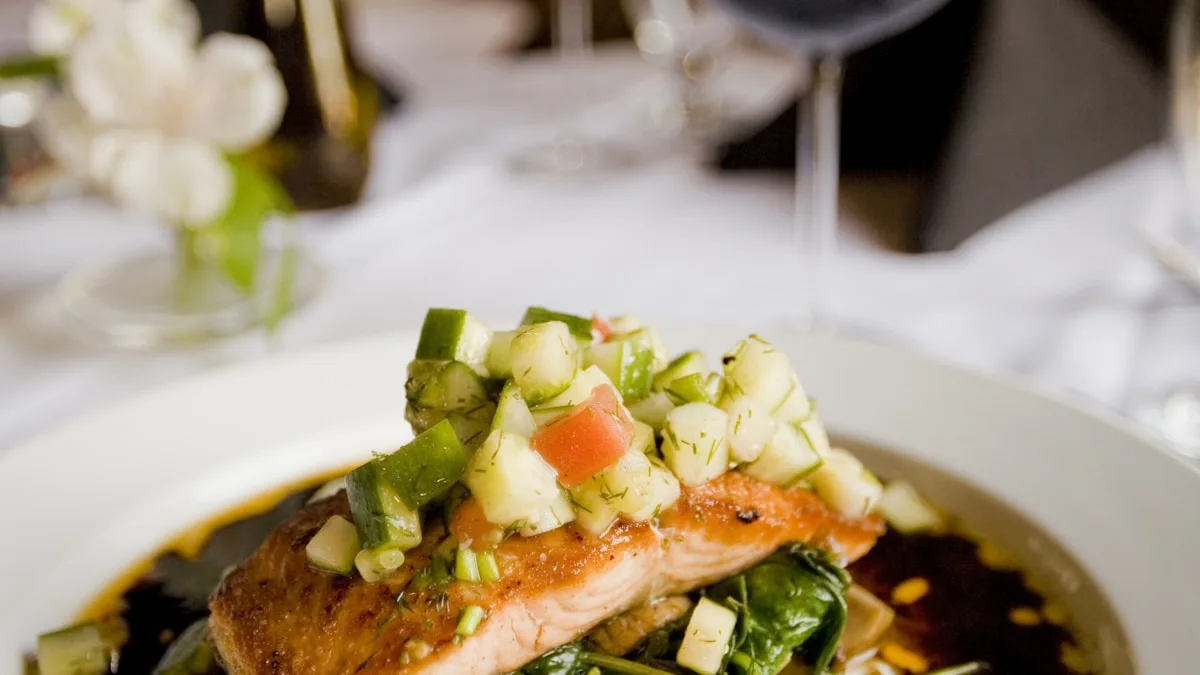
- Fish at least twice per week (especially fatty fish like salmon and sardines)
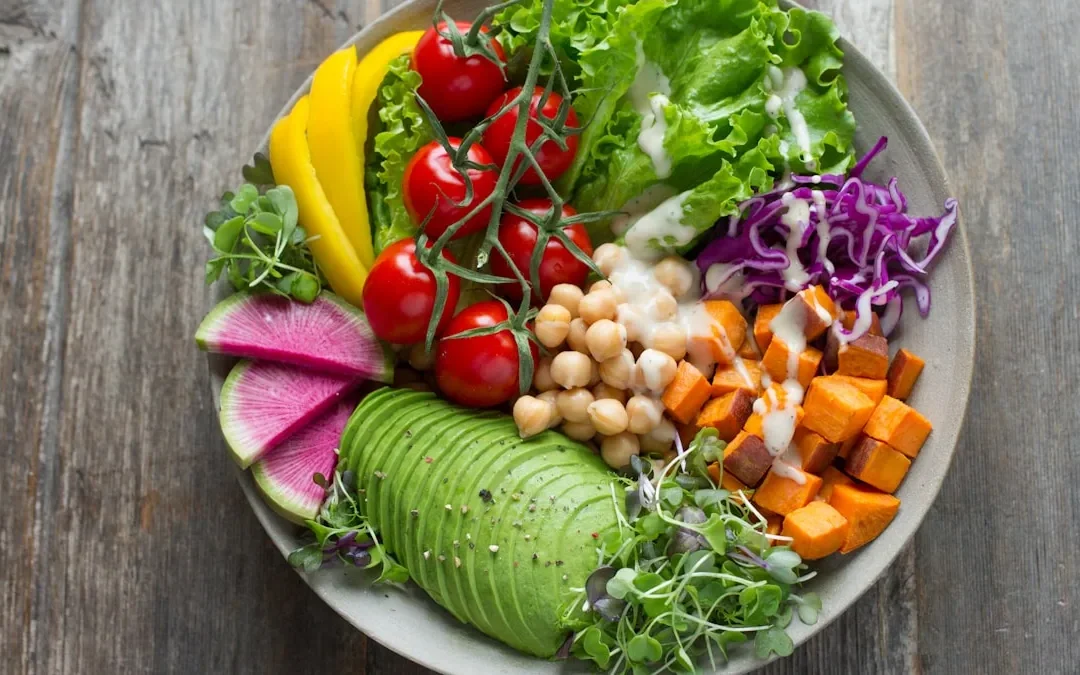
- Abundant vegetables, fruits, and legumes daily
- Whole grains instead of refined carbohydrates
- Moderate dairy, especially yogurt and cheese
- Nuts and seeds as daily snacks
- Herbs and spices instead of excessive salt
- Red meat limited to a few times per month
The beauty of this approach is its sustainability. Unlike restrictive fad diets, the Mediterranean pattern is enjoyable, flexible, and backed by evidence across multiple health outcomes.
Wondering which nutrients your body actually needs right now? 1st Optimal’s comprehensive diagnostic testing identifies your specific deficiencies and hormonal imbalances so your nutrition plan is built on data, not guesswork.
How Does Your Menopause Diet Affect Common Symptoms?
The connection between what you eat and how you feel during menopause is more direct than most women realize. Here is how specific dietary choices influence the symptoms that matter most.
Hot Flashes and Night Sweats
Phytoestrogen-rich foods, particularly soy, have the most evidence for reducing vasomotor symptoms. Omega-3 fatty acids also show promise. On the flip side, alcohol, caffeine, and spicy foods are the most common dietary triggers. A food diary can help you identify your personal triggers.
Weight Gain
Prioritize protein at every meal to preserve muscle mass and boost satiety. Fiber-rich foods keep you full longer and stabilize blood sugar. Avoid refined carbohydrates and sugary drinks that spike insulin and promote fat storage, especially around the midsection.
Mood Changes and Anxiety
B vitamins (B6, B12, and folate) support neurotransmitter production. Omega-3 fatty acids are linked to lower depression risk during menopause. Complex carbohydrates at dinner can boost tryptophan availability, supporting serotonin production and better sleep. If you are experiencing menopause brain fog, your diet may be part of the solution.
Sleep Disruption
Magnesium-rich foods (nuts, seeds, whole grains) support relaxation and sleep quality. Tryptophan-containing foods (turkey, eggs, dairy) at dinner can promote melatonin production. Limit caffeine after noon and avoid alcohol close to bedtime.
Bone and Joint Health
Calcium, vitamin D, and vitamin K work together to maintain bone density. Anti-inflammatory foods (fatty fish, olive oil, turmeric) can help manage joint pain and stiffness that many women experience during menopause. Learn more about perimenopause symptoms and how early dietary changes can make a difference.
Supplements vs. Food: What Does the Evidence Say?
A whole-foods-first approach should always be your foundation. However, some women genuinely need supplementation during menopause, either because dietary intake falls short or because their bodies are not absorbing nutrients efficiently.
When Food Is Usually Enough
- Magnesium: Readily available from nuts, seeds, whole grains, and leafy greens. A 2025 review found little evidence that magnesium supplements outperform a healthy diet for menopause symptom relief.
- B vitamins: Most women get adequate B vitamins from a varied diet that includes lean meats, eggs, legumes, and fortified grains.
- Fiber: Supplements do not replicate the full benefits of fiber from whole foods, which also deliver vitamins, minerals, and phytochemicals.
When Supplementation May Be Needed
- Vitamin D: Many women are deficient, especially those with limited sun exposure. Blood testing can determine your levels and guide dosing (typically 800 to 2,000 IU daily).
- Calcium: If you cannot consistently hit 1,200 mg through food alone, a supplement can fill the gap. Take calcium in divided doses for better absorption.
- Omega-3s: If you do not eat fatty fish at least twice per week, a high-quality fish oil supplement (providing EPA and DHA) is worth considering.
- Black cohosh: Some evidence supports its use for reducing hot flashes, though results are mixed. Consult your healthcare provider before starting any herbal supplement.
Here is the critical point: you cannot know what you need without testing. Generic supplement stacks waste money and may cause harm. A comprehensive blood panel reveals exactly where your levels stand, which is why 1st Optimal begins every program with thorough diagnostic testing before recommending any supplementation.
What Does a Menopause Diet Plan Look Like? A Sample Week
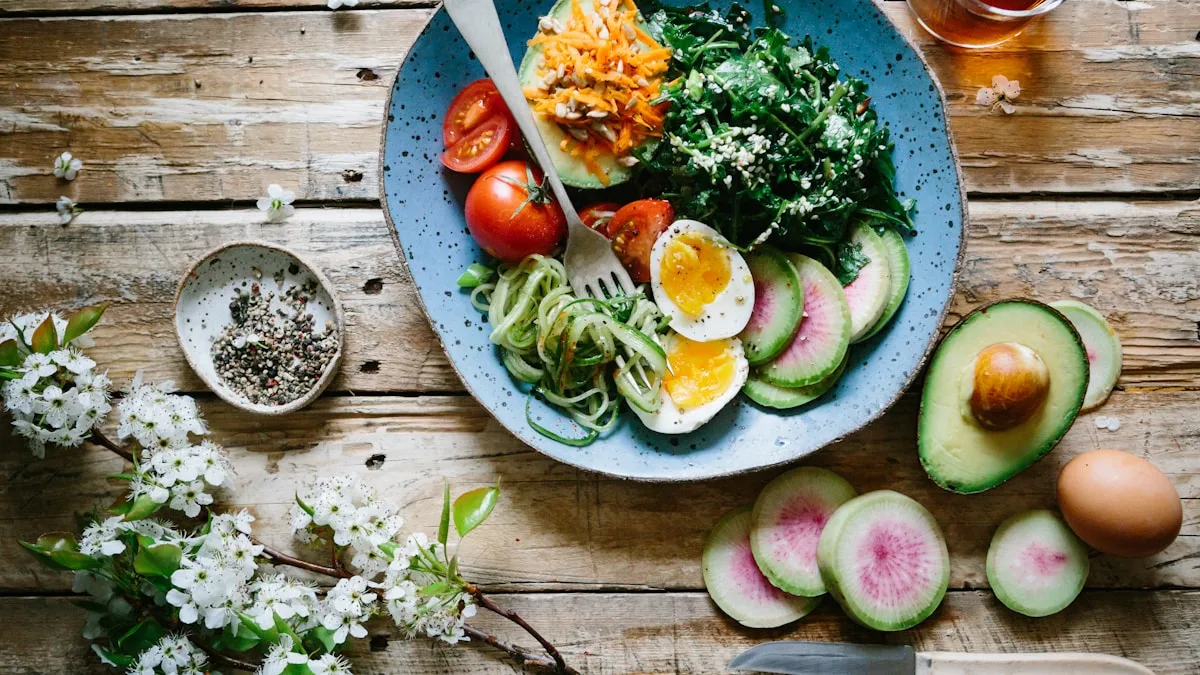
Putting evidence into practice does not have to be complicated. Here is a practical seven-day framework built around Mediterranean diet principles and optimized for menopause nutrition. Adjust portions based on your activity level and caloric needs.
Monday
- Breakfast: Greek yogurt with flaxseeds, walnuts, and blueberries
- Lunch: Grilled salmon salad with mixed greens, chickpeas, olive oil, and lemon dressing
- Dinner: Chicken breast with roasted broccoli, sweet potato, and a side of quinoa
Tuesday
- Breakfast: Oatmeal with chia seeds, sliced almonds, and raspberries
- Lunch: Lentil soup with a whole-grain roll and side salad
- Dinner: Tofu stir-fry with bok choy, bell peppers, and brown rice
Wednesday
- Breakfast: Scrambled eggs with spinach, tomatoes, and avocado on whole-grain toast
- Lunch: Mediterranean tuna wrap with hummus, cucumbers, and arugula
- Dinner: Baked cod with roasted Brussels sprouts, farro, and olive oil
Thursday
- Breakfast: Smoothie with soy milk, banana, flaxseed, spinach, and almond butter
- Lunch: Black bean and quinoa bowl with avocado, salsa, and mixed greens
- Dinner: Grilled turkey burgers (lettuce-wrapped) with roasted cauliflower and sweet potato wedges
Friday
- Breakfast: Cottage cheese with walnuts, pear slices, and a drizzle of honey
- Lunch: Chopped salad with grilled chicken, chickpeas, olives, tomatoes, and feta
- Dinner: Sardine pasta with whole-grain spaghetti, cherry tomatoes, kale, and garlic
Saturday
- Breakfast: Whole-grain pancakes with fresh berries and a side of scrambled eggs
- Lunch: Edamame and brown rice bowl with sesame-ginger dressing and shredded cabbage
- Dinner: Herb-roasted salmon with asparagus, wild rice, and a side of mixed greens
Sunday
- Breakfast: Veggie omelet with mushrooms, peppers, onions, and a side of fruit
- Lunch: White bean and vegetable soup with crusty whole-grain bread
- Dinner: Grilled shrimp skewers with roasted Mediterranean vegetables and couscous
Daily snack ideas: A handful of almonds or walnuts, hummus with carrot and celery sticks, hard-boiled eggs, chia seed pudding, edamame, or an apple with almond butter.
How Does 1st Optimal Approach Nutrition and Menopause?
Generic menopause diet advice can point you in the right direction, but it cannot account for your unique biochemistry. Two women experiencing the same symptoms can have completely different underlying causes, and their nutrition plans should reflect that difference.
At 1st Optimal, we take a data-driven approach to menopause nutrition that starts with comprehensive diagnostic testing:
- At-home blood work kits that measure key markers including vitamin D, calcium, iron, thyroid function, and inflammatory markers
- DUTCH hormone metabolite testing that reveals how your body is processing and metabolizing estrogen, progesterone, and cortisol
- GI-MAP gut health analysis to assess your microbiome, which directly influences nutrient absorption and inflammation
- Food sensitivity panels to identify foods that may be triggering inflammation and worsening your symptoms
These results give your clinical team a clear picture of what your body actually needs, rather than relying on assumptions. From there, your dedicated Membership Manager works with you to build a personalized nutrition and treatment plan that may include:
- Targeted dietary recommendations based on your lab results
- Bioidentical hormone replacement therapy (BHRT) to address the root hormonal causes of your symptoms, learn more in our perimenopause treatment guide
- Supplement protocols tailored to your specific deficiencies
- Ongoing monitoring with regular lab work to track progress and adjust your plan
This is not about following a cookie-cutter meal plan. It is about understanding your biology and using that knowledge to make nutrition decisions that deliver measurable results.
Stop guessing and start optimizing. Become a 1st Optimal member to get the comprehensive testing, personalized nutrition guidance, and expert support you need to thrive through menopause and beyond.
Frequently Asked Questions About the Menopause Diet
What is the single best food to eat during menopause?
There is no single “best” food, but fatty fish like salmon stands out. It provides omega-3 fatty acids for inflammation and brain health, vitamin D for bone density, and high-quality protein for muscle maintenance, addressing three major menopause concerns in one food.
Can diet alone manage menopause symptoms?
Diet is one of the most powerful tools you have, but it works best as part of a comprehensive approach. For many women, combining optimized nutrition with hormone optimization, regular exercise, stress management, and quality sleep produces the best outcomes.
How much weight gain is normal during menopause?
Research shows the average weight gain during the menopausal transition is about five pounds. However, this is not inevitable. A protein-rich, fiber-focused diet combined with strength training can help maintain your weight and body composition.
Is soy safe to eat during menopause?
Yes, whole soy foods (tofu, tempeh, edamame, soy milk) are generally considered safe and beneficial for most menopausal women. A 2025 study found significant reductions in hot flashes with regular soy consumption. If you have a history of hormone-sensitive cancer, discuss soy intake with your healthcare provider.
When should I start changing my diet for menopause?
The earlier, the better. Many women benefit from adjusting their nutrition during perimenopause, which can begin in your late 30s or early 40s. Early dietary changes can help ease the transition and build a strong nutritional foundation before menopause begins. Read our guide on perimenopause symptoms to understand the early signs.
Do I need to take calcium supplements during menopause?
Not necessarily. If you consistently eat calcium-rich foods and hit 1,200 mg daily through diet, supplements may not be needed. However, many women fall short. Blood testing can reveal whether supplementation would benefit you specifically.
What role does gut health play in menopause nutrition?
A significant one. Your gut microbiome influences how you absorb nutrients, metabolize estrogen, and regulate inflammation. Supporting gut health with fiber-rich foods, fermented foods (yogurt, kefir, miso), and diverse plant foods can improve your body’s response to the nutrients you eat.
How does the menopause diet differ from a standard healthy diet?
The core principles overlap, but a menopause diet emphasizes higher protein intake (1.1 to 1.5 g/kg body weight), increased calcium and vitamin D, phytoestrogen-rich foods, and anti-inflammatory omega-3s. It also pays closer attention to potential symptom triggers like alcohol, caffeine, and refined sugar.
Written by Joe Miller, CEO of 1st Optimal. Bachelor of Education, BS in Kinesiology, Exercise Science, Health, and Nutrition. 2-Year Fellowship A4M, Worldlink Medical Training, Ongoing BHRT Certifications by A4M, NASM Certified, NSCA CSCS.
Medical Disclaimer: This article is for informational purposes only and does not constitute medical advice. The information provided is based on published research and clinical experience but should not replace consultation with a qualified healthcare provider. Always consult your physician before making significant changes to your diet or starting any new supplement regimen, especially if you have existing health conditions or take medications.