
The language we use around health matters. For many high-achievers, the word “diet” feels like another restrictive task on an already packed to-do list. This is where we can take a page from Steve Harvey’s book. His success wasn’t just about what he ate; it was about reframing his entire approach. He stopped “dieting” and started “eating clean.” He stopped “working out” and started “getting right.” This simple but profound mental shift turns health from a chore into an act of empowerment. While many are curious about the ‘steve harvey weight loss diet,’ the most valuable takeaway is how he integrated wellness into his identity as a strategic investment in his performance and longevity.
How to Feel Your Best After 40: A Guide to Hormones, Nutrition, and Fitness
As you age, maintaining your health becomes more than just staying active, it’s about understanding your body’s changing needs, tackling hormonal shifts, and nourishing your body with the right nutrients. If you’re over 40, you’ve likely experienced some of the challenges that come with hormonal changes, including sluggish metabolism, fatigue, and stubborn weight gain. But it’s not all doom and gloom by embracing a holistic approach to health and wellness, you can feel more energized, fit, and confident than ever.
In this guide, we’ll dive into the key strategies to reclaim your health after 40, including nutrition, exercise, and advanced testing. Ready to take control of your health and start your journey toward optimized wellness? Let’s explore how.
What Does Your Body Really Need After 40?
Why Hormonal Shifts Can Make You Feel Different
As women approach perimenopause and menopause, the body undergoes significant hormonal shifts. These changes can lead to:
- Fatigue: Decreased estrogen levels can leave you feeling more tired and drained.
- Stubborn weight gain: As metabolism slows, fat tends to accumulate, particularly around the abdomen.
- Mood swings: Fluctuating hormone levels can lead to irritability and emotional ups and downs.
- Reduced muscle mass: Without the right kind of exercise, muscle loss becomes more pronounced with age.
However, it’s important to note that these changes are natural, and you can still thrive by addressing them holistically. The key lies in aligning your nutrition, exercise routine, and lifestyle choices to support your body through this transition.
The Steve Harvey Weight Loss Story: A Sustainable Transformation
Celebrity health journeys often grab headlines, but Steve Harvey’s story stands out because it highlights a crucial shift from quick fixes to a sustainable lifestyle. His transformation wasn’t just about shedding pounds; it was about changing his entire approach to wellness. For high-performing individuals, this pivot is essential. The relentless pursuit of short-term results often leads to burnout and rebound weight gain, whereas a long-term strategy builds a foundation for lasting energy and vitality. Harvey’s experience shows that true health optimization comes from consistency and a mindset focused on well-being, not just a number on the scale. This is a powerful reminder that how you think about your health directly impacts your ability to achieve and maintain your goals.
Motivation and Results: How Harvey Lost 30 Pounds
Steve Harvey’s recent transformation, where he lost an estimated 30 pounds, was driven by a desire to feel invigorated and take control of his health. This wasn’t his first attempt at weight loss, but it was his most successful because the motivation was different. Instead of chasing a quick result for an event, he focused on building habits that would serve him for years to come. This internal motivation is what separates lasting change from a temporary diet. When you connect your health goals to your overall performance, energy levels, and longevity, you’re more likely to stick with the plan. It becomes less about restriction and more about fueling your body for the demanding life you lead.
From Fad Diets to a Lasting Lifestyle
In the past, Harvey experimented with extreme methods, including a 21-day liquid-only detox. While such diets can produce rapid initial results, they are rarely sustainable and can be nutritionally inadequate. The real change occurred when he moved away from the “diet” mentality altogether. He recognized that a temporary, restrictive plan wasn’t the answer. Instead, he adopted a holistic lifestyle that includes clean eating, regular exercise, and even his own line of health supplements. This evolution from fad dieting to a comprehensive wellness strategy is a journey many people face. It’s about finding a balanced, personalized approach that you can genuinely integrate into your daily life without feeling deprived or overwhelmed.
The Problem with Quick-Fix Liquid Diets
Liquid diets and extreme detoxes, like the one Harvey tried, often promise fast results but come with significant downsides. Nutrition experts generally advise against these crash diets because they can lead to nutrient deficiencies, muscle loss, and a slowed metabolism. When you drastically cut calories, your body can go into conservation mode, making it harder to lose weight in the long run. Once you return to normal eating, the weight often comes back quickly. This yo-yo effect is frustrating and counterproductive. A truly effective health plan focuses on nourishing your body with whole foods and creating a sustainable caloric deficit, not starving it.
Harvey’s Current Approach: “Eating Clean” and “Getting Right”
A key part of Harvey’s success is his mindset shift, which he reinforces with positive language. He reframes “dieting” as “eating clean” and “working out” as “getting right.” This simple change in vocabulary transforms these activities from chores into acts of self-care and empowerment. For busy professionals, this mental adjustment is critical. Viewing healthy eating as a way to fuel your focus and exercise as a tool to manage stress makes these habits feel less like obligations and more like strategic investments in your performance. It’s about integrating wellness into your identity, not just adding it to your to-do list.
Beyond Diet: Addressing Underlying Health Factors
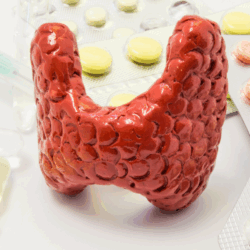
While nutrition and exercise are foundational pillars of health, they are often not the whole story. Sometimes, despite your best efforts, you might struggle with weight, fatigue, or brain fog because of hidden health issues. Hormonal imbalances, thyroid dysfunction, or metabolic problems can create significant barriers to feeling your best. This is where a deeper, more data-driven approach becomes necessary. Understanding the root cause of your symptoms is the first step toward creating a truly effective plan. Instead of guessing what might work, you can target the specific biological factors holding you back, leading to more efficient and lasting results.
Kelly Clarkson’s Journey with Pre-Diabetes and Thyroid Health
Kelly Clarkson’s weight loss journey is a powerful example of how addressing underlying medical conditions can transform your health. Her motivation wasn’t purely cosmetic; it was a response to a pre-diabetes diagnosis and ongoing struggles with autoimmune and thyroid problems. This diagnosis served as a critical wake-up call, shifting her focus from simply losing weight to actively managing her health. For many, a specific health marker or diagnosis can be the catalyst for change. It moves the goal from something vague like “get healthier” to a concrete objective like “reverse pre-diabetes,” providing a clear and compelling reason to overhaul your lifestyle.
How a Lectin-Free Diet and Medication Helped
In response to her health issues, Clarkson adopted a lectin-free, high-protein diet and worked with her doctors to manage her condition, which may have included medication. This combination proved effective for her, helping her regulate her metabolism and improve her overall health. Her story underscores the importance of personalization. A diet that works wonders for one person may not be suitable for another, especially when underlying conditions are at play. This is why comprehensive testing—to understand your unique hormonal profile, gut health, and potential food sensitivities—is so valuable. It allows you to move beyond generic advice and build a plan tailored specifically to your body’s needs.
Fueling Your Body: Nutrition for Women Over 40
Simple Diet Changes That Make a Big Difference
As you age, your body’s ability to absorb nutrients and metabolize food changes. That’s why it’s important to adjust your diet to meet your new needs. Here’s what to consider:
- Prioritize Protein: Protein is essential for maintaining muscle mass, which naturally declines with age. Aim for high-quality sources like lean meats, fish, eggs, and plant-based options like beans and tofu.
- Incorporate Healthy Fats: Omega-3 fatty acids found in fatty fish, flaxseeds, and walnuts help combat inflammation and support heart health. These fats also help regulate hormone production.
- Limit Processed Foods: High-sugar, high-salt, and highly processed foods can exacerbate hormonal imbalance and lead to weight gain. Opt for whole foods like fruits, vegetables, and whole grains.
- Nutrient-Dense Vegetables: Cruciferous vegetables such as broccoli, kale, and cauliflower can support detoxification, which is crucial for hormonal balance.
Which Vitamins and Supplements Should You Consider?
Certain nutrients become more important as you age. Vitamin D, magnesium, and omega-3s are particularly beneficial for women over 40. Supplements can help address deficiencies and keep your body functioning optimally. For example:
- Vitamin D: Many women over 40 are deficient in Vitamin D, which plays a crucial role in bone health and immune function. Ensure you’re getting enough through supplements, especially if you live in areas with limited sunlight.
- Magnesium: Magnesium supports muscle function and helps reduce symptoms of anxiety and stress, common issues as we age.
- Omega-3 Fatty Acids: These are anti-inflammatory and can help reduce the risk of cardiovascular diseases, which increase with age.
Fitness After 40: How to Build Lasting Strength
Why Strength Training Is Non-Negotiable
Once you hit 40, strength training becomes even more crucial. Not only does it help maintain muscle mass, but it also improves bone density, balance, and metabolism. Women in particular benefit from resistance training, as it helps:
- Combat Muscle Loss: Starting around age 30, we naturally lose 3-8% of muscle mass per decade. By lifting weights or using resistance bands, you can preserve lean muscle tissue.
- Improve Bone Health: Weight-bearing exercises, such as squats or lunges, can help prevent osteoporosis by strengthening bones.
- Boost Metabolism: More muscle means a higher resting metabolic rate, which can help combat weight gain.
How to Build a Workout Routine You’ll Actually Stick With
If you’re new to strength training, don’t be intimidated! Start slowly, focusing on full-body workouts that incorporate:
- Compound movements like squats, deadlifts, and lunges to engage multiple muscle groups.
- Mobility exercises such as yoga or dynamic stretching to improve flexibility and joint health.
- Cardiovascular exercises like walking, cycling, or swimming to support heart health.
Aim for at least two to three days of resistance training per week, along with regular cardiovascular activity. The goal is to build a sustainable routine that supports both strength and stamina.
Going Deeper: What Advanced Health Tests Can Tell You
Why a Standard Blood Test Might Not Be Enough
The key to a personalized health plan is understanding your body’s unique needs. Comprehensive blood testing can provide invaluable insights into your hormone levels, nutrient deficiencies, and overall health. At 1st Optimal, we recommend a range of tests to help identify underlying issues:
- Hormone Panels: Especially important for women in perimenopause or menopause, these tests measure estrogen, progesterone, testosterone, and cortisol levels to help balance your hormones and manage symptoms.
- Nutrient Deficiency Tests: Blood tests can reveal deficiencies in critical nutrients like Vitamin D, B12, and iron, which are common in women over 40.
- Metabolic Health Markers: Checking your A1C, glucose levels, and lipid profile can give you a clear picture of your metabolic health and risk for diabetes or heart disease.
Getting to the Root Cause with Functional Medicine Tests
In addition to standard blood tests, functional medicine tests like the GI-MAP (gut health analysis) and Food Sensitivity Tests can help identify underlying issues that may be affecting your digestion, immune system, or energy levels. These tests are particularly helpful in addressing gut imbalances, which are common in midlife.
By combining traditional blood tests with functional medicine testing, you can gain a holistic understanding of your health and make more informed decisions about your treatment.
The Power of Being Proactive With Your Health
As you age, it becomes even more important to stay on top of your health. Regular health check-ups not only help catch potential issues early but also allow you to track your progress and make adjustments as needed. Whether you’re looking to manage weight, optimize hormone levels, or improve energy, consistent testing is key.
How to Be Your Own Best Health Advocate
In addition to testing, educating yourself on the latest wellness trends and breakthroughs, such as peptides and biohacking, can help you stay at the forefront of health optimization. Advances in peptide therapy, for example, can support muscle recovery, fat loss, and overall vitality, especially during perimenopause and menopause.
How 1st Optimal Can Support Your Health Goals
Are you ready to take your health to the next level? At 1st Optimal, we offer comprehensive testing and personalized wellness plans designed to help you navigate the challenges of aging and hormonal changes. With our expert guidance, you can optimize your hormone health, enhance your fitness, and live with more energy and vitality.
Don’t wait for health problems to creep up take charge now with 1st Optimal’s advanced testing and holistic wellness approach. Book your comprehensive blood test today!
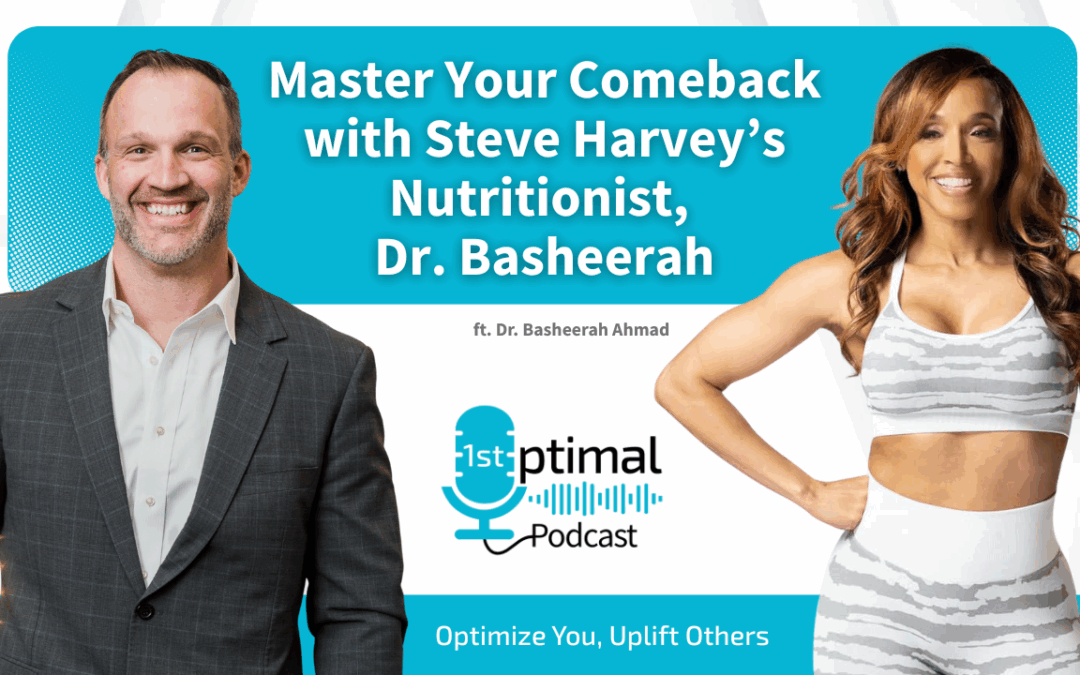
🎙 Enjoyed this conversation with Dr. Basheerah?
🔗 Listen to the full episode on your favorite platform:
🎧 Spotify | Apple Podcasts | Amazon Music | Google Podcasts
📺 Watch it on YouTube:
Frequently Asked Questions
I eat well and exercise, but I’m still gaining weight and feel tired. What am I missing? This is an incredibly common frustration, and it’s often a sign that there’s more going on beneath the surface than just calories in, calories out. After 40, hormonal shifts—especially involving estrogen, cortisol, and thyroid hormones—can slow your metabolism and cause fatigue, making your usual routine less effective. This is where a data-driven approach becomes essential. Investigating these underlying factors is often the key to breaking through a plateau that diet and exercise alone can’t solve.
Why is strength training suddenly so important now that I’m over 40? Think of strength training as a strategic investment in your body’s metabolic engine. As we age, we naturally lose muscle mass, and since muscle burns more calories at rest than fat, this loss directly impacts your metabolism and can lead to weight gain. By consistently lifting weights, you’re not just building strength; you’re actively preserving your metabolic rate, improving bone density to prevent osteoporosis, and maintaining the functional strength you need to live an active, high-performance life for decades to come.
The blog mentions “advanced testing.” How is that different from the annual blood work my doctor runs? Your annual physical typically includes standard blood work that screens for obvious signs of disease. It’s designed to catch problems once they’ve already developed. Advanced functional testing, on the other hand, is designed to assess your body’s optimal function. It provides a much more detailed picture by looking at things like hormone metabolites, gut health, nutrient deficiencies, and food sensitivities. This allows you to identify and address subtle imbalances before they become major health issues, helping you move from just “not sick” to truly thriving.
I like the idea of “eating clean” instead of “dieting,” but what does that actually look like day-to-day? Shifting your mindset from “dieting” to “eating clean” means focusing on fueling your body instead of restricting it. In practice, this involves prioritizing whole, unprocessed foods. A typical day might focus on building each meal around a quality protein source to maintain muscle and satiety, adding healthy fats like avocado or olive oil to support hormone production, and filling the rest of your plate with fiber-rich vegetables to stabilize blood sugar and energy. It’s less about counting every calorie and more about choosing foods that make you feel energized and focused.
Can I really manage issues like pre-diabetes or thyroid problems with lifestyle changes alone? Lifestyle changes, particularly in nutrition and exercise, are the foundation for managing many chronic health conditions and can be incredibly powerful—sometimes even reversing issues like pre-diabetes. However, they are most effective when part of a comprehensive, personalized plan. For conditions like thyroid dysfunction, medication is often a necessary component. The best approach combines targeted lifestyle adjustments with the guidance of a medical professional who can interpret your lab results and create a strategy that addresses your specific biological needs.
Key Takeaways
- Shift Your Mindset from ‘Dieting’ to ‘Fueling’: Lasting change comes from how you think about your health. Reframe healthy eating and exercise as strategic tools to enhance your energy and performance, not as restrictive chores you have to endure.
- Address the Root Cause with Data, Not Guesses: If you’re doing everything right but still feel off, it’s time to stop guessing. Comprehensive testing can reveal underlying hormonal imbalances or metabolic issues, giving you a clear path to feeling your best.
- Prioritize Protein and Strength Training to Protect Your Metabolism: After 40, muscle mass and metabolic rate naturally decline. Make resistance training and sufficient protein intake the foundation of your routine to build a resilient body, maintain strength, and manage weight effectively.