
Low testosterone in women is one of the most overlooked and underdiagnosed hormone issues in modern healthcare. While testosterone is commonly associated with men, women need it just as much for energy, mood, metabolism, muscle tone, sexual health, and overall vitality. When levels fall which often starts as early as the mid-thirties women may feel exhausted, unmotivated, irritable, and disconnected from their bodies. They may gain weight more easily, lose muscle faster, and notice a shift in their cognitive clarity or emotional stability.
Despite these symptoms, many women are told “everything is normal,” even when their testosterone is well below optimal levels. This leaves countless women struggling with issues that are fixable through proper testing, hormone evaluation, and personalized care.
This guide breaks down the top 50 most-searched Google questions about low testosterone in women, followed by deep sections, practical strategies, academic-style case studies, and evidence-based references. You’ll also find clear next steps for personalized testing and treatment through 1st Optimal.
Take a free hormone health quiz here: https://1stoptimal.com/womens-hormone-health-quiz-eve/
TOP 50 GOOGLE QUESTIONS ABOUT LOW TESTOSTERONE IN WOMEN
1. What is low testosterone in women?
Low testosterone occurs when a woman’s androgen levels fall below what is needed for healthy energy, metabolism, sexual function, and physical performance.
2. What causes low testosterone in women?
Aging, perimenopause, menopause, chronic stress, thyroid issues, birth control, nutrient deficiencies, poor sleep, and certain medications.
3. What are the symptoms of low testosterone in women?
- low libido
- fatigue
- low motivation
- muscle loss
- weight gain
- mood swings
- poor recovery
- brain fog
- low confidence
- reduced strength
4. How common is low testosterone in women?
Very common. Levels naturally decline beginning around age thirty, accelerating during perimenopause and menopause.
5. How is testosterone used in the female body?
It supports energy production, muscle mass, libido, cognitive clarity, mood regulation, and metabolic health.
6. What is a normal testosterone level for women?
Ranges vary by age, but optimal levels are typically higher than what standard lab ranges reflect. Personalized ranges are more accurate.
7. What is considered low testosterone?
Levels below the optimal range for age and symptoms. Lab reference ranges often miss clinically significant low values.
8. Can women have very low testosterone?
Yes. Many women test near the bottom of the reference range or even below it without diagnosis.
9. Why do testosterone levels drop with age?
Ovarian aging, adrenal changes, stress, and declining DHEA contribute to lower production.
10. Is low testosterone linked to perimenopause?
Yes. Testosterone begins dropping early in perimenopause, often before estrogen shows clear symptoms.
11. Is testosterone lower after menopause?
Yes. Most women experience a significant decline in testosterone by menopause.
12. Does birth control lower testosterone?
Yes. Oral contraceptives increase SHBG (sex hormone binding globulin), reducing free, active testosterone.
13. Does stress lower testosterone?
Chronic stress increases cortisol, which suppresses androgen production.
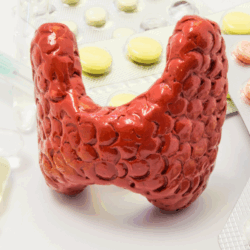
14. Can thyroid problems reduce testosterone?
Yes. Thyroid dysfunction disrupts hormone signaling pathways.
15. Does low testosterone cause fatigue?
Yes. Testosterone supports mitochondrial function and energy production.
16. Does low testosterone cause low libido?
Yes. It is one of the leading hormonal causes of low sexual desire in women.
17. Does low testosterone affect mood?
Women may experience irritability, anxiety, depression, and low resilience.
18. Can low testosterone cause weight gain?
Yes. Low testosterone reduces muscle mass, slows metabolism, and decreases metabolic rate.
19. Why do women lose muscle with low testosterone?
Testosterone regulates muscle protein synthesis and strength capacity.
20. Does low testosterone cause hair thinning?
Indirectly, yes. Hormone imbalance affects the hair cycle and skin health.
21. Can low testosterone cause brain fog?
Yes. Women often experience difficulty focusing and reduced mental drive.
22. Can low testosterone cause insomnia?
Indirectly. Hormone imbalance affects sleep quality and stress response.
23. Is testosterone therapy safe for women?
Yes, when properly prescribed, monitored, and personalized.
24. What forms of testosterone therapy are used for women?
Creams, gels, injections, and subcutaneous doses. Pellets are sometimes used, though less controlled.
25. Is testosterone a female hormone?
Yes. Women naturally produce testosterone in the ovaries and adrenal glands.
26. What is free testosterone?
The unbound, biologically active form of testosterone that affects symptoms.
27. What is SHBG and why does it matter?
SHBG binds testosterone. High SHBG lowers active testosterone levels even if total levels appear normal.
28. Does menopause hormone therapy include testosterone?
Frequently, yes. Adding testosterone improves energy, libido, mood, and muscle mass.
29. Can low testosterone cause joint pain?
Yes. Androgen decline reduces collagen production and tissue integrity.
30. What labs diagnose low testosterone?
- total testosterone
- free testosterone
- SHBG
- DHEA-S
- estradiol
- progesterone
- thyroid panel
- cortisol
- insulin
31. What are the best tests for women?
A full hormone panel, ideally interpreted by a clinician experienced in women’s hormones.
32. Does low testosterone affect metabolism?
Yes. It influences insulin sensitivity and energy expenditure.
33. Can women take testosterone long-term?
Yes, under medical supervision with regular testing.
34. Does testosterone help women with fitness goals?
Yes. It improves muscle tone, fat loss, and training recovery.
35. Can low testosterone cause depression?
Yes. Testosterone supports dopamine and serotonin pathways.
36. Does testosterone help with menopause symptoms?
Yes. Many women see improvements in mood, energy, libido, and strength.
37. What foods boost testosterone naturally?
Lean protein, omega-3s, nuts, olive oil, iron-rich foods, zinc, and magnesium.
38. Does alcohol lower testosterone?
Yes. It impacts liver function and hormone metabolism.
39. Does exercise increase testosterone?
Strength training and high-intensity work can support androgen production.
40. Can low testosterone cause chronic pain?
Yes. Hormones influence inflammation and pain perception.
41. Is low testosterone genetic?
Partially. Genetics influence hormone metabolism and SHBG levels.
42. How does low testosterone affect relationships?
Lower libido and energy may impact intimacy and emotional connection.
43. Does TRT make women gain weight?
No. It typically increases lean mass and improves metabolic rate.
44. Does testosterone therapy cause voice changes?
Only at supraphysiologic doses, not at medical female-appropriate doses.
45. Can testosterone help with mental clarity?
Yes. Many women report improved focus and executive function.
46. Can low testosterone cause low motivation?
Yes. Androgen decline affects drive, initiative, and task engagement.
47. Does testosterone improve bone density?
Yes. It plays a role in bone turnover and strength.
48. Is DHEA related to testosterone?
Yes. DHEA is a precursor hormone that supports androgen levels.
49. Can testosterone help with stubborn fat?
Yes. Improved insulin sensitivity and muscle mass support fat loss.
50. What is the best treatment for low testosterone in women?
Personalized hormone therapy combined with testing, nutrition, strength training, and metabolic optimization.
PRACTICAL APPLICATIONS
Women can improve symptoms by focusing on:
- sleep optimization
- increasing protein intake
- resistance training
- stabilizing blood sugar
- reducing alcohol
- supporting thyroid function
- supplementing magnesium, zinc, omega-3s
- stress reduction practices
- evaluating medications that affect hormones
- personalized hormone therapy
THREE CLINICAL-STYLE CASE STUDIES
Case Study 1: “The Burned-Out Executive”
Symptoms: fatigue, low libido, weight gain, poor recovery
Findings: low free testosterone, high SHBG
Intervention: testosterone cream, zinc, strength training, stress protocol
Outcome: improved libido, energy, and body composition
Case Study 2: “The 42-Year-Old Athlete”
Symptoms: loss of strength, poor recovery, irritability
Findings: low testosterone, borderline low DHEA
Intervention: micro-dose TRT, creatine, protein increase
Outcome: stronger lifts, better mood, improved endurance
Case Study 3: “The Busy Mom in Perimenopause”
Symptoms: brain fog, low mood, weight gain, fatigue
Findings: low progesterone + low testosterone
Intervention: testosterone therapy, progesterone support, metabolic optimization
Outcome: restored mental clarity, weight stabilization, improved sleep
Low testosterone in women is far more common than most people realize. It impacts energy, metabolism, strength, mood, sexual health, and mental clarity. With the right testing and personalized treatment, women can reclaim energy, drive, and confidence.
BOOK A FREE HEALTH CONSULT
If you want to test your hormones, optimize your levels, and get personalized guidance:
Book your free consult today:
https://1stoptimal.com/book-a-call/