
Medically reviewed content. Written by Joe Miller, CEO of 1st Optimal — Bachelor of Education (BS: Kinesiology, Exercise Science, Health, Nutrition), 2-Year Fellowship A4M, Training by Worldlink Medical, Ongoing BHRT Certifications by A4M, NASM Certified, NSCA CSCS.
Low testosterone affects an estimated 4 to 5 million men in the United States alone, and the number continues to rise. Yet many people, both men and women, live with the symptoms of low testosterone for years without realizing what is driving their fatigue, weight gain, low libido, or brain fog. Understanding what low testosterone is, how to recognize it, and what you can do about it is the first step toward reclaiming your energy, performance, and quality of life.
This comprehensive guide covers everything you need to know about low testosterone, from the clinical definition and normal ranges by age to symptoms in both men and women, common causes, diagnosis, health risks, and today’s most effective treatment options.
What Is Low Testosterone (Hypogonadism)?
Testosterone is the primary androgen hormone produced mainly in the testes in men and in smaller amounts by the ovaries and adrenal glands in women. It plays a critical role in muscle mass, bone density, fat distribution, red blood cell production, sex drive, mood regulation, and cognitive function.
Low testosterone, clinically known as hypogonadism, occurs when the body does not produce enough testosterone to maintain normal physiological function. The Endocrine Society defines low testosterone in men as a total testosterone level below 300 ng/dL, measured via a morning blood draw on at least two separate occasions.
Normal testosterone ranges vary by age, but general reference ranges for men include:
- Men aged 19-39: 264–916 ng/dL
- Men aged 40-59: 200–870 ng/dL
- Men aged 60+: 170–700 ng/dL
For women, normal total testosterone ranges from approximately 15 to 70 ng/dL, with levels below 15 ng/dL often considered clinically low.
There are two types of hypogonadism. Primary hypogonadism originates from a problem in the testes or ovaries themselves, while secondary hypogonadism results from issues with the pituitary gland or hypothalamus, which signal hormone production. Identifying which type is present is essential for determining the right treatment approach.
Signs and Symptoms of Low Testosterone in Men
Low testosterone symptoms in men often develop gradually, which makes them easy to dismiss as normal aging or stress. However, these symptoms are not something you simply have to accept. Recognizing them early can lead to faster diagnosis and better outcomes.
The most common signs of low testosterone in men include:
- Persistent fatigue and low energy: Feeling exhausted despite adequate sleep is one of the hallmark symptoms. Men with low T often describe a deep, constant tiredness that does not improve with rest.
- Decreased libido: Testosterone is the primary driver of sexual desire in men. A noticeable decline in interest in sexual activity is one of the most common early indicators.
- Erectile dysfunction: While not all erectile dysfunction is caused by low testosterone, it is a contributing factor in many cases. Testosterone stimulates the production of nitric oxide, which is essential for achieving and maintaining erections.
- Loss of muscle mass and strength: Testosterone is anabolic, meaning it drives muscle protein synthesis. Low levels lead to muscle wasting, decreased strength, and slower recovery from exercise.
- Increased body fat: Men with low testosterone often experience an increase in body fat, particularly around the midsection. Some may also develop gynecomastia (enlarged breast tissue) due to a shift in the testosterone-to-estrogen ratio.
- Mood changes: Irritability, depression, anxiety, and a general decline in motivation are frequently reported. Testosterone influences neurotransmitter activity, and low levels can directly affect emotional regulation.
- Brain fog and poor concentration: Difficulty focusing, memory lapses, and reduced mental sharpness are common cognitive symptoms associated with low testosterone.
- Hair loss: While male pattern baldness has a strong genetic component, testosterone and its derivative DHT play a role in hair growth cycles. Abnormally low levels can contribute to thinning hair on the scalp and body.
- Reduced bone density: Testosterone helps maintain bone mineral density. Low levels over time increase the risk of osteoporosis and fractures.
- Sleep disturbances: Low testosterone has been linked to insomnia, restless sleep, and increased prevalence of sleep apnea.
Signs of Low Testosterone in Women
Low testosterone is not just a men’s issue. Women also rely on testosterone for energy, libido, muscle maintenance, bone health, and mood stability. Because women produce testosterone in much smaller quantities, even a slight decline can produce noticeable symptoms.
Common signs of low testosterone in women include:
- Chronic fatigue: Persistent tiredness that does not respond to sleep or rest, often worse during perimenopause and menopause when hormone levels are shifting.
- Low libido: A significant decrease in sexual desire is one of the most frequently reported symptoms in women with low testosterone. This often accompanies other hormonal shifts during midlife.
- Muscle weakness: Difficulty maintaining muscle tone, slower recovery from physical activity, and a general feeling of physical weakness.
- Mood changes: Increased anxiety, irritability, or depressive symptoms that may be difficult to attribute to a specific cause.
- Weight gain: Especially around the abdomen, as testosterone plays a role in fat metabolism and body composition regulation.
- Decreased bone density: Low testosterone contributes to bone loss in women, compounding the effects of declining estrogen during menopause.
- Thinning hair and dry skin: Changes in hair thickness and skin quality can result from declining androgen levels.
Many of these symptoms overlap with perimenopause and menopause, which is why comprehensive hormone testing, such as the DUTCH test, is essential for identifying the root cause.
What Causes Low Testosterone?
Understanding the causes of low testosterone helps determine the most effective treatment path. Low testosterone can result from a wide range of factors, some unavoidable and others modifiable.
Aging: Testosterone levels naturally decline with age, typically starting around age 30 at a rate of approximately 1 to 2 percent per year. By age 45, many men are experiencing the cumulative effects of this gradual decline. However, age-related decline alone does not always produce clinical symptoms.
Obesity: Excess body fat, particularly visceral fat around the abdomen, increases the activity of the enzyme aromatase, which converts testosterone into estrogen. This creates a cycle where low testosterone promotes fat gain, and fat gain further suppresses testosterone production. Research published in the journal Clinical Endocrinology shows that obese men are significantly more likely to have low testosterone than men at a healthy weight.
Chronic stress and cortisol: The body’s stress hormone, cortisol, has an inverse relationship with testosterone. Prolonged periods of high stress keep cortisol elevated, which directly suppresses testosterone production through the hypothalamic-pituitary-gonadal (HPG) axis.
Sleep deprivation: The majority of daily testosterone production occurs during sleep, particularly during REM cycles. Studies show that sleeping fewer than five hours per night for just one week can reduce testosterone levels by 10 to 15 percent in young, healthy men.
Medications: Opioid painkillers, corticosteroids, certain antidepressants, and some blood pressure medications can suppress testosterone production. Long-term opioid use is one of the most common medication-related causes of hypogonadism.
Chronic illness: Conditions such as type 2 diabetes, metabolic syndrome, liver disease, kidney disease, and HIV/AIDS are associated with lower testosterone levels. Autoimmune disorders can also affect gonadal function.
Testicular injury or conditions: Physical damage to the testes, infections such as mumps orchitis, or conditions like Klinefelter syndrome can impair testosterone production directly.
Pituitary disorders: Tumors, injuries, or diseases affecting the pituitary gland can disrupt the signals that trigger testosterone production, leading to secondary hypogonadism.
Low Testosterone by Age: What Is Normal?
One of the most common questions about low testosterone is whether symptoms are simply a normal part of aging. While testosterone does decline naturally, the rate and impact vary significantly from person to person.
Here is a general overview of average testosterone levels by age for men, based on clinical reference data:
- Ages 20-29: Average total testosterone of 600-700 ng/dL. Peak production years.
- Ages 30-39: Gradual decline begins. Average total testosterone around 500-600 ng/dL.
- Ages 40-49: Average total testosterone approximately 400-500 ng/dL. Many men begin experiencing noticeable symptoms.
- Ages 50-59: Average total testosterone approximately 350-450 ng/dL. Symptoms become more pronounced if not addressed.
- Ages 60+: Average total testosterone approximately 300-400 ng/dL. Risk of clinically low testosterone increases significantly.
It is important to understand that these are averages. Some men in their 60s maintain testosterone levels above 500 ng/dL, while some men in their 30s fall below 300 ng/dL. The key is not your age alone but whether your levels support your symptoms and health goals.
You should be concerned about low testosterone and consider testing if you are experiencing multiple symptoms from the list above, regardless of your age. Low testosterone in young men (under 40) is increasingly common and warrants investigation, especially if lifestyle factors like sleep, stress, and diet have already been optimized.
How Is Low Testosterone Diagnosed?
Proper diagnosis of low testosterone requires more than just recognizing symptoms. Clinical guidelines from the Endocrine Society and the American Urological Association recommend a specific diagnostic approach to confirm hypogonadism and identify its cause.
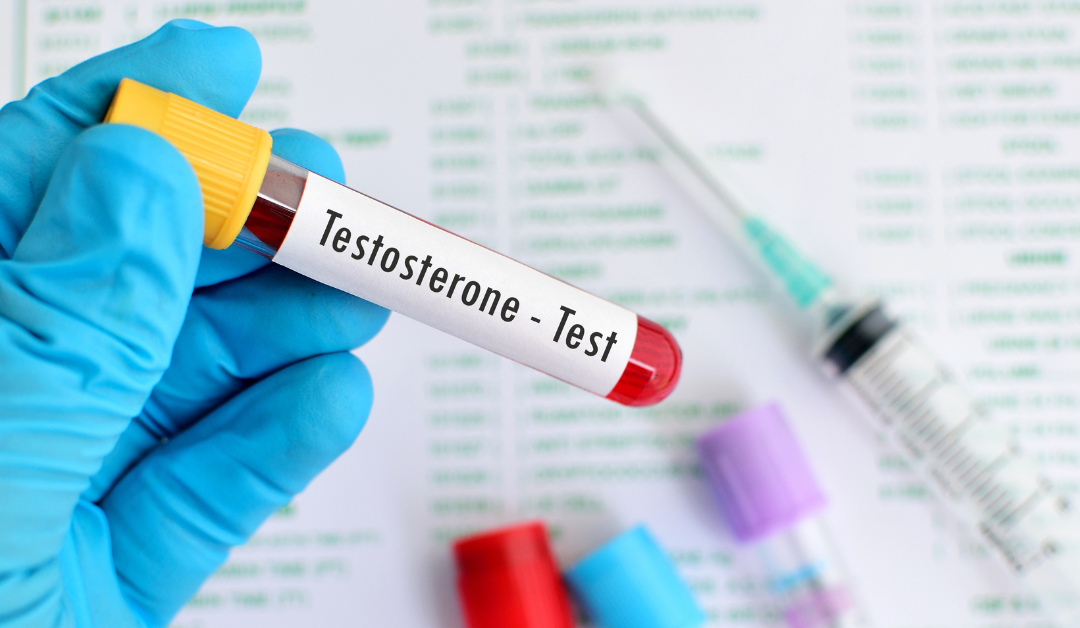
Blood testing is essential. The gold standard for diagnosing low testosterone is a serum total testosterone blood test drawn in the morning, ideally between 7:00 and 10:00 AM, when levels are at their peak. Because testosterone levels fluctuate throughout the day and can be affected by illness, stress, or poor sleep, the guidelines require at least two separate low readings before confirming a diagnosis.
Total testosterone vs. free testosterone: Total testosterone measures all testosterone in the bloodstream, including testosterone bound to sex hormone-binding globulin (SHBG) and albumin. Free testosterone measures only the unbound, biologically active fraction. In some cases, total testosterone may appear normal while free testosterone is low due to elevated SHBG levels, a condition that becomes more common with age. Both values should be assessed for a complete picture.
Additional markers: A thorough diagnostic workup should also include:
- Luteinizing hormone (LH) and follicle-stimulating hormone (FSH): Help distinguish between primary and secondary hypogonadism.
- SHBG: Determines how much testosterone is bioavailable.
- Estradiol: Elevated estrogen can suppress testosterone and cause overlapping symptoms.
- Prolactin: Elevated levels may indicate a pituitary issue.
- Complete blood count (CBC): Baseline for monitoring during treatment.
- Metabolic panel and lipids: Assess overall health and identify comorbidities.
Advanced testing like the DUTCH hormone test can provide deeper insight into hormone metabolism pathways, cortisol patterns, and how your body processes and clears hormones, offering a far more detailed picture than standard blood work alone.
Health Risks of Untreated Low Testosterone
Living with chronically low testosterone is not just uncomfortable. It carries real, measurable health risks that worsen over time if left unaddressed.
Osteoporosis and bone fractures: Testosterone is essential for maintaining bone mineral density. Men with untreated low testosterone have a significantly higher risk of osteoporosis and bone fractures, particularly in the hip and spine. The Endocrine Society notes that hypogonadal men lose bone density at an accelerated rate compared to men with normal testosterone levels.
Metabolic syndrome and type 2 diabetes: Low testosterone is strongly associated with insulin resistance, elevated blood sugar, increased abdominal fat, and abnormal cholesterol levels, all hallmarks of metabolic syndrome. Research published in the Journal of Clinical Endocrinology and Metabolism has demonstrated a bidirectional relationship between low testosterone and type 2 diabetes.
Cardiovascular risk: While the relationship between testosterone and cardiovascular health is complex, untreated hypogonadism has been associated with increased risk of atherosclerosis, coronary artery disease, and adverse cardiovascular events. Maintaining testosterone within an optimal range appears to have a protective effect on vascular function.
Mental health: Chronic low testosterone is associated with higher rates of depression, anxiety, and cognitive decline. Longitudinal studies have shown that men with untreated hypogonadism are at greater risk of developing depressive disorders compared to age-matched men with normal levels.
Anemia: Testosterone stimulates red blood cell production. Chronically low levels can lead to anemia, contributing to additional fatigue and weakness.
Reduced quality of life: Beyond the specific disease risks, living with low testosterone diminishes overall quality of life through reduced energy, impaired sexual function, decreased physical capability, and emotional instability. These effects compound over time and impact both personal and professional performance.
Treatment Options for Low Testosterone
If you have been diagnosed with low testosterone, there are proven treatment options available that can restore your levels and significantly improve your symptoms and quality of life.
Testosterone Replacement Therapy (TRT)
TRT is the most direct and effective treatment for clinically low testosterone. It works by supplementing the body’s natural testosterone production with bioidentical testosterone delivered through various methods:
- Intramuscular and subcutaneous injections: The most commonly prescribed form of TRT. Injections (typically testosterone cypionate or enanthate) deliver consistent and predictable testosterone levels with near-complete bioavailability.
- Topical gels and creams: Applied daily to the skin. Convenient but absorption varies and there is a risk of transference to others through skin contact.
- Transdermal patches: Applied to the skin daily. Provide steady hormone delivery but may cause skin irritation.
- Testosterone pellets: Small pellets implanted under the skin every 3-6 months. Provide long-lasting, steady hormone release without daily administration.
Research consistently shows that TRT can improve energy, libido, erectile function, mood, body composition, bone density, and cognitive function in men with confirmed hypogonadism. The best TRT providers use comprehensive lab work and ongoing monitoring to ensure treatment is safe and effective.
Lifestyle Modifications
For men with borderline low testosterone or those looking to complement TRT, lifestyle changes can meaningfully support testosterone production:
- Resistance training: Compound exercises like squats, deadlifts, and bench presses have been shown to acutely boost testosterone levels and improve body composition over time.
- Sleep optimization: Prioritizing 7 to 9 hours of quality sleep per night supports the natural testosterone production cycle.
- Weight management: Reducing excess body fat, especially visceral fat, lowers aromatase activity and helps restore a healthier testosterone-to-estrogen ratio.
- Stress management: Practices like meditation, controlled breathing, and regular physical activity lower cortisol and support hormonal balance.
- Nutrition: A diet rich in lean protein, healthy fats (especially omega-3 fatty acids), zinc, magnesium, and vitamin D supports testosterone production. Reducing processed foods and excess alcohol also helps.
When Treatment Is Appropriate
Treatment for low testosterone is appropriate when blood work confirms clinically low levels (below 300 ng/dL total testosterone on at least two morning tests) and symptoms are present that affect your quality of life. The decision to pursue treatment should always be made in consultation with a qualified healthcare provider who understands the full picture of your health. You can explore affordable TRT options that prioritize comprehensive care over quick fixes.
How 1st Optimal Diagnoses and Treats Low Testosterone
At 1st Optimal, we take a fundamentally different approach to low testosterone. Rather than relying on a single lab value and a generic prescription, we use a comprehensive, data-driven methodology to understand your hormonal health at the deepest level and build a protocol tailored specifically to you.
Comprehensive diagnostic testing: Every member begins with an in-depth lab panel that goes well beyond basic testosterone testing. Our diagnostics include total and free testosterone, SHBG, estradiol, LH, FSH, thyroid function, metabolic markers, complete blood counts, and, when indicated, advanced testing like the DUTCH hormone metabolite test. This gives your clinical team a 360-degree view of your hormonal landscape.
Personalized treatment protocols: Based on your lab results, symptoms, health history, and goals, your provider designs a customized treatment plan. This may include TRT via testosterone injections, bioidentical hormone therapy for women, nutritional optimization, supplement protocols, and lifestyle modifications, all working together as a coordinated strategy.
Dedicated Membership Manager: Every 1st Optimal member is assigned a dedicated Membership Manager who serves as your personal point of contact. They coordinate your care, answer questions, schedule follow-ups, and ensure nothing falls through the cracks.
Ongoing monitoring and optimization: We do not prescribe and disappear. Regular follow-up labs, check-in consultations, and protocol adjustments are built into your care plan. Your treatment is continually refined based on how your body responds, not a one-size-fits-all schedule.
Telehealth convenience: All consultations, lab reviews, and follow-ups are available virtually. Your at-home lab kits are shipped directly to you, making comprehensive hormone care accessible no matter where you live in the United States.
Book a consultation to start your journey toward optimized hormonal health.
Frequently Asked Questions About Low Testosterone
What testosterone level is considered low?
The Endocrine Society defines low testosterone as a total testosterone level below 300 ng/dL, confirmed by at least two morning blood draws. However, symptoms can begin at levels above 300 ng/dL if free testosterone is also low due to elevated SHBG. A complete hormone panel provides the clearest picture.
Can low testosterone be reversed naturally?
In some cases, lifestyle modifications such as improving sleep, reducing body fat, managing stress, and optimizing nutrition can raise borderline-low testosterone levels. However, clinically significant hypogonadism typically requires medical treatment, such as TRT, to restore levels to an optimal range.
What causes low testosterone in men under 40?
Low testosterone in young men can result from obesity, chronic stress, sleep deprivation, medications (particularly opioids), pituitary disorders, genetic conditions like Klinefelter syndrome, or prior testicular injury. If you are experiencing symptoms before age 40, a thorough evaluation is recommended.
How long does it take for testosterone treatment to work?
Most men notice improvements in energy and mood within 2 to 4 weeks of starting TRT. Improvements in libido typically follow within 3 to 6 weeks. Significant body composition changes, including muscle gain and fat loss, become apparent between 3 and 6 months. Full benefits, including bone density improvements, may take 12 months or longer.
Is low testosterone dangerous if left untreated?
Yes. Chronically low testosterone is associated with increased risks of osteoporosis, metabolic syndrome, type 2 diabetes, cardiovascular disease, depression, and anemia. Addressing low testosterone proactively is an investment in your long-term health and quality of life.
Does low testosterone affect women?
Absolutely. Women depend on testosterone for energy, libido, muscle maintenance, bone health, and mood regulation. Low testosterone in women is common during perimenopause and menopause, and comprehensive testing is essential for identifying it as a contributing factor to symptoms.
How much does testosterone testing cost?
Testosterone testing costs vary depending on the provider and the comprehensiveness of the panel. Basic testing may range from $50 to $200, while advanced panels including DUTCH testing and full metabolic workups may range from $300 to $600. At 1st Optimal, comprehensive diagnostics are integrated into our membership plans.
What is the difference between total testosterone and free testosterone?
Total testosterone measures all testosterone in the blood, including testosterone bound to SHBG and albumin. Free testosterone measures only the unbound, biologically active fraction, typically 2 to 3 percent of total testosterone. Both values are important for an accurate diagnosis, especially in men with elevated SHBG levels.
Medical Disclaimer: This article is for educational purposes only and does not constitute medical advice, diagnosis, or treatment. Always consult with a qualified healthcare provider before making decisions about your health or starting any treatment, including testosterone replacement therapy. Individual results may vary based on personal health factors, medical history, and treatment adherence.