

Introduction
At 40, Jessica Biel proves that fitness isn’t just about aesthetics, it’s about feeling strong, energized, and in control of your body as it goes through hormonal changes. As women approach their 40s and beyond, it’s common to face challenges with energy, weight management, and overall wellness due to shifting hormones. The good news is that with the right approach, you can overcome these obstacles and feel your best.
Jessica’s routine combines strength training, Pilates, and mobility exercises, offering a comprehensive workout program that is both effective and adaptable to the needs of women in their 40s. In this article, we’ll explore how you can leverage Jessica’s fitness approach, focusing on balancing hormones, boosting metabolism, and staying energized.
Why Hormones Matter for Your Fitness Goals
Hormones play a significant role in how your body responds to exercise, especially as you age. At the core of every fitness goal, hormones like estrogen, progesterone, cortisol, and thyroid hormones regulate energy, muscle recovery, fat storage, and more. As women transition into their 30s and 40s, hormonal fluctuations can make it harder to maintain the same fitness levels as in younger years.
- Estrogen: Declines as you approach perimenopause, leading to changes in muscle mass, bone density, and fat distribution. Strength training and weight-bearing exercises can counter these effects.
- Cortisol: Known as the stress hormone, high cortisol levels can make fat loss difficult. Consistent exercise, particularly low-stress options like Pilates and walking, can help regulate cortisol.
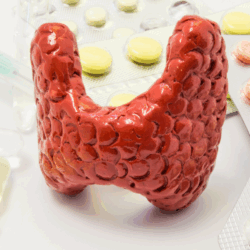
- Thyroid Hormones: The thyroid helps regulate metabolism. Hypothyroidism (common in women over 40) can slow metabolism and lead to weight gain. Proper exercise can help optimize thyroid function and metabolism.
- Hormonal Balance for Fitness: Hormones influence every aspect of health, and understanding how to manage them is critical for optimizing fitness and health. If you’re feeling fatigued, gaining weight unexpectedly, or noticing changes in your mood, it might be time to look at your hormonal health more closely. Integrating functional medicine testing and hormone optimization can help you achieve better results with exercise.
Jessica Biel’s Fitness Philosophy: Strength Training & Pilates
Jessica Biel’s fitness regimen focuses on a combination of strength training, Pilates, and mobility exercises. These elements are crucial for women over 40, as they help improve muscle mass, flexibility, joint health, and hormonal balance.
Strength Training:
Strength training isn’t just about getting bigger muscles; it’s essential for maintaining bone health, regulating metabolism, and supporting hormone balance. For women, maintaining muscle mass as they age is vital for counteracting metabolic slowdowns caused by hormonal changes. Exercises like squats, deadlifts, and lunges boost metabolism, increase muscle mass, and improve overall functional strength.
Pilates:
Pilates is a great complement to strength training. It focuses on building core strength, improving flexibility, and increasing mobility. As we age, our joints and connective tissues lose elasticity, which can lead to stiffness and pain. Pilates helps address these issues by improving muscle length and joint function without putting excessive strain on the body.
The Importance of Mobility and Flexibility in Your Workout Routine
Flexibility and mobility are often overlooked in fitness routines, but they are crucial for women in midlife. As we age, flexibility naturally decreases, and joint pain becomes more prevalent due to hormonal changes like reduced estrogen. Adding mobility and flexibility work to your routine helps reduce muscle tension, improve posture, and prevent injuries.
Joint Health:
The right exercises can help keep joints healthy. Pilates and targeted mobility drills stretch and strengthen muscles around the joints, reducing the risk of osteoarthritis and other age-related joint issues.
Improved Muscle Function:
Mobility exercises help activate muscles in a functional way, ensuring that your body is moving correctly and efficiently. This prevents overcompensating in areas that can lead to injury or strain.
How Strength Training Supports Hormone Balance
Strength training is one of the most effective ways to balance hormones naturally. It helps regulate key hormones like insulin, cortisol, and estrogen, all of which impact fat storage, energy, and overall health.
Key Benefits of Strength Training for Hormone Health:
- Improved Insulin Sensitivity: Strength training helps improve insulin sensitivity, which is crucial for weight management and fat loss. Insulin resistance is a major contributor to weight gain and metabolic dysfunction.
- Increased Testosterone: Both men and women benefit from strength training as it boosts testosterone levels, which are essential for maintaining muscle mass and overall metabolic function.
- Cortisol Regulation: Consistent strength training helps regulate cortisol, which is a key stress hormone. Managing cortisol levels can help reduce belly fat and improve energy levels.
Pilates: A Core Element for Joint Health and Mobility
Pilates isn’t just for improving flexibility, it’s a critical tool for joint health, core strength, and overall mobility, which are especially important for women navigating hormonal changes.
Core Strength and Flexibility:
Pilates targets the deep stabilizing muscles of the core, which supports the spine and pelvic floor. This is crucial for reducing lower back pain, improving posture, and enhancing overall movement.
Joint Mobility:
The low-impact nature of Pilates makes it a perfect choice for women experiencing joint pain or stiffness due to hormonal changes. It helps improve joint lubrication and reduces stiffness, which is especially important as we age.
The Role of Outdoor Activities in Staying Energized
In addition to structured workouts, outdoor activities play a vital role in maintaining energy and overall wellness. Jessica Biel incorporates hiking, walking, and other outdoor activities into her routine. These activities provide several key benefits:
- Natural Light Exposure: Sunlight boosts serotonin levels, which can improve mood and help with sleep. Exposure to natural light is crucial for regulating circadian rhythms, which impacts hormone production and energy levels.
- Mental Well-being: Spending time in nature has been shown to reduce stress and improve mental clarity. For women in midlife, managing stress is critical for balancing hormones.
Smart Workouts: The Key to Unlocking Your Full Potential
The key to successful fitness after 40 is not about doing more, it’s about doing smarter workouts. As we age, the body’s recovery time increases, and hormonal fluctuations can make intense, high-impact workouts less effective. Instead, focus on smarter routines that target the body’s changing needs.
Smart Strategies Include:
- Strength Training: Focus on compound exercises that work multiple muscle groups and help improve overall metabolic function.
- Pilates: Add flexibility and core-strengthening exercises to maintain muscle length and joint health.
- Mobility Work: Incorporate daily stretching or yoga to improve flexibility and prevent injuries.
Case Studies: How Women Have Transformed Their Fitness After 40
Case Study 1: Samantha’s Story
Samantha, a 42-year-old woman, struggled with fatigue, weight gain, and joint pain. After integrating strength training and Pilates into her routine, she saw significant improvements in energy levels and muscle tone. Within three months, she lost 10 pounds and regained her ability to perform daily activities without joint discomfort.
Case Study 2: Laura’s Hormonal Rebalancing
Laura, 48, found that traditional cardio wasn’t helping her manage weight gain during menopause. By focusing on strength training, Pilates, and functional medicine support, Laura not only lost weight but improved her overall hormonal health, reducing symptoms like hot flashes and mood swings.
FAQs:
Q1: How does strength training impact my hormones?
Strength training enhances insulin sensitivity, balances cortisol levels, and promotes the release of testosterone, all of which contribute to improved hormonal health.
Q2: Can Pilates help reduce hormonal symptoms like fatigue?
Yes, Pilates improves core strength and flexibility, which helps reduce fatigue, bloating, and joint pain, common symptoms during hormonal fluctuations.
Q3: What exercises should I focus on for hormone balance?
Focus on strength training (deadlifts, squats, lunges) for metabolic health, Pilates for core strength, and mobility exercises to maintain flexibility and reduce joint pain.
Q4: How does functional medicine support hormone health during menopause?
Functional medicine focuses on personalized care, including hormone testing, to address imbalances that contribute to menopause symptoms. It combines diet, exercise, and hormone replacement therapy for optimal results.
Q5: What’s the best workout routine for women over 40?
A balanced routine including strength training, Pilates, and mobility work is ideal. These exercises support muscle mass, flexibility, joint health, and overall hormone balance.
Conclusion
Jessica Biel’s fitness routine proves that it’s not just about harder workouts, it’s about smarter, more targeted routines that align with the body’s changing needs, especially during midlife. By combining strength training, Pilates, and mobility work, you can optimize your metabolism, balance your hormones, and stay energized. At 1st Optimal, we offer personalized plans to help you regain your energy and achieve long-term wellness.
If you’re struggling with fatigue, weight gain, or hormonal imbalances, it’s time to take control. Book a free consult with 1st Optimal to learn how personalized hormone testing and optimization can help you feel your best.
Book your free health consult here
References:
- PubMed. “Strength Training and Hormone Regulation in Midlife Women.”
- JAMA. “Mobility and Flexibility in Aging Populations.”
- NEJM. “The Effects of Outdoor Exercise on Hormone Production.”
- NIH. “How Stress Affects Women’s Hormonal Health.”