

Introduction
If you’ve been battling unexplained weight gain, low energy, and disrupted sleep patterns, it’s time to consider a deeper cause: your hormones. Many individuals are unaware of how hormonal imbalances can dramatically impact their metabolism, mood, sleep, and overall health. In this article, we’ll explore how hormones affect your body and offer insights into how hormone optimization can restore balance, improve your quality of life, and help you feel like yourself again.
Hormonal imbalances can affect anyone, but they are particularly common as people age, particularly in women experiencing menopause, perimenopause, or PCOS. These imbalances often go unnoticed or misdiagnosed, leading to frustration and ongoing struggles with weight, energy, mood, and sleep. By understanding your hormones and how they work, you can take control of your health and reclaim your vitality.
Understanding Hormonal Imbalances
Hormonal imbalances are often subtle but can have significant effects on your health. Hormones are chemical messengers that control various bodily functions, including metabolism, mood, sleep, and reproduction. When these hormones are out of balance, they can cause a range of symptoms, including fatigue, weight gain, mood swings, and sleep disruptions. Some of the most common hormones involved in these issues include:
Thyroid Hormones
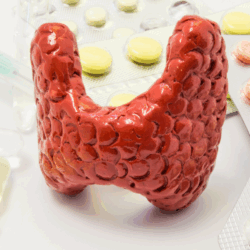
Thyroid hormones (T3 and T4) are essential for regulating metabolism. Low levels (hypothyroidism) can lead to weight gain, low energy, and sluggishness, while high levels (hyperthyroidism) can cause weight loss, anxiety, and restlessness.
Insulin
Insulin regulates blood sugar and fat storage. Poor insulin function (often due to insulin resistance) can lead to increased fat storage, particularly around the belly, making weight loss difficult.
Cortisol
Known as the “stress hormone,” cortisol is released in response to stress. Chronic high levels of cortisol can lead to weight gain, especially in the abdominal area, and can negatively affect sleep and energy.
Estrogen and Progesterone
These female sex hormones play a crucial role in menstrual cycles, pregnancy, and overall health. When estrogen and progesterone are out of balance, it can lead to symptoms like irregular periods, mood swings, weight gain, and hot flashes.
Testosterone
Though often associated with men, women also produce testosterone, which plays a role in muscle mass, libido, and mood. Low testosterone levels in women can lead to fatigue, decreased muscle mass, and low libido.
The Impact of Hormones on Weight Loss
Weight loss is one of the most common struggles for individuals with hormone imbalances. Hormones such as insulin, leptin, thyroid hormones, and cortisol all play significant roles in regulating weight.
Insulin and Weight Gain
When insulin levels are consistently elevated due to poor diet or insulin resistance, your body is more likely to store fat, especially around your midsection. Insulin resistance is often seen in individuals with PCOS, obesity, and metabolic syndrome, and it can make weight loss much more challenging.
Leptin and Appetite Regulation
Leptin is the hormone that signals to your brain when you’re full. When your body becomes resistant to leptin (as often happens in individuals with obesity), you may feel hungrier than normal, leading to overeating and weight gain.
Thyroid Hormones and Metabolism
Low thyroid hormone levels (hypothyroidism) can significantly slow down your metabolism, making it difficult to burn calories efficiently. This can lead to weight gain or difficulty losing weight, even with a healthy diet and regular exercise.
How Hormones Affect Sleep and Energy Levels
Hormones don’t just control weight, they’re also essential for regulating sleep and energy. If you’re tired all the time despite getting adequate rest, or if you struggle with poor sleep quality, hormone imbalances could be the culprit.
Cortisol and Sleep Disruption
Cortisol is essential for regulating your body’s circadian rhythm, but elevated cortisol levels, often due to chronic stress, can interfere with sleep. Cortisol should naturally decrease in the evening to help you relax, but if levels remain high, it can lead to difficulty falling asleep, waking up frequently during the night, or feeling unrested in the morning.
Thyroid Function and Energy
Your thyroid hormones play a critical role in maintaining energy levels. Low thyroid function can cause chronic fatigue, weakness, and lethargy, which often affects your ability to perform daily tasks or exercise.
Melatonin and Sleep
Melatonin is the hormone responsible for regulating your sleep-wake cycle. Imbalances in melatonin levels can lead to insomnia or poor sleep quality, making you feel groggy and fatigued throughout the day.
The Role of Hormones in Mental Health
Hormonal imbalances can also have a profound impact on mental health. Fluctuations in estrogen, progesterone, and testosterone can affect mood, cognition, and overall mental well-being.
Estrogen and Mood Swings
Estrogen affects the production of serotonin, a neurotransmitter that regulates mood. When estrogen levels drop (as they do during menopause), it can lead to feelings of anxiety, irritability, and depression.
Progesterone and Anxiety
Progesterone has a calming effect on the brain, and low levels can contribute to anxiety and insomnia. This is especially common during perimenopause when progesterone levels begin to fluctuate.
Testosterone and Mood
Low testosterone levels in women can lead to feelings of irritability, depression, and decreased motivation. Testosterone also plays a role in energy and focus, so imbalances can lead to brain fog and lack of mental clarity.
How Hormone Imbalances Relate to PCOS, Menopause, and More
Hormonal imbalances are often the underlying cause of various health conditions, including PCOS and menopause.
PCOS and Hormonal Imbalances
PCOS (Polycystic Ovary Syndrome) is a condition that causes an imbalance in estrogen, progesterone, and testosterone. This leads to symptoms such as irregular periods, weight gain, excess body hair, and difficulty losing weight. Managing insulin resistance and balancing testosterone levels can help women with PCOS regain control of their weight and improve overall health.
Menopause and Hormonal Changes
During menopause, the body undergoes a natural decrease in estrogen and progesterone production. This can cause symptoms like weight gain, hot flashes, night sweats, and mood swings. Hormone replacement therapy (HRT) is commonly used to alleviate these symptoms by restoring hormonal balance.
What Can You Do to Optimize Your Hormones?
The good news is that hormonal imbalances are treatable. Here are some steps you can take to optimize your hormones and improve your overall health:
Lab Testing for Hormone Imbalances
The first step in addressing hormone imbalances is getting lab testing. Tests like the GI-MAP, DUTCH, and blood tests can measure hormone levels and identify any imbalances. Understanding your baseline hormone levels allows for more accurate and effective treatment.
Hormone Replacement Therapy (HRT)
For individuals experiencing menopause or low estrogen, HRT can help restore hormone levels and alleviate symptoms like hot flashes, weight gain, and mood swings.
Peptide Therapy for Hormone Optimization
Peptides are short chains of amino acids that can help stimulate the release of growth hormones and regulate metabolism. Peptide therapy can be an effective option for hormone optimization, particularly for individuals with growth hormone deficiencies.
Diet and Lifestyle Changes
A balanced diet, rich in whole foods and low in refined sugars, can support hormone health. Foods like healthy fats (avocados, olive oil) and cruciferous vegetables (broccoli, cauliflower) can help regulate estrogen levels. Regular exercise, adequate sleep, and stress management are also essential for maintaining balanced hormones.
FAQs on Hormones and Health
Q1: How do I know if my hormones are out of balance?
If you’re experiencing unexplained weight gain, fatigue, mood swings, or sleep disturbances, hormonal imbalances may be the cause. Hormone testing can confirm imbalances.
Q2: How do hormones affect my metabolism?
Hormones like insulin, thyroid hormones, and cortisol regulate metabolism. Imbalances in these hormones can slow down or speed up metabolism, leading to weight changes.
Q3: Can I balance my hormones naturally?
Yes, lifestyle changes such as diet, exercise, and stress management can help optimize hormone levels. Some individuals may also benefit from supplements or peptide therapy.
Q4: What is hormone replacement therapy (HRT)?
HRT involves replacing hormones that the body is no longer producing, such as estrogen and progesterone, to alleviate symptoms of menopause and other hormonal issues.
Q5: How can peptide therapy help with hormone balance?
Peptide therapy can stimulate the production of growth hormones, regulate metabolism, and support overall hormone balance, especially in individuals with deficiencies.
Conclusion
Hormonal imbalances are often the hidden cause behind many health issues, from weight gain and fatigue to poor sleep and mood swings. The good news is that these imbalances can be identified and treated through lab testing, hormone replacement therapy, and peptide therapies. If you’re ready to optimize your hormones and reclaim your energy and vitality, it’s time to take the first step.
Book a free health consult with us today and start your journey toward hormone optimization.
References:
- PubMed – “The Impact of Hormones on Metabolism and Weight Loss”
- NIH – “Hormonal Imbalances and Sleep Disorders: Understanding the Connection”
- JAMA – “Clinical Approaches to Managing Hormonal Imbalances in Women”
About Us
1st Optimal is a functional medicine and performance health clinic dedicated to helping high-achieving adults optimize hormone health, weight, energy, and longevity. Follow 1st Optimal on Instagram
Founders:
- Joe Miller – Expert in functional medicine, hormone optimization, and health coaching. Follow Joe on Instagram
- Amber Miller – Operational leader specializing in patient experience, clinic growth, and holistic health. Follow Amber on Instagram
At 1st Optimal, we combine advanced diagnostics, personalized protocols, and coaching partnerships to deliver sustainable health results for midlife adults.