
Introduction
Hair loss affects millions of individuals, especially those between the ages of 35 and 55, often leading to decreased confidence and emotional distress. While hair loss is a common issue, understanding its root causes and knowing the right treatments and solutions can help prevent further thinning and stimulate hair growth. This guide will explore everything you need to know about hair loss causes, treatments, and solutions for hair growth. Whether it’s through hormonal therapy, nutritional adjustments, or medical treatments, we’ll cover the best methods to maintain healthy, vibrant hair.
At 1st Optimal, we specialize in personalized health optimization, and this post aims to offer evidence-based insights into how you can restore and maintain healthy, vibrant hair.
What Causes Hair Loss?
Hair loss can result from a range of causes, from hormonal imbalances to genetics, stress, and nutritional deficiencies. It is important to identify the underlying causes of your hair loss so you can pursue the appropriate treatment.
Hormonal Imbalances
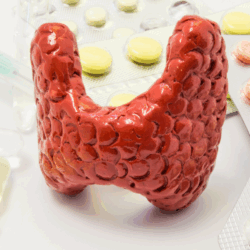
Hormones are one of the most common causes of hair loss, especially among women. Hormonal shifts during menopause, pregnancy, or polycystic ovary syndrome (PCOS) can disrupt the normal hair growth cycle. Thyroid dysfunction can also cause hair thinning, as the thyroid gland regulates metabolic functions that influence hair follicle health.
Genetics
One of the leading contributors to hair loss is hereditary factors. Male pattern baldness and female pattern baldness are inherited conditions that cause gradual hair thinning and eventual baldness in some areas of the scalp. Genetic predispositions affect the size of hair follicles, causing them to shrink and produce thinner strands of hair over time.
Stress
Chronic stress is a major contributor to telogen effluvium, a condition where hair follicles prematurely enter the shedding phase. Stress triggers the release of cortisol, a hormone that can negatively impact hair follicles and disrupt the normal hair growth cycle.
Nutritional Deficiencies
Deficiencies in certain vitamins and minerals can severely impact hair growth. Iron, biotin, vitamin D, and omega-3 fatty acids are all crucial for maintaining strong, healthy hair. Proper nutrition is essential for healthy hair, and deficiencies in these key nutrients can lead to hair thinning or shedding.
Medications
Certain medications can cause hair loss as a side effect. Chemotherapy drugs, antidepressants, and medications for high blood pressure may affect the hair growth cycle, leading to temporary or permanent hair thinning. If you suspect a medication is affecting your hair health, consult your healthcare provider for alternatives.
How to Stimulate Hair Growth Naturally
Several natural methods can help stimulate hair growth and improve the overall health of your hair. These approaches focus on nourishing the scalp and promoting circulation to hair follicles.
Scalp Massages
Massaging the scalp is a simple and effective way to stimulate hair growth. Scalp massages increase blood circulation, helping deliver more nutrients to the hair follicles. Try massaging your scalp daily using rosemary oil, an essential oil known for its ability to support hair health.
Balanced Diet
A nutrient-rich diet supports the hair follicles and can help stimulate hair growth. Focus on including foods rich in biotin, zinc, iron, omega-3 fatty acids, and vitamin D. These nutrients contribute to healthy hair and overall wellness.
Proper Hair Care
Avoid using harsh chemicals and minimize excessive heat styling, as these can damage the hair and inhibit growth. Choose sulfate-free shampoos and conditioners, and allow your hair to air dry whenever possible to reduce breakage.
Effective Medical Treatments for Hair Loss
While natural remedies can help, there are also medical treatments and interventions that can significantly improve hair health. Whether you are dealing with mild thinning or more advanced hair loss, various treatment options are available.
Minoxidil
Minoxidil is an FDA-approved topical solution that is commonly used for male pattern baldness and female hair thinning. This medication works by expanding blood vessels in the scalp, which encourages hair follicles to produce thicker, healthier strands.
Finasteride
Finasteride is a prescription medication for men that works by blocking DHT, a hormone that causes hair follicles to shrink. By inhibiting DHT production, finasteride helps reduce hair loss and promote hair growth in individuals suffering from male pattern baldness.
Hair Transplantation
A hair transplant is a surgical procedure that involves moving healthy hair follicles from one part of the scalp to another, restoring thicker hair in areas affected by thinning or baldness. It is a permanent solution for more severe cases of hair loss and can provide natural-looking results.
Platelet-Rich Plasma (PRP) Therapy
PRP therapy involves drawing a small amount of your blood, processing it to concentrate the platelets, and injecting it back into the scalp. The platelets contain growth factors that stimulate hair follicles and promote hair regrowth. PRP is gaining popularity as a non-invasive treatment for hair loss.
Micro needling
Micro needling involves using tiny needles to create micro-injuries in the scalp, which encourages collagen production and improves blood flow to hair follicles, promoting hair growth. Micro needling can be combined with topical treatments like minoxidil for better results.
Nutrition and Supplements for Healthy Hair
Proper nutrition is critical for healthy hair growth. If you are experiencing hair thinning or loss, consider adding the following vitamins and supplements to your diet:
Biotin
Biotin is a water-soluble B vitamin that plays a key role in the production of keratin, a protein that makes up the majority of your hair. It is a popular supplement used to promote hair growth and prevent thinning.
Vitamin D
Vitamin D is crucial for hair follicle cycling. A deficiency in vitamin D has been linked to alopecia areata and other forms of hair loss. Getting adequate vitamin D through supplements or sunlight exposure can help maintain healthy hair.
Omega-3 Fatty Acids
Omega-3 fatty acids, found in foods like salmon, chia seeds, and walnuts, support the scalp’s health and help prevent dryness and inflammation. These essential fatty acids nourish the hair follicles, improving hair growth.
Iron
Iron deficiency is one of the most common nutritional causes of hair loss, particularly in women. Low iron levels can result in hair shedding and slow growth. Ensure your diet includes iron-rich foods such as spinach, lentils, and red meat.
Understanding Different Types of Hair Loss
There are several types of hair loss, each with its own cause and treatment options. Some of the most common types include:
Telogen Effluvium
Telogen effluvium occurs when stress, illness, or a traumatic event causes hair follicles to enter the shedding phase prematurely. This condition typically results in diffuse hair loss across the scalp but can be reversible once the underlying cause is addressed.
Alopecia Areata
Alopecia areata is an autoimmune condition in which the body attacks its own hair follicles, resulting in patchy hair loss. While this condition can be distressing, it is treatable, and hair often regrows with proper care.
Male and Female Pattern Baldness
This genetic form of hair loss is characterized by a receding hairline and thinning at the crown in men, while women experience diffuse thinning throughout the scalp. Both conditions are treatable with medications like minoxidil and finasteride.
Advanced Hair Restoration Techniques
PRP Therapy
A non-surgical treatment that uses your own blood’s platelets to stimulate hair growth by injecting them into the scalp.
Micro needling
Tiny needles are used to puncture the skin, which encourages the production of collagen and enhances hair follicle health.
Hair Growth Serums
These topical solutions, such as minoxidil and biotin-infused formulas, are designed to target hair follicles and encourage growth.
FAQs About Hair Loss and Growth
Q1: Why is my hair falling out?
Hair loss can result from hormonal imbalances, stress, nutritional deficiencies, or medical conditions.
Q2: How can I grow my hair faster?
Maintain a balanced diet, avoid excessive heat styling, and use products with biotin and keratin.
Q3: Can stress cause hair loss?
Yes, high levels of stress can trigger telogen effluvium, causing temporary hair shedding.
Q4: What are the most effective treatments for hair loss?
Minoxidil, finasteride, hair transplant surgery, PRP therapy, and microneedling are all effective treatments for hair loss.
Q5: Can hair loss be reversed?
With early intervention and the right treatment plan, it’s often possible to slow or even reverse hair loss.
Conclusion: Taking Control of Your Hair Health
Hair loss is a multifaceted issue, but it’s not one you have to face alone. By understanding the underlying causes and pursuing the right treatments, you can take proactive steps to restore and maintain healthy hair. Whether through dietary changes, medical treatments like minoxidil and PRP, or lifestyle adjustments, the key is starting early and committing to a personalized plan.
Next Steps:
Ready to take control of your hair health? Book a free consult with one of our expert coaches today and discover how 1st Optimal can help you optimize your hair growth, wellness, and overall performance.