
You’re doing all the right things—eating well, exercising, and trying to manage stress—but you still feel completely exhausted. It’s a frustrating cycle that can make your efforts feel pointless. When your energy levels don’t match the work you’re putting in, it’s often a sign that something deeper is at play. The problem isn’t your willpower; it’s a physiological imbalance that standard check-ups can miss. To truly solve persistent fatigue, you have to look beyond the surface and uncover the root cause. Here, we’ll show you how functional coaching uses a data-first approach to build a targeted plan for recovery.
Understanding the Root of Fatigue: Burnout vs. Chronic Illness
Feeling constantly drained is more than just an inconvenience—it’s a signal that something is off balance. For high-performers, it’s easy to dismiss persistent exhaustion as a normal side effect of a demanding career and a full life. You might tell yourself you just need to push through, get more sleep, or drink more coffee. But what if the fatigue you’re experiencing isn’t just tiredness? What if it’s a sign of burnout or, in some cases, an underlying chronic illness? Distinguishing between these conditions is the first step toward reclaiming your energy and performance. The key is to look beyond the surface-level symptoms and investigate the root cause, which often requires a data-driven approach to understand what’s truly happening inside your body.
Burnout and chronic fatigue can feel similar, but their origins and solutions are very different. Burnout is typically a response to prolonged external stressors, like an overwhelming workload or a lack of personal-professional balance. Chronic illness, on the other hand, stems from complex internal dysfunctions. Simply taking a vacation might help with burnout, but it won’t resolve a deeper physiological issue. That’s why a thorough evaluation is so important. At 1st Optimal, we start with comprehensive lab testing to get a clear picture of your health, looking at everything from hormone levels and gut health to stress markers. This allows us to identify the specific factors contributing to your fatigue and create a personalized plan to address them directly.
What is Burnout? A Modern Epidemic
Burnout isn’t just feeling tired after a long week; it’s a state of prolonged physical and emotional exhaustion. According to the Functional Medicine Coaching Academy, it often stems from long-term stress, an excessive workload, and a poor work-life balance. It can manifest as deep emotional fatigue, a sense of cynicism or detachment from your work, and a feeling of ineffectiveness, no matter how hard you try. For driven professionals, this can be particularly frustrating. You’re used to seeing your efforts translate into results, but with burnout, you can feel like you’re spinning your wheels, completely drained of the energy and passion that once fueled you. It’s a state where rest feels insufficient and motivation is hard to find.
The 12 Silent Signs of Burnout
Because burnout can develop gradually, its signs are often easy to overlook until they become overwhelming. Many high-achievers are conditioned to ignore these signals, viewing them as temporary hurdles to overcome. However, recognizing them early is crucial for preventing long-term health consequences. The Functional Medicine Coaching Academy highlights several key indicators that you might be heading toward or are already experiencing burnout. If you find yourself nodding along to several items on this list, it may be time to reassess your current state of well-being and take proactive steps to address the underlying stress.
Pay attention to these common signs:
- Feeling completely drained and exhausted
- A noticeable decline in your work performance
- Becoming negative, cynical, or detached
- Getting easily annoyed or irritable
- Physical symptoms like constant tiredness or trouble sleeping
- Losing interest in your work or passions
- Finding it difficult to focus or concentrate
- Withdrawing from friends, family, or colleagues
- Relying on unhealthy coping mechanisms
- Neglecting your own self-care
- Doubting your skills and accomplishments
The Neuroscience Behind Burnout and Its Health Consequences
When burnout goes unaddressed, it does more than just affect your mood and productivity; it creates real, measurable physiological changes in your body. The chronic stress that fuels burnout keeps your adrenal glands in overdrive, leading to dysregulated cortisol levels—your body’s primary stress hormone. This hormonal imbalance can disrupt your sleep patterns, contribute to anxiety and depression, and weaken your immune system, making you more susceptible to getting sick. Over time, this state of high alert can also impair cognitive function, making it harder to think clearly and solve complex problems. Understanding these health consequences is critical, as they show that burnout is a serious condition that requires a targeted approach to heal both the mind and the body.
When It’s More Than Burnout: Chronic Fatigue Syndrome (ME/CFS)
Sometimes, profound fatigue isn’t a response to external stress but a symptom of a complex medical condition known as Myalgic Encephalomyelitis/Chronic Fatigue Syndrome (ME/CFS). Unlike burnout, ME/CFS is a debilitating illness characterized by extreme fatigue that doesn’t improve with rest and is often worsened by physical or mental activity. According to research published in PMC, it’s a complex condition with a wide range of symptoms that can make diagnosis difficult. The conversation around ME/CFS has become more prominent recently, as many individuals experiencing “long-COVID” report similar, persistent symptoms, highlighting the need for greater awareness and more effective treatment strategies for post-viral fatigue syndromes.
The Health and Economic Impact of ME/CFS
The impact of ME/CFS is significant, affecting not only individual health but also the economy at large. It is estimated that around 0.4% of the population lives with ME/CFS, with a quarter of those cases being severe enough to leave individuals housebound or bedbound. The economic burden is staggering; one study estimates the cost in the U.S. was between $36–$51 billion annually even before the pandemic. With the rise of long-COVID, those figures could climb dramatically. These numbers underscore the seriousness of the condition and the urgent need for accurate diagnosis and supportive care. If your fatigue is persistent, severe, and accompanied by other unexplained symptoms, it’s essential to seek a medical evaluation to rule out or confirm an underlying illness like ME/CFS.
Is Your Mindset Holding Your Fitness Back?
Mental resilience is the ability to stay focused and persevere in the face of challenges. For many, the road to fitness involves both physical and psychological obstacles. It’s important to understand that a slight weight fluctuation or a day where you feel less motivated does not define your journey. Developing a mindset that views these obstacles as part of the process is essential.
Why the Scale Goes Up and Down (and Why It’s Okay)
Many people experience frustration when they see a few pounds gained overnight, often feeling like they’ve ruined their progress. However, this fluctuation is completely normal and can be caused by a variety of factors, including water retention, food intake, and stress. For instance, after a large meal or increased sodium intake, it’s common for your weight to spike temporarily.
To stay on track, it’s crucial to build mental fortitude. This means accepting these fluctuations as temporary and not letting them derail your long-term goals. One strategy is to track your weight daily, but focus on the weekly average rather than day-to-day changes. This allows you to see trends rather than reacting to small, normal fluctuations.
Celebrate Small Wins to Build Lasting Resilience
For many individuals, building habits step by step is key to creating long-lasting change. Small wins like hitting your daily step count, drinking enough water, or consistently eating balanced meals can build confidence and momentum. Over time, these seemingly minor victories compound, leading to more significant results.
-
Start with small, manageable goals: If you are new to exercise or weight loss, don’t aim to make drastic changes all at once. Begin with achievable goals, like walking an extra 1,000 steps a day or incorporating more vegetables into your meals.
-
Celebrate the small victories: Every time you meet a goal, even if it feels small, take a moment to recognize your effort. This can be a powerful motivator that helps you keep going.
Why Patience Is Your Secret Weapon for Fitness
One of the hardest aspects of fitness is learning to trust the process. Fitness progress is not always linear, and setbacks are normal. It’s important to understand that building muscle, losing fat, and improving overall health take time. Having patience and focusing on long-term progress will help you maintain motivation through tough periods.
How Functional Coaching Can Help You Reclaim Your Energy
If you’re consistently feeling drained despite your best efforts with diet and exercise, it might be time to look deeper. Persistent fatigue isn’t just a minor inconvenience; it’s a significant barrier to performing at your best in your career and personal life. This is where functional health coaching comes in. It’s a specialized approach designed to move beyond surface-level symptoms and identify the root causes of your energy depletion, whether it’s burnout from a demanding schedule or an underlying health issue that needs attention.
The Role of a Functional Fatigue Coach
A functional fatigue coach acts as your personal health strategist, helping you manage chronic fatigue, burnout, and low energy. Unlike a generic wellness plan, this type of coaching is highly personalized. A coach works with you one-on-one to understand your unique lifestyle, stressors, and health history. They help you implement targeted strategies for nutrition, sleep, stress management, and movement that are based on your body’s specific needs. This partnership is about creating a sustainable plan to rebuild your energy from the ground up, giving you the tools and accountability needed to make lasting changes and get back to feeling like yourself.
Coaching vs. Therapy: A Forward-Looking Approach
It’s helpful to understand how coaching differs from therapy. While therapy often explores past events to understand present feelings, coaching is fundamentally forward-looking and solution-oriented. A functional coach focuses on where you are now and where you want to go, helping you build practical, actionable steps to reclaim your vitality. This approach is especially effective for high-performers who are ready to take decisive action. Instead of just talking about why you’re tired, you’ll work with your coach to actively implement strategies that directly address the physiological and lifestyle factors draining your energy.
The Power of an Integrative Care Team
Complex issues like chronic fatigue rarely have a single cause, which is why a team-based approach is so effective. An integrative care team brings together experts—like a functional medicine practitioner, a health coach, and a nutritionist—to create a truly holistic plan. This model is built on three critical pillars: a holistic perspective, a multidisciplinary team, and your active engagement in the process. It starts with comprehensive, data-driven diagnostics to get a complete picture of your health, from hormone levels and gut health to nutrient deficiencies. This allows your team to collaborate on a strategy that addresses your health from every angle, ensuring no stone is left unturned in your journey back to optimal energy and performance.
Your Game Plan for Sustainable Nutrition and Training
Effective training and nutrition are key to any fitness plan, but it’s important to approach them in a way that fits your lifestyle and goals. Whether you are an athlete or simply looking to improve your health, finding a balance between nutrition, exercise, and recovery is crucial.
Eating for Energy, Not Just for the Scale
Eating the right foods in the right amounts helps fuel your body for optimal performance and recovery. Your nutrition plan should be tailored to your individual needs, but there are a few basic principles that everyone can follow:
- Balanced Macronutrients: A balanced diet that includes lean protein, healthy fats, and complex carbohydrates is crucial for overall health. Protein is particularly important for muscle repair and growth, while healthy fats support hormone production and joint health.
- Hydration: Staying hydrated is just as important as eating the right foods. Proper hydration supports digestion, energy levels, and recovery. After a tough workout or weight cut, it’s essential to replenish lost fluids and electrolytes. This can be done through electrolyte drinks and water-rich foods like watermelon.
- Carbohydrates for Energy: Contrary to some myths, carbohydrates are not the enemy. In fact, they are a crucial energy source, especially for high-intensity training and performance. Incorporating whole grains, fruits, and vegetables into your diet can provide sustained energy throughout the day.
Dietary Strategies to Fight Chronic Fatigue
What you eat has a direct line to your energy levels, and when you’re dealing with persistent fatigue, your diet can either be a powerful ally or a significant obstacle. There isn’t a single magic diet that works for everyone, because individual responses to food vary. The key is to identify what works for your body. A great starting point is to reduce foods known to cause inflammation, such as processed sugars, fried foods, and processed meats. Instead, focus on incorporating more anti-inflammatory foods like fatty fish, olive oil, and leafy greens. This shift helps lower the overall inflammatory load on your body, which can be a major drain on your energy reserves.
To take this a step further, try keeping a food and symptom journal for a few weeks. By logging what you eat and how you feel each day, you can start to connect the dots between certain foods and your energy slumps or other symptoms. This personalized, data-driven approach helps you pinpoint specific triggers that might be unique to you. It’s a simple yet effective way to gather insights that can inform smarter dietary choices. Uncovering these patterns is often the first step toward building a nutritional strategy that supports sustained energy and helps you feel your best day in and day out.
The Link Between Gut Health and Fatigue
If you’re constantly feeling drained, it’s worth looking at your gut health. The gut is intricately connected to nearly every system in your body, including your energy production pathways and immune system. An imbalance in your gut microbiome—the collection of bacteria and other microbes in your digestive tract—can lead to systemic inflammation, poor nutrient absorption, and a compromised immune response, all of which are significant contributors to fatigue. Issues like leaky gut, food sensitivities, or underlying gut infections can place a heavy burden on your body, constantly diverting resources and leaving you feeling exhausted no matter how much you rest.
A holistic approach is essential for lasting energy recovery. Addressing gut health isn’t just about diet; it also involves managing stress and making supportive lifestyle changes. For high-performing individuals, understanding the specific state of your gut is critical. Advanced diagnostic tools, such as a GI-MAP test, can provide a detailed picture of your gut microbiome, identifying imbalances or pathogens that could be the root cause of your fatigue. This information allows for a targeted plan to restore gut function, which is a foundational piece of reclaiming your vitality and mental clarity for the long haul.
Smarter Training Strategies That Actually Work
Training should be varied and adapted to your fitness level. When starting out, it’s important to keep the intensity manageable to avoid burnout and injury. Gradually increase your training volume and intensity as your body adapts.
-
Strength training: Incorporating weightlifting into your routine is essential for building lean muscle and improving metabolic rate. Many people, especially women, are hesitant about lifting weights because they fear getting bulky. However, building strength through resistance training will improve your body composition, making you stronger and more resilient.
-
Cardio for Heart Health: Cardiovascular exercises, like walking, running, or cycling, support heart health and endurance. For general health, aim for at least 150 minutes of moderate-intensity cardio per week, which can be broken down into 30-minute sessions five times a week.
-
Flexibility and Mobility: Don’t forget to include stretching or mobility exercises in your routine. This will help you recover faster, prevent injuries, and maintain a full range of motion as you age.
Understanding Post-Exertional Malaise (PEM)
For many high-performers, pushing through fatigue is a badge of honor. But what happens when that fatigue isn’t just from a tough week at work or an intense workout? This is where Post-Exertional Malaise (PEM) comes in. It’s a hallmark symptom of Myalgic Encephalomyelitis/Chronic Fatigue Syndrome (ME/CFS) and involves a severe worsening of symptoms after even minor physical or mental effort. This isn’t the satisfying ache of muscle growth; it’s a debilitating crash that can bring on flu-like symptoms, brain fog, and profound exhaustion lasting for days. Recognizing this difference is crucial, as treating PEM like regular tiredness can trap you in a cycle of exertion and collapse, making any real progress feel out of reach.
A Critical Look at Controversial Exercise Therapies
In the past, you might have been told to just exercise more to fight fatigue. Graded Exercise Therapy (GET), a plan involving a steady increase in physical activity, was a common recommendation. However, this approach is now heavily debated for people with chronic fatigue conditions. For someone experiencing PEM, a generic exercise plan can be counterproductive, triggering severe relapses and worsening their overall health. This underscores the need for a highly personalized strategy. Instead of pushing through, the goal is to understand your body’s unique limits and find a sustainable level of activity that supports recovery without causing a setback. This approach, often called “pacing,” is about working with your body, not against it.
Exploring Holistic Treatments for Chronic Fatigue
When persistent exhaustion becomes a part of your daily routine, finding effective relief is critical. While conventional medicine provides a solid foundation, a holistic approach can offer complementary strategies that address your well-being from all angles. This means looking at the interconnectedness of your mind and body to build a comprehensive plan for reclaiming your energy. By integrating supportive practices and targeted nutrition, you can create a more resilient system capable of managing the complex symptoms of chronic fatigue.
Mind-Body Healing Approaches
The connection between mental stress and physical exhaustion is undeniable, especially for high-performing individuals who are constantly juggling demands. Mind-body practices are designed to calm the nervous system, reduce pain, and restore energy by addressing this link directly. Techniques such as acupuncture, gentle massage, and mindfulness meditation can be incredibly effective for quieting the noise. Similarly, practices like yoga and tai chi combine slow, deliberate movements with deep breathing to ease tension and improve physical stamina without over-exerting an already tired body. These methods aren’t just about relaxation; they are strategic tools to help you manage symptoms and build a stronger foundation for recovery.
Nutritional Supplements for Energy Support
While a balanced diet is fundamental, sometimes your body needs more targeted support to function optimally. Certain nutritional supplements have shown promise in helping people with chronic fatigue. Studies have explored the benefits of NADH, a coenzyme involved in energy production; magnesium, which is essential for muscle function; and omega-3 fatty acids, known for their anti-inflammatory properties. However, supplementation is not a one-size-fits-all solution. Before adding anything new to your routine, it is essential to talk to your doctor. A data-driven approach is always best—that’s why at 1st Optimal, we use comprehensive lab testing to identify specific deficiencies and create a personalized plan, ensuring any supplements you take are precisely what your body needs.
What Can Blood Work Tell You About Your Fitness and Fatigue?
Comprehensive blood testing is a powerful tool in understanding your overall health and optimizing your fitness journey. Blood work can help identify underlying health issues, nutritional deficiencies, and areas for improvement. For instance, a full blood panel can measure things like:
-
Lipid Profile: This measures cholesterol and triglyceride levels, which are important for heart health. If your levels are outside of the healthy range, it may be time to focus on improving your diet and increasing physical activity.
-
Blood Sugar Levels: Monitoring your blood glucose and HbA1c levels helps identify insulin resistance or pre-diabetes, which can affect fat loss and energy levels.
-
Inflammatory Markers: High levels of inflammation in the body can impair recovery and increase the risk of chronic diseases. Regular monitoring can help you manage inflammation through diet, exercise, and supplements.
At 1st Optimal, we offer comprehensive blood testing to provide you with actionable insights into your health. By working with our team of experts, you can tailor your fitness and nutrition plans to align with your specific needs, ensuring the best possible results.
Your Next Steps to a Healthier, Stronger You
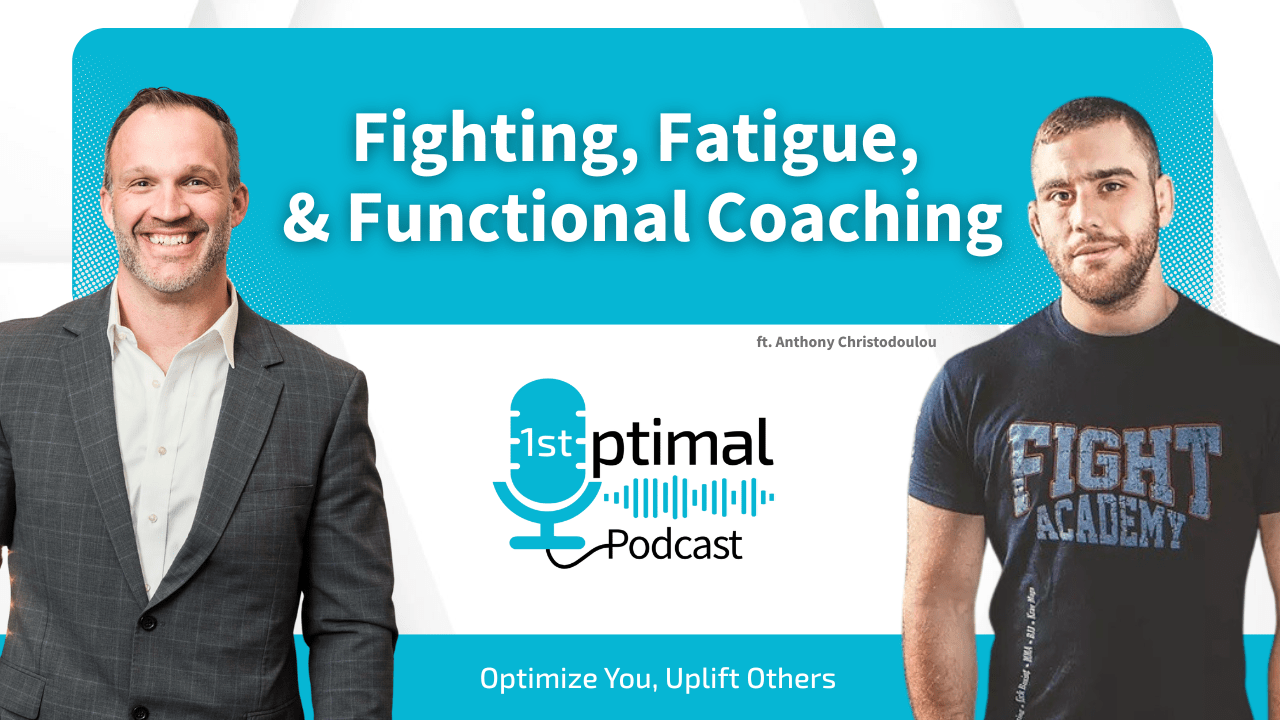
Christodoulou’s journey from obesity to UFC champion, and now as a functional coach, proves that anyone can overcome significant challenges with the right mindset, training, and nutrition. Whether you’re an athlete or just looking to improve your health, adopting small changes, focusing on mental toughness, and leveraging personalized coaching can help you achieve your goals. Start your transformation today with personalized health assessments and expert guidance.
Book a call now and start your journey to optimal health!
Frequently Asked Questions
I feel exhausted all the time, but my regular doctor says my blood work is normal. What’s next? This is an incredibly common and frustrating situation. A standard blood panel is a great starting point, but it often doesn’t provide the full picture of your health. Functional testing goes much deeper, looking at things like hormone metabolites, gut microbiome health, stress hormone patterns, and specific nutrient deficiencies. These advanced diagnostics can uncover the subtle imbalances that standard tests miss, giving you a clear, data-driven explanation for why you feel so drained.
How can I tell if I’m just burned out from my job or if it’s a more serious health issue? While burnout and chronic illness can feel similar, a key difference often lies in their triggers and how you respond to rest. Burnout is typically a response to prolonged external stress, and while it’s a serious state of exhaustion, a true break or change in circumstances can lead to improvement. With a condition like ME/CFS, the fatigue is profound and often worsens after even minor physical or mental effort, a symptom known as Post-Exertional Malaise. Rest alone doesn’t resolve it, which is a strong signal that a deeper physiological issue is at play.
What exactly does a functional fatigue coach do that’s different from a therapist? It’s helpful to think about their focus. Therapy is an invaluable tool for exploring how your past experiences and emotional patterns affect your present well-being. A functional coach, on the other hand, takes a forward-looking, action-oriented approach. They partner with you to implement practical, personalized strategies based on your health data. The goal is to build sustainable habits around nutrition, sleep, and stress management that directly address the physiological root causes of your fatigue and help you reclaim your energy.
I’ve heard that exercise can make chronic fatigue worse. How do I know what’s safe? You’re right to be cautious, as this is a critical point. For individuals with conditions that involve Post-Exertional Malaise (PEM), a generic “push through it” exercise plan can be counterproductive and even harmful, leading to a significant worsening of symptoms. A safe approach is highly personalized and focuses on “pacing”—learning your body’s unique energy limits and finding a level of gentle movement that supports you without triggering a crash. It’s about working with your body, not against it.
Can’t I just take some supplements or try an anti-inflammatory diet to fix my energy? Dietary changes and supplements can be powerful pieces of the puzzle, but they are most effective when they’re targeted. Without understanding your specific needs, you’re essentially taking shots in the dark. An anti-inflammatory diet is a great general strategy, but comprehensive testing might reveal a specific food sensitivity, a gut infection, or a nutrient deficiency that requires a more precise plan. Starting with data ensures that any changes you make are exactly what your body needs to recover.
Key Takeaways
- Your Fatigue Is a Symptom, Not a Failure: If you’re constantly exhausted despite eating well and exercising, it’s a signal of a deeper imbalance. The first step to recovery is understanding whether you’re facing burnout from external stress or a more complex internal condition.
- Look Beyond Standard Check-Ups for Real Answers: Generic advice won’t solve a complex problem. A data-driven approach using comprehensive lab work is essential to identify the specific root causes of your fatigue, from hormonal imbalances to hidden gut issues.
- Prioritize Gut Health to Reclaim Your Vitality: Your gut health is directly linked to your energy levels and immune function. By focusing on an anti-inflammatory diet and addressing underlying imbalances, you can build a strong foundation for sustained energy and mental clarity.