


When you hear the word creatine, you probably picture a bodybuilder chugging a pre-workout shake. But that’s a seriously outdated view. While it’s famous for its role in muscle energy, the most exciting research is now focused on the brain. Creatine supplementation is emerging as a powerful tool for supporting cognitive function and promoting healthy aging. This isn’t just for athletes anymore. It’s about fueling your brain for the long haul and enhancing your overall well-being.
How Does Creatine Work?
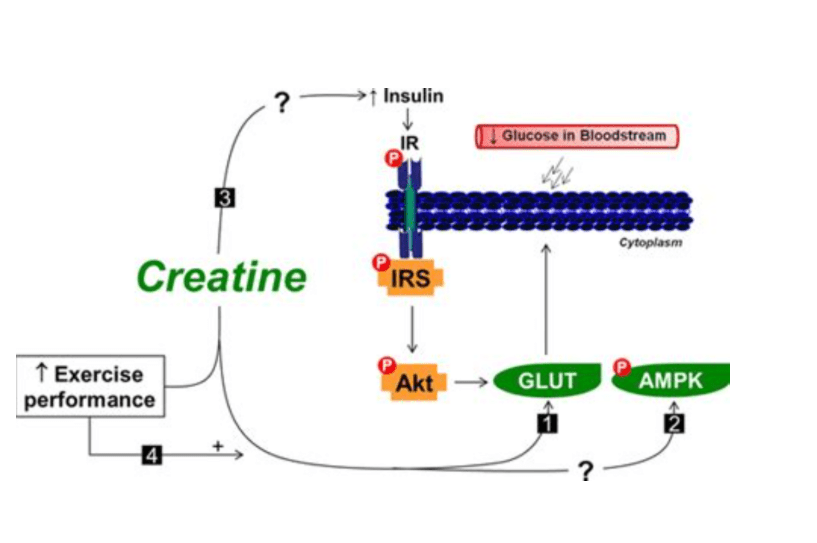
Creatine functions by replenishing adenosine triphosphate (ATP), the primary energy currency of cells. During intense physical exertion, ATP is rapidly depleted. Creatine phosphate donates a phosphate group to adenosine diphosphate (ADP), regenerating ATP and sustaining energy availability. This process enhances the capacity for high-intensity performance and delays muscle fatigue. Notably, creatine is also stored in the brain, where it supports cellular energy metabolism, potentially influencing cognitive functions.
Natural Sources of Creatine
Your body is a pretty efficient machine, and it actually produces about half of the creatine it needs on its own. This internal synthesis happens in the liver, kidneys, and pancreas using amino acids. For the other half, we rely on our diet. The most significant dietary sources of creatine are animal-based, primarily red meat and seafood. Think of foods like beef, pork, and fish like herring or salmon. So, if you regularly include these in your meals, you’re already supplying your body with this valuable compound, supporting the energy stores in your muscles and brain.
While getting creatine from whole foods is a great foundation, the amounts can vary. For example, a pound of uncooked beef or salmon provides about one to two grams of creatine. To reach the levels often used in studies for performance or cognitive benefits—typically five grams or more per day—you would need to eat a very large amount of these foods. This is why many people, especially athletes or those looking to optimize their physical and mental output, consider creatine supplementation. It offers a more direct and practical way to ensure you’re getting a consistent, effective dose without dramatically increasing your meat consumption.
What Can Creatine Supplementation Do For You?
1. Build More Muscle and Strength
Creatine supplementation has been extensively studied and shown to increase muscle mass and strength, particularly when combined with resistance training. This effect is attributed to increased water content in muscle cells and stimulation of muscle protein synthesis.
2. Power Through Your Workouts
By rapidly regenerating ATP, creatine allows for improved performance in high-intensity, short-duration activities such as sprinting and weightlifting. It enhances strength, power, and overall exercise capacity.
3. Sharpen Your Mind
Emerging research suggests that creatine supplementation may enhance cognitive functions, including memory and processing speed, especially under conditions of sleep deprivation or mental fatigue. This is likely due to increased energy availability in brain cells.
4. Protect Your Brain for the Long Term
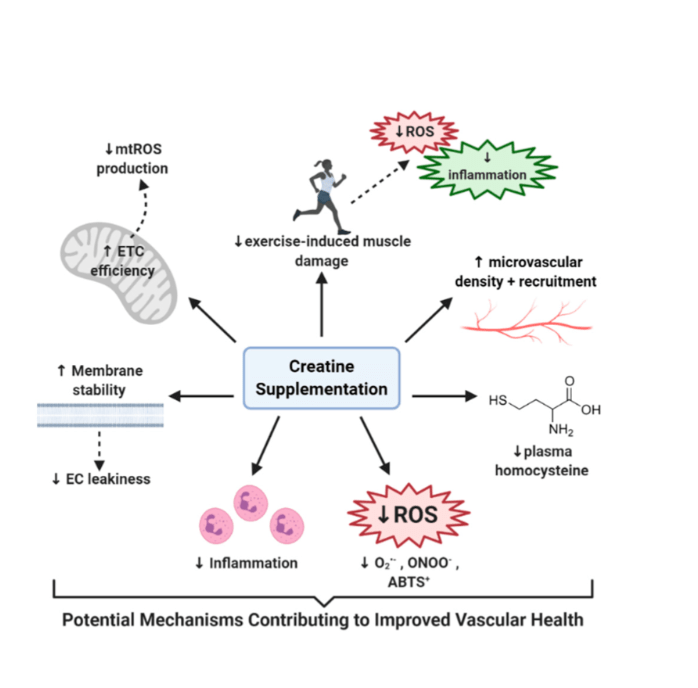
Creatine has shown potential in protecting against neurological diseases such as Parkinson’s and Alzheimer’s by maintaining cellular energy homeostasis and reducing oxidative stress.
5. Support Stronger Bones
Some studies indicate that creatine supplementation, particularly when combined with resistance training, may improve bone mineral density, thereby reducing the risk of osteoporosis.
6. Stay Strong as You Age
In older adults, creatine supplementation has been associated with improved muscle mass, strength, and cognitive function, aiding in the prevention of age-related muscle loss and cognitive decline.
7. Reduce Dehydration and Injury Risk
It might sound counterintuitive, especially given the outdated myths about cramping, but creatine can actually improve your hydration and lower your risk of injury. The magic happens at a cellular level. Creatine encourages your muscle cells to hold more water, which enhances cellular hydration. This isn’t just about aesthetics; well-hydrated muscles are more resilient and function better, especially under stress. This process can also help regulate your body temperature during intense exercise, reducing the risk of heat-related illness and keeping your performance consistent. This improved hydration directly translates to a lower likelihood of muscle cramps and strains.
When your muscles are properly hydrated, they are less susceptible to damage. In fact, a body of research indicates that athletes who supplement with creatine experience fewer instances of cramping, muscle tightness, and overall injuries compared to those who don’t. For high-performing individuals who can’t afford downtime, this is a game-changer. Staying injury-free means you can train more consistently, recover more effectively, and continue pushing toward your goals without frustrating setbacks. It’s a simple yet powerful tool for supporting long-term physical performance and resilience.
How to Take Creatine the Right Way
Starting with a Loading Phase
A common approach involves taking 20 grams of creatine monohydrate daily (divided into four 5-gram doses) for 5–7 days to rapidly saturate muscle stores.
Your Daily Maintenance Dose
Following the loading phase, a daily dose of 3–5 grams maintains elevated creatine levels.
Skipping the Load: A Simpler Approach
Consuming 3–5 grams daily without a loading phase can also increase muscle creatine stores, though saturation may take longer.
Choosing the Best Form of Creatine
When you walk down the supplement aisle or browse online, you’ll see several forms of creatine, from ethyl ester to hydrochloride (HCL). While marketing for newer forms might promise better absorption or fewer side effects, the science consistently points back to one tried-and-true option: creatine monohydrate. It’s the most extensively researched form on the market, and its effectiveness for improving performance and muscle growth is well-established. Creatine monohydrate is simply a creatine molecule paired with a water molecule, delivering about 90% pure creatine by weight. For most people, it’s the most effective and cost-efficient choice to support their fitness goals.
Calculating Your Dose by Body Weight
While a standard 3–5 gram daily dose works well for many, a more precise approach considers your body weight. This ensures you’re getting an optimal amount to saturate and maintain muscle creatine stores. For a loading phase, the common recommendation is to take 0.3 grams of creatine for every kilogram of your body weight. After the initial loading period, you can switch to a maintenance dose of 0.03 grams per kilogram daily. For example, a 175-pound (about 80 kg) person would use around 24 grams during loading (split into smaller doses) and 2.4 grams for maintenance. This personalized method helps optimize your supplementation strategy for your specific needs.
What to Expect if You Stop Taking It
If you decide to stop taking creatine, don’t worry—your muscles won’t disappear overnight. The primary change is that your muscle creatine levels will gradually return to their normal, pre-supplementation baseline. This process typically takes about four to six weeks. During this time, you might notice a slight decrease in muscle fullness, as creatine helps draw water into muscle cells. You may also experience a small reduction in strength and performance during high-intensity workouts, as your body’s ability to rapidly regenerate ATP goes back to its natural state. The strength and muscle you built through training will remain, but the extra edge provided by the supplement will gradually fade.
Is Creatine Supplementation Safe?
Creatine is widely regarded as safe for long-term use in healthy individuals. Some may experience mild side effects, such as water retention or gastrointestinal discomfort, but these are typically transient. It’s advisable to consult a healthcare provider before starting supplementation, especially for individuals with pre-existing kidney conditions.
Understanding Supplement Quality and Regulation
The supplement aisle can feel like the Wild West. Unlike prescription medications, dietary supplements aren’t required to undergo rigorous FDA approval for safety and effectiveness before they hit the market. This means the responsibility for ensuring quality falls largely on the manufacturer, making your choice of brand incredibly important. While creatine is one of the most researched and safest supplements available, its purity can vary significantly between products. Low-quality supplements may contain contaminants or fillers that don’t belong there. For anyone serious about their health, especially high-performers who rely on their body and mind to function at their peak, knowing exactly what you’re consuming is non-negotiable.
Why Third-Party Testing is Key
This is where third-party testing comes in. Independent organizations like NSF Certified for Sport or Informed-Sport verify that a product contains what it says it contains and is free from harmful substances. Choosing a supplement with one of these certifications is the best way to guarantee you’re getting a pure, high-quality product. It removes the guesswork and provides peace of mind, ensuring your investment in your health isn’t compromised by poor manufacturing standards. Think of it as a seal of approval that confirms the label’s accuracy and the product’s safety, allowing you to supplement with confidence.
Potential Side Effects and Misconceptions
Creatine is surrounded by its fair share of myths and misinformation. From fears about kidney damage to confusion about its classification, it’s easy to get the wrong idea. The good news is that decades of scientific research have helped us separate fact from fiction. Most reported side effects are minor and manageable, and many of the more alarming claims have been thoroughly debunked. Let’s clear up some of the most common concerns so you can make an informed decision about whether creatine is right for you and add it to your routine with clarity.
Common Side Effects and How to Manage Them
The most frequently reported side effect of creatine is a slight increase in body weight, typically a few pounds during the first week. This isn’t fat gain; it’s water being pulled into your muscle cells. This process, known as cell volumization, is actually a sign that the creatine is working to hydrate your muscles, which can support performance and growth. For most people, this initial water retention normalizes over time. To minimize any potential for stomach discomfort, make sure you dissolve the creatine powder completely in enough fluid and avoid taking it on an empty stomach.
Debunking the Muscle Cramp Myth
You may have heard that creatine causes muscle cramps and dehydration, but scientific evidence doesn’t back this up. In fact, some studies suggest the opposite. Because creatine pulls water into the muscles, it can actually improve your hydration status and may help reduce the risk of cramping during intense exercise, especially in hot conditions. If you experience cramps, it’s far more likely due to inadequate fluid intake or an electrolyte imbalance rather than the creatine itself. Prioritizing proper hydration throughout the day is always the best practice for preventing cramps, whether you take creatine or not.
Is Creatine a Steroid?
Let’s be perfectly clear: creatine is not a steroid. This is one of the biggest misconceptions out there. Creatine is a naturally occurring compound made from amino acids that helps your body produce energy. Anabolic steroids, on the other hand, are synthetic drugs that mimic testosterone to build muscle. Creatine works through a completely different metabolic pathway and has no impact on your hormone levels. The World Anti-Doping Agency and the International Olympic Committee both permit the use of creatine, confirming its status as a safe and legitimate performance supplement.
Health Considerations and Precautions
While creatine is safe for most healthy adults, responsible supplementation means understanding your own health context. Like any change to your diet or wellness routine, it’s smart to consider the full picture. Certain health conditions warrant a more cautious approach, and it’s always best to be proactive. Paying attention to how your body responds and consulting with a professional when needed ensures you can get the benefits of creatine without any unnecessary risks. This is about making smart, personalized health decisions that align with your long-term goals.
Impact on Kidney and Liver Health Markers
For individuals with healthy kidneys and liver, long-term creatine use has not been shown to cause harm. Extensive research has consistently found it to be safe when taken at recommended doses. It is important to note, however, that creatine supplementation can increase levels of creatinine in your blood—a waste product measured to assess kidney function. This small increase is an expected and harmless byproduct of creatine breakdown, not a sign of kidney damage. Still, it’s a good idea to inform your doctor you’re taking creatine before any lab tests to ensure they interpret your results correctly.
Who Should Talk to a Doctor First
If you have a pre-existing kidney condition or a history of kidney disease, you absolutely must consult your doctor before taking creatine. Your health is unique, and a one-size-fits-all approach to supplementation doesn’t work. A healthcare provider can review your health history and lab work to give you personalized guidance. This is central to our philosophy at 1st Optimal, where we use comprehensive data to create tailored health strategies. A conversation with a medical professional ensures your supplement routine supports your overall wellness goals safely and effectively.
Interaction with Caffeine
The relationship between creatine and caffeine is a topic of debate. Some research suggests that high doses of caffeine (around 5 mg per kg of body weight) might counteract the performance-enhancing effects of creatine. The proposed reason is that they have opposing effects on muscle relaxation time and hydration. While the evidence isn’t conclusive, if you want to get the most out of your creatine, it may be wise to separate your intake. Consider taking your creatine with a meal and enjoying your coffee an hour or two before your workout to ensure you get the full benefit of both.
Why Top Athletes Use Creatine
Creatine’s efficacy is not only supported by scientific research but also by endorsements from renowned athletes and celebrities:
- Mark McGwire: The baseball legend credited creatine with helping him build the massive biceps and forearms that gave him explosive strength necessary for hitting home runs. Relias Media
- Michael Johnson: The Olympic gold medalist and world-record sprinter reportedly used creatine to enhance his performance.
- Patrick Schwarzenegger, the actor and fitness enthusiast, has been associated with creatine use, reflecting its popularity among modern fitness influencers.
FAQs
Q: Is creatine only for bodybuilders?
A: No, creatine benefits a wide range of individuals, including athletes, older adults, and those seeking cognitive enhancement.
Q: Can women take creatine?
A: Yes, creatine is safe and effective for women, offering benefits such as improved strength and potential cognitive enhancements.
Q: Does creatine cause weight gain?
A: Creatine may cause a slight increase in weight due to water retention in muscles, which is typically temporary.Wikipedia
Q: How long does it take to see results from creatine supplementation?
A: Some individuals may notice improvements within a week, especially if following a loading protocol, while others may take longer.
Q: Can I take creatine with other supplements?
A: Yes, creatine can be safely combined with other supplements like protein powders and amino acids.
Real Stories, Real Results
- John D., 28, Athlete: “Since incorporating creatine into my regimen, I’ve experienced significant gains in strength and endurance. It’s a game-changer.”
- Emily R., 35, Fitness Enthusiast: “Creatine has not only improved my workouts but also enhanced my mental clarity. I feel more focused and energized.”
- Mark S., 65, Retiree: “After starting creatine supplements, my muscle mass and overall vitality have noticeably improved. I feel more youthful and active.”
References
- Antonio, J., Candow, D. G., Forbes, S. C., & Roberts, M. D. (2021). Common questions and misconceptions about creatine supplementation: What does the scientific evidence really show? Journal of the International Society of Sports Nutrition, 18(1), 13.
- Gualano, B., & Rawson, E. S. (2018). Creatine supplementation in the aging population: effects on skeletal muscle, bone and brain. Amino Acids, 50(9), 1493-1506.
- Rawson, E. S., & Venezia, A. C. (2011). Use of creatine in the elderly and evidence for effects on cognitive function in young and old. Amino Acids, 40(5), 1349-1362.
- Creatine: What It Does, Benefits, Supplements & Safety. Cleveland Clinic.Cleveland Clinic+1Cleveland Clinic+1
- Creatine Loading Phase: Research, Benefits, Safety, and How To. Healthline.Cleveland Clinic+2Healthline+2Medical News Today+2
- Creatine for Brain Health - Dosage, Risks, Benefits, & Science. Men’s Health.Men’s Health
- Creatine: The bodybuilding supplement that boosts brainpower. BBC.BBC
- Creatine supplementation: new insights and perspectives on bone and brain health. GSSI.Gatorade Sports Science Institute
- Creatine Interest Fueled by Sports Heroes. Relias Media.Relias Media
- What Do Athletes Need to Know About Creatine? USADA.U.S. Anti-Doping Agency (USADA)
Ready to Optimize Your Health?
At 1st Optimal, we provide personalized guidance on creatine supplementation tailored to your individual needs. Whether you’re an athlete aiming for peak performance, an older adult seeking to maintain muscle mass, or someone interested in cognitive enhancement, our experts are here to assist you.
Contact Us:
- Email: [email protected]
- Phone: (816) 744-6814
- Online Booking: 1stOptimal.com
Empower your health journey with evidence-based strategies and expert support.
Is Creatine Permitted in Sports?
Yes, creatine is permitted for use by athletes. Major governing bodies, including the International Olympic Committee (IOC) and the National Collegiate Athletic Association (NCAA), allow its use. Unlike anabolic steroids or other banned performance-enhancing drugs, creatine is a naturally occurring compound found in foods like meat and fish. It is one of the most extensively researched supplements on the market, with a strong safety profile and proven benefits for high-intensity performance. Its widespread acceptance is based on the fact that it supplements the body’s natural energy systems rather than introducing a synthetic or banned substance. For competitive athletes, it’s a legitimate tool for improving strength, power, and recovery within the rules of their sport.
Creatine for Different Lifestyles and Genders
Creatine isn’t a one-size-fits-all supplement, and its effects can vary based on individual factors like your diet and even your biological sex. Because the primary dietary sources of creatine are animal products, individuals who follow plant-based diets often have lower baseline levels in their muscles, which means they may experience more pronounced benefits from supplementation. Similarly, physiological and hormonal differences between men and women can influence the degree to which each group responds, particularly concerning gains in muscle mass and strength. This doesn’t mean the supplement is less effective for certain groups, but rather that the outcomes can look different.
Understanding these nuances is crucial for tailoring a supplementation strategy that aligns with your specific body and goals. For high-performing individuals, optimizing every aspect of health is key, and that includes knowing how a supplement will interact with your unique physiology. A personalized approach, considering everything from your eating habits to your hormonal profile, ensures you get the most out of creatine. This allows you to move beyond generic advice and create a plan that supports your specific aims, whether you’re looking to build strength, sharpen cognitive function, or support long-term wellness.
Benefits for Vegetarians and Vegans
Since red meat and fish are the main dietary sources of creatine, vegetarians and vegans typically have lower natural stores of it in their muscles. This dietary difference creates a unique opportunity. When individuals on plant-based diets begin supplementing with creatine, they often see more significant improvements in muscle gains and exercise performance compared to their meat-eating counterparts. Supplementation effectively bridges the dietary gap, helping to fully saturate muscle creatine stores. This can lead to noticeable enhancements in strength during resistance training and better output in high-intensity workouts. For those following a plant-based lifestyle, creatine can be an especially powerful tool for supporting both physical and cognitive performance.
How Creatine Affects Men and Women Differently
Creatine is a safe and effective supplement for both men and women, but the results can look a little different. Research shows that while both sexes benefit, men sometimes experience greater gains in strength and muscle mass. This is largely due to hormonal differences, particularly higher baseline levels of testosterone in men, which plays a key role in muscle protein synthesis. However, this doesn’t mean creatine is less valuable for women. Women still see significant improvements in exercise performance, recovery, and mood. Furthermore, some studies suggest creatine may offer unique benefits for women across different life stages, from supporting cognitive function to preserving muscle mass as they age.
Key Takeaways
- Fuel Your Brain, Not Just Your Muscles: Creatine’s most compelling benefits extend to cognitive function, supporting the mental clarity and processing speed essential for high-stakes decision-making and long-term brain health.
- Simplify Your Supplement Strategy: Skip the expensive, hyped-up alternatives and stick with creatine monohydrate. A consistent daily dose of 3-5 grams is scientifically proven to be effective, making it a simple and efficient addition to your routine.
- Verify Quality and Personalize Your Approach: Since supplements aren’t strictly regulated, choose products with third-party testing to ensure purity. For optimal results, consult a healthcare professional to align your supplementation with your unique health data and goals.