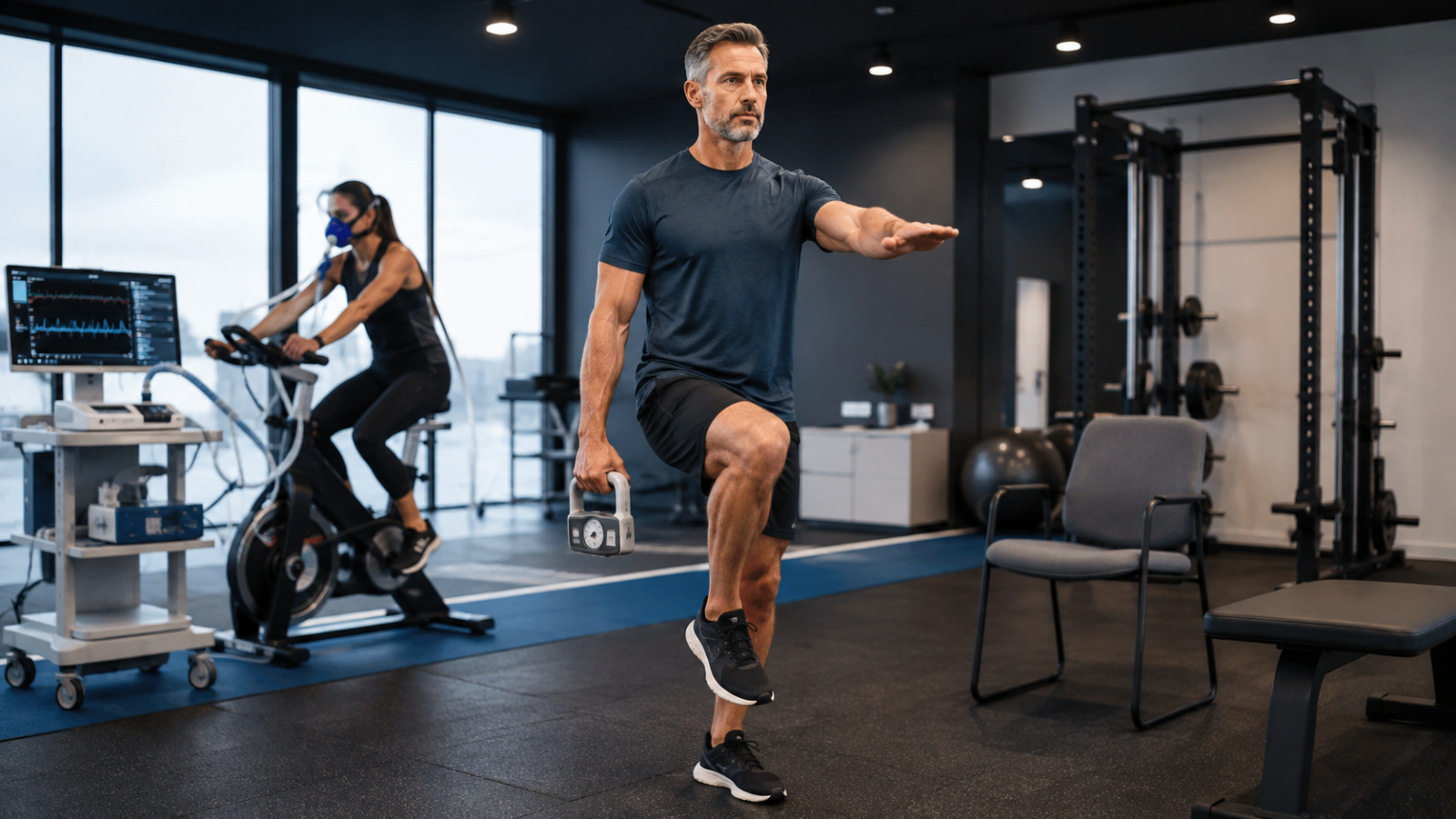


Here’s a biological fact that changes the entire conversation around creatine: women naturally store 70–80% less of it in their muscles than men. This isn’t a disadvantage; it’s an opportunity. Because our baseline reserves are lower, we often experience more noticeable benefits from supplementation, from stronger lifts in the gym to sharper focus during a demanding workday. This physiological difference is precisely why the new science on creatine female hormones is so compelling. It provides a key to understanding how we can support our unique energy needs, especially during periods of high physical or cognitive stress.
Introduction: The New Era of Creatine for Women
Once considered the secret weapon of male athletes, creatine has emerged as a powerful, evidence-based ally for women across every stage of life. From resistance training and muscle tone to cognitive clarity and hormone resilience, the science behind creatine is exploding and more women are taking notice.
Celebrities like Brooke Shields, Ashley Graham, and even Jennifer Aniston have publicly embraced strength training and recovery-focused supplementation. While not all mention creatine by name, the “strong not skinny” movement is propelling performance-supportive nutrition like creatine into the spotlight.
This article unpacks the scientific evidence, real-life stories, and practical strategies behind creatine supplementation for women. Whether you’re pre-menopausal, in midlife, or post-menopausal, creatine may be one of the most underutilized tools in your wellness toolkit.
What Is Creatine and Why Should Women Care?
Creatine is a naturally occurring compound synthesized from three amino acids: glycine, arginine, and methionine. It is found in high concentrations in skeletal muscle, where it fuels rapid ATP (energy) production.
Women, on average, have 20–30% lower intramuscular creatine stores than men. This means supplementation may offer disproportionately greater benefits for women, especially during periods of high physical or cognitive demand.
Natural food sources of creatine include:
- Red meat (beef, pork, lamb)
- Wild-caught fish (salmon, tuna, herring)
- Organ meats (liver, kidneys)
Vegetarians and women with low protein intake may be especially responsive to supplementation.
The Biological Difference: Why Women Have Lower Creatine Stores
It’s not just in your head—there’s a clear biological reason why creatine might feel like a game-changer for women. On average, women have significantly lower baseline creatine stores than men; some studies indicate we store 70–80% less. This difference is often attributed to factors like having less muscle mass on average and dietary patterns that may include less creatine-rich red meat. Because our natural reserves are lower, we may experience more noticeable benefits from supplementation, as we have a larger deficit to correct.
This biological gap can widen even more as we age. During perimenopause and menopause, declining estrogen levels are linked to a further reduction in the body’s ability to produce and store creatine. This hormonal shift can contribute to the loss of muscle and bone density, making it a critical time to focus on strategies that support strength and vitality. Understanding this unique female physiology is the first step in building a more effective and personalized wellness plan that works with your body, not against it.
How Creatine Works: ATP, Muscle, and the Brain
Creatine’s primary role is to replenish ATP, the cellular energy currency, during high-demand activity. This includes:
- Resistance training
- Sprinting
- HIIT sessions
- Cognitive challenges
The body stores creatine as phosphocreatine, which donates a phosphate group to rapidly restore ATP. This results in improved training volume, force output, and recovery.
Research also shows that creatine acts as an osmolyte, pulling water into muscle cells and potentially improving cell signaling for growth and repair.
Creatine for Women in Training: Muscle, Strength, and Definition
Multiple clinical studies show that women supplementing with creatine while resistance training experience:
- Increased fat-free mass
- Improved muscular strength and power
- No significant increase in body fat
A landmark meta-analysis by Smith-Ryan et al. (2021) emphasized that creatine helps female athletes gain muscle without the bulk, by enhancing muscular endurance and reducing fatigue.
Real Story: Rachel, 38, a busy mother of two and part-time distance runner, began creatine supplementation after struggling with plateaued strength in her workouts. Within 6 weeks, she reported stronger lifts, improved post-workout recovery, and less brain fog during her workday.
Boosting High-Intensity Performance
Think of creatine as your body’s rapid-recharge system for high-effort activities. Its primary role is to replenish ATP, the energy currency your cells burn during explosive movements. Whether you’re in a demanding HIIT session, pushing through the last set of squats, or even navigating a high-stakes work project, your body uses ATP at a rapid rate. Creatine steps in to quickly regenerate this energy source, allowing you to sustain a higher output for longer. This means you can achieve more reps, maintain your power throughout a workout, and recover more effectively between sets. This improved capacity not only enhances physical performance but also supports the energy demands of a sharp, focused mind.
Accelerating Muscle Growth with Resistance Training
Let’s clear up the biggest myth right away: creatine will not make you look bulky. In fact, the science points to the exact opposite. Multiple clinical studies show that when women combine creatine supplementation with resistance training, they experience significant gains in lean muscle mass and strength without an increase in body fat. A landmark meta-analysis highlighted that creatine helps female athletes improve muscular endurance and reduce fatigue, creating the ideal conditions for building a strong, defined physique. It supports the development of functional muscle that not only improves your shape and tone but also fires up your metabolism, contributing to better body composition and long-term vitality.
Creatine and the Menstrual Cycle
Hormonal fluctuations impact everything from joint integrity to mental focus. Emerging research indicates that creatine supplementation may offset dips in performance related to low estrogen phases (i.e., the luteal phase).
One study found creatine kinase activity to vary across the cycle, suggesting that creatine may support energy availability during hormonally challenging periods. While clinical guidelines are still developing, some experts suggest consistency in dosing rather than cycling.
How Hormonal Shifts Impact Creatine Needs
Your body’s creatine needs aren’t static; they shift right alongside your hormones. Women naturally have 70–80% lower endogenous creatine stores than men, a difference often compounded by dietary choices, as women may consume less creatine-rich red meat. This baseline difference alone suggests that women have more to gain from supplementation. When you layer in the hormonal fluctuations of the menstrual cycle, pregnancy, and menopause, the demand for creatine can change dramatically. These hormonal shifts affect how your body synthesizes, transports, and utilizes creatine. As a result, supplementing can provide crucial support during periods when your body’s natural production and energy demands are mismatched, helping to stabilize mood, strength, and cognitive function when you need it most.
Timing Your Intake with Your Cycle
So, should you adjust your creatine intake based on your menstrual cycle? While it’s true that low-estrogen phases—like the follicular phase right after your period—are linked to lower creatine kinase activity, the expert consensus points toward consistency. Rather than trying to time your doses, maintaining a steady daily intake of 3–5 grams is the most effective strategy. Think of it as keeping your energy reserves consistently topped off. This ensures your muscles and brain have the fuel they need to manage the metabolic and hormonal demands of your entire cycle. A consistent supply helps smooth out the performance dips you might otherwise feel, particularly during the premenstrual (luteal) phase, making it a reliable tool for month-long stability.
Creatine for Cognitive Function and Mental Clarity
Studies now highlight creatine’s role in brain energy metabolism, especially under stress, sleep deprivation, or high cognitive load. Research in women shows that creatine may:
- Improve working memory and reaction time
- Support mental resilience under sleep loss
- Aid in mood regulation, especially in depressive states
A study by McMorris et al. (2006) showed enhanced cognitive performance during stress in creatine-supplemented groups. Another, published in The Journal of Affective Disorders, linked creatine to improved outcomes in SSRI-resistant depression in adolescent females.
Supporting Mood and Combating Depression
The connection between energy and mood isn’t just a feeling—it’s a biological reality. Your brain is an energy-intensive organ, and when its fuel reserves are low due to stress or high cognitive demands, it can impact everything from focus to emotional regulation. Research now shows that creatine plays a significant role in brain energy metabolism, helping to replenish the cellular energy needed to function optimally. For women, this is particularly relevant, as studies suggest creatine may help support mood regulation, especially in depressive states. By ensuring your brain has the energy it needs, you can build a stronger foundation for mental resilience against daily pressures.
Working with Antidepressants
Emerging science is also exploring creatine’s role alongside conventional treatments. One compelling study published in The Journal of Affective Disorders found that creatine supplementation was linked to improved outcomes for adolescent females with depression who were not responding to SSRI antidepressants. While this is a promising area of research, it’s important to remember that supplementation should never replace medical advice. If you are considering creatine as part of your mental health strategy, it’s essential to work directly with a qualified healthcare provider to ensure it’s the right fit for your personalized plan.
Building Resilience Against Sleep Deprivation
For high-performing women, a full eight hours of sleep can feel like a luxury. Whether it’s due to late-night work sessions, parenting demands, or hormonal shifts during menopause, sleep deprivation is a common reality. This is where creatine can offer powerful cognitive support. Studies show that it can help improve mental capacity and reduce the mental fatigue that follows a poor night’s sleep. By helping to maintain brain function when you’re running on empty, creatine acts as a buffer, allowing you to think more clearly and perform more effectively, even when you’re not fully rested. It’s a practical tool for managing the cognitive toll of a demanding lifestyle.
Midlife and Menopause: A Powerful Ally for Muscle and Bone
Post-menopausal women face accelerated losses in muscle mass and bone density due to declining estrogen. Creatine, in combination with resistance training, combats both.
A meta-analysis by Chilibeck et al. (2017) demonstrated that older women experienced significantly greater lean mass and strength gains with creatine than with training alone.
Creatine may also:
- Improve bone mineral density
- Enhance functional mobility
- Reduce risk of frailty and falls
Why Maintaining Muscle is Crucial for Healthy Aging
Think of muscle as your metabolic armor for the long haul. Maintaining lean muscle mass as you age is one of the most effective strategies for preserving your health and vitality. Strong muscles do more than just help you lift heavy things; they are essential for maintaining a healthy weight, keeping your metabolism active, and supporting stable blood sugar levels. More importantly, preserving muscle strength helps you stay active and independent, significantly reducing the risk of falls and injuries. It’s a cornerstone of longevity, helping to lower your risk for chronic conditions like heart disease and type 2 diabetes, ensuring you can continue to perform at your best in every area of life.
How Estrogen Decline Affects Creatine Levels
The hormonal shifts that occur during perimenopause and menopause create a new set of rules for your body. As estrogen levels decline, so does your body’s natural ability to produce and store creatine. This connection is critical because lower creatine levels can directly contribute to the accelerated loss of muscle and bone density that many women experience during this time. This isn’t just a random consequence of aging; it’s a specific biochemical shift that you can address. Understanding this link empowers you to be proactive. Supplementing with creatine can help compensate for this natural decline, providing your muscles and brain with the energy substrate they need to function optimally, even as your internal hormonal landscape changes.
Strengthening Bones and Improving Functional Strength
The conversation around aging often separates muscle loss from bone loss, but they are deeply connected. Creatine, especially when paired with consistent resistance training, offers a powerful two-for-one benefit. By improving your capacity for high-intensity work, creatine helps you build and maintain the muscle that stimulates bone growth. Studies show this combination can directly improve bone mineral density, making your skeletal system more resilient. This translates directly into better functional mobility—the ability to move through your day with strength and confidence. For high-performing women, this means protecting against frailty and maintaining the physical capability to ski, hike, or simply carry groceries without a second thought.
Creatine During Pregnancy and Postpartum
Pregnancy and the postpartum period place incredible energy demands on your body. As you support both yourself and a growing baby, your cellular energy needs are at an all-time high. This has led researchers to investigate creatine’s potential role during this critical life stage. While the science is still emerging, the initial findings are compelling. It’s a promising area of women’s health research, but it also comes with crucial safety warnings that every woman should understand before even considering it.
Potential Benefits and Critical Safety Warnings
Emerging research, primarily from animal studies, suggests that creatine supplementation during pregnancy could offer a protective effect. This research explores its potential to protect a baby’s brain from injury related to low cellular energy during birth. However, it is absolutely critical to understand that these findings are preliminary, and more human studies are needed to confirm both the benefits and safety. For this reason, you should never start taking creatine while pregnant or breastfeeding without explicit guidance from your healthcare provider. Your unique health profile must be considered to make an informed decision that is safe for both you and your baby, based on your individual health circumstances.
Dosing: How to Supplement Safely and Effectively
Standard Dosing Options:
- Loading Phase: 20g/day (divided into 4 doses) for 5–7 days, then 3–5g/day
- No-Load Protocol: 3–5g/day consistently
Both strategies elevate muscle creatine stores within weeks. The no-load method avoids initial water weight gain, which some women prefer.
Best Practices:
- Take creatine daily, with or without food
- Mix with water or protein shake
- Stay hydrated to support muscle cell hydration
Creatine monohydrate is the gold standard, supported by decades of safety data.
🔗 Try Creatine Monohydrate via shop.1stoptimal.com
Personalizing Your Dose by Body Weight
While the standard 3–5 gram daily dose works well for most women, you can also tailor your intake to your specific body weight for a more precise approach. A common evidence-based guideline for a maintenance dose is 0.03 grams of creatine per kilogram of body weight (or about 0.014 grams per pound). For a 150-pound woman, this comes out to roughly 2.1 grams per day. This personalized method ensures you’re getting an effective dose without overdoing it. Since women naturally have lower creatine stores, even these smaller, consistent doses can make a significant impact on muscle saturation, energy levels, and overall performance over time.
Dosing for Cognitive and Mood Support
The benefits of creatine extend far beyond the gym, playing a crucial role in brain health and mental resilience. For cognitive and mood support, the standard 3–5 gram daily dose is still the recommended protocol. The brain uses a significant amount of energy, and creatine helps refuel it, especially during demanding tasks, stressful periods, or when you’re short on sleep. Research shows this dose can support working memory and mental clarity. Consistency is the most important factor here, as it takes longer for creatine to accumulate in the brain than in the muscles. Making it a daily habit is key to reaping the mental rewards.
When to Take Creatine for Best Results
Forget everything you’ve heard about precise timing windows. The most important rule for taking creatine is simply to take it every day. Its benefits come from keeping your muscle and brain stores fully saturated, which happens over weeks of consistent use, not from a single pre-workout dose. Find a time that works for you and stick with it—whether that’s in your morning smoothie, a glass of water with lunch, or your post-workout protein shake. The goal is to make it an effortless part of your daily routine. Just remember to stay well-hydrated throughout the day to help your muscles absorb and utilize it effectively.
How to Choose a Quality Supplement
When you walk down the supplement aisle, the options can feel overwhelming. For creatine, the choice is simple: stick with creatine monohydrate. It is the most extensively researched, safest, and most effective form available. More expensive forms like creatine HCL or ethyl ester have not been proven to be superior and lack the decades of safety data that monohydrate has. Look for products that are third-party tested for purity and contaminants by organizations like NSF Certified for Sport or Informed-Sport. This ensures you’re getting a high-quality product without any unwanted fillers or heavy metals, which is a non-negotiable standard we uphold at 1st Optimal when recommending supplements to our clients.
Safety, Side Effects, and Important Considerations
Creatine is one of the most researched supplements on the market, with a strong safety profile for most healthy individuals. However, like any supplement, it’s important to understand how it might affect your body and when to exercise caution. The goal is to make informed decisions that align with your personal health profile. Before starting any new supplement regimen, especially if you have pre-existing health conditions, it’s always a smart move to discuss it with a healthcare provider who understands your unique physiology and can offer personalized guidance.
Managing Potential Side Effects
Most women tolerate creatine well, but some may experience minor side effects, particularly when first starting. The most common is a slight increase in weight due to water retention in the muscles—this is a sign the creatine is working, not an increase in fat. Other possible effects can include nausea, diarrhea, or dizziness. If you experience any discomfort, a simple and effective strategy is to split your daily 3-5 gram dose into smaller amounts taken throughout the day. This can ease the digestive load and is often enough to resolve any issues while your body adjusts.
Who Should Avoid Creatine?
While generally safe, creatine isn’t for everyone. It’s not recommended if you are pregnant or breastfeeding, simply because there isn’t enough research in these specific populations. Additionally, if you have a history of kidney disease, liver disease, or diabetes, you should consult your doctor before supplementing. Your kidneys are responsible for clearing creatine byproducts, and it’s important to understand the safety profile before supplementing if you have any pre-existing impairment. This is where personalized guidance, backed by comprehensive lab work, becomes invaluable for making the right choices for your body.
Understanding the Interaction with Caffeine
Many of us rely on a morning coffee to get going, so it’s natural to wonder how it interacts with creatine. Some research suggests that taking high doses of caffeine and creatine at the exact same time might not be ideal. The two substances can have opposing effects on muscle hydration and relaxation time, and some people report gastrointestinal upset when combining them. To be safe, a practical approach is to simply separate them. Try taking your creatine post-workout with a meal and enjoy your coffee in the morning, giving your body time to process each one independently.
What Happens When You Stop Taking Creatine?
If you decide to take a break from creatine, there’s no need to worry about losing all your progress overnight. The process is gradual. Over several weeks, the creatine stores in your muscles will slowly return to your pre-supplementation baseline. During this time, you might notice a slight decrease in workout performance or feel a bit more fatigued during intense sets. You may also see a small drop on the scale, which is simply the extra water leaving your muscle cells, not a loss of the actual muscle tissue you’ve worked hard to build. Your body will also resume its own natural creatine production, returning to its normal rhythm.
Relatable Role Models: Creatine Conversations in Pop Culture
While not always explicitly mentioned, many female celebrities emphasize strength and recovery practices that align with creatine’s benefits:
- Brooke Shields, at age 58, promotes resistance training for strength and mental health.
- Serena Williams and Simone Biles have long championed explosive power and muscle function, both of which are creatine-dependent.
- Jennifer Lopez, still performing at high levels in her 50s, credits strength training and muscle maintenance for her longevity and energy.
As more high-profile women embrace the science of performance and strength, creatine enters the cultural conversation as a must-have not just for athletes but for longevity-minded women.
Common Questions About Creatine for Women
Is creatine safe for long-term use?
Yes. Over 1,000 studies confirm its safety in diverse populations, including women, older adults, and clinical populations.
Will it make me bulky?
No. Creatine supports strength and tone without adding fat or excessive size.
What about bloating or water weight?
Some women notice minor water retention early on, but this stabilizes. The benefits outweigh the brief adjustment.
Can vegetarians benefit more from creatine?
Absolutely. Since creatine is mostly found in animal products, vegetarians often see even greater gains from supplementation.
Does it help with perimenopausal symptoms?
Early research suggests creatine may support mood, cognition, and muscle retention during hormonal transition.
Final Thoughts: A Smarter Path to Female Strength and Resilience
Creatine is no longer just for male bodybuilders or elite athletes. From everyday active women to high-performing professionals and mothers balancing it all, creatine is proving to be a versatile, safe, and empowering tool.
Whether your goals include building strength, improving focus, or aging with grace, creatine can help you unlock more energy, power, and confidence from the inside out.
📣 Ready to Optimize?
Explore Creatine at shop.1stoptimal.com or Book Your Health & Nutrition Review
Key Takeaways
- Gain Strength Without the Bulk: Because women have lower natural creatine stores, supplementation can deliver more noticeable gains in strength and energy. It’s a proven way to build lean muscle and improve workout performance without adding unwanted size.
- Fuel Your Brain for High Performance: Creatine supports cognitive function by helping to maintain mental energy. This is crucial for staying sharp during demanding workdays, managing stress, and offsetting the mental fatigue from a poor night’s sleep.
- Support Your Body Through Hormonal Shifts: A consistent daily dose helps manage the energy demands of your menstrual cycle and is a powerful tool for preserving muscle and bone density through perimenopause and menopause, supporting long-term vitality.