
Medically reviewed by Joe Miller, BS Kinesiology, Exercise Science, Health & Nutrition | A4M Fellowship | NASM & NSCA CSCS Certified
You eat well. You exercise. And yet, that stubborn fat around your midsection refuses to budge. If that sounds familiar, chronic stress may be working against you in ways you cannot see on a food label or fitness tracker.
Cortisol belly has become a widely discussed topic for good reason. Research shows that elevated cortisol, your body’s primary stress hormone, actively redirects fat storage toward your abdomen. Understanding this connection is the first step toward breaking the cycle.
Struggling with stubborn belly fat despite doing everything right? Book a free consultation with 1st Optimal to explore comprehensive cortisol and hormone testing tailored to your goals.
What Is Cortisol Belly?
Cortisol belly refers to the accumulation of abdominal fat driven by chronically elevated cortisol levels. While it is not a formal medical diagnosis, the term describes a well-documented pattern: persistent stress leads to excess cortisol, which promotes fat storage specifically around the midsection.
Cortisol is a steroid hormone produced by your adrenal glands. It plays essential roles in regulating metabolism, blood sugar, inflammation, and your sleep-wake cycle. In short bursts, cortisol helps you respond to threats by flooding your bloodstream with glucose for quick energy. The problem starts when that stress response never fully shuts off.
Chronic stress from work pressure, sleep deprivation, financial strain, or relationship conflict keeps your hypothalamic-pituitary-adrenal (HPA) axis activated. Over time, the negative feedback mechanism that normally reins in cortisol becomes blunted, and your body sits in a state of sustained hormonal elevation that changes how it handles energy and fat.
How Does Cortisol Cause Belly Fat?
The science behind cortisol-driven belly fat is more specific than most people realize. Cortisol does not simply cause weight gain everywhere. It preferentially directs fat storage to the visceral cavity, the space deep in your abdomen surrounding your liver, pancreas, and intestines.
Here is how this process works:
- More cortisol receptors in visceral fat: Abdominal fat cells contain a higher density of glucocorticoid receptors compared to fat cells in your arms, legs, or hips. This makes your midsection especially responsive to cortisol signaling.
- Enzyme activation (11-beta HSD1): An enzyme called 11-beta-hydroxysteroid dehydrogenase type 1 converts inactive cortisone into active cortisol directly inside fat cells, amplifying the fat-storage signal at the local level.
- Insulin resistance: Chronic cortisol elevation raises blood sugar levels and promotes insulin resistance. Higher insulin signals your body to store more fat, especially around the abdomen.
- Increased appetite and cravings: Cortisol stimulates appetite, particularly for high-calorie, sugary, and fatty foods. This creates a caloric surplus that tends to be deposited as visceral fat.
- Muscle breakdown: Cortisol is catabolic, meaning it breaks down lean muscle tissue. Less muscle mass means a lower basal metabolic rate, making fat loss even harder.
Research published in Obesity Reviews confirms that people with chronically elevated cortisol show significantly greater visceral fat accumulation, even when total body weight remains relatively stable. The result is a self-reinforcing loop: stress drives cortisol, cortisol drives belly fat, and visceral fat itself produces inflammatory signals that keep cortisol elevated.
Signs You May Have Cortisol Belly
Cortisol belly does not always look like dramatic weight gain. It often develops gradually and shows up alongside other symptoms of high cortisol that are easy to dismiss. Watch for these patterns:
- Visceral fat distribution: You carry weight primarily around your midsection while your arms and legs stay relatively lean. Your belly may feel firm and round rather than soft.
- Apple-shaped body: Your waist measurement is disproportionately larger compared to your hips, a classic sign of cortisol-influenced fat distribution.
- Fatigue paired with belly weight gain: You feel constantly exhausted despite adequate sleep, and weight around your middle seems to increase during high-stress periods.
- Stress eating and sugar cravings: You find yourself reaching for comfort foods, especially carbohydrates and sweets, when under pressure.
- Poor sleep combined with weight gain: Disrupted sleep raises nighttime cortisol, creating a cycle where poor rest fuels fat storage and belly fat disrupts sleep quality further.
- Exercise resistance: Your midsection does not respond to traditional diet and exercise approaches the way the rest of your body does.
If several of these signs resonate, elevated cortisol may be contributing to your abdominal fat
Cortisol Belly vs. Regular Belly Fat: How to Tell the Difference
Not all belly fat is cortisol-driven. Understanding the differences can help you choose the right approach.
| Factor | Cortisol Belly | Regular Belly Fat |
|---|---|---|
| Location | Concentrated around midsection; arms and legs stay lean | Distributed more evenly across body including hips, thighs, arms |
| Texture | Firm, round, hard to pinch (visceral fat is deep) | Softer, pinchable subcutaneous fat |
| Associated symptoms | Fatigue, brain fog, sugar cravings, poor sleep, anxiety | General weight gain without specific stress-related symptoms |
| Response to diet/exercise | Resistant to standard calorie restriction; may worsen with overtraining | Responds well to caloric deficit and regular exercise |
| Primary driver | Chronic stress, HPA axis dysfunction, hormonal imbalance | Caloric surplus, sedentary lifestyle, aging |
Here is the critical insight: if you have been dieting and exercising consistently without results around your midsection, the issue may not be calories. It may be cortisol.
How Do You Test Your Cortisol Levels?
If you suspect cortisol is behind your belly fat, testing provides the data you need to take targeted action. Not all cortisol tests are created equal, and the right choice depends on what you want to learn.
Blood cortisol test
A standard blood draw measures total cortisol at a single point in time. It is useful for detecting extreme cortisol conditions like Cushing’s syndrome or Addison’s disease, but it misses the nuance of how your cortisol fluctuates throughout the day.
Salivary cortisol test
Salivary tests collect multiple samples throughout the day to map your cortisol rhythm. This provides insight into whether your cortisol follows a healthy pattern (high in the morning, low at night) or has become dysregulated.
DUTCH test (Dried Urine Test for Comprehensive Hormones)
The DUTCH test is the gold standard for comprehensive cortisol assessment. It measures cortisol metabolites, free cortisol, cortisone, and the full cortisol curve over a 24-hour period. This reveals not just how much cortisol your body produces but how efficiently it processes and clears it.
For anyone dealing with stubborn belly fat alongside fatigue, sleep issues, or mood changes, the DUTCH test provides the most actionable data.
Evidence-Based Ways to Reduce Cortisol Belly
Getting rid of cortisol belly requires a different strategy than standard weight loss. You need to address the root cause: chronic stress and the hormonal cascade it triggers.
Stress management
- Sleep optimization: Aim for 7 to 9 hours of quality sleep. Poor sleep is one of the most powerful cortisol elevators. Establish a consistent sleep schedule and minimize screen exposure before bed.
- Meditation and breathwork: Research shows that regular mindfulness meditation can reduce salivary cortisol by up to 25%. Even 10 to 15 minutes of deep breathing activates your parasympathetic nervous system and lowers cortisol.
- HRV training: Heart rate variability biofeedback teaches your nervous system to shift from fight-or-flight into recovery mode, improving your stress resilience over time.
- Adaptogens: Ashwagandha has the strongest clinical evidence among adaptogens for cortisol reduction. A 2019 study found that 600mg daily reduced cortisol levels significantly compared to placebo.
Exercise (the right kind)
- Walking: Low-intensity movement like daily 30 to 45 minute walks is one of the most effective cortisol-lowering exercises. It reduces stress without triggering additional cortisol release.
- Strength training: Resistance training builds lean muscle mass, which increases your metabolic rate and improves insulin sensitivity. Keep sessions to 45 to 60 minutes to avoid overtraining.
- Avoid overtraining: Excessive high-intensity exercise raises cortisol further. If you are chronically stressed, marathon cardio sessions and extreme HIIT may be making your cortisol belly worse, not better.
Ready to find out what is driving your belly fat? 1st Optimal’s comprehensive hormone and cortisol testing gives you the data to build a protocol that actually works. Schedule your consultation today.
Nutrition strategies
Your diet is one of the most powerful tools for managing cortisol. For women navigating menopause, our complete menopause diet guide covers the evidence-based foods that support hormonal balance.
- Anti-inflammatory diet: Focus on whole foods rich in omega-3 fatty acids, leafy greens, berries, and quality proteins. Chronic inflammation elevates cortisol, so reducing inflammatory inputs helps lower it.
- Blood sugar stabilization: Eat balanced meals with protein, healthy fats, and fiber every 3 to 4 hours. Blood sugar crashes trigger cortisol spikes as your body scrambles to restore glucose levels.
- Caffeine reduction: Caffeine directly stimulates cortisol production. If you are dealing with cortisol belly, consider limiting coffee to one cup in the morning and avoiding caffeine after noon.
- Magnesium-rich foods: Magnesium supports HPA axis regulation. Dark chocolate, spinach, pumpkin seeds, and almonds are excellent sources.
Hormone optimization
Cortisol does not operate in isolation. It directly interacts with testosterone, estrogen, progesterone, and thyroid hormones. When cortisol stays elevated, it can suppress testosterone production in men and disrupt the estrogen-progesterone balance in women, compounding belly fat accumulation.
For women navigating perimenopause or menopause, declining estrogen and progesterone levels make cortisol’s impact even more pronounced. Menopause-related belly fat often has a cortisol component that standard approaches miss. Bioidentical hormone replacement therapy (BHRT) may help restore hormonal balance when lifestyle changes alone are not enough.
When Diet and Exercise Are Not Enough
Sometimes, cortisol belly persists despite genuine effort with nutrition, exercise, and stress management. When that happens, it usually signals an underlying hormonal imbalance that needs clinical attention.
Common culprits include:
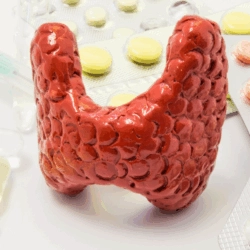
- Thyroid dysfunction: Hypothyroidism slows metabolism and compounds cortisol-related weight gain. Even subclinical thyroid issues can make belly fat stubbornly resistant to change.
- Adrenal dysfunction: Prolonged stress can lead to HPA axis dysregulation where cortisol patterns become erratic, with levels too high at night and too low in the morning.
- Perimenopause cortisol spikes: Women in perimenopause often experience dramatic cortisol fluctuations as progesterone (which has a calming effect on the HPA axis) declines. This creates a hormonal environment that strongly favors visceral fat storage.
- Insulin resistance: Chronic cortisol elevation and insulin resistance feed each other in a destructive cycle. Without addressing both, belly fat reduction becomes significantly harder.
If lifestyle changes have not moved the needle, comprehensive lab testing can identify which hormonal pathways need support.
How 1st Optimal Addresses Cortisol and Belly Fat
At 1st Optimal, addressing cortisol belly starts with understanding the full picture, not just one hormone in isolation.
Here is the approach:
- Comprehensive cortisol testing: Every protocol begins with advanced diagnostics including the DUTCH test to map your complete cortisol curve, metabolites, and clearance pathways.
- Full hormone panel: Cortisol is assessed alongside testosterone, estrogen, progesterone, DHEA, thyroid markers, and metabolic indicators to identify how your hormones interact.
- Personalized protocols: Based on your lab data, your provider builds a targeted protocol that may include lifestyle modifications, nutritional strategies, supplement support, and hormone optimization when clinically appropriate.
- Ongoing monitoring: Your Membership Manager tracks your progress with follow-up labs and protocol adjustments, so your plan evolves as your body responds.
Rather than treating symptoms in isolation, this data-driven approach addresses the root causes of cortisol-related belly fat so you can achieve sustainable results.
Stop guessing. Start testing. 1st Optimal’s functional medicine approach gives you the data and the plan to tackle cortisol belly at its source. Book your free consultation now.
Frequently Asked Questions About Cortisol Belly
Is cortisol belly a real medical condition?
Cortisol belly is not a formal medical diagnosis, but the underlying mechanism is well-supported by research. Chronic cortisol elevation promotes visceral fat storage through increased glucocorticoid receptor activity, insulin resistance, and appetite dysregulation. The pattern is real even if the name is informal.
How long does it take to lose cortisol belly?
Most people begin to see changes in waist circumference within 4 to 8 weeks of consistently managing stress, improving sleep, and optimizing nutrition. However, if underlying hormonal imbalances are involved, comprehensive testing and targeted protocols typically accelerate results.
Can you lose cortisol belly fat without lowering cortisol?
It is very difficult. Even with a calorie deficit, elevated cortisol promotes visceral fat retention while breaking down lean muscle. Addressing cortisol through sleep, stress management, and recovery is essential for meaningful belly fat loss.
Does exercise make cortisol belly worse?
It depends on the type and intensity. Excessive high-intensity exercise and overtraining can raise cortisol further. Moderate activities like walking, strength training, and yoga are more effective for reducing cortisol-related belly fat than extreme cardio sessions.
What is the difference between cortisol belly and Cushing’s syndrome?
Cushing’s syndrome is a rare medical condition caused by severe, sustained cortisol excess, often from a tumor. It produces dramatic symptoms including moon face, purple stretch marks, and rapid central weight gain. Cortisol belly from chronic stress involves lower-grade cortisol elevation and responds to lifestyle and hormonal interventions.
What blood tests show if cortisol is causing belly fat?
A comprehensive panel should include serum cortisol, salivary cortisol rhythm (or DUTCH test), fasting insulin, HOMA-IR (insulin resistance score), hemoglobin A1c, thyroid markers, and sex hormones. This combination reveals whether cortisol and its downstream effects are driving your abdominal fat storage.
Does cortisol belly affect men and women differently?
Yes. Women are more susceptible during perimenopause and menopause when declining progesterone removes a natural buffer against cortisol’s effects. Men with chronically elevated cortisol often experience simultaneous testosterone suppression, which compounds belly fat accumulation and muscle loss.
Can cortisol belly cause other health problems?
Visceral fat associated with cortisol belly is metabolically active and produces inflammatory compounds linked to increased risk of type 2 diabetes, cardiovascular disease, metabolic syndrome, and fatty liver disease. Addressing cortisol belly is not just about appearance; it is about long-term health.
Disclaimer: This article is for informational purposes only and does not constitute medical advice. Always consult with a qualified healthcare provider before making changes to your health regimen. Individual results may vary based on personal health conditions and adherence to recommended protocols.