
You’re balancing work, family, responsibilities, and a schedule that rarely slows down. You want to lose body fat, build muscle, improve your energy, and feel confident in your body again.
But sometimes, despite your best efforts, progress feels frustratingly slow.
Maybe you’ve tried multiple diets. Maybe you’re exercising consistently but aren’t seeing the changes you expected. Or perhaps you’re dealing with persistent bloating, unpredictable energy, poor sleep, or changes in your menstrual cycle.
What if the next step isn’t another restrictive diet or a more intense workout program?
What if it’s a more personalized approach that combines sustainable habits with a better understanding of your health?
That’s the philosophy behind the partnership between Cherisse Kozloski, nutrition coach and personal trainer at Ryker Coaching, and 1st Optimal, a functional health company combining advanced testing, medical guidance, and health coaching.
Together, this collaboration brings two important parts of women’s wellness into one connected approach:
- Practical nutrition, fitness, strength training, and accountability through Cherisse’s coaching.
- Access to advanced laboratory testing, hormone and metabolic health evaluations, gut health services, and licensed medical providers through 1st Optimal.
The goal isn’t to replace the fundamentals of healthy living. It’s to support those fundamentals with appropriate medical insight when symptoms or health concerns deserve a closer look.
For busy women over 30, that means a more complete way to approach fat loss, energy, digestion, confidence, and long-term health.
Ready to explore personalized functional health testing? Book your consultation through Cherisse’s 1st Optimal page.
Meet Cherisse Kozloski: Helping Busy Women Build Strength and Confidence

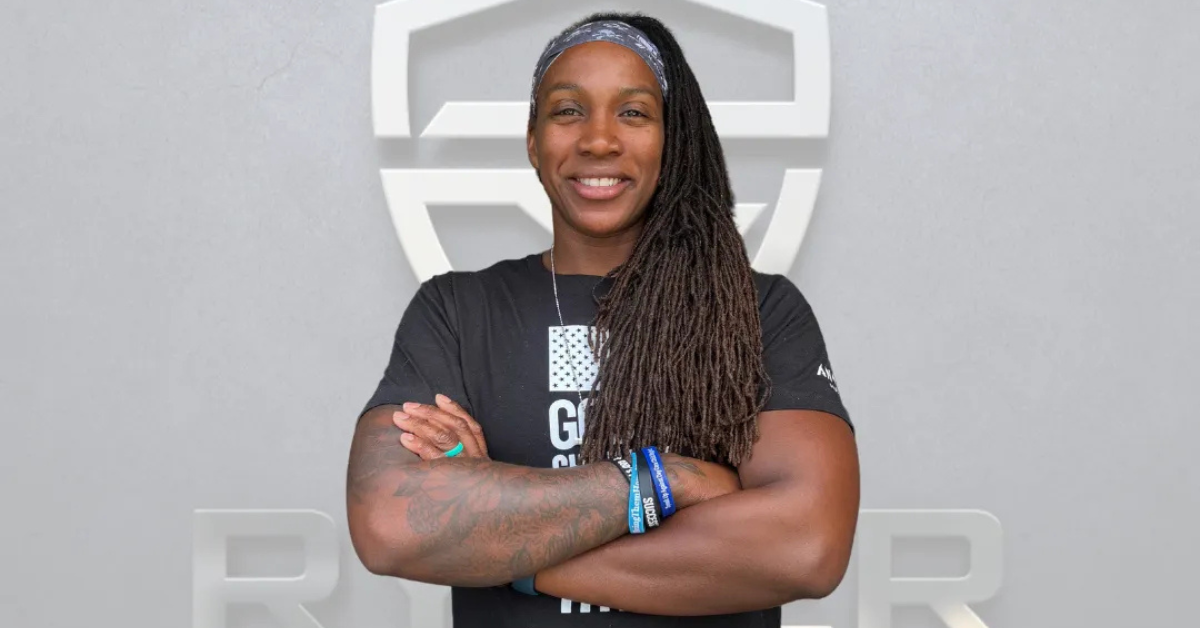
Cherisse Kozloski is a nutrition coach, personal trainer, and the fitness coach behind Ryker Coaching.
Her mission focuses on helping women build healthier, stronger, more confident lives through sustainable nutrition, effective training, and habits that work with their schedules.
Rather than promoting extreme dieting or endless workouts, Cherisse emphasizes a practical approach to health and fitness.
Her coaching philosophy recognizes something many women already understand: real life doesn’t stop just because you’ve decided to prioritize your health.
There are careers, children, appointments, family responsibilities, and unexpected changes to manage.
A successful fitness plan has to fit into that reality.
Through Ryker Coaching, Cherisse offers personalized fitness coaching, nutrition education, and support designed to help clients develop confidence in their ability to make healthy choices.
Her background also includes experience as a physical therapy assistant, bringing additional familiarity with movement and physical function to her fitness coaching perspective.
As a mother of six, Cherisse understands firsthand how difficult it can be to find time for yourself while caring for everyone else.
Her approach encourages women to make fitness part of their lives instead of feeling that their entire lives must revolve around fitness.
What Makes Cherisse’s Coaching Different?
Cherisse focuses on helping women develop the skills they need to maintain progress over time.
That includes:
- Building strength through personalized resistance training.
- Learning how to make balanced nutrition choices without unnecessary restrictions.
- Improving body composition through realistic habits.
- Developing a healthier relationship with exercise and food.
- Creating routines that fit busy work and family schedules.
- Building confidence through consistency and measurable progress.
- Learning how to adjust when life becomes unpredictable.
Her coaching isn’t simply about achieving a particular number on the scale.
It’s about helping women feel capable, energized, and confident in their bodies.
You can learn more about her approach through Ryker Coaching and follow her on Instagram at @cherisse_rykercoaching.
Why Fat Loss and Fitness Can Feel More Complicated After 30
Many women notice that their health and fitness priorities begin to change throughout their 30s and 40s.
The routines that worked in their early 20s may no longer fit their lives.
Work schedules become more demanding. Sleep may become less consistent. Pregnancy, postpartum recovery, caregiving, stress, and changing activity patterns can influence how women feel.
Hormonal changes may also become relevant for some women, especially as they approach perimenopause.
However, not every weight-loss plateau is caused by a hormone imbalance.
Body composition is influenced by several overlapping factors, including:
- Total energy intake and eating patterns.
- Muscle mass and resistance training.
- Daily movement and physical activity.
- Sleep duration and consistency.
- Stress and recovery.
- Medications and existing medical conditions.
- Thyroid function and other endocrine disorders.
- Menstrual and reproductive health.
- Digestive symptoms that influence eating habits and comfort.
The challenge is knowing which factors deserve attention.
Some women benefit primarily from adjustments to nutrition and exercise. Others may have symptoms that warrant evaluation by a qualified healthcare professional.
For example, unexplained fatigue could be associated with inadequate sleep, insufficient food intake, anemia, thyroid disease, or several other conditions.
Bloating may relate to meal size, constipation, food intolerance, or a gastrointestinal disorder.
Irregular periods may have different explanations depending on age, medical history, and reproductive status.
Assuming every symptom comes from hormones or the gut can lead to unnecessary testing and missed diagnoses.
The better approach is to start with your symptoms, health history, goals, and daily habits, then determine whether medical testing would provide useful information.
This is where Cherisse’s partnership with 1st Optimal can provide additional support.
Introducing the Cherisse Kozloski and 1st Optimal Partnership
The collaboration between Cherisse Kozloski and 1st Optimal connects lifestyle coaching with access to professional medical evaluation and functional health services.
Cherisse helps women work on the behaviors that support long-term progress.
1st Optimal provides a clinical care pathway for women who want to explore concerns such as hormone health, metabolic function, thyroid health, or digestive symptoms.
This creates a relationship between two complementary areas of expertise.
Cherisse Focuses on the Daily Work
Her role centers on fitness programming, nutritional guidance, accountability, education, and helping women build habits they can maintain.
1st Optimal Focuses on Clinical Evaluation
Its licensed medical providers evaluate health histories, assess symptoms, determine which tests may be useful, interpret medical findings, and recommend treatment when appropriate.
A coach does not diagnose medical conditions or prescribe medications through this partnership.
Those responsibilities remain with licensed clinicians.
The benefit is that women can work toward fitness goals while having a pathway to additional clinical evaluation when their concerns extend beyond coaching.
This is particularly relevant for women experiencing persistent fatigue, weight changes, menstrual concerns, digestive discomfort, or other symptoms that may deserve medical attention.
How 1st Optimal’s White-Label Partnership Services Work
One of the distinguishing features of the 1st Optimal Coaching Partnership Program is its white-label service model.
White-label services allow participating coaches and fitness businesses to expand the resources available to their clients without building their own medical practices.
For coaches like Cherisse, this creates an opportunity to maintain a familiar coaching relationship while connecting clients with medical services delivered by qualified professionals.
The model can include access to advanced testing, clinician-led evaluations, personalized care plans, and ongoing medical oversight.
It also gives coaching partners access to branded referral resources and marketing support.
What Does This Mean for Clients?
Clients don’t have to expect their personal trainer to answer every medical question.
Instead, each professional contributes within their area of expertise.
Cherisse can help clients develop sustainable training and nutrition practices.
1st Optimal’s medical team can assess whether a health concern needs diagnostic testing, treatment, monitoring, or referral to another specialist.
This division of responsibilities is important.
A personal trainer may recognize that a client is struggling with fatigue or inconsistent recovery, but that observation alone cannot establish the medical cause.
Similarly, a laboratory report is not a substitute for practical support with exercise, food choices, and everyday habits.
When these services complement one another, women have access to both daily lifestyle guidance and clinical care where appropriate.
Strength Training: Building More Than a Smaller Number on the Scale
Sustainable fat loss is often discussed as though it depends entirely on reducing body weight.
But body composition involves more than weight alone.
A woman can improve her strength, fitness, and body composition without seeing dramatic changes on the scale.
That’s one reason resistance training is an important part of Cherisse’s coaching philosophy.
Building and maintaining skeletal muscle supports physical performance, everyday function, and long-term health.
Strength training can also help women preserve lean mass during weight loss.
The Centers for Disease Control and Prevention recommends that adults include muscle-strengthening activity at least two days per week, alongside regular aerobic activity.
Why Muscle Matters for Women Over 30
Muscle supports much more than appearance.
It contributes to the ability to lift, carry, walk, climb stairs, participate in recreational activities, and remain physically independent.
Resistance training can also improve strength and support bone health when appropriately programmed.
For busy women, these benefits matter outside the gym.
Feeling stronger can make everyday responsibilities easier and help restore confidence in physical abilities.
A Practical Approach to Training
A sustainable strength program doesn’t have to involve daily gym sessions.
Depending on individual goals and experience, an effective routine may include two or three resistance-training sessions per week, combined with walking and other enjoyable activities.
Exercises can be modified for experience level, available equipment, mobility, and recovery needs.
Ryker Coaching also describes options for home-based training with minimal equipment.
The priority is building a routine that can be repeated consistently rather than pursuing an exhausting schedule that lasts only a few weeks.
Sustainable Nutrition Without Extreme Dieting
Nutrition plays a central role in body composition, energy, training recovery, and overall health.
But many women have spent years cycling through diets that promise quick results while demanding unrealistic restrictions.
Eliminating entire food groups, constantly tracking every bite, or following rigid meal rules can make healthy eating feel overwhelming.
Cherisse’s approach is different.
Ryker Coaching emphasizes nutritional guidance without unnecessary restrictions and encourages clients to develop a balanced relationship with food.
This philosophy aligns with the idea that long-term results depend on habits people can actually maintain.
The Role of Protein in Fat Loss and Strength
Protein supports muscle repair, tissue maintenance, and recovery from resistance training.
Adequate protein intake can be especially useful during a calorie deficit because it helps support the preservation of lean body mass.
Practical protein sources may include eggs, poultry, fish, Greek yogurt, beans, lentils, tofu, and other foods selected around individual preferences.
Protein needs vary with body size, activity, health status, and goals.
A personalized approach is more useful than assigning every woman the same daily target.
Why Balance Matters
Healthy eating also involves adequate carbohydrates, dietary fats, fiber, vitamins, and minerals.
Carbohydrates provide energy for daily activities and exercise.
Dietary fats support numerous physiological functions.
Fiber helps support digestive health and bowel regularity.
The goal is not to label individual foods as universally good or bad.
It’s to develop balanced eating patterns that support health while leaving room for enjoyment, flexibility, and personal preferences.
For women who have struggled with all-or-nothing dieting, that change in perspective can make consistency much more achievable.
Advanced Functional Testing: Understanding When More Information May Help
1st Optimal offers access to advanced laboratory testing as part of its functional health services.
Rather than recommending the same panel to everyone, appropriate testing should be guided by a person’s symptoms, medical history, examination, and clinical needs.
The purpose is to identify meaningful health concerns and inform decisions.
Types of Testing That May Be Considered
Depending on the situation, a clinician may evaluate:
- Hormone health: Selected reproductive hormone measurements may be useful when assessing specific menstrual, reproductive, or endocrine concerns.
- Thyroid function: Thyroid testing can help investigate symptoms that may be associated with thyroid disorders, such as fatigue, unexplained weight changes, or menstrual irregularities.
- Metabolic health: Glucose, hemoglobin A1c, and lipid testing may help assess cardiometabolic risk.
- General health markers: Blood counts and other tests may be ordered to investigate anemia or additional medical concerns.
- Nutritional status: Testing for deficiencies may be appropriate when a history, examination, dietary pattern, or symptoms indicate a reason.
- Digestive health: Selected blood, stool, or other diagnostic tests may help investigate persistent gastrointestinal symptoms.
1st Optimal also lists specialized offerings such as GI-MAP stool analysis and DUTCH hormone metabolite testing.
These specialized tests are not universally recommended, and their clinical usefulness depends on the question being investigated.
More testing does not automatically mean better care.
Results need to be interpreted by a qualified clinician in the context of symptoms, recognized diagnostic standards, and the limitations of each test.
For women who have unanswered health questions, a thoughtful evaluation may help distinguish between a lifestyle challenge and a condition requiring medical attention.
Hormone Testing for Women Over 30: What Should You Know?
Hormone health is a major area of interest for women trying to understand changes in energy, body composition, menstrual cycles, sleep, and overall well-being.
Hormones are chemical messengers involved in numerous processes throughout the body.
Estrogen, progesterone, thyroid hormones, insulin, and other endocrine signals play different roles in reproductive and metabolic health.
But hormone health is more complicated than categorizing every result as simply balanced or imbalanced.
Common Symptoms That May Warrant Evaluation
Women may consider discussing medical evaluation when experiencing persistent or unexplained:
- Changes in menstrual regularity.
- Heavy or unusual bleeding.
- Fatigue that doesn’t improve with adequate rest.
- Hot flashes or night sweats.
- Sleep disruption.
- Unexplained weight changes.
- Significant changes in hair or skin.
- Reduced exercise tolerance.
- Other symptoms affecting daily life.
These symptoms have multiple possible causes.
A clinician can help determine whether hormone testing, another diagnostic evaluation, or a different approach makes sense.
Thyroid Health and Metabolism
The thyroid produces hormones that help regulate metabolism and other important functions.
Both hypothyroidism and hyperthyroidism can affect body weight, energy, temperature tolerance, and general health.
For someone experiencing compatible symptoms, appropriate thyroid testing may provide useful information.
However, a weight-loss plateau by itself does not establish thyroid disease.
Perimenopause and Changing Hormones
Perimenopause refers to the transition leading up to menopause.
It can involve changes in menstrual cycles, sleep, temperature regulation, mood, and other symptoms.
Although menopause typically occurs later, some women experience relevant reproductive changes earlier.
Importantly, routine hormone testing is not always needed to identify perimenopause.
The American College of Obstetricians and Gynecologists explains that symptoms, menstrual history, and age often provide more useful information because hormone levels fluctuate.
Women under 45 with concerning menstrual changes, particularly those under 40, may require additional evaluation.
What About Hormone Therapy?
Hormone therapy may be appropriate for certain medical indications, including management of eligible menopausal symptoms.
It is not a general-purpose treatment for weight loss, fatigue, or athletic performance.
Decisions require consideration of symptoms, medical history, contraindications, risks, expected benefits, and available alternatives.
Through 1st Optimal, women can explore hormone-related concerns with licensed medical professionals who determine whether any treatment is appropriate.
Cherisse’s coaching complements that process by supporting exercise, nutrition, and daily habits.
Gut Health and Digestion: Why Women Should Pay Attention
Gut health has become one of the most discussed topics in nutrition and functional wellness.
For good reason, the digestive system plays an essential role in breaking down food, absorbing nutrients, eliminating waste, and supporting overall health.
But digestive symptoms are also common, and they can have many explanations.
Some women regularly experience bloating after meals.
Others deal with constipation, diarrhea, abdominal discomfort, or unpredictable digestion.
These issues can affect quality of life, food choices, confidence, and the ability to train comfortably.
Understanding the Gut Microbiome
The gut microbiome refers to the microorganisms that inhabit the digestive tract.
Research continues to explore relationships between the microbiome, digestion, metabolism, and immune function.
However, microbiome science is still developing.
There is no single universally accepted definition of an ideal microbiome for every person, and commercially available microbiome tests cannot diagnose every cause of digestive symptoms.
When Gut Health Testing May Be Useful
1st Optimal offers gut health evaluations and access to specialized testing, including GI-MAP.
GI-MAP is a stool-based test that analyzes selected microorganisms and markers.
Whether this particular test is useful depends on the clinical situation. Its findings do not independently establish that a microbiome imbalance is causing fatigue, weight gain, or another symptom.
For persistent digestive complaints, clinicians may also consider established evaluations for conditions such as celiac disease, infections, inflammatory bowel disease, or lactose intolerance.
The National Institute of Diabetes and Digestive and Kidney Diseases explains that gastrointestinal evaluation begins with symptoms and medical history, with testing selected to help rule out relevant conditions.
What Do Personalized Gut-Healing Protocols Involve?
The phrase gut-healing protocol is commonly used to describe strategies intended to improve digestive symptoms and support gastrointestinal health.
In practice, the right approach depends on the condition being treated.
A personalized plan may include:
- Adjusting dietary fiber gradually.
- Reviewing meal timing and eating patterns.
- Identifying food triggers through an appropriate evaluation.
- Addressing constipation or other bowel symptoms.
- Considering evidence-based dietary interventions when indicated.
- Treating a confirmed medical condition.
- Reviewing medications or supplements that may contribute to symptoms.
- Monitoring progress and adjusting recommendations.
Some individuals may benefit from a structured elimination and reintroduction approach under professional guidance.
Others may need specific medical treatment or specialist evaluation.
There is no universal supplement, cleanse, or protocol that heals every digestive condition.
Likewise, broad food sensitivity panels should not automatically be used to justify restrictive diets.
The American Academy of Allergy, Asthma & Immunology advises against using food-specific IgG testing to diagnose food allergies or intolerances because it has not been shown to reliably identify them.
How Cherisse’s Coaching Complements Gut Health Care
Digestive recommendations can be difficult to apply without practical nutrition support.
A woman may understand that she needs to adjust fiber intake or organize more balanced meals, but still struggle to make those changes around a demanding schedule.
Cherisse’s nutrition coaching can help support consistent meal planning, realistic food choices, and healthy habits within her scope of practice.
The medical team remains responsible for diagnosing and treating digestive disorders.
Together, these roles can help women approach gut health without relying on unnecessary restrictions or unsupported promises.
Metabolic Health and Sustainable Fat Loss
Metabolic health involves several interconnected processes that influence how the body uses and stores energy.
Important measures may include blood glucose, blood pressure, blood lipids, and other indicators of cardiometabolic health.
Body weight is relevant, but it doesn’t tell the entire story.
A person can improve fitness, strength, and health behaviors even when the scale changes slowly.
Understanding Insulin and Blood Sugar
Insulin helps regulate blood glucose.
Insulin resistance can occur when cells become less responsive to insulin, increasing the body’s need to produce it.
Certain individuals have a greater risk of insulin resistance or type 2 diabetes because of factors such as family history, metabolic conditions, or other health characteristics.
When clinically appropriate, blood glucose or A1c testing can help evaluate risk.
A clinician should interpret these results rather than assuming every woman struggling with fat loss has insulin resistance.
The Value of a Coordinated Plan
For some women, the most useful improvements involve regular exercise, dietary adjustments, sufficient sleep, and sustainable weight management.
Others may benefit from additional medical treatment.
1st Optimal offers clinician-guided weight management services, with medication options considered when medically appropriate.
Those decisions are individualized and separate from Cherisse’s coaching.
The foundation remains building habits that support long-term health rather than expecting a medication or laboratory result to replace exercise and nutrition.
The Connection Between Sleep, Stress, Recovery, and Results
It’s easy to focus entirely on workouts and food intake.
But recovery deserves attention, too.
Sleep influences energy, appetite, mood, concentration, and exercise performance.
When women consistently get insufficient sleep, maintaining healthy behaviors may become more difficult.
Stress can also influence daily routines.
For example, long workdays may reduce opportunities for exercise, disrupt meal planning, or lead to less consistent sleep.
These effects are real, but they should not automatically be attributed to abnormal cortisol levels.
Practical Recovery Habits
Women may benefit from establishing a consistent sleep schedule, reducing late-night screen exposure, allowing sufficient recovery between challenging workouts, and finding manageable ways to stay active.
Even modest improvements can help create a more sustainable routine.
Cherisse’s lifestyle-focused coaching supports the behavioral side of this process.
When sleep problems, fatigue, or other symptoms are persistent or significant, 1st Optimal’s clinical team can evaluate whether a medical concern needs attention.
How Cherisse and 1st Optimal Can Support Your Health Journey
The partnership is designed to give women a practical starting point, with additional clinical services available when indicated.
The exact experience depends on the services selected and individual medical needs.
Step 1: Identify Your Goals
Start by considering what you want to improve.
Are you focused on losing body fat, building strength, maintaining muscle, improving energy, or feeling more comfortable with your nutrition routine?
Are digestive symptoms or changes in your health making it difficult to progress?
Clear goals help determine the right next steps.
Step 2: Schedule a Functional Health Consultation
Use Cherisse Kozloski’s personalized 1st Optimal booking link to explore the available services.
During the consultation process, you can discuss your symptoms, relevant health history, goals, and whether additional medical evaluation may be appropriate.
A consultation does not automatically mean you need testing or treatment.
Step 3: Complete Recommended Evaluations
If the medical team determines that testing is appropriate, you may be offered selected laboratory assessments.
Options can vary based on symptoms, clinical findings, availability, and provider judgment.
Some testing may be completed at home, while other tests may require a laboratory visit.
Step 4: Review Your Results With a Qualified Provider
A licensed clinician reviews relevant findings, explains what they mean, and discusses reasonable next steps.
Some results may require follow-up, confirmatory testing, or referral.
Others may indicate that no medical intervention is necessary.
The goal is to make informed decisions, not to pursue treatment simply because a test was performed.
Step 5: Apply Sustainable Habits
Fitness, nutrition, sleep, and lifestyle habits continue to play an important role.
Cherisse’s coaching can support these efforts by helping clients work toward realistic goals and remain accountable.
Medical recommendations and coaching guidance should complement one another without confusing their professional boundaries.
Step 6: Reassess and Adjust
Health goals may change over time.
Training programs may need to evolve as women become stronger.
Nutrition habits may require adjustment when work or family routines change.
Medical treatment, when prescribed, requires follow-up according to the clinician’s recommendations.
Long-term success is about using new information thoughtfully and adapting the plan when necessary.
Who May Benefit From This Partnership?
The Cherisse Kozloski and 1st Optimal collaboration may appeal to women looking for support in several areas.
Busy Women Over 30
Women who want effective training and sustainable nutrition without committing to restrictive diets or unrealistic routines.
Women Focused on Fat Loss and Strength
Those who want to improve body composition while maintaining or building muscle and developing confidence.
Women With Persistent Fatigue or Changing Health Symptoms
Those who may benefit from discussing unexplained symptoms with a qualified medical provider.
Women Interested in Hormone Health
Women seeking education or appropriate clinical evaluation for menstrual concerns, perimenopause symptoms, thyroid health, or other hormone-related questions.
Women Experiencing Digestive Concerns
Those who want to understand persistent bloating, irregular bowel habits, or other gastrointestinal symptoms and explore clinically appropriate testing or treatment.
Women Tired of Starting Over
Those seeking a more manageable and consistent approach to health, with coaching, education, and access to clinical expertise when needed.
The partnership is not a substitute for urgent or emergency care. New severe abdominal pain, gastrointestinal bleeding, fainting, chest pain, or other concerning symptoms require prompt medical assessment.
What Does Real Progress Look Like?
One of the biggest mindset shifts in sustainable fitness is learning to recognize progress beyond body weight.
Weight can fluctuate because of hydration, menstrual changes, food intake, and other normal factors.
That’s why a more complete picture of progress can be useful.
Examples include:
- Lifting heavier weights or completing more repetitions.
- Feeling more confident with exercise technique.
- Having better endurance during daily activities.
- Developing consistent meal and movement routines.
- Improving sleep habits.
- Feeling more comfortable with food choices.
- Managing previously identified symptoms with appropriate care.
- Seeing improvements in clinically relevant health measures when monitored.
Not every woman will experience the same results.
Progress depends on individual circumstances, consistency, medical history, and many other factors.
For Cherisse, helping women build a healthier relationship with training and nutrition is central to the coaching experience.
For 1st Optimal, clinical evaluation and ongoing medical guidance add another layer when health concerns require attention.
This combination supports a broader view of wellness.
Why the Coaching Partnership Model Matters
Many health and fitness professionals work with clients who eventually ask questions outside the scope of ordinary coaching.
Why am I always tired?
Should I have my thyroid checked?
Could perimenopause explain these changes?
Why does my stomach hurt after certain meals?
Does my family history affect my metabolic health risk?
These questions deserve thoughtful clinical evaluation rather than speculation.
Through its white-label partnership program, 1st Optimal gives participating coaches a pathway to connect clients with licensed providers and appropriate testing services.
The coaching relationship can remain focused on sustainable behavioral change.
The medical team handles medical assessment and care decisions.
For clients, this offers a clearer distinction between lifestyle coaching and healthcare.
For coaches, it provides access to additional resources without requiring them to operate outside their professional qualifications.
Learn more about the 1st Optimal Coaching Partnership Program.
Frequently Asked Questions About Cherisse Kozloski and 1st Optimal
1. Who Is Cherisse Kozloski?
Cherisse Kozloski is a nutrition coach, personal trainer, and the coach behind Ryker Coaching. She helps clients, particularly busy women, pursue sustainable fat loss, strength development, improved fitness, and greater confidence through personalized training and nutrition guidance.
Her approach emphasizes practical routines that fit everyday life rather than restrictive dieting or excessive exercise.
2. What Is the Cherisse Kozloski and 1st Optimal Partnership?
The partnership combines Cherisse’s nutrition, fitness, and lifestyle coaching expertise with access to 1st Optimal’s functional health services.
Through 1st Optimal, eligible clients can explore advanced laboratory testing, hormone and metabolic health evaluations, gut health services, and clinician-guided care.
Medical services are provided and supervised by qualified healthcare professionals, while Cherisse remains focused on coaching.
3. Can 1st Optimal Provide Hormone Testing for Women Over 30?
1st Optimal offers hormone-related testing and medical evaluations.
However, whether testing is recommended depends on symptoms, medical history, age, and the clinical question being investigated.
Not every woman over 30 needs a comprehensive hormone panel.
For example, perimenopause can often be assessed through symptoms and menstrual history without routine hormone testing.
A licensed clinician determines which tests, if any, are appropriate.
4. Does the Partnership Include Gut Health Testing and Gut-Healing Protocols?
1st Optimal offers access to gut health evaluation, including specialized testing options such as GI-MAP.
The medical team determines whether a test is useful and what treatment or follow-up, if any, is indicated.
Digestive care may involve nutrition changes, lifestyle recommendations, treatment of a diagnosed condition, or referral to a gastrointestinal specialist.
There is no single gut-healing protocol appropriate for every person.
5. Can Hormone Imbalances Make Weight Loss Harder?
Certain diagnosed endocrine conditions, including hypothyroidism and other hormonal disorders, can affect weight regulation.
However, difficulty losing weight does not automatically indicate a hormone imbalance.
Nutrition, activity, sleep, medications, health conditions, and other factors can influence progress.
A medical evaluation can help identify whether there is a reason to investigate an endocrine disorder.
6. Do I Need to Follow a Restrictive Diet to Work With Cherisse?
Ryker Coaching emphasizes balanced nutritional guidance without unnecessary restrictions.
The goal is to help clients develop sustainable habits and make informed food choices while working toward their health and fitness objectives.
Appropriate nutrition strategies vary according to health status, preferences, goals, and individual needs.
7. Can I Build Muscle and Lose Fat After 40?
Yes. Women can improve strength and body composition throughout adulthood.
Resistance training, adequate nutrition, sufficient recovery, and consistent physical activity remain important.
Progress may differ depending on training history, health conditions, and other factors.
A well-designed program focuses on achievable improvements rather than unrealistic timelines or guaranteed transformations.
8. What Makes 1st Optimal Different From a Traditional Fitness Coaching Program?
1st Optimal combines functional health coaching with access to licensed medical providers, laboratory testing, clinical evaluation, and individualized treatment when indicated.
Its partnership program allows coaches to connect clients with these services while continuing to focus on fitness, nutrition, and lifestyle support.
This provides an option for women whose goals or symptoms may require attention beyond ordinary fitness coaching.
9. Will I Automatically Receive Hormone Therapy or Other Medical Treatment?
No.
Testing, prescriptions, and other medical treatments are not guaranteed.
Any treatment recommendation depends on a licensed provider’s clinical assessment, medical eligibility, potential benefits, risks, and available alternatives.
Some women may benefit from lifestyle changes or additional evaluation without requiring medication.
10. How Do I Book a Consultation Through Cherisse?
You can begin by visiting 1st Optimal’s dedicated booking link for Cherisse Kozloski.
This is the preferred starting point for exploring the functional health services associated with her partnership.
You can also follow Cherisse on Instagram to learn more about her nutrition, fitness, and lifestyle coaching approach.
A More Sustainable Approach to Women’s Health Starts With the Right Support
For women over 30, long-term health isn’t about finding the most restrictive diet, completing the hardest workouts, or chasing every new wellness trend.
It’s about understanding your goals, building sustainable habits, and getting appropriate professional support when questions arise.
That’s what makes the partnership between Cherisse Kozloski and 1st Optimal meaningful.
Cherisse brings a practical approach to nutrition, strength training, accountability, and confidence.
1st Optimal brings access to functional health services, advanced testing options, licensed medical providers, and individualized care when clinically indicated.
Together, the partnership creates an opportunity for women to approach their health with more education, better coordination, and a clear understanding of what each professional can provide.
Whether you’re working toward fat loss, building strength, improving your relationship with food, or looking for answers about persistent health symptoms, the first step is finding support that fits your needs.
You don’t need a perfect routine.
You need one that works for your life and the right expertise when you need it.
Ready to Take the Next Step?
Explore personalized functional health services through the Cherisse Kozloski and 1st Optimal partnership.
Book Your Functional Health Consultation Through Cherisse
Connect With Cherisse: Instagram: @cherisse_rykercoaching
Explore 1st Optimal: Functional Health and Medical Services | Coaching Partnership Program
Medical disclaimer: This article is for educational and informational purposes only and does not constitute medical advice, diagnosis, or treatment. Laboratory testing, medications, and individualized medical care must be determined by licensed healthcare professionals. Results vary, and no specific health outcome is guaranteed. Coaching and medical services have distinct professional responsibilities.
References and Further Reading
- Ryker Coaching: Cherisse Kozloski’s Coaching Approach
- 1st Optimal: Coaching Partnership Program
- 1st Optimal: Women’s Hormone Care
- 1st Optimal: Women’s Gut Health
- CDC: Physical Activity Guidelines for Adults
- ACOG: Hormone Testing During Perimenopause
- NIDDK: Diagnosis of Irritable Bowel Syndrome
- AAAAI: The Myth of IgG Food Panel Testing