
Your hair is often one of the first places to show signs of a hormonal shift. During perimenopause and menopause, thinning hair is a common complaint as key hormones decline. Hormone replacement therapy is designed to correct this imbalance, restoring what your body is missing. This leads to a critical question: can hormone replacement therapy cause hair loss, or does it help? The process of reintroducing hormones can affect your hair follicles, but the result isn’t always negative. It all comes down to achieving the right balance for your unique biology. Let’s look at which hormones are the key players and how you can support your hair’s health during treatment.
Key Takeaways
- HRT affects everyone differently: Hair thinning is not a guaranteed side effect of hormone therapy; your personal response depends on genetics, hormone sensitivity, and your specific treatment plan. A personalized, data-driven approach is crucial for protecting your hair from the start.
- Monitor your hair’s progress proactively: Pay attention to subtle, gradual changes like a widening part or finer hair texture, which can appear three to six months after starting treatment. Tracking these shifts helps you and your doctor make timely, effective adjustments.
- Support your treatment with smart habits: If you see changes in your hair, talk to your doctor about adjusting your HRT protocol. You can also protect your hair by focusing on a nutrient-rich diet, managing stress, and using a gentle care routine to create the best environment for healthy growth.
What Is Hormone Replacement Therapy (HRT)?
Hormone Replacement Therapy, or HRT, is a medical treatment designed to supplement the hormones your body produces less of as you age. Think of it as restoring your body’s natural equilibrium, not just masking symptoms. For many women, this transition happens during perimenopause and menopause, when levels of key hormones like estrogen and progesterone decline. This shift can trigger a cascade of issues that get in the way of you feeling your best, including hot flashes, night sweats, brain fog, and mood swings that can disrupt your focus and productivity.
But HRT isn’t just about managing these uncomfortable symptoms. It’s a strategic approach to maintaining your health, energy, and mental clarity so you can continue to perform at your peak. By replenishing these hormones, HRT can help you feel more like yourself again. The goal is to use the lowest effective dose to alleviate your symptoms and support your long-term wellness goals. Because your body is unique, the right hormone therapy plan is never one-size-fits-all. It requires a personalized approach based on your specific needs, health history, and comprehensive lab testing to uncover the root cause of your symptoms and ensure the treatment is tailored perfectly to you.
Understanding the Types of HRT
HRT typically involves a combination of hormones, primarily estrogen and progesterone, and sometimes testosterone. Each plays a distinct role in your body and, by extension, your hair health. Estrogen is a major player in promoting fuller, healthier hair growth cycles. Progesterone works alongside estrogen to maintain hair thickness. Testosterone, while often associated with men, is also vital for women’s health. However, when it’s out of balance or converts into a potent form called DHT, it can contribute to hair thinning. The specific type and combination of hormones in your treatment plan are critical for achieving your desired results while minimizing side effects.
How HRT Rebalances Your Hormones
At its core, HRT works by reintroducing the hormones that have dipped below their optimal levels. This process helps stabilize your internal environment and ease the disruptive symptoms caused by hormonal fluctuations. When your hormones are balanced, you’re likely to experience better sleep, a more stable mood, and fewer hot flashes. This rebalancing act directly influences other systems in your body, including the mechanisms that control your hair growth cycles. The specific formulation of your HRT is what determines how your body, and your hair, will respond to the treatment.
Can HRT Cause Hair Loss?
It’s a valid question for anyone considering hormone replacement therapy. The short answer is that it can, but it’s not a given. The relationship between HRT and hair is complex, and for many people, rebalancing hormones actually leads to thicker, healthier hair. The outcome depends on the specific hormones used, your individual biology, and your treatment plan. When you start HRT, your body adjusts to new hormone levels, which can sometimes trigger temporary shedding. This doesn’t automatically mean you’re headed for permanent hair loss.
The Link Between Hormones and Hair Health
Your hair follicles are incredibly sensitive to hormonal signals. Key hormones like estrogen, progesterone, and testosterone directly regulate the hair growth cycle. When these hormones are out of balance, as they often are during perimenopause and menopause, you might notice your hair thinning. HRT is designed to restore this balance. However, the process of reintroducing hormones can cause temporary fluctuations that affect your hair. For some, this might mean a brief period of shedding, while for others, the renewed hormonal stability improves hair density and strength over time.
Why Your Body’s Response Is Unique
There is no one-size-fits-all answer to how HRT will affect your hair. Your body’s reaction is entirely unique and shaped by a few key factors. Your genetic predisposition to hair thinning plays a significant role, as does the specific type and dosage of hormones in your therapy. How sensitive your hair follicles are to hormonal changes also matters. This is why a personalized approach is so important. An initial shedding phase can occur as your body adapts, but this is often temporary. Working with a provider who understands these variables is key to a plan that supports your hair health.
Separating HRT & Hair Loss Myths from Facts
One of the biggest myths is that everyone who starts HRT will experience hair loss. This simply isn’t true. In reality, many people see no negative impact, and some even notice improvements. Another critical point is that not all HRT is created equal. Some formulations, particularly those using certain synthetic progestins, have been linked to hair thinning. In contrast, bioidentical hormone replacement therapy (BHRT) uses hormones that are structurally identical to those your body produces, which can lead to better outcomes. If you notice thinning, adjusting the dosage or type of hormone often resolves the issue.
Which Hormones Affect Your Hair?
Your hair’s thickness, texture, and growth cycle are deeply connected to your hormones. Think of them as the conductors of an orchestra; when one is out of tune, the entire performance can feel off. For many of us, changes in our hair are one of the first visible signs that our internal balance has shifted. While you might associate hormonal hair loss primarily with men, it’s a significant concern for women, too, especially during major life stages like perimenopause and menopause, when hormonal shifts are most dramatic.
Understanding which hormones are the key players can help you connect the dots between what’s happening on your head and what’s going on inside your body. It’s not just about vanity; it’s about recognizing signals your body is sending. The main hormones that influence your hair are estrogen, testosterone (and its powerful derivative, DHT), and progesterone. Each one has a distinct job, and their delicate interplay is what keeps your hair follicles healthy and productive. When their levels fluctuate, whether due to age, stress, or medical treatments like HRT, your hair is often the first to show it. Getting to the root cause requires looking at how these hormones work together. Let’s break down the role of each one.
Estrogen’s Protective Role
Estrogen is one of your hair’s best friends. This hormone helps extend the anagen, or growing phase, of the hair cycle, which allows your hair to grow longer and stay on your head for more time before shedding. It contributes to that full, healthy look we all strive for. When estrogen levels are optimal, your hair tends to be at its best. However, as estrogen declines, particularly during menopause, this protective effect weakens. The growing phase shortens, and you may notice your hair shedding more and appearing thinner. This is why maintaining hormonal balance is so critical for hair health as you age.
The Impact of Testosterone and DHT
While often labeled a “male” hormone, testosterone is present and necessary in women, too. By itself, testosterone isn’t the problem. The issue arises when it converts into a more potent androgen called dihydrotestosterone (DHT). DHT is the primary culprit behind androgenic alopecia, or pattern hair loss, in both men and women. It attaches to receptors in your hair follicles, causing them to shrink and weaken over time. This process, known as miniaturization, results in finer, shorter hairs and can eventually stop hair growth altogether. An imbalance where testosterone or DHT levels are too high relative to estrogen can accelerate this thinning process.
Progesterone’s Influence on Hair Growth
Progesterone is another key hormone that works in harmony with estrogen to support healthy hair. It helps counteract the effects of DHT by preventing its conversion from testosterone, essentially acting as a shield for your hair follicles. When progesterone levels drop, as they do during menopause, you lose some of that natural defense against DHT. This can contribute to increased hair shedding and thinning. Because progesterone and estrogen levels often decline together, their combined loss can create a perfect storm for hair-related issues, making a comprehensive approach to your hormone health essential for protecting your hair.
How to Spot HRT-Related Hair Loss
If you’re starting hormone replacement therapy, you’re likely focused on the positive changes ahead: more energy, better focus, and a renewed sense of vitality. The last thing you want to worry about is your hair. While significant hair loss from HRT is uncommon, especially with a medically guided plan, your body does go through an adjustment period. Knowing what to look for can help you stay ahead of any changes and address them with your doctor right away.
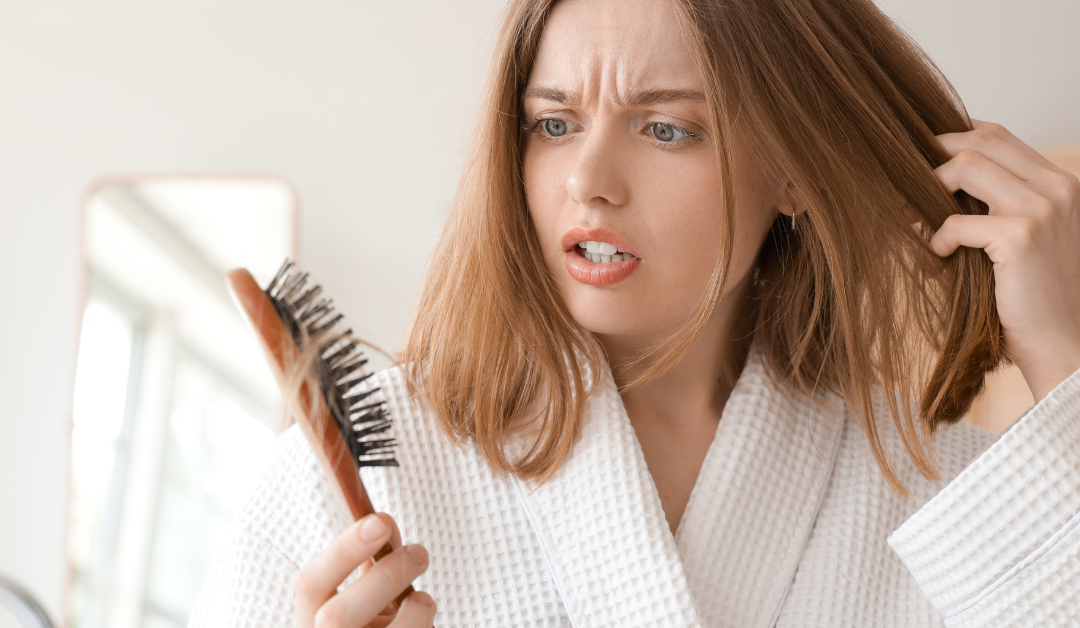
Hair loss related to HRT is rarely a sudden event. Instead, it’s a gradual shift that you might not notice at first. The key is to pay attention to the subtle signs, from a few extra strands in your hairbrush to a change in how your hair feels. Think of it as gathering data. By monitoring your hair’s health, you can provide your doctor with clear, specific feedback, allowing for precise adjustments to your treatment plan. This proactive approach ensures your HRT protocol is optimized for your unique biology, supporting your goals without unwanted side effects.
Recognizing New Thinning Patterns
When your body adjusts to new hormone levels, you might notice some hair shedding. This isn’t usually diffuse, all-over loss. Instead, it often appears as subtle thinning in specific areas. You might see a little more scalp along your part line or notice that the hair at the crown of your head feels less dense than it used to.
These hormonal shifts can take a few months to show visible effects on your hair. The process is typically slow, so you have time to observe what’s happening. Keeping a simple photo log can be a great way to track any changes objectively. If you spot a pattern of thinning, you can share it with your doctor to determine if a small tweak to your therapy is needed.
Noticing Changes in Hair Texture
Sometimes, the first sign of a hormonal imbalance isn’t how much hair you’re losing, but how your hair feels. You might find that your individual strands seem finer, weaker, or more brittle than before. This can happen if your body is sensitive to androgens like testosterone, which can be converted into dihydrotestosterone (DHT). DHT is known to shrink hair follicles, which can lead to the growth of thinner, shorter hairs.
This change in texture is often a precursor to shedding. It’s also common to experience a temporary shedding phase when you first begin HRT as your body gets used to the new hormone levels. This initial shed is usually short-lived and is simply a sign that your follicles are resetting. Think of it as a clearing-out process before new, healthier growth begins.
When Hair Loss Typically Starts After Treatment
Patience is key when starting HRT. Because your hair grows in cycles (growth, transition, and rest), it can take time for the effects of hormonal changes to become apparent. You likely won’t see any difference in your hair for the first few months. Any noticeable thinning or shedding related to HRT typically begins three to six months after starting your treatment.
It’s important to remember that an initial increase in shedding is often a temporary phase. As your body adapts to its new hormonal balance, this shedding should slow down, and your hair growth cycle will stabilize. Many people find that after this adjustment period, their hair feels healthier and thicker than before. If shedding continues past the six-month mark, it’s a good time to check in with your doctor to review your protocol.
What Increases Your Risk of Hair Loss During HRT?
While hormone replacement therapy is designed to restore balance, its effect on your hair isn’t always predictable. Your body’s response is shaped by a unique combination of factors, from your genetic blueprint to your current health status. Understanding these variables is the first step toward creating a treatment plan that supports your hair health goals. Not everyone experiences hair changes, but if you do, it’s often because one of these underlying factors is at play. By identifying what makes you more susceptible, you and your doctor can proactively manage your treatment for the best possible outcome.
Your Genetics and Hormone Sensitivity
Your family history often provides the biggest clue to how your hair will respond to HRT. If you have a genetic predisposition to androgenetic alopecia (pattern hair loss), your hair follicles are likely more sensitive to androgens like DHT. For these individuals, even small shifts in hormone levels can trigger thinning. The connection between HRT and hair growth is complex because it’s not just about the hormones themselves, but how your follicles react to them. This is why a personalized approach is so critical; a treatment that works perfectly for one person might not be right for someone with higher genetic sensitivity.
How Dosage and Delivery Methods Matter
The specific hormones, dosages, and even the way they are administered can significantly influence your results. For example, some “one-size-fits-all” HRT pellets can deliver high levels of testosterone that may contribute to hair loss in sensitive women. A customized plan, however, adjusts dosing based on your lab results and symptoms. It’s also common to experience some temporary shedding when you first begin treatment as your body adjusts to new hormone levels. This initial phase usually subsides once your system stabilizes. Working with a provider to fine-tune your protocol ensures your hormone levels stay in a range that supports both your overall wellness and your hair.
The Role of Pre-Existing Health Conditions
Hormones are just one piece of the hair health puzzle. Other factors can make hair loss worse, including chronic stress, nutritional deficiencies, and underlying thyroid issues. If your body is low in key nutrients like iron or vitamin D, your hair follicles won’t have the resources they need to thrive, making them more vulnerable to hormonal shifts. This is why comprehensive testing is so important. By identifying and addressing any underlying health issues before or during HRT, you create a stronger foundation for healthy hair growth and ensure your treatment is as effective as possible.
How to Protect Your Hair While on HRT
If you’re noticing changes in your hair while on HRT, there are effective strategies you can use to protect your hair and encourage healthy growth. A proactive approach is key, and it involves working closely with your medical team, exploring targeted treatments, and making supportive lifestyle choices. Think of it as a three-part strategy: fine-tuning your therapy, directly supporting your scalp and follicles, and nourishing your hair from the inside out. By addressing your hair health from multiple angles, you can continue to reap the benefits of hormone optimization while keeping your hair looking its best. Let’s walk through the most impactful steps you can take.
Partnering with Your Doctor to Adjust Treatment
Your partnership with your doctor is the cornerstone of a successful HRT plan. If you start to see hair thinning, your first move should be to schedule a conversation with your provider. They can perform tests to check your hormone levels and determine if an adjustment to your dosage or delivery method is needed. Sometimes, the type of hormone used can make a difference. For example, if you’re using standardized HRT pellets, it might be worth asking about custom-compounded formulas that can be tailored more precisely to your body’s needs. Open communication ensures your treatment plan evolves with you, addressing any side effects promptly while keeping you on track toward your health goals.
Exploring Topical and Medical Solutions
Beyond adjusting your HRT protocol, several treatments can directly support your hair follicles and promote growth. Topical solutions containing minoxidil are a well-known option for stimulating hair growth and are available over the counter. For more targeted approaches, you can discuss medical treatments with a specialist. These include Low-Level Laser Therapy (LLLT), which uses light to energize follicles, and Platelet-Rich Plasma (PRP) Therapy, a procedure that uses your own blood platelets to encourage regrowth. These options can be powerful additions to your routine, helping to counteract thinning and improve hair density while your hormones stabilize.
Supporting Hair Health Through Nutrition and Lifestyle
What you do every day has a huge impact on your hair’s resilience. Start with your diet. Ensuring you get enough protein, along with key nutrients like zinc and biotin, provides the essential building blocks for strong hair. Adopting an eating pattern like the Mediterranean diet, which is rich in fresh vegetables and herbs, can also help support hair health. Don’t forget to manage stress, as high cortisol levels can contribute to hair shedding. Integrating practices like meditation, yoga, or even just a few minutes of deep breathing into your day can make a real difference. These foundational habits create an internal environment where your hair can thrive.
Daily Habits for Healthy Hair During Treatment
While your medical team fine-tunes your treatment plan, you can support your hair health with a few simple, consistent habits. Small adjustments to your daily routine can make a significant difference in protecting your hair, helping you feel more in control during your hormone optimization journey. These practices are about creating a gentle environment that allows your hair to thrive. Think of it as one more way you’re investing in your long-term well-being, right alongside your personalized HRT protocol.
Adopting a Gentle Hair Care Routine
Your hair can be more sensitive during hormonal shifts, so treating it with extra care is key. Start by putting away the high-heat styling tools and avoiding tight hairstyles like high ponytails or braids that pull on the roots. It’s also a good time to take a break from harsh chemical treatments like bleaching or aggressive dyes. When you wash your hair, choose a mild, sulfate-free shampoo and use a wide-tooth comb instead of a brush on wet hair to minimize breakage. These simple swaps reduce physical stress on your hair follicles, giving them the best chance to stay strong and healthy throughout your treatment.
How to Monitor Your Hair’s Progress
Patience is essential when you’re waiting for your body to adjust to a new hormone protocol. Because hair grows in cycles, it can take up to six months to see noticeable changes, whether positive or negative. During this time, become a careful observer of your own body. Take photos of your hairline and part every month in the same lighting to create a clear visual record. Pay attention to the amount of hair you see in your comb or in the shower drain. If you start to notice new or accelerated thinning after starting HRT, don’t wait. Having this information ready will make the conversation with your healthcare provider much more productive.
When to Seek Additional Medical Guidance
If you notice significant hair shedding or thinning, it’s important to speak with your doctor right away. You are the expert on your own body, and your feedback is a critical piece of the data your provider uses to personalize your treatment. They can review your recent lab work, check your hormone levels, and determine if your dosage or delivery method needs adjustment. For some people, a standard approach isn’t the right fit. In these cases, discussing custom-made HRT solutions with your provider can open the door to a more tailored protocol that aligns better with your body’s unique needs and helps you achieve your health goals without unwanted side effects.
Related Articles
- Hair Loss Hormone Treatment: A Practical Guide
- Hormone Replacement Therapy Hair Loss: Causes & Solutions
- Does HRT Cause Hair Loss? The Facts About Hormones & Hair
Frequently Asked Questions
Is hair loss a definite side effect of starting HRT? Not at all. While it’s a valid concern, hair loss is not a guaranteed side effect of hormone replacement therapy. In fact, many people find that balancing their hormones actually improves their hair’s thickness and health over time. The outcome really depends on your unique biology, including your genetic sensitivity to hormonal shifts and the specifics of your treatment plan. A personalized protocol is designed to minimize unwanted effects and support your hair health.
I just started HRT and I’m shedding more hair. Is this permanent? An initial increase in shedding can be alarming, but it’s often a temporary phase. Think of it as your body’s adjustment period. When you introduce new hormone levels, your hair follicles can be prompted to reset their growth cycles, which can cause some hair to shed. This process is usually short-lived and should slow down within three to six months as your body finds its new equilibrium.
Are some types of HRT more likely to cause hair thinning than others? Yes, the formulation and delivery method of your HRT can make a difference. Standardized, one-size-fits-all treatments, like certain pellets, can sometimes deliver hormone levels that aren’t ideal for your specific needs, potentially contributing to hair thinning. A customized approach that uses bioidentical hormones and is tailored to your lab results and symptoms is generally a safer route for protecting your hair.
My hair is thinning. Could it be my testosterone levels, even though I’m a woman? It’s possible, but the situation is a bit more complex than just testosterone. Women need testosterone for their health, but problems can arise when it converts into a more potent hormone called DHT. This powerful androgen can shrink hair follicles, leading to thinner hair. The key is balance. If your testosterone or DHT levels are too high relative to your protective hormones like estrogen and progesterone, you might notice thinning.
What’s the first thing I should do if I notice my hair thinning while on HRT? The most important first step is to talk to your doctor. Don’t wait or worry in silence. Your feedback is a crucial part of optimizing your treatment. Your provider can review your hormone levels and discuss whether a small adjustment to your dosage, formula, or delivery method is needed. Open communication is the key to ensuring your therapy meets all of your health goals, including maintaining healthy hair.