
Low libido is a common concern among women, but it’s often misunderstood as a simple hormone imbalance. The truth is, many factors influence sexual desire, stress, sleep patterns, inflammation, and blood sugar regulation, to name a few. If you’re struggling with low libido, it might not just be about hormones. Your body could be sending signals that something is off balance.
At 1st Optimal, we offer comprehensive lab testing, hormone replacement therapy (HRT), and personalized coaching to help you optimize your hormone health and tackle the root causes of low libido. In this blog, we’ll explore why libido can decrease and how a holistic approach can make a difference.
What Causes Low Libido?
Low libido can result from a complex interplay of physical, emotional, and environmental factors. While hormones like estrogen and testosterone are often cited as the primary culprits, they’re not the only ones. Here’s an overview of some key contributors:
- Hormonal imbalances (like those experienced during perimenopause, menopause, or after childbirth)
- Stress and anxiety
- Sleep disturbances
- Blood sugar imbalances
- Chronic inflammation
- Relationship issues and emotional strain
Understanding these factors can help you pinpoint the real issue behind your low libido and guide you toward a more effective treatment plan.
How Stress and Cortisol Impact Your Libido
Cortisol, the stress hormone, plays a pivotal role in regulating your body’s response to stress. When cortisol levels are chronically elevated, due to ongoing stress, your body shifts into “survival mode,” prioritizing basic functions like breathing over reproductive processes. This shift leads to a decrease in sexual desire.
- High cortisol = Lower libido
- Stress management techniques like mindfulness, yoga, and deep breathing can help reduce cortisol and improve libido.
Research Insight: According to recent studies, chronic stress can directly impact your hormone production, leading to imbalances that lower libido .
The Link Between Blood Sugar and Libido
Blood sugar imbalances are another often-overlooked factor in low libido. When your blood sugar levels are unstable, it can lead to energy crashes, mood swings, and cravings, disrupting your hormones, including those that influence sexual desire.
- Balanced blood sugar = balanced mood + better libido
- Insulin resistance and hypoglycemia can exacerbate hormonal imbalances.
Pro Tip: Incorporating a balanced diet with controlled carb intake can help regulate blood sugar levels, benefiting your overall health and libido.
The Importance of Sleep for Hormonal Balance
Sleep is essential for hormone regulation. Poor sleep can lower testosterone and estrogen, two hormones that are critical for sexual desire in both men and women. Studies show that deep sleep helps repair the body’s hormone systems, ensuring a balance that supports libido.
- Good sleep = hormone reset
- Deep sleep is crucial for restoring hormonal balance, including increasing testosterone and estrogen production.
If sleep issues are affecting your libido, it’s essential to take action. Hormone optimization therapy and lifestyle changes like improving sleep hygiene can help restore balance.
Chronic Inflammation and Libido: What You Need to Know
Inflammation, particularly chronic inflammation, can redirect your body’s energy from pleasure to healing. Common causes of chronic inflammation include poor gut health, processed foods, and ongoing stress.
- Chronic inflammation = lower libido
- Foods high in sugar and trans fats can contribute to inflammation and impact sexual health.
To combat this, focus on an anti-inflammatory diet, rich in antioxidants, healthy fats, and whole foods, while avoiding inflammatory triggers like processed foods and alcohol.
Nervous System Dysregulation and Its Role
If you’re constantly in “fight or flight” mode, your libido may be shut down. This dysregulation of the nervous system can occur from chronic stress, anxiety, or unresolved emotional issues. A calm, regulated nervous system, on the other hand, opens the door to connection and desire.
- Calming the nervous system = improved libido
- Practices like meditation, breathwork, and regular physical activity can help reduce nervous system dysregulation.
The Emotional Load: How Relationships Affect Libido
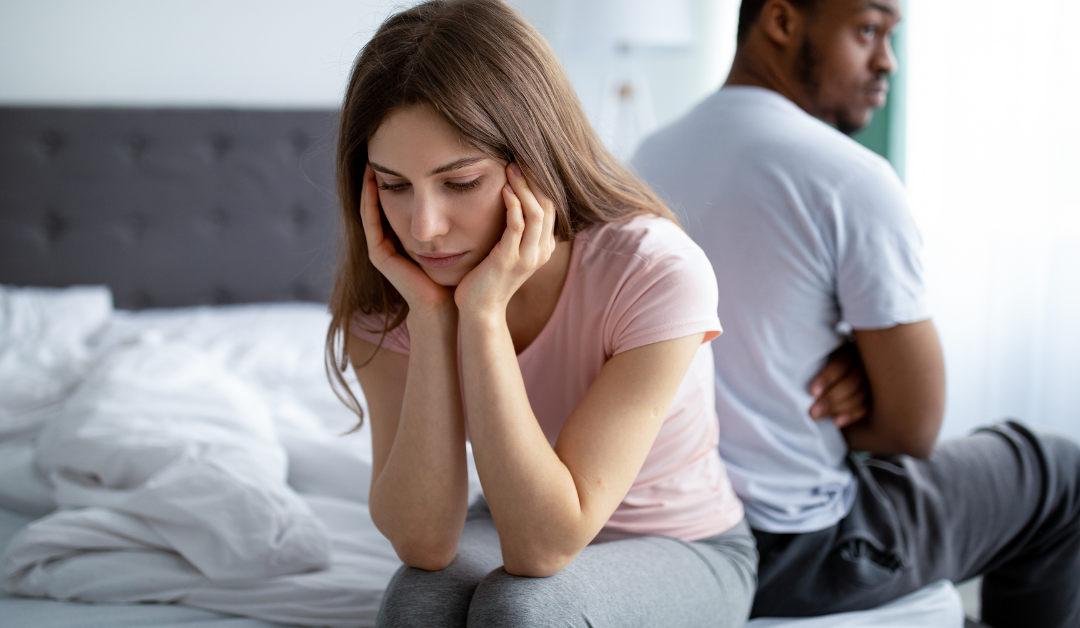
Mental load, emotional exhaustion, and unresolved relationship issues can take a toll on your libido. When you’re carrying the weight of emotional stress, it’s harder to connect emotionally, which can directly impact physical desire.
- Mental load and resentment = low libido
- Communication and emotional safety are key to rekindling desire in a relationship.
Engage in open communication, stress management, and quality time to reduce emotional load and improve your connection with your partner.
Taking Action for Better Libido and Hormone Health
Low libido is not just about hormones, it’s a multifactorial issue. By addressing stress, blood sugar, sleep, inflammation, and emotional load, you can take steps toward restoring your libido and overall hormone health.
At 1st Optimal, we offer lab tests, hormone therapy, peptides, and personalized coaching to support women on their journey to improved health and vitality. If you’re ready to take charge of your hormone health, book a free consultation today.
FAQs:
- What is the most common cause of low libido in women?
Hormonal imbalances, particularly during perimenopause or menopause, are a common cause. However, factors like stress, poor sleep, and chronic inflammation can also play significant roles. - How does stress affect my libido?
Chronic stress elevates cortisol levels, which can suppress reproductive hormones and decrease sexual desire. Managing stress through lifestyle changes and therapies can help restore libido. - Can blood sugar imbalances affect my libido?
Yes, unstable blood sugar can disrupt mood and hormone balance, both of which are critical for sexual desire. Eating a balanced diet with controlled carbs can help regulate blood sugar levels. - How important is sleep for hormone health and libido?
Sleep is essential for hormone production and balance. Poor sleep can lower testosterone and estrogen, leading to a reduction in libido. Focus on improving sleep quality to restore hormone health. - What are some effective treatments for low libido?
Treatments such as hormone replacement therapy (HRT), peptide therapies, and lifestyle changes (stress management, diet, exercise) can effectively address low libido and optimize hormone health.
About Us
1st Optimal is a functional medicine and performance health clinic dedicated to helping high-achieving adults optimize hormone health, weight, energy, and longevity. Follow 1st Optimal on Instagram
Founders:
- Joe Miller – Expert in functional medicine, hormone optimization, and health coaching. Follow Joe on Instagram
- Amber Miller – Operational leader specializing in patient experience, clinic growth, and holistic health. Follow Amber on Instagram
At 1st Optimal, we combine advanced diagnostics, personalized protocols, and coaching partnerships to deliver sustainable health results for midlife adults.
Ready to take control of your hormone health? Book a free consultation with 1st Optimal today and discover how our personalized services can help optimize your libido and overall well-being.