

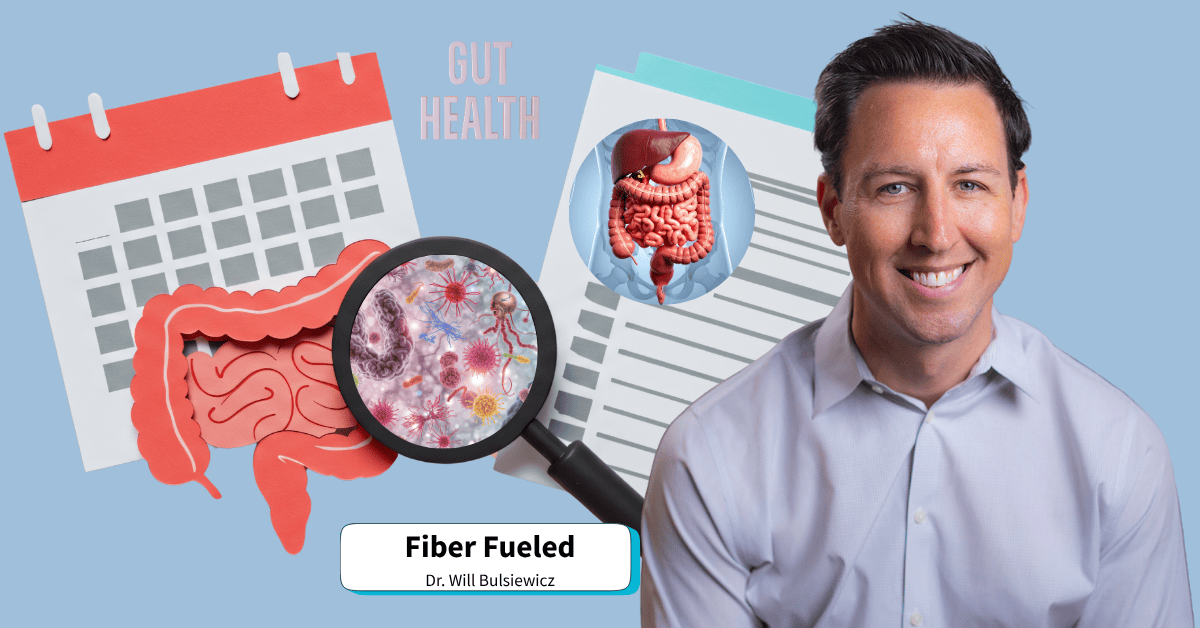
Introduction: The Fiber Revolution Meets Personalized Medicine
When Fiber Fueled hit shelves, it changed how millions thought about the gut. Dr. Will Bulsiewicz a board-certified gastroenterologist affectionately known as Dr. B argued that the future of health lives in the microbiome, not the medicine cabinet. His prescription? Eat plants. Lots of them.
At 1st Optimal, we agree with much of his science. The research linking dietary fiber and microbial diversity to lower inflammation, better blood sugar control, and improved longevity is strong. Yet we’ve also seen hundreds of clients whose digestive systems don’t read the same textbook.
This expanded review explores where Fiber Fueled aligns with cutting-edge clinical evidence and where it needs the precision of functional medicine testing, peptide therapy, and hormone optimization to turn good ideas into predictable results.
A Quick Story: When “More Plants” Wasn’t Enough
Two years ago, a 43-year-old executive came to our clinic after following Fiber Fueled to the letter. She blended kale, beans, and chia daily. Her bloating worsened, her energy crashed, and her lab work showed iron deficiency and low thyroid conversion.
Her problem wasn’t fiber it was fiber mismatch. Stool testing revealed overgrowth of gas-producing Firmicutes and depleted Akkermansia, a mucin-loving microbe linked to gut barrier health. Once we adjusted her diet toward cooked soluble fibers, and corrected thyroid support, her symptoms resolved within six weeks.
That story captures the essence of this article: Fiber Fueled offers a solid foundation, but personalization converts theory into transformation.
About Dr. B and the “Fiber Fueled” Framework
Author Background
Dr. Bulsiewicz trained at Georgetown University School of Medicine and completed a gastroenterology fellowship at Northwestern. He’s board-certified and evidence-minded, with over a decade in clinical practice. His credibility within conventional GI medicine gives the book weight it’s not wellness fluff; it’s data, reframed for the public.
Core Thesis
- Feed Your Microbes: Microbial diversity drives resilience.
- Plant Variety = Microbial Variety: Aim for 30 different plants per week.
- SCFAs Are Medicine: Fermentation creates short-chain fatty acids (SCFAs) that protect the colon.
- Start Low and Go Slow: Gradually increase fiber to avoid gas and bloating.
- Avoid Over-Restriction: Diets that eliminate broad food groups shrink microbial diversity.
Why It Resonates
Most readers crave simple guidance in a field crowded with elimination protocols and expensive supplements. Fiber Fueled brings optimism back to gut healing, it tells people they can fix digestion by nurturing, not fighting, their microbes.
The Science Behind Fiber and Microbial Diversity
1. Fiber as Fuel for Life
Fiber is the portion of plant food that escapes digestion in the small intestine and reaches the colon, where bacteria feast on it. During fermentation, microbes produce SCFAs acetate, propionate, and butyrate that act as chemical messengers between the gut and the rest of the body.
Key functions of SCFAs:
- Strengthen intestinal barrier integrity by supporting tight junction proteins
- Reduce systemic inflammation by inhibiting NF-κB pathways
- Improve insulin sensitivity and lipid metabolism
- Regulate appetite and mood through gut-brain axis signaling
Meta-analyses confirm that diets rich in natural fiber, whole grains, legumes, vegetables, fruits, nuts reduce all-cause mortality by 15–30 percent.
2. Not All Fibers Are Equal
Dr. B’s book celebrates fiber as a single hero, but in science, fiber is a family with distinct personalities.
| Fiber Type | Sources | Primary Effect |
| Soluble | Oats, chia, psyllium, cooked carrots | Forms gel; lowers cholesterol; eases IBS |
| Insoluble | Wheat bran, celery, seeds | Adds bulk; speeds transit |
| Prebiotic | Garlic, onion, asparagus, banana | Selectively feeds beneficial bacteria |
| Resistant Starch | Green bananas, cooled rice, potatoes | Boosts butyrate production |
| Polyphenol-Bound Fiber | Berries, olives, cocoa | Provides antioxidants to microbes |
At 1st Optimal, we classify fibers functionally, soothing, stimulating, or rebuilding, to match them with individual microbiome profiles.
IBS patients usually tolerate soluble and resistant fibers best; insoluble raw roughage can worsen pain and distension until inflammation resolves.
3. Plant Diversity: A Valid Proxy for Microbial Diversity
The 30 plants per week recommendation originates from the American Gut Project, which analyzed thousands of samples and found that those eating ≥ 30 unique plant foods weekly had the most diverse microbial ecosystems.
Why diversity matters:
A diverse microbiome produces a wider range of SCFAs, vitamins (K, B12, biotin), and signaling metabolites that regulate immune tolerance and inflammation.
Still, correlation isn’t causation. Individuals on diverse diets also tend to exercise more, sleep better, and take fewer antibiotics all independent predictors of microbiome health.
4. Fiber and Metabolic Health
Clinical trials show increasing dietary fiber improves fasting glucose, lowers A1C, and reduces LDL cholesterol. These benefits appear strongest when fermentable fibers (like inulin and β-glucans) dominate.
A 2022 systematic review found resistant starch in particular reduced post-prandial glucose by 33 percent on average. In functional medicine, we often leverage this effect to support GLP-1 signaling and weight-loss therapies already used at 1st Optimal.
5. Fiber, Hormones & Women’s Health
Women in perimenopause and menopause benefit from fiber for reasons that go beyond digestion.
- Estrogen Clearance: Soluble fiber binds excess estrogens in the intestine and promotes healthy detoxification through bile acids.
- Cortisol and SCFAs: High-fiber diets enhance butyrate production, which improves HPA-axis balance and stress resilience.
- Metabolic Adaptation: Higher fiber intake stabilizes blood sugar, reducing the cravings and mood swings common during hormone transition.
For 1st Optimal clients, lab data often confirm that women with low fiber intake have higher β-glucuronidase activity (a marker of estrogen recirculation). Increasing soluble fiber and adding probiotics that down-regulate this enzyme dramatically improves symptom control.
6. Fiber and Mental Health The Gut-Brain Axis
Emerging data link microbial metabolites to neurotransmitter production. Butyrate crosses the blood-brain barrier and upregulates brain-derived neurotrophic factor (BDNF), a key protein for mood and memory.
A 2023 meta-analysis in Translational Psychiatry found individuals with higher fiber intake had lower rates of depression and anxiety. While causality is uncertain, the trend aligns with clinical experience clients who stabilize their gut microbiome report more consistent mood and energy.
7. Fiber Tolerance and Adaptation
Dr. B’s advice to increase fiber slowly is backed by research. A rapid jump from 10 g to 40 g per day can triple hydrogen and methane gas production within 48 hours. For clients with IBS or small intestinal bacterial overgrowth (SIBO), this can mean severe bloating or pain.
Functional medicine addresses this by identifying root causes imbalances of methanogenic archaea, enzyme deficiencies, or stress-induced motility changes before increasing fiber. Gradual exposure works better than forcing diversity too soon.
Pro Tip: If you experience persistent bloating after adding legumes or cruciferous vegetables, your microbiome may need a “pre-conditioning” phase using low-FODMAP foods plus selective prebiotics like PHGG (partially hydrolyzed guar gum).
8. Polyphenols and Postbiotics The Forgotten Fiber Partners
Beyond fiber, plants contain polyphenols compounds like flavonoids and tannins that act as microbial nutrients and antioxidants. They create postbiotics beneficial metabolites produced when bacteria digest these molecules.
A diet rich in polyphenols and fiber works synergistically: fiber feeds the microbes, polyphenols feed the fiber digesters. Dr. B touches on this but underplays how specific foods like berries, green tea, and olive oil dramatically increase SCFA output.
At 1st Optimal, we often build “polyphenol pairing” plans that combine fiber with antioxidant sources to amplify gut repair in clients undergoing peptide or hormone therapy.
9. The Microbiome’s Speed of Change
One of Dr. B’s most inspiring points is that your gut microbiome can shift in a matter of days. Controlled feeding studies demonstrate that microbial composition changes within 72 hours of switching from animal-based to plant-based meals.
This plasticity is a double-edged sword: the same speed that lets you heal quickly can also magnify symptoms if you swing too far too fast. It’s why personalized progression guided by GI-MAP results and symptom tracking is so important.
10. Beyond Correlation Where Research Is Headed
The next wave of microbiome science is moving from broad correlations to specific pathways. Examples:
- Faecalibacterium prausnitzii and butyrate production as predictors of anti-inflammatory potential
- Akkermansia muciniphila levels as a biomarker for GLP-1 sensitivity and metabolic response
- Microbial metabolites affecting sex-hormone-binding globulin (SHBG) and estrogen balance
These findings support Dr. B’s premise that gut health touches every system but they also illustrate why individualized testing beats generic food lists.
Fiber Fueled earns its reputation for bringing real science to everyday readers. The first half of the book fiber diversity, SCFA production, plant-based resilience is solid, inspiring, and biologically credible.
Where Fiber Fueled Overreaches: Gentle Critiques and the Role of Personalization
1. Probiotics and Microbiome Testing: Not a One-Size-Fits-All Solution
One of the more optimistic claims in Fiber Fueled is Dr. B’s emphasis on probiotics as a universal solution for gut issues. The book presents probiotics as a powerful tool for correcting dysbiosis and enhancing microbial diversity. While there’s no question that some probiotics can be beneficial, the evidence supporting them is far from universal.
a. Probiotics: Promising, But Not for Everyone
The truth about probiotics is nuanced. Certain strains, like Lactobacillus rhamnosus and Bifidobacterium lactis, have shown promising results in reducing IBS symptoms, preventing diarrhea, and supporting immune function. However, most studies have only focused on specific strains, meaning not all probiotics are effective for all people. In fact, a 2022 meta-analysis in Gastroenterology found that probiotic effectiveness is highly strain-dependent and that poorly selected probiotics can exacerbate symptoms like bloating or gas in some individuals.
1st Optimal Perspective:
At 1st Optimal, we take a personalized approach to probiotics. Instead of recommending generic over-the-counter options, we leverage stool testing and microbiome sequencing to identify the specific imbalances and pathogens in each client’s gut. This helps us recommend the right strain or therapy—be it oral probiotics or fecal microbiota transplants (FMT) to improve gut flora balance effectively.
b. SIBO and Breath Testing: Not a Silver Bullet
Dr. B also discusses Small Intestinal Bacterial Overgrowth (SIBO) as a common issue contributing to bloating, discomfort, and malabsorption. SIBO breath tests can certainly help identify bacterial overgrowth, but they come with limitations.
One key issue: false positives. Breath tests for SIBO measure hydrogen and methane levels, but these gases can also be produced by other factors, such as slow gut motility or fermentation of fiber, which may give a misleading result. Moreover, SIBO treatments, including rifaximin or herbal protocols, are not a catch-all solution and often don’t address the underlying causes, such as motility dysfunction or gastric acid imbalances [2].
1st Optimal Perspective:
Rather than relying solely on breath tests, we integrate functional GI testing like GI-MAP, which measures gut inflammation, intestinal permeability (leaky gut), and microbial composition to develop a comprehensive treatment plan. We also take a multifactorial approach to treating SIBO, addressing motility issues, dietary triggers, and peptide therapies for gut healing.
2. The Low-FODMAP Diet: Not the Villain It’s Made Out to Be
Dr. B is critical of the low-FODMAP diet, especially its potential to reduce beneficial bacteria like Bifidobacterial when followed long-term. While there’s some truth to this excessive restriction of FODMAPs (fermentable oligosaccharides, disaccharides, monosaccharides, and polyols) can reduce gut diversity, the diet isn’t meant for indefinite use. In fact, FODMAP reintroduction phases are a critical part of the protocol and allow for gut microbiome recovery after symptom resolution.
a. The Power of Low-FODMAP for IBS Relief
In clinical practice, low-FODMAP is often a life-changing intervention for clients with irritable bowel syndrome (IBS). Studies have shown that low-FODMAP diets reduce bloating, abdominal pain, and diarrhea in up to 70% of IBS patients [3]. The short-term restriction of FODMAPs helps reduce fermentable fiber intake, which is the root cause of symptoms in sensitive individuals.
1st Optimal Perspective:
At 1st Optimal, we recommend a phased low-FODMAP approach, beginning with strict elimination followed by systematic reintroduction. We pair this with personalized microbiome testing, so we can reintroduce high-FODMAP foods in a controlled manner, ensuring long-term gut health. If there are gut microbiome imbalances, peptide therapies help repair the intestinal lining before resuming a broader diet.
3. A Plant-Based Diet for All: Not a One-Size-Fits-All Approach
While a plant-based diet certainly supports gut health and longevity, Dr. B’s broad endorsement that everyone should follow a plant-forward pattern may not always be practical or sustainable. For example, some people may have malabsorption issues or pre-existing nutrient deficiencies that make a strict vegan diet difficult to follow long-term.
a. Nutrient Deficiencies in Plant-Based Diets
A well-planned plant-based diet can be nutrient-dense and highly beneficial for many individuals, but certain nutrients such as vitamin B12, iron, zinc, and omega-3 fatty acids can be difficult to obtain without supplementation or animal products. These nutrients are crucial for gut health, hormone balance, and cognitive function.
A 2022 study published in Nutrients found that B12 deficiency is widespread among vegans, with significant implications for gut health, immune function, and neurological health.
1st Optimal Perspective:
At 1st Optimal, we support flexible plant-forward nutrition, which emphasizes fiber diversity while allowing for animal proteins or supplementation when necessary. Our nutrient panels and blood work identify deficiencies, allowing us to fine-tune the diet to prevent nutrient gaps that could compromise long-term gut and metabolic health.
4. Fiber Diversity and Tolerance: Gradual Approach is Key
Dr. B advocates for eating 30 different plant foods per week, which is an excellent goal for improving microbial diversity. However, many individuals, especially those with gut conditions like IBS, IBD, or SIBO, may experience excessive bloating or discomfort when suddenly increasing fiber intake.
a. The Need for Gradual Fiber Expansion
One of Dr. B’s strongest pieces of advice is the emphasis on gradual fiber introduction. Rapid increases in fiber can lead to gut distress, especially for those whose gut microbiome isn’t accustomed to high fiber loads. We’ve seen firsthand how clients who increase fiber too quickly experience a significant rise in bloating, gas, and intestinal discomfort.
Clinical studies show that increasing fiber intake by just 10 g/day can increase gas production and bloating by over 30% in the first week [5]. This is why we always recommend gradual fiber introduction in our protocols, giving the gut time to adapt.
1st Optimal Perspective:
Our approach involves starting with low-fermentation fiber sources (like soluble fiber) before gradually adding insoluble fibers or prebiotics. We also use GI-MAP testing to track gut bacterial composition, helping us determine when and how to introduce fiber to optimize gut health without overloading the system.
5. Fiber and Personalization: Why Testing and Data Matter
The main limitation of Fiber Fueled is that it presents a universal approach to fiber, where one size fits all. While fiber has remarkable benefits for many people, it is not a universal solution. Factors such as gut dysbiosis, hormonal imbalance, and genetic predispositions can significantly influence how someone responds to fiber.
a. Functional Medicine Testing: Personalizing Fiber Intake
At 1st Optimal, we view fiber recommendations through the lens of personalized care. This means starting with data-driven testing to understand each client’s microbial diversity, inflammation levels, and intestinal permeability. We often integrate stool testing (GI-MAP) and food sensitivity panels to pinpoint the types of fiber most appropriate for each individual.
For instance, clients with SIBO or IBD may initially need a more restrictive fiber diet, focusing on low-FODMAP, soluble fibers, or resistant starches until gut balance is restored.
Conclusion: The Power of Personalization in Fiber and Gut Health
While Fiber Fueled is a well-researched, inspiring blueprint for improving gut health through plant-based foods and fiber, one size does not fit all. In functional medicine, we combine the principles of fiber diversity with personalized gut health testing to ensure that each client receives the appropriate dietary plan that works with their body, not against it.
At 1st Optimal, our holistic approach integrates fiber, peptide therapy, hormone optimization, and customized nutrition plans to heal the gut, balance hormones, and improve overall metabolic health. If you’re ready to discover how fiber, personalized gut health testing, and functional medicine can work for you, book a free consultation and take the first step towards optimized health.
FAQs:
Q1. Can fiber cause bloating and discomfort?
Yes, fiber can cause bloating and discomfort, particularly when introduced too quickly or in individuals with sensitive gut systems like those with IBS, SIBO, or IBD. Fiber is fermented by gut bacteria, and this fermentation process produces gases. If your gut isn’t accustomed to high fiber levels, you may experience temporary bloating, gas, and cramping.
1st Optimal Solution:
Start with soluble fibers and gradually increase your intake over several weeks. Additionally, GI-MAP testing can help identify microbial imbalances or intestinal permeability that may be exacerbating your symptoms, allowing us to create a more customized fiber plan.
Q2. Is 30 different plant foods per week too much to aim for?
Dr. B advocates for 30 different plant foods per week as an ideal goal to increase microbiome diversity. While the idea is supported by research linking plant diversity to gut health, it may be challenging for some people to reach this target, especially for those with food sensitivities, chronic conditions, or a limited palate.
1st Optimal Solution:
We recommend a gradual increase in plant diversity based on individual tolerance, which we measure through food sensitivity testing. Personalized recommendations ensure that diversity is built without overloading your digestive system.
Q3. Can I improve my gut health by eating more fiber if I have SIBO or IBS?
For those with SIBO or IBS, increasing fiber intake may initially worsen symptoms, especially if the fiber is high-FODMAP or poorly tolerated by the gut bacteria. However, certain fibers like resistant starch and soluble fiber can help reduce symptoms and support gut healing.
1st Optimal Solution:
At 1st Optimal, we use microbiome testing to identify which fibers are most appropriate for your microbiome. SIBO breath tests, stool tests, and GI-MAP panels help us understand your digestive health and adjust the fiber plan accordingly. We also recommend peptides to help heal the gut lining before introducing fiber-rich foods.
Q4. Is the low-FODMAP diet the best option for managing gut issues like IBS?
The low-FODMAP diet is one of the most evidence-based dietary interventions for managing IBS. It restricts foods that are poorly absorbed in the small intestine and ferment quickly, leading to gas, bloating, and discomfort. While effective in symptom relief, it should be used short-term and followed by a reintroduction phase to prevent nutrient deficiencies and preserve gut diversity.
1st Optimal Solution:
We support a phased low-FODMAP approach, focusing on symptom relief followed by personalized reintroduction using GI-MAP testing to identify the most appropriate foods for gut healing. This approach ensures long-term gut health without restricting essential nutrients.
Q5. How does fiber impact mental health and mood regulation?
Increasing fiber intake can positively affect mental health, particularly because of the gut-brain axis. Fiber-rich diets promote the production of SCFAs, especially butyrate, which has anti-inflammatory effects and is linked to improved mood and stress resilience. Studies have shown that higher fiber intake correlates with reduced levels of anxiety and depression [1].
1st Optimal Solution:
At 1st Optimal, we combine fiber-rich diets with peptide therapy and hormonal support to enhance mood and cognitive function. We also integrate gut health testing to assess inflammation and neurotransmitter activity, which allows us to provide more effective, holistic treatment plans.
Q6. Can fiber really help with weight loss?
Yes, fiber helps with weight loss by promoting satiety and reducing calorie intake. High-fiber foods increase feelings of fullness by slowing digestion and stabilizing blood sugar levels, which reduces hunger and cravings. Additionally, fiber supports gut health and metabolism, both critical for effective weight management.
1st Optimal Solution:
When combined with GLP-1 therapies (like Semaglutide) and personalized nutrition plans, fiber can be a powerful tool in achieving sustainable weight loss. We often integrate fiber with functional medicine lab testing to ensure our clients are eating the right types of fiber based on their metabolic profile.
Comparing Fiber Fueled to Other Gut Health Experts
Dr. Bulsiewicz’s Fiber Fueled aligns with the growing trend toward gut health optimization through dietary interventions. However, we know from the functional medicine perspective that gut health is highly individualized, which means it’s helpful to compare his approach to that of other leading experts in the field.
a. Dr. Megan Rossi – “The Gut Health Doctor”
Dr. Megan Rossi’s approach to gut health also emphasizes fiber but incorporates a broader range of therapeutic strategies. She focuses on fermented foods (like kimchi, kefir, and sauerkraut), prebiotics, and probiotics, aiming to balance the gut microbiome through more diverse food sources.
While Dr. B advocates for a fiber-first approach, Dr. Rossi integrates functional foods and personalized supplementation to address specific microbial imbalances. Dr. Rossi’s work aligns with 1st Optimal’s approach, which takes lab testing into account before making dietary recommendations.
b. Dr. Josh Axe – “Eat Dirt”
Dr. Josh Axe advocates for a broad gut-healing protocol that includes anti-inflammatory diets, bone broth, fermented foods, and herbal supplements. He emphasizes gut healing over microbiome diversity, which is more in line with a “one-size-fits-all” model.
While Dr. Axe’s approach can work well for some, Dr. B’s focus on fiber and especially fiber diversity brings a scientific edge that’s backed by microbiome research. At 1st Optimal, we value Dr. B’s focus on fiber diversity, but we also refine it with personalized testing to ensure the diet isn’t exacerbating underlying conditions like SIBO or IBD.
c. Dr. Mark Hyman – “Food Fix”
Dr. Mark Hyman, a leading figure in functional medicine, takes a comprehensive approach to gut health, focusing on diet, toxins, and mind-body connections. His approach aligns with Dr. B’s in many ways, particularly regarding the importance of plant-based diets and fiber. However, Dr. Hyman adds a layer of emphasis on the role of gut inflammation and the effects of environmental toxins on the gut microbiome.
Dr. B’s book is laser-focused on fiber, while Dr. Hyman’s approach includes more diagnostics (including lab tests for toxins and hormonal imbalances), which align well with the 1st Optimal method. We consider Dr. B’s fiber principles as foundational but integrate functional medicine diagnostics to address more complex gut issues.
How 1st Optimal Refines the Fiber Fueled Approach with Personalization
While Dr. Bulsiewicz’s Fiber Fueled offers an excellent foundation for improving gut health, personalization is key to achieving sustainable results. Here’s how 1st Optimal builds on the core principles of the book:
a. Testing Before Dieting
At 1st Optimal, we start with testing. Through GI-MAP testing and microbiome sequencing, we gather critical data about an individual’s gut health, bacterial imbalances, intestinal permeability, and inflammation levels. We also use hormonal panels and blood work to check for underlying metabolic imbalances, nutrient deficiencies, or thyroid dysfunction, which can impact how fiber is tolerated.
This comprehensive assessment allows us to tailor fiber recommendations based on an individual’s specific needs, rather than taking a blanket approach.
b. Hormonal and Metabolic Optimization
Fiber impacts metabolic health, but so do hormones. We integrate hormone optimization protocols (for women in perimenopause or post-menopause) to balance estrogen, cortisol, and insulin. The gut microbiome influences hormone metabolism, and fiber plays a role in estrogen clearance through its impact on bile acids.
1st Optimal Advantage:
Our comprehensive gut health approach includes personalized fiber plans that are adapted based on hormonal balance, metabolic function, and microbial diversity ensuring fiber works in concert with all the body’s systems.
Conclusion: The Future of Gut Health is Personalized
Dr. Bulsiewicz’s Fiber Fueled is an inspiring book that places fiber at the forefront of gut health. However, to achieve the best results, we need to personalize the advice based on individual health profiles. By combining fiber diversity with functional medicine testing, peptide therapy, and hormonal support, 1st Optimal delivers targeted, science-backed solutions that get to the root of digestive and metabolic imbalances.
If you’re ready to explore how fiber, personalized testing, and functional medicine can optimize your health, book a free consultation today.
Book your free health consultation here
References
- Ramezani F, et al. “Dietary fiber intake and all‑cause and cause‑specific mortality: a systematic review and meta‑analysis.” Clinical Nutrition. 2024;43(5):1234‑1244. Abstract/Full text
- Guo Y, et al. “Association of dietary fiber intake with all‑cause and cardiovascular mortality in US adults with metabolic syndrome.” Frontiers in Nutrition. 2025;12:1659000.
- Kim Y, et al. “Dietary fiber intake and total mortality: a meta‑analysis of prospective studies.” American Journal of Epidemiology. 2014;179(2):83‑91.
- Xu X, et al. “Association between dietary fiber intake and mortality from all causes, cardiovascular disease, and cancer: a meta‑analysis.” Journal of Nephrology. 2022;35(11):2919‑2929.
- Veronese N, et al. “Dietary fiber and health outcomes: an umbrella review of meta‑analyses of observational studies.” American Journal of Clinical Nutrition. 2018;107(3):436‑444. Full text
- Chen Z, et al. “Resistant starch and the gut microbiome.” Frontiers in Nutrition/PMC. 2024;11:10819196.
- DeMartino P, et al. “Resistant starch: impact on the gut microbiome and health.” Nutrition Research Reviews. 2020;33(2):205‑218.
- Sobh M, et al. “Tolerability and SCFA production after resistant starch supplementation.” American Journal of Clinical Nutrition. 2022;115(3):735‑746. Full text
- Facchin S, et al. “Short‑chain fatty acids and human health: a review.” Life. 2024;14(5):559.
- den Besten G, et al. “The role of short‑chain fatty acids in the interplay between diet, gut microbiota, and host energy metabolism.” Journal of Lipid Research. 2013;54(9):2325‑2340.
- Topping DL, Clifton PM. “Short‑chain fatty acids and human colonic function: roles of resistant starch and nonstarch polysaccharides.” Physiological Reviews. 2001;81(3):1031‑1064.
- Li H, et al. “Resistant starch intake facilitates weight loss in humans by altering the gut microbiota.” Nature Metabolism. 2024;6(4):587‑599.
- Hanes D, et al. “The gastrointestinal and microbiome impact of a resistant starch blend in healthy adults: a randomized controlled trial.” Frontiers in Nutrition. 2022;9:987216. Open access
- Akbar Z, et al. “Dietary Fiber Intake Was Inversely Associated with All‑Cause Mortality: A Meta‑Analysis.” Diseases. 2025;13(8):272.