

Living longer sounds great.
But there is an important question that often gets left out of the longevity conversation:
What will those extra years actually feel like?
There is a big difference between adding years to your life and adding healthy, capable years to your life.
That distinction is the difference between lifespan and healthspan.
Lifespan measures how long you live. Healthspan is more focused on how long you maintain your physical health, mental health, independence, mobility, and ability to do the things that matter to you.
And increasingly, that is where the conversation around longevity is heading.
The World Health Organization defines healthy aging around maintaining the functional ability that allows people to continue doing what they value as they get older. In other words, healthy aging is about much more than avoiding a diagnosis. It is also about maintaining physical and mental capacity.
So if your goal is to “stay younger longer,” the better question may not be:
How do I live to 100?
It may be:
How do I stay strong, mobile, mentally sharp, metabolically healthy, and independent for as much of my life as possible?
What Is the Difference Between Healthspan and Lifespan?
The simplest way to think about healthspan vs. lifespan is this:
| Lifespan | Healthspan | |
|---|---|---|
| What it describes | Total years lived | Years spent in relatively good health and function |
| Primary focus | Survival | Quality and function |
| Examples of outcomes | Age at death | Mobility, strength, cognition, independence, disease burden |
| Goal | Live longer | Stay healthier for more of the years you live |
Lifespan is relatively straightforward. It begins at birth and ends at death.
Healthspan is harder to define precisely because health is not an on/off switch.
A person could have high blood pressure that is well controlled, for example, while remaining strong, active, socially engaged, and completely independent.
For that reason, modern discussions of healthspan increasingly focus on delaying significant chronic disease and functional decline rather than expecting someone to remain completely disease-free throughout life.
Why Healthspan Matters More Than Just Living Longer
Modern medicine has become increasingly effective at helping people survive illnesses that would once have shortened their lives.
That is an enormous achievement.
But longevity creates a second challenge: making sure those additional years are healthy ones.
The National Institute on Aging notes that as life expectancy increases, keeping additional years as free as possible from disability and chronic disease becomes increasingly important. Lifestyle and environmental factors can meaningfully influence how people age.
Think about what most people actually want as they get older.
They want to keep traveling.
They want enough strength to exercise, carry groceries, play with their grandchildren, or get off the floor without assistance.
They want their brain working well.
They want to maintain their independence.
They want enough energy to keep participating in their career, relationships, and hobbies.
That is healthspan.
What Actually Helps You Stay Younger Longer?
There is no single supplement, medication, diet, hormone, wearable, or longevity treatment that can guarantee slower aging.
The interventions with the strongest evidence are much less exotic.
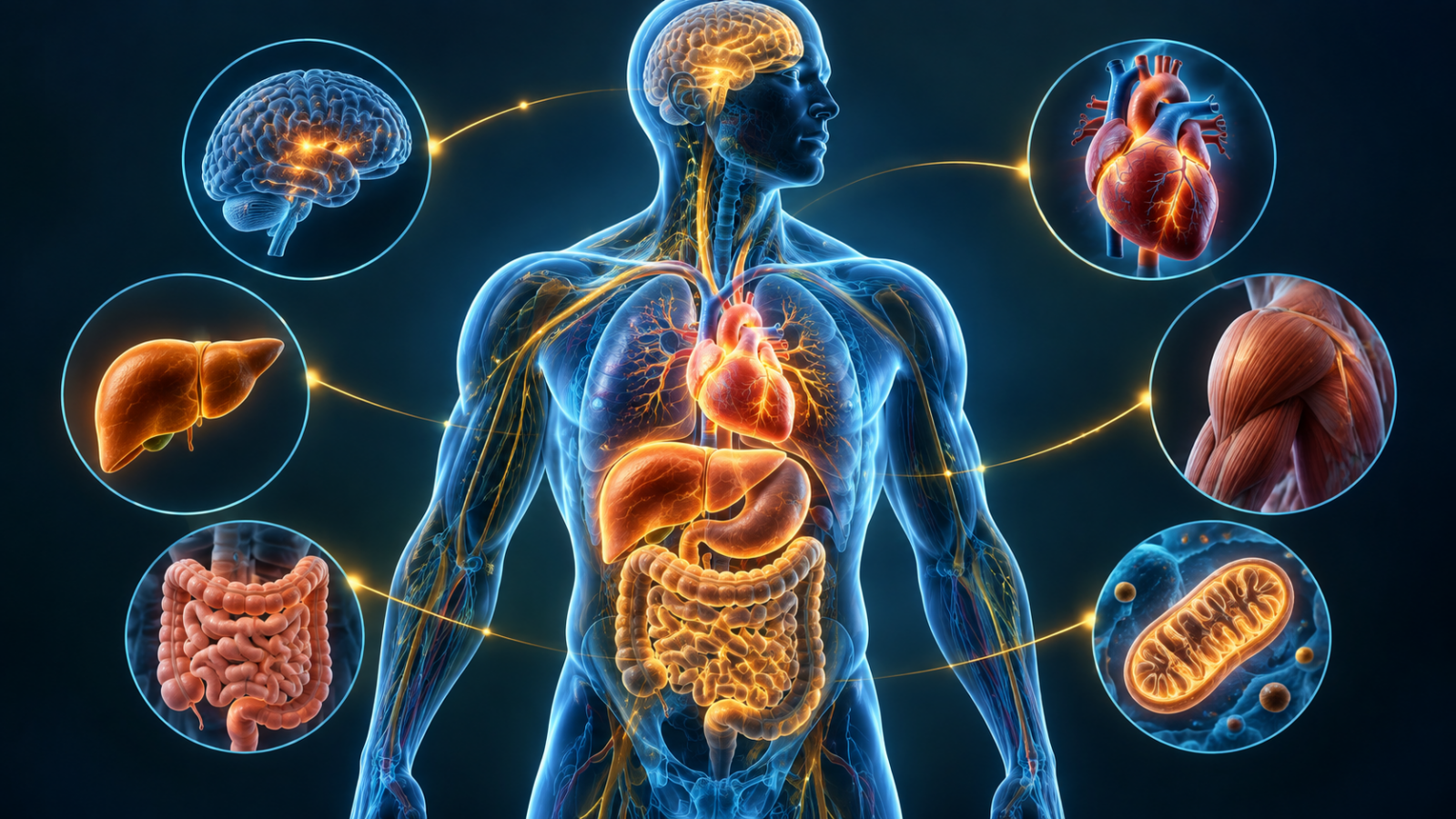
They involve preserving the systems that allow your body and brain to keep functioning.
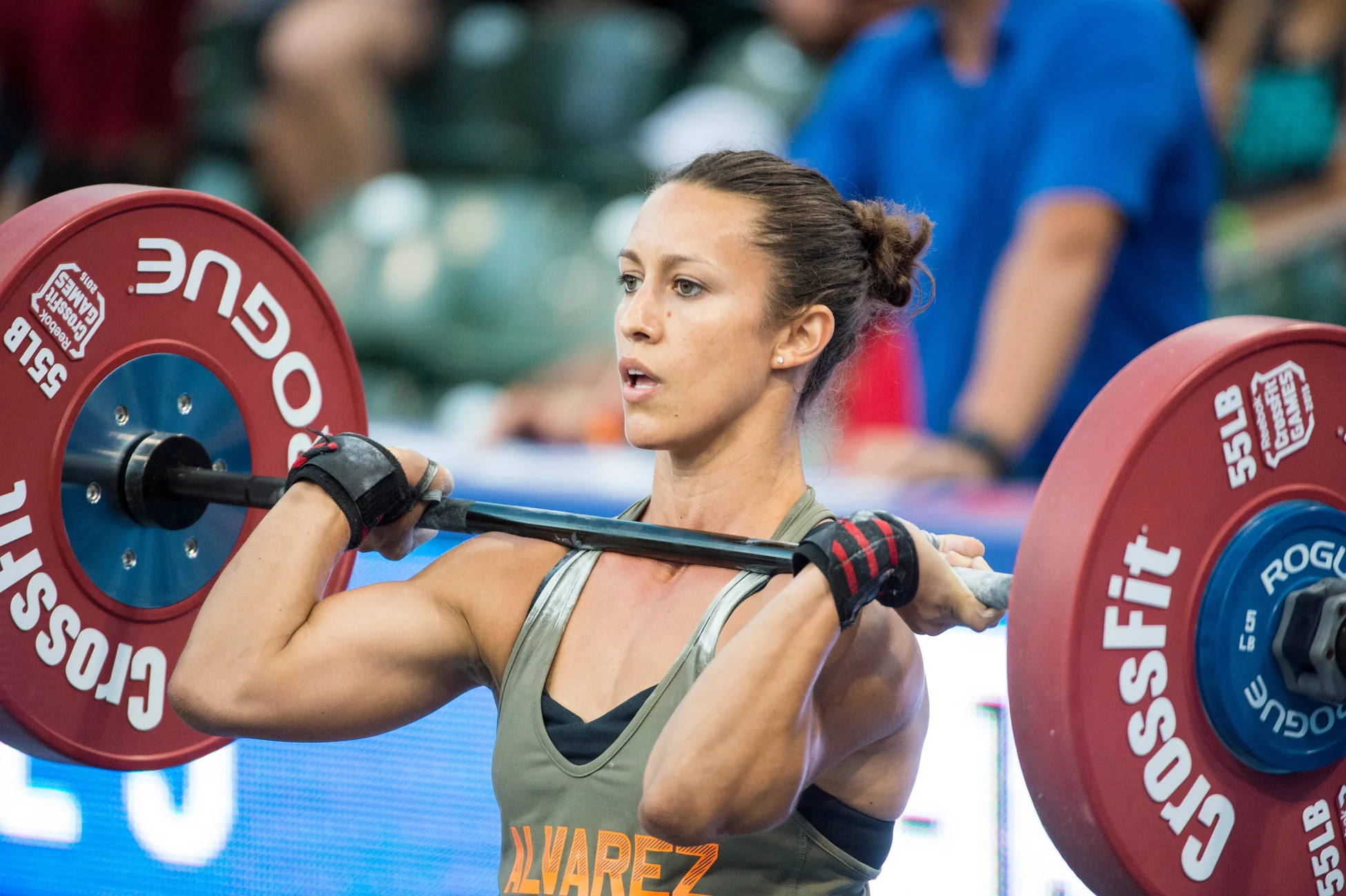
1. Build and Preserve Muscle
One of the most important healthspan strategies is also one of the most overlooked:
Do not allow yourself to become progressively weaker as you age.
Resistance training helps maintain muscle strength and physical function. Physical activity also supports bone health, balance, cardiovascular health, metabolic health, and the ability to continue performing everyday activities independently.
The National Institute on Aging recommends a combination of aerobic exercise, muscle-strengthening exercise, and balance activities as part of healthy aging.
This becomes particularly important through your 40s, 50s, and beyond.
The goal is not simply to look muscular.
The goal is to maintain enough physical reserve that normal life remains easy.
Carrying luggage should not become a maximal-strength workout.
Climbing stairs should not feel like a cardiovascular stress test.
Getting up from the floor should not become a major event.
Muscle is part of your long-term health infrastructure.
2. Maintain Your Cardiovascular Fitness
Strength matters, but so does your cardiovascular system.
Regular physical activity is associated with lower risks of cardiovascular disease, stroke, type 2 diabetes, several cancers, cognitive decline, and premature death.
It also supports sleep, blood pressure, mood, mobility, and healthy body weight.
For most adults, the broad public-health target remains at least 150 minutes of moderate-intensity aerobic activity per week, or approximately 75 minutes of vigorous activity, together with muscle-strengthening exercise.
You do not need to become an endurance athlete.
Walking faster, hiking, cycling, swimming, interval training, recreational sports, and other forms of cardiovascular exercise can all contribute.
The best form of exercise is ultimately one you can perform safely and consistently.
3. Eat for Metabolic Health, Not Just Weight Loss
Many people begin thinking seriously about health after gaining weight.
But nutrition affects much more than the number on the scale.
Diet influences blood sugar regulation, cardiovascular risk, digestive health, bone health, muscle preservation, micronutrient status, and overall metabolic health.
The pattern matters more than finding a magical “longevity food.”
Healthy dietary patterns generally emphasize vegetables, fruit, minimally processed foods, adequate protein, whole grains where appropriate, healthy fats, nuts, seeds, and other nutrient-dense foods while limiting heavily processed foods, excessive added sugars, saturated fat, and sodium.
Protein deserves particular attention as you age because maintaining muscle becomes increasingly important.
That does not mean everyone needs the same protein intake.
Your requirements depend on factors such as body size, activity level, training goals, health status, and overall calorie intake.
The goal is not dietary perfection.
It is creating an eating pattern you can maintain for decades.
4. Stop Treating Sleep Like Optional Recovery
People frequently sacrifice sleep in pursuit of productivity.
Eventually, their biology collects the bill.
Adults generally need around 7 to 9 hours of sleep per night, although individual needs vary. Sleep supports cognitive function, mood, energy, tissue repair, cardiometabolic health, and overall well-being.
Sleep quality matters too.
Persistent snoring, waking frequently, chronic insomnia, excessive daytime sleepiness, or never feeling rested despite spending enough time in bed should not automatically be dismissed as “getting older.”
Conditions such as obstructive sleep apnea can significantly disrupt sleep and deserve evaluation when symptoms suggest a problem.
For healthspan, recovery is not separate from performance.
It is part of performance.
5. Know Your Cardiometabolic Numbers
Some of the biggest threats to healthspan develop quietly.
High blood pressure may not make you feel bad.
Elevated cholesterol may not make you tired.
Increasing blood glucose may not immediately interfere with your day.
But over time, cardiometabolic risk factors can contribute to cardiovascular disease, kidney disease, nerve damage, stroke, and other conditions that can dramatically reduce both lifespan and healthspan.
The American Heart Association’s Life’s Essential 8 framework emphasizes healthy eating, physical activity, avoiding nicotine, healthy sleep, healthy weight, blood lipids, blood glucose, and blood pressure as major components of long-term cardiovascular health.
This is one reason routine testing matters even when you feel healthy.
Depending on your age, symptoms, medical history, medications, family history, and individual risk, a clinician may evaluate markers related to glucose regulation, lipids, blood pressure, blood counts, nutrient status, thyroid function, and other areas.
The goal is not to collect as many biomarkers as possible.
It is to identify meaningful risk factors early enough to do something about them.
6. Pay Attention to Body Composition, Not Only Body Weight
Two people can weigh exactly the same amount while having very different metabolic and physical health.
Body weight alone cannot tell you how much muscle you carry, where fat is stored, how physically fit you are, or whether your metabolic health is improving.
This is why healthspan-focused care often looks beyond weight alone.
Muscle mass, waist circumference, strength, aerobic fitness, blood pressure, glucose regulation, lipid levels, sleep, and physical function can provide additional context.
The objective should not simply be becoming lighter.
It should be building a body capable of supporting you for decades.
7. Avoid Tobacco and Be Thoughtful About Alcohol
Longevity becomes much harder when your daily habits repeatedly expose your body to things known to increase chronic disease risk.
Tobacco remains one of the clearest examples.
Stopping smoking reduces the risk of heart disease, lung disease, cancer, premature death, and several other serious conditions, including for people who have smoked for many years.
Alcohol deserves attention as well.
The CDC notes that alcohol consumption increases the risk of several cancers and that drinking less is associated with lower risk than drinking more.
Longevity is not only about what you add.
Sometimes improving healthspan means removing exposures that steadily increase risk.
8. Protect Your Relationships and Social Health
Exercise and nutrition dominate most longevity conversations.
Human connection receives far less attention.
It should not.
Social isolation and loneliness have been associated with increased risks of cardiovascular problems, depression, cognitive decline, and earlier death.
Healthy aging therefore includes more than biomarkers.
Relationships, community, purpose, hobbies, meaningful work, and regular interaction with other people are also part of maintaining a healthy life.
You are not simply trying to keep your cells alive.
You are trying to maintain a life worth participating in.
9. Use Preventive Medicine Before You Feel Sick
Traditional healthcare often becomes most visible after something goes wrong.
Healthspan requires thinking earlier.
That means knowing your risk factors before they become major problems.
Blood pressure can be addressed before cardiovascular disease develops.
Insulin resistance can be identified before metabolic dysfunction progresses.
Nutrient deficiencies can be investigated instead of assuming persistent fatigue is simply part of aging.
Sleep problems can be evaluated.
Changes in body composition can trigger a closer look at nutrition, physical activity, medications, hormones, sleep, and other contributing factors.
The goal is not endless testing.
It is using the right information at the right time to make better decisions.
What About Hormones and Longevity?
Hormones change throughout adulthood.
Women may experience significant changes in estrogen and progesterone during perimenopause and menopause. Men can experience changes in testosterone with age, illness, weight gain, sleep disorders, medications, and other health factors.
These changes can affect symptoms and health in meaningful ways.
But hormone optimization should not be treated as a universal shortcut to longevity.
Hormone therapy may be appropriate for certain people after individualized evaluation of symptoms, laboratory results, medical history, benefits, risks, and treatment goals.
It should complement the fundamentals of healthy aging rather than replace them.
No hormone treatment can compensate for years of physical inactivity, poor sleep, smoking, uncontrolled blood pressure, or inadequate nutrition.
What About Supplements and Longevity Treatments?
The longevity industry has made aging feel extraordinarily complicated.
It does not have to be.
New compounds, supplements, wearables, diagnostic tests, medications, and therapies may eventually change how aging is managed.
Some already have legitimate uses in specific medical situations.
But there is an important distinction between improving a laboratory biomarker and demonstrating that an intervention actually helps humans remain healthier and more functional for longer.
Claims about “reversing aging” deserve especially careful scrutiny.
Before chasing an experimental strategy, ask a simpler question:
Are the major drivers of my health already being managed well?
If your sleep is poor, blood pressure is uncontrolled, muscle mass is declining, physical activity is minimal, and nutrition is inconsistent, the basics probably deserve attention before the biohacking.
The Real Goal: Compress Poor Health Into a Smaller Part of Life
Imagine two people who both live to age 90.
One begins struggling with major chronic disease and physical limitations at 65.
The other remains active and independent into their 80s before experiencing significant decline.
Their lifespans may be nearly identical.
Their healthspans are very different.
That is the larger goal of healthy aging: preserving function for as long as possible and, ideally, reducing the portion of life dominated by disability and poor health.
You cannot control every part of aging.
Genetics matter.
Environment matters.
Accidents happen.
Diseases can occur even in people who do almost everything right.
But aging is not entirely passive either.
How you train, eat, sleep, recover, manage cardiovascular and metabolic risk, maintain relationships, and use preventive healthcare can influence the trajectory.
Healthspan Starts Earlier Than Most People Think
You do not suddenly begin aging at 65.
What happens in your 40s and 50s can influence how you function decades later.
This is why midlife is such an important window.
It is easier to maintain muscle than rebuild severe muscle loss.
It is easier to address mildly elevated blood pressure than deal with complications after years of uncontrolled hypertension.
It is easier to improve metabolic health before diabetes progresses.
And it is easier to establish healthy routines while you are physically capable of doing so.
You do not need to become obsessed with living forever.
You need to start protecting the capabilities you do not want to lose.
Healthspan vs. Lifespan: The Bottom Line
Living longer is valuable.
But simply accumulating more birthdays is not the full picture of longevity.
Healthspan is about protecting what makes those years worth having.
Strength.
Energy.
Mobility.
Cognitive function.
Metabolic health.
Independence.
Relationships.
The ability to keep participating in your own life.
And while the longevity industry continues searching for revolutionary ways to slow biological aging, the most evidence-supported healthspan strategies remain surprisingly familiar.
Exercise consistently.
Maintain muscle.
Eat nutrient-dense foods.
Sleep enough.
Avoid tobacco.
Be thoughtful about alcohol.
Know your cardiovascular and metabolic risk factors.
Stay connected to other people.
And use healthcare proactively rather than waiting until something breaks.
Those strategies may not sound futuristic.
But they are still among the most powerful tools we have for building a longer, healthier life.
Frequently Asked Questions
What is the difference between healthspan and lifespan?
Lifespan describes the total number of years a person lives. Healthspan generally refers to the portion of life spent in relatively good health, with preserved physical and mental function and without major disability.
Is healthspan more important than lifespan?
They are closely connected. Many of the behaviors that support healthspan, including exercise, healthy nutrition, avoiding tobacco, adequate sleep, and managing cardiovascular risk, are also associated with longer life.
Can you actually increase your healthspan?
No intervention can guarantee a specific number of additional healthy years. However, physical activity, healthy nutrition, adequate sleep, tobacco avoidance, preventive care, cardiometabolic risk management, and social connection are all associated with healthier aging.
What is the best exercise for longevity?
There is no single best exercise. A combination of aerobic activity, resistance training, and activities that preserve mobility and balance provides broad benefits for cardiovascular health, muscle, bone, metabolic function, and independence.
How much sleep is best for healthy aging?
Most adults should aim for roughly 7 to 9 hours of sleep each night. Consistency and sleep quality also matter. Persistent problems such as insomnia, severe snoring, or excessive daytime sleepiness may warrant medical evaluation.
At what age should you start focusing on longevity?
Healthy aging begins long before old age. Building muscle, maintaining cardiovascular fitness, managing metabolic risk, getting adequate sleep, and avoiding tobacco during early and middle adulthood can help establish a stronger foundation for later life.
Do supplements slow aging?
No supplement has been proven to stop human aging. Supplements can be useful when they address an actual nutritional deficiency or specific clinical need, but they should not replace exercise, sleep, nutrition, risk-factor management, or appropriate medical care.
Take a More Complete Look at Your Health
Healthy aging is not about chasing one perfect biomarker.
It is about understanding how the pieces fit together.
Your energy, body composition, metabolic health, sleep, hormones, nutrition, training, recovery, cardiovascular risk, and medical history can all influence how you feel and function over time.
At 1st Optimal, the goal is to look beyond symptoms alone and understand the bigger picture through comprehensive evaluation, testing when appropriate, and an individualized strategy.
Ready to take a more proactive approach to your health?
Book a Health Consult with 1st Optimal to start building a plan around your health, performance, and long-term goals.
This article is for educational purposes only and is not intended to diagnose, treat, cure, or prevent any disease. Speak with a qualified healthcare professional before making changes to medications, supplements, exercise programs, or medical treatment.
References
- World Health Organization. Healthy ageing and functional ability. WHO.
- National Institute on Aging. Health Benefits of Exercise and Physical Activity.
- Centers for Disease Control and Prevention. Health Benefits of Physical Activity for Adults. Updated March 2026.
- Centers for Disease Control and Prevention. Preventing Chronic Diseases: What You Can Do Now. Updated May 2026.
- American Heart Association. Life’s Essential 8.
- National Institute on Aging. Sleep and Older Adults.
- National Institute on Aging. Loneliness and Social Isolation: Tips for Staying Connected.
- Centers for Disease Control and Prevention. Alcohol and Cancer. Updated January 2026.
- National Institute on Aging. Healthy Meal Planning: Tips for Older Adults.
- Rattan SIS. Lifespan stops at death, but when does healthspan stop? Biogerontology. 2026.