

What Is Semaglutide?
Semaglutide is a GLP-1 receptor agonist — a class of injectable medications that mimics the naturally occurring hormone glucagon-like peptide-1 (GLP-1). Originally developed for type 2 diabetes management under the brand name Ozempic, semaglutide gained FDA approval for chronic weight management in 2021 under the brand name Wegovy.
Semaglutide is also available in compounded formulations through telehealth providers like 1st Optimal, giving patients access to personalized dosing protocols under physician supervision.
The medication has become one of the most widely prescribed weight loss treatments in the United States, with clinical trials showing average weight loss of 15-17% of body weight. But like any prescription medication, semaglutide comes with potential side effects that patients should understand before starting treatment.
How Semaglutide Works
Understanding how semaglutide works helps explain why certain side effects occur. The medication operates through three primary mechanisms:
- Appetite suppression: Semaglutide activates GLP-1 receptors in the brain’s hypothalamus, reducing hunger signals and food cravings. This is the primary driver of weight loss.
- Delayed gastric emptying: The medication slows the rate at which food moves from the stomach into the small intestine, helping you feel full longer after meals. This mechanism is directly responsible for most gastrointestinal side effects.
- Improved blood sugar regulation: Semaglutide enhances insulin secretion while suppressing glucagon release, which stabilizes blood sugar levels throughout the day.
The landmark STEP clinical trial program — published in the New England Journal of Medicine — demonstrated that semaglutide 2.4 mg produced statistically significant weight loss across diverse patient populations. The STEP 1 trial showed participants lost an average of 14.9% of their body weight over 68 weeks compared to 2.4% with placebo.
Common Side Effects of Semaglutide
The most frequently reported side effects of semaglutide are gastrointestinal. Data from the STEP 1 clinical trial documented the following rates among participants taking the 2.4 mg weekly dose:
- Nausea: 44.2% of participants (vs. 17.4% placebo)
- Diarrhea: 31.5% of participants (vs. 16.2% placebo)
- Vomiting: 24.8% of participants (vs. 6.4% placebo)
- Constipation: 24.2% of participants (vs. 11.1% placebo)
- Abdominal pain: 19.7% of participants (vs. 10.8% placebo)
- Headache: 14.3% of participants (vs. 12.6% placebo)
It is important to note that the majority of these side effects were rated as mild to moderate in severity. According to FDA prescribing information, only about 7% of participants in the STEP trials discontinued semaglutide due to adverse events. Most GI symptoms improved significantly by weeks 12-16 as the body adjusted to the medication.
Other commonly reported side effects include fatigue, dizziness, bloating, gas, acid reflux (GERD), and injection site reactions such as redness or mild irritation.
Serious Side Effects and Warnings
While rare, semaglutide carries several serious warnings that require immediate medical attention:
Thyroid C-Cell Tumors (Black Box Warning)
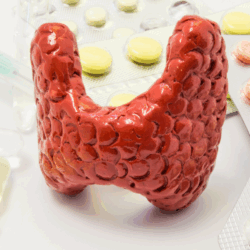
Semaglutide carries an FDA black box warning — the most serious type of warning — based on rodent studies showing increased thyroid C-cell tumors, including medullary thyroid carcinoma (MTC). While this has not been confirmed in human studies, semaglutide is contraindicated in patients with a personal or family history of MTC or Multiple Endocrine Neoplasia syndrome type 2 (MEN 2). Patients should report any symptoms such as a lump in the neck, hoarseness, or difficulty swallowing.
Pancreatitis
Acute pancreatitis has been reported in patients using GLP-1 receptor agonists including semaglutide. Symptoms include severe, persistent abdominal pain that may radiate to the back, with or without vomiting. If pancreatitis is suspected, semaglutide should be discontinued immediately. Patients with a history of pancreatitis should discuss risks thoroughly with their provider.
Gallbladder Problems
Rapid weight loss — regardless of the method — can increase the risk of gallstones and cholecystitis (gallbladder inflammation). In the STEP trials, gallbladder-related events occurred in approximately 2.6% of semaglutide patients versus 1.2% on placebo. Symptoms include severe upper-right abdominal pain, fever, and nausea.
Kidney Injury
Dehydration from severe nausea, vomiting, or diarrhea can lead to acute kidney injury. This risk is typically manageable with proper hydration and dose adjustment but requires monitoring, especially in patients with pre-existing kidney conditions.
Hypoglycemia
While uncommon when semaglutide is used alone for weight loss, hypoglycemia (low blood sugar) can occur when combined with insulin or sulfonylureas. Symptoms include shakiness, sweating, confusion, and rapid heartbeat.
Diabetic Retinopathy Complications
In the SUSTAIN 6 trial studying semaglutide for type 2 diabetes, a higher rate of diabetic retinopathy complications was observed. Patients with diabetes and existing retinopathy should be monitored closely.
GI Side Effects: Why They Happen and How to Manage Them
Gastrointestinal symptoms are the most common reason patients consider discontinuing semaglutide. Understanding why they happen makes them far easier to manage.
Why GI Side Effects Occur
Semaglutide slows gastric emptying by activating GLP-1 receptors in the digestive tract. When your stomach empties more slowly, food sits longer, which can trigger nausea, bloating, and discomfort — especially if you eat large meals or high-fat foods. These effects are most pronounced during the initial weeks and during each dose increase.
Dose Titration Strategy
The standard semaglutide protocol starts at a low dose (0.25 mg weekly) and gradually increases over 16-20 weeks to allow the body to adjust. This slow titration is the single most important factor in reducing side effect severity. At 1st Optimal, our physicians may extend titration periods or hold dose increases when patients experience significant GI discomfort.
Dietary Management Tips
- Eat smaller, more frequent meals instead of two or three large ones
- Avoid high-fat, greasy, or fried foods — these worsen nausea and slow digestion further
- Eat slowly and stop when you feel satisfied rather than full
- Favor bland, easy-to-digest foods during dose increases (crackers, toast, rice, bananas)
- Avoid lying down immediately after eating — stay upright for at least 30 minutes
Hydration Is Critical
Dehydration from vomiting or diarrhea compounds GI discomfort and poses a risk to kidney function. Aim for at least 64 ounces of water daily. Sip water throughout the day rather than consuming large amounts at once. Electrolyte beverages can help if diarrhea or vomiting is significant.
Side Effects Timeline by Dose Level
Knowing what to expect at each stage of treatment helps patients stay on track. Here is a general timeline based on the standard semaglutide titration schedule and clinical trial data:
Weeks 1-4: Starting Dose (0.25 mg)
Mild nausea is the most commonly reported symptom at this dose. Most patients tolerate this phase well. Appetite reduction begins within the first week for many patients.
Weeks 5-8: Second Dose Level (0.5 mg)
Nausea may briefly return or intensify after the dose increase. Constipation or diarrhea may appear. These symptoms typically stabilize within 1-2 weeks.
Weeks 9-12: Third Dose Level (1.0 mg)
This is often the most challenging dose increase for GI tolerance. Weight loss becomes more noticeable. Nausea and abdominal discomfort are most common during the first week after increasing.
Weeks 13-16: Fourth Dose Level (1.7 mg)
Patients who managed well at 1.0 mg often tolerate this increase smoothly. By this point, the body has generally adapted to the medication. Side effects that persist beyond two weeks at this dose warrant a conversation with your provider.
Week 17+: Maintenance Dose (2.4 mg)
Most GI side effects have resolved or become mild and manageable. Weight loss continues at a steady pace. Long-term data from the STEP 5 trial (104 weeks) showed that most patients who reached maintenance dose reported significantly fewer side effects compared to earlier in treatment.
Who Should Not Take Semaglutide
Semaglutide is not appropriate for everyone. According to FDA prescribing information, contraindications include:
- Personal or family history of medullary thyroid carcinoma (MTC) or Multiple Endocrine Neoplasia syndrome type 2 (MEN 2)
- Known hypersensitivity to semaglutide or any excipient in the formulation
- Pregnancy or planned pregnancy — semaglutide should be discontinued at least 2 months before attempting conception
- History of pancreatitis — relative contraindication requiring careful risk-benefit analysis
- Severe gastrointestinal disease including gastroparesis, inflammatory bowel disease, or bowel obstruction
- Type 1 diabetes — semaglutide is not approved for this indication
Patients taking insulin or sulfonylureas should discuss dose adjustments with their provider to avoid hypoglycemia. Those with kidney disease, liver disease, or a history of depression or suicidal thoughts should be closely monitored throughout treatment.
Semaglutide vs. Other GLP-1 Side Effect Comparison
Semaglutide is not the only GLP-1 receptor agonist used for weight management. Understanding how its side effect profile compares to alternatives helps patients make informed decisions with their provider.
| Side Effect | Semaglutide (Wegovy) | Tirzepatide (Zepbound) | Liraglutide (Saxenda) |
|---|---|---|---|
| Nausea | 44% | 24-33% | 39% |
| Diarrhea | 30% | 18-23% | 21% |
| Vomiting | 24% | 9-13% | 16% |
| Constipation | 24% | 17-23% | 19% |
| Injection Frequency | Once weekly | Once weekly | Daily |
| Avg. Weight Loss | 15-17% | 20-22% | 5-8% |
| Discontinuation Rate | ~7% | ~4-7% | ~10% |
Data sources: STEP 1 trial (semaglutide), SURMOUNT 1-4 trials (tirzepatide), SCALE trial (liraglutide). Tirzepatide, a dual GIP/GLP-1 receptor agonist, generally shows lower GI side effect rates despite producing greater weight loss. Liraglutide (Saxenda) requires daily injections and produces less weight loss but has a longer track record of clinical data.
How 1st Optimal Manages Semaglutide Side Effects
At 1st Optimal, we take a proactive, data-driven approach to minimizing semaglutide side effects. Our GLP-1 medical weight loss program is designed to make the experience as comfortable and effective as possible.
Comprehensive Lab Monitoring
Every 1st Optimal member receives thorough diagnostic testing before starting semaglutide and at regular intervals throughout treatment. Our lab panels go beyond standard metabolic panels to include kidney function markers, liver enzymes, thyroid function, lipid profiles, and inflammatory markers. This allows our physicians to detect potential issues early — before they become symptomatic.
Personalized Dose Titration
Rather than following a one-size-fits-all dosing schedule, our physicians customize titration speed based on each patient’s tolerance, lab results, and treatment goals. If GI side effects are significant, we may slow the titration timeline, hold at a lower dose longer, or adjust the maintenance target.
Dedicated Membership Manager
Every 1st Optimal member is assigned a dedicated Membership Manager who serves as their primary point of contact. If side effects arise, members can reach out directly for guidance, dosing questions, or to schedule a provider consultation. You never have to navigate side effects alone.
Telehealth Convenience
Our fully virtual care model means you can connect with your provider from anywhere in the United States. If a side effect is causing concern, scheduling a telehealth consultation is quick and simple — no waiting weeks for an office visit.
Frequently Asked Questions
How long do semaglutide side effects last?
Most common side effects — particularly nausea, diarrhea, and vomiting — peak during the first few weeks at each new dose level and improve within 2-4 weeks as your body adjusts. Data from the STEP 5 trial (104 weeks) shows that patients who remain on treatment experience significantly fewer side effects over time.
When do semaglutide side effects start after injection?
GI side effects can begin within hours of the first injection, though many patients do not notice symptoms until 1-3 days after their weekly dose. Nausea is typically most pronounced in the 24-72 hours following injection.
Are semaglutide side effects different in women vs. men?
The STEP clinical trials did not report statistically significant differences in side effect rates between men and women. However, some observational data suggests women may experience nausea more frequently, which is consistent with other medications that affect GI motility. Individual variation is more significant than gender-based differences.
Does tirzepatide have fewer side effects than semaglutide?
Clinical trial data from the SURMOUNT program shows that tirzepatide generally produces lower rates of nausea and vomiting compared to semaglutide, despite producing greater weight loss. If GI tolerance is a primary concern, tirzepatide may be worth discussing with your provider.
Can I drink alcohol while taking semaglutide?
While semaglutide does not have a direct interaction with alcohol, drinking can worsen nausea, increase the risk of hypoglycemia, and slow your weight loss progress. Most providers recommend limiting alcohol intake, especially during the titration phase.
What should I do if side effects are severe?
If you experience persistent vomiting, severe abdominal pain, signs of dehydration (dark urine, dizziness, rapid heartbeat), or symptoms of an allergic reaction (swelling, difficulty breathing), contact your healthcare provider immediately. At 1st Optimal, our members can reach their Membership Manager directly for prompt clinical guidance.
Will semaglutide side effects go away if I stop taking it?
Yes. Semaglutide has a half-life of approximately one week, so most side effects resolve within 2-5 weeks of discontinuation. However, the appetite-suppressing and weight loss benefits will also diminish after stopping the medication.
Is semaglutide safe for long-term use?
The STEP 5 trial studied semaglutide for 104 weeks (2 years) and found it to be well-tolerated with a consistent safety profile. The SELECT cardiovascular outcomes trial (3.5+ years of follow-up) demonstrated that semaglutide reduced major cardiovascular events by 20% in addition to producing weight loss, supporting its long-term safety in appropriate patients. Ongoing monitoring with regular lab work is still recommended.
Medical Disclaimer: This article is for educational purposes only and does not constitute medical advice. Always consult with a qualified healthcare provider before starting, changing, or discontinuing any medication. Individual results and side effects vary. The clinical trial data cited in this article comes from published peer-reviewed research and FDA prescribing information.
Written by Joe Miller — CEO of 1st Optimal. Bachelor of Education, BS: Kinesiology, Exercise Science, Health, and Nutrition. 2-Year Fellowship A4M, trained by Worldlink Medical, ongoing BHRT certifications by A4M, NASM Certified, NSCA CSCS, American Council on Exercise Credentialed. Connect on LinkedIn.