
Most women are told menopause is “just hot flashes” or “a normal part of aging.” What they’re not told is that menopause is a full-body hormonal transition with a profound impact on mood, metabolism, sleep, weight, cognition, cardiovascular health, and long-term longevity.
And the symptoms you think are “menopause”?
They usually start years earlier during perimenopause, when estrogen and progesterone swing unpredictably while testosterone, DHEA, and thyroid hormones begin shifting, too
This guide translates the latest research (2018–2025) into a readable, evidence-based roadmap. You’ll learn:
- How hormone imbalance actually begins before menopause
- Why it’s not just estrogen that declines
- The neurological changes that cause mood shifts
- How bone health, cardiovascular risk, and metabolism change
- How functional medicine testing and individualized HRT can help
By the end, you’ll know the five things most women are never told about menopause—and what you can do right now to optimize your hormones, your mental clarity, your energy, and your long-term health.
Hormone Imbalance Starts Before Menopause
Most women assume menopause begins the moment their period stops. Physiologically, that’s not true. The most intense symptoms usually appear in the perimenopausal window, typically 4 to 10 years before the final menstrual cycle.
Anxiety, weight gain, insomnia, and heavy periods start long before menopause because hormones begin fluctuating wildly during this transition
Why this happens:
- Ovarian estrogen and progesterone output becomes irregular.
- Some cycles are high-estrogen; others are very low.
- Progesterone often declines first.
- Low progesterone increases PMS symptoms and anxiety.
- Brain signaling becomes inconsistent.
- The hypothalamus increases FSH (follicle-stimulating hormone) in an attempt to stabilize cycles.
Common symptoms of early perimenopause
- Sudden anxiety or irritability
- New or worsening insomnia
- Heavier or unpredictable periods
- Weight gain, especially around the stomach
- Breast tenderness
- Night sweats
- Lower stress tolerance
- Cravings and blood sugar swings
Why most women miss the signs
- Primary care often attributes these symptoms to:
- Stress
- Aging
- Being “busy”
- Lack of sleep
- Depression
- Poor diet
But the evidence is clear: these symptoms reflect hormone dysregulation, not character flaws.
When do menopause symptoms start?
Menopause symptoms usually start during perimenopause, which can occur 4–10 years before your final period. Fluctuations in estrogen and progesterone cause anxiety, insomnia, heavy periods, and weight gain even while cycles are still regular.
It’s Not Just Estrogen That Drops
Menopause is not an estrogen-only issue.
Scientific literature aligns with this. Women experience declines in:
- Progesterone
- Testosterone
- DHEA
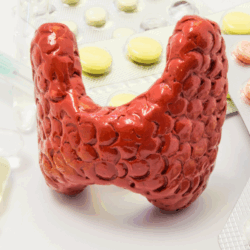
- Thyroid hormones (T3/T4 conversion issues)
What this means for your health:
Progesterone: Low progesterone causes anxiety, poor sleep, and heavy cycles. Helps regulate GABA, the brain’s calming neurotransmitter.
Testosterone: Essential for muscle, libido, energy, and motivation. Studies show women lose ~50 percent of testosterone by their 40s.
DHEA: Supports mood, resilience, adrenal function, and metabolism. Declines steadily with age but drops faster under chronic stress.
Thyroid function: Perimenopause often increases thyroid autoimmunity and decreases conversion from T4 to T3. Leads to fatigue, hair thinning, constipation, and weight gain.
Why this matters:
When women are told “you just need estrogen,” their symptoms often remain unresolved because:
Low progesterone = insomnia + anxiety
Low testosterone = poor muscle tone + low libido
Low thyroid = fatigue + weight gain
Low DHEA = reduced resilience + low mood
A whole-body event needs a whole-body approach.
Menopause Impacts Your Brain Chemistry
Hormone shifts affect serotonin and dopamine, which impacts mood, cognitive function, and emotional regulation
The brain-hormone connection
Estrogen increases serotonin and supports dopamine pathways.
When estrogen declines, the brain becomes more sensitive to stress.
Progesterone interacts with GABA receptors.
Low progesterone disrupts calmness and sleep.
Testosterone supports motivation and mental clarity.
Symptoms driven by neurochemical changes
Brain fog
Low motivation
Increased anxiety
Mood swings
Feeling overwhelmed by minor stressors
Reduced focus
Difficulty with memory recall
Perimenopause is a high-risk window for anxiety and depressive symptoms.
HRT (hormone replacement therapy) can improve mood and cognition in the right candidates.
Estrogen therapy may protect neuronal health and reduce the risk of neurodegenerative decline when started early.
Functional medicine perspective
Rather than medicating symptoms alone, we evaluate:
- Thyroid
- Cortisol
- B vitamins
- Omega-3 status
- Inflammation
- Gut microbiome (which regulates serotonin production)
- Hormones and neurotransmitters work together, not in isolation.
Hormone Loss Affects Your Bones, Heart, and Metabolism
Estrogen protects bone and cardiovascular health. When estrogen declines, risk increases, not because you’re “getting older,” but because you’re losing hormonal protection
Bone Density
Estrogen protects against:
- Bone resorption
- Fractures
- Osteoporosis
Women can lose up to 10 percent of bone mass in the first five years after menopause.
Cardiovascular Health
Estrogen supports:
- Healthy cholesterol
- Blood vessel elasticity
- Nitric oxide production
- Blood sugar stability
- Mitochondrial function
Within 12 months of the final period, cardiovascular risk rises significantly.
Metabolic Health
Declining estrogen and progesterone disrupt:
- Insulin sensitivity
- Fat distribution
- Appetite signaling
- Thyroid metabolism
- Muscle mass preservation
This is why women often experience:
- Belly fat
- Afternoon crashes
- Lower tolerance for high-carb meals
- Slower recovery
- Lower muscle tone
- Peptides and metabolic support
Functional medicine can incorporate:
- GLP-1 medications for resistant fat loss
- GHK-Cu for tissue support
- BPC-157 for gut and recovery
- Tesofensine (where appropriate) for appetite control
- Creatine monohydrate for brain and muscle preservation
- Vitamin D + K2 for bone health
(Ensure medically appropriate dosing & supervision.)
Your Hormone Timeline Is Unique
Women that menopause is not a one-size-fits-all timeline. Symptoms can begin early, especially with factors like stress, blood sugar dysregulation, toxin exposure, and birth control history
Major factors influencing timing
Chronic stress (cortisol dominance)
PCOS history
Long-term hormonal birth control
Thyroid dysfunction
Autoimmune conditions
Environmental toxin load
Nutrient deficiencies (iron, B vitamins, magnesium, omega-3s)
Family history
Smoking or alcohol use
Functional medicine focuses on root causes
By assessing:
- Cortisol patterns
- Gut health
- Insulin resistance
- Liver detox capacity
- DHEA levels
- Inflammation
- Thyroid conversion
- Mineral status
We can build individualized plans that help women feel better faster.
How Functional Medicine Approaches Menopause Differently
Traditional care often says:
- “Your labs are normal.”
- “This is aging.”
- “You just need antidepressants.”
- “We’ll talk when your period stops.”
- “It’s not menopause until you’ve missed 12 months.”
This leaves women feeling dismissed and unsupported.
Functional medicine flips the script
We start earlier
We intervene during perimenopause, not after.
We look deeper
Root cause patterns matter:
- Gut health
- Cortisol rhythms
- Micronutrient deficiencies
- Inflammatory markers
- Cardiometabolic risk
- Toxin exposure
- Thyroid function
- Insulin resistance
We personalize every protocol
There is no universal prescription. Your hormone plan is based on:
- Symptoms
- Labs
- Genetics
- Medical history
- Lifestyle
- Stress load
- Goals
Lab Testing for Women 35–55
At 1st Optimal, we run advanced lab panels that actually reflect what women feel—not just what shows up on a basic blood panel.
Core hormone labs
- Estradiol (E2)
- Progesterone
- Testosterone + free testosterone
- DHEA-S
- Sex hormone-binding globulin (SHBG)
- FSH
- LH
Thyroid panel
- TSH
- Free T3
- Free T4
- Reverse T3
Anti-TPO
- Anti-TG
Metabolic panel
- Fasting insulin
- HbA1c
- CMP
- Lipid panel
- hs-CRP
- Fasting glucose
- Ferritin
- Vitamin D
Gut health testing
- GI-MAP
- Zonulin
- Calprotectin
pylori
- Candida/yeast levels
- Pancreatic elastase
- Why advanced labs matter
Symptoms don’t happen in isolation.
Perimenopause and menopause require a systems biology perspective.
Evidence-Based Treatment Options
Once we understand your labs and symptoms, we personalize a plan. The evidence from The Menopause Society, NIH, and JAMA supports the following:
- Hormone Replacement Therapy (HRT)
- Bioidentical estrogen
- Progesterone (oral micronized is best for sleep)
- Testosterone therapy for low libido, fatigue, and muscle loss
- DHEA where appropriate
Benefits:
- Better sleep
- Improved cognition
- Stronger bones
- Better metabolic control
- Increased libido
- Improved mood
- Lifestyle Optimization
Strength training 3–4x weekly
- Zone 2 cardio 1–3x weekly
High-protein nutrition (0.8–1 g per pound ideal body weight)
- Fiber optimization (25–35 g per day)
Blood sugar balancing
- Alcohol reduction
Stress management
- Time-restricted eating where helpful
Peptide Support
- GHK-Cu for tissue and skin support
- BPC-157 for gut and recovery
- GLP-1 medications for resistant weight and insulin control
- Melanocortin peptides (where appropriate) for metabolic support
Gut and Thyroid Support
- Address hypothyroidism or Hashimoto’s
- Improve nutrient absorption
- Correct dysbiosis
- Reduce cortisol-driven gut dysfunction
Supplements
- Magnesium glycinate
- Omega-3
- Vitamin D/K2
- Creatine
- B-complex
- Adaptogens (ashwagandha, rhodiola)
(All customized to labs.)
Case Study: “The Fatigue and Weight Gain That Weren’t Random”
Client: 44-year-old executive, mother of two
Symptoms: Weight gain, nightly anxiety, low libido, afternoon fatigue
Labs revealed:
- Low progesterone
- Low testosterone
- Low DHEA
- Elevated cortisol
- Subclinical hypothyroidism
- Elevated fasting insulin
- Moderate gut dysbiosis
Treatment plan:
- Progesterone at night
- Low-dose testosterone therapy
- Thyroid optimization
- GLP-1 support for weight
- BPC-157 for gut healing
- Strength training 3x weekly
- Blood sugar stabilization protocol
Results after 12 weeks:
- Down 12 pounds
- No more night anxiety
- Libido restored
- Afternoon “crash” gone
- Restarted morning workouts
- Better digestion
- Better recovery and sleep
Her quote:
“I thought I was falling apart. Turns out I just needed someone to look at the full picture.”
Frequently Asked Questions
What age does perimenopause start?
Commonly between 35 and 45, but symptoms often begin earlier than expected.
How do I know if it’s perimenopause or stress?
Symptoms overlap, but lab testing removes the guesswork.
Is HRT safe?
Current research shows HRT is safe and beneficial for most women when started within 10 years of menopause onset.
Can I lose weight during menopause?
Yes. It requires hormonal support, strength training, insulin control, and gut health optimization.
What labs should I ask for?
A full hormone panel, deep thyroid testing, fasting insulin, lipids, hs-CRP, and gut health testing.
Do I need progesterone if I don’t have a uterus?
If you have symptoms like anxiety or insomnia, the answer is often yes.
Why am I gaining belly fat suddenly?
Estrogen decline, cortisol dysregulation, and insulin resistance shift fat storage to the abdomen.
Can testosterone help women?
Yes. Evidence shows benefits for energy, libido, muscle, and cognition when clinically indicated.
Conclusion
Menopause isn’t a decline. It’s a recalibration.
The science is clear: this transition affects every major system in your body, from hormones to neurotransmitters to metabolic health. With the right testing, the right support, and the right plan, women feel better in their 40s and 50s than they ever did in their 20s.
If you’re ready to get clarity, get answers, and get a personalized plan built around you, 1st Optimal is here to guide you every step of the way.
Book Your Personalized Hormone & Metabolic Optimization Consult
→ https://www.1stoptimal.com/consult
Explore Women’s Hormone Panels
→ RISE Women’s Hormone Health Panel
Start With Advanced Gut Testing