
Introduction
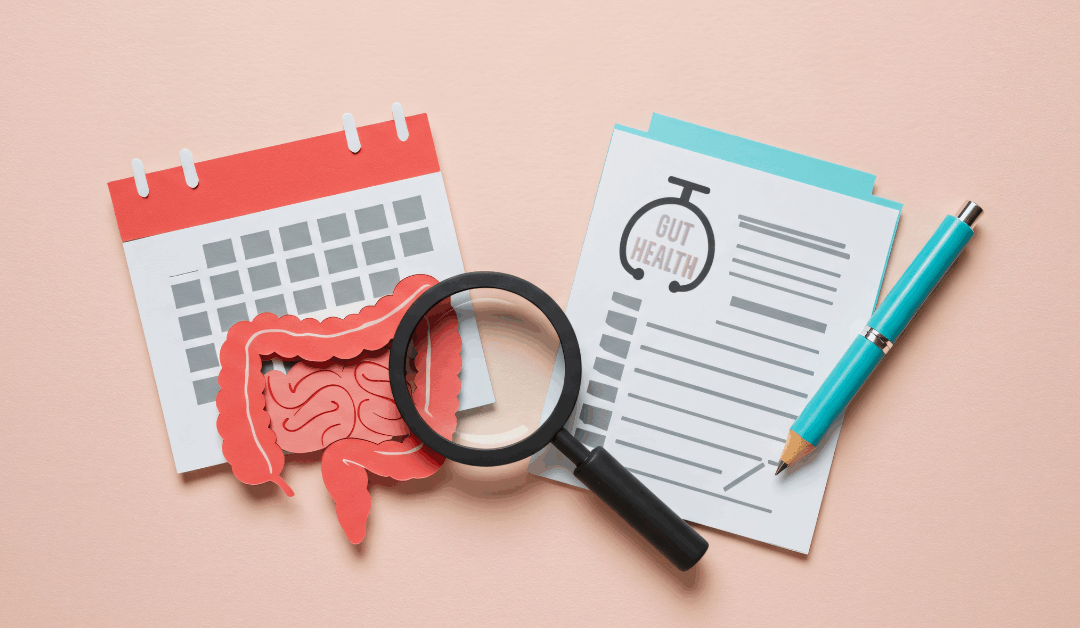
Your gut is often referred to as your “second brain” and for good reason. The gut houses a complex microbiome of bacteria, fungi, and other microorganisms that play a pivotal role in digestion, immune function, and even mental health. When your gut health is compromised, it can lead to a cascade of issues like digestive discomfort, bloating, fatigue, and even weight gain.
Fortunately, there’s a growing body of research showing that improving gut health can enhance overall well-being. The best part? Many strategies are easy to implement with just a few lifestyle changes. In this article, we’ll explore 20 scientifically-backed tips to optimize your gut health. Whether you’re dealing with digestive distress or simply want to feel better overall, these tips can support a thriving microbiome and help you regain balance.
1. Eat a Diverse Range of Fiber-Rich Plant Foods
A well-rounded diet rich in fiber helps foster a diverse microbiome, which is essential for good gut health. Fiber is the fuel that beneficial bacteria need to thrive, helping with digestion, nutrient absorption, and immune support.
- Scientific Backing: A study published in Nature (2014) highlighted that a diverse diet leads to a more diverse microbiome, which supports a healthier gut. Foods like fruits, vegetables, legumes, and whole grains are excellent sources of fiber that help encourage microbial diversity.
- Practical Tip: Incorporate a variety of fiber-rich foods into your meals each week. Experiment with different fruits, vegetables, nuts, and seeds to keep your microbiome thriving.
Client Story: Susan, a 45-year-old professional, incorporated more fiber-rich foods into her diet, including leafy greens and whole grains. Within a few weeks, she noticed less bloating and improved energy levels.
2. Prioritize Prebiotics
Prebiotics act as food for probiotics, promoting the growth of beneficial bacteria. Prebiotic foods include items like garlic, onions, leeks, asparagus, and bananas. These foods enhance gut flora and improve digestion.
- Why It Matters: Prebiotics are crucial for sustaining a balanced gut microbiome. They help prevent harmful bacteria from overgrowing and reduce the risk of gastrointestinal issues like bloating and constipation.
- Pro Tip: Aim to include at least one prebiotic food in each meal. Garlic and onions are especially versatile and can be easily added to soups, salads, and stir-fries.
3. Consume Fermented Foods Daily
Fermented foods like kefir, kimchi, and sauerkraut are rich in probiotics, which can enhance the diversity of your microbiome and support healthy digestion.
- Why It Matters: Fermented foods have been shown to improve gut barrier function, reduce inflammation, and promote healthy immune responses. Regularly consuming these foods helps maintain a healthy balance of gut bacteria.
- Tip: Add a serving of fermented food to your meals every day. Start with small portions to allow your gut to adjust to the new bacterial strains.
Research Insight: A 2021 study in Cell showed that fermented foods can significantly improve microbiota diversity and immune function, making them a powerful ally in gut health.
4. Limit Ultra-Processed Foods
Processed foods containing preservatives, artificial sweeteners, and additives can wreak havoc on your gut microbiome. These foods may contribute to inflammation, impaired digestion, and leaky gut syndrome.
- Why It Matters: A study published in Nature (2015) revealed that ultra-processed foods can disrupt gut barrier integrity, leading to permeability and allowing harmful substances to leak into the bloodstream.
- Pro Tip: Focus on whole, minimally processed foods like fruits, vegetables, lean proteins, and whole grains. If you’re craving a snack, opt for something natural, like nuts or fresh fruit.
5. Reduce Added Sugar and Artificial Sweeteners
Both sugar and artificial sweeteners can alter the composition of your gut microbiota. High sugar intake can promote the growth of harmful bacteria and yeast, while artificial sweeteners like sucralose and aspartame have been shown to disrupt microbiome balance.
- Scientific Backing: Research published in Nature (2014) showed that sweeteners like sucralose and aspartame can significantly alter gut microbial composition, leading to dysbiosis.
- Tip: Limit your intake of sugary beverages, candies, and processed snacks. Consider using natural sweeteners like stevia or monk fruit, which have less impact on gut health.
6. Increase Polyphenol Intake
Polyphenols are plant compounds found in foods like berries, dark chocolate, and green tea. These compounds have powerful antioxidant properties and support gut health by enhancing microbial diversity.
- Why It Matters: Polyphenols are particularly beneficial for gut health because they interact with gut bacteria to promote the growth of beneficial species and improve the gut barrier.
- Pro Tip: Start your day with a cup of green tea and enjoy a handful of berries or dark chocolate as a snack.
7. Manage Stress Through Mind-Body Practices
Stress has a profound effect on gut health by disrupting the gut-brain axis. Chronic stress can alter gut microbiota composition, impair digestion, and even increase gut permeability.
- Why It Matters: A study published in Trends in Neuroscience (2013) found that stress can influence gut microbial composition and gut permeability, contributing to digestive issues like irritable bowel syndrome (IBS).
- Tip: Engage in stress-reducing activities like yoga, meditation, or deep breathing exercises. Aim for at least 10 minutes of mindfulness practice each day.
8. Exercise Regularly
Exercise has been shown to positively impact gut health by promoting microbial diversity and supporting healthy digestion. Regular physical activity helps increase the diversity of gut bacteria and improve gut motility.
- Scientific Backing: A study in Gut Microbes (2018) found that regular exercise enhances microbiota diversity, which is a key marker of gut health.
- Pro Tip: Aim for at least 30 minutes of moderate-intensity exercise (like brisk walking, cycling, or swimming) most days of the week.
9. Ensure Adequate Sleep
Sleep disruption can have a direct impact on gut health. Studies have shown that poor sleep can lead to dysbiosis, inflammation, and impaired gut barrier function.
- Why It Matters: Sleep is essential for maintaining a balanced gut microbiome. The gut repairs itself during sleep, and inadequate rest can lead to increased gut permeability, also known as “leaky gut.”
- Tip: Aim for 7-9 hours of sleep per night. Create a calming bedtime routine, avoid screens before bed, and limit caffeine intake in the afternoon.
10. Avoid Unnecessary Antibiotic Use
Antibiotics can disrupt gut health by killing both harmful and beneficial bacteria. Overuse of antibiotics may lead to long-term microbiome damage, making it harder for the gut to recover.
- Why It Matters: Research has shown that antibiotics can cause long-term microbial damage, leading to an increased risk of conditions like obesity, IBS, and autoimmune diseases.
- Tip: Only use antibiotics when absolutely necessary and always complete the prescribed course. If you need to take antibiotics, consider following up with probiotics to help restore balance.
FAQs
Q1: How can I improve my gut health naturally?
Start by incorporating more fiber-rich foods, prebiotics, and fermented foods into your diet. Additionally, managing stress and staying hydrated are essential for optimal gut health.
Q2: What are the best foods for gut health?
Fiber-rich plant foods, prebiotics (like garlic and onions), fermented foods, and polyphenol-rich foods (like berries and green tea) are excellent for improving gut health.
Q3: How do probiotics help my gut?
Probiotics introduce beneficial bacteria to the gut, helping to restore balance and improve digestion. They are especially useful after antibiotic use or periods of digestive distress.
Q4: Can stress affect my digestion?
Yes, chronic stress can disrupt the gut-brain axis, leading to altered gut microbiota and digestive issues like bloating, constipation, and IBS.
Q5: How do I know if I have a gut imbalance?
Common signs of gut imbalance include bloating, gas, constipation, diarrhea, fatigue, and skin issues. Lab tests like the GI-MAP can help identify gut imbalances and pathogens.
Conclusion
Taking steps to improve your gut health can have a profound impact on your overall well-being. From supporting digestion and immunity to enhancing mood and energy, the benefits of a healthy gut are far-reaching. By following these 20 research-backed tips, you can support your gut microbiome and feel better inside and out.
Ready to take your gut health to the next level? Book a personalized consultation with our experts at 1st Optimal or take our free Gut Health Quiz to get started!
References:
- David et al. “Microbial diversity and human health.” Nature (2014) PMID: 24336217
- Slavin, J. “Prebiotics: Definition and classification.” J Nutr (2013) PMID: 23674783
- Wastyk et al. “Fermented foods and human health.” Cell (2021) PMID: 34370997
- Chassaing et al. “Processed food additives disrupt gut health.” Nature (2015) PMID: 25731162