

Many women hit their late thirties and feel like their bodies suddenly stop responding. The workouts that used to work don’t work. The nutrition plan that once kept everything tight now barely makes a dent. Energy slips. Mood dips. Libido disappears. Fatigue becomes a daily baseline.
Most women call it burnout.
But for women 35–55, a surprising number of these symptoms trace back to something almost no one talks about: low testosterone.
Women are often told “your labs are normal,” “just eat less,” or “this is aging” even when nothing changes. The missing piece is that testosterone, a hormone women absolutely need, is rarely tested and often overlooked.
This article breaks down the real story behind women’s testosterone, why it matters more than you think, how to test it correctly, what natural strategies help, and when hormone replacement therapy (HRT) becomes appropriate.
What Most Women Get Wrong About “Burnout”
Women aren’t just tired. They’re hormonally misaligned.
Most women feel they’re doing everything right, eating well, exercising, sleeping when possible, but nothing works. That feeling of running harder while falling further behind is a hallmark of hormonal dysfunction, not poor discipline.
Burnout is a popular word, but it often becomes a catch-all diagnosis for symptoms driven by:
- Hormonal decline
- Chronic stress
- Poor recovery
- Low testosterone
- Estrogen fluctuation
- High cortisol
- Sleep disruption
Low testosterone in particular contributes to the exact symptoms many women blame on stress:
- Fatigue
- Low motivation
- Softness or loss of muscle tone
- Stubborn weight gain
- Low libido
- Brain fog
- Mood swings
Calling this “burnout” leads to the wrong fixes: more caffeine, more high-intensity exercise, less food, more pushing. But as the PDF states on page 9, this is a biochemistry issue, not a motivation issue.
What Testosterone Really Does for Women
Testosterone supports:
1. Lean Muscle Maintenance
Testosterone helps women maintain muscle mass, strength, and tone. Studies show that low testosterone contributes to sarcopenia (age-related muscle loss), which starts accelerating around age 35.
2. Metabolic Health
Testosterone improves insulin sensitivity and helps regulate fat distribution. Low levels correlate with more abdominal fat, as noted on page 6 of the guide (more belly fat leads to more cortisol and estrogen)
Women Testosterone Natural.
3. Mood & Emotional Stability
Women with lower-than-optimal levels often report irritability, low resilience, or feeling emotionally “flat.”
4. Libido & Sexual Function
Testosterone is essential for desire, arousal, and pleasure. Low levels cause dramatic shifts in intimacy and satisfaction.
5. Cognitive Function
Testosterone influences memory, mental drive, confidence, and focus.
6. Energy & Motivation
This is the “drive” hormone. Without it, everything feels harder.
Most women think testosterone is a “male hormone,” but women need it just as critically—just in lower amounts.
Why Testosterone Declines After 35
Multiple physiological changes happen for women in their mid-30s to mid-50s:
1. Natural ovarian decline
Ovaries gradually reduce testosterone production years before perimenopause begins.
2. Chronic stress lowers testosterone
High cortisol bluntly suppresses testosterone.
3. Poor sleep or fragmented sleep
Sleep disruption affects testosterone within as little as 72 hours.
4. Overtraining cardio
Overtraining as a testosterone-lowering behavior for women.
5. Mouth breathing and poor oxygenation
This is called out on page 5 and affects recovery, nitric oxide production, and sleep quality.
6. Low-calorie dieting
Women who chronically undereat (which is extremely common in the 35–55 demographic) experience hormonal suppression across the board.
7. Blue light exposure
Blue light after 8 PM, which decreases melatonin and disrupts deep sleep cycles where testosterone is created.
Top Symptoms of Low Testosterone in Women
These symptoms often overlap with perimenopause, hypothyroid symptoms, or burnout, which is why the diagnosis is frequently missed.
Most common symptoms include:
- Low energy
- Increased belly fat
- Loss of muscle or tone
- Depressed mood
- Low libido
- Poor recovery from workouts
- Brain fog
- Irritability
- Fatigue after small tasks
- Reduced confidence
- Poor sleep
- Slow metabolism
- Lack of motivation
If you see yourself in several of these, testosterone may be part of the story.
Why Traditional Testing Misses the Problem
Women often hear “your labs are normal” even when nothing feels normal.
Here’s why:
1. Doctors use male-based optimal ranges.
Most primary care ranges are enormous and include women of all ages and all health statuses.
2. Doctors rarely test free testosterone.
Free T is the biologically active portion. Total T alone is misleading.
3. Women are told symptoms are “aging” or “stress.”
4. They fail to test SHBG (sex hormone binding globulin).
High SHBG binds up testosterone, making total T look “normal” while free T is low.
5. Nobody tests DHEA-S.
DHEA-S is the precursor hormone that impacts testosterone and is often depleted.
At 1st Optimal, we use functional optimal ranges, not generic reference ranges. This makes a massive difference for women 35–55.
Functional Medicine Testing for Women’s Testosterone
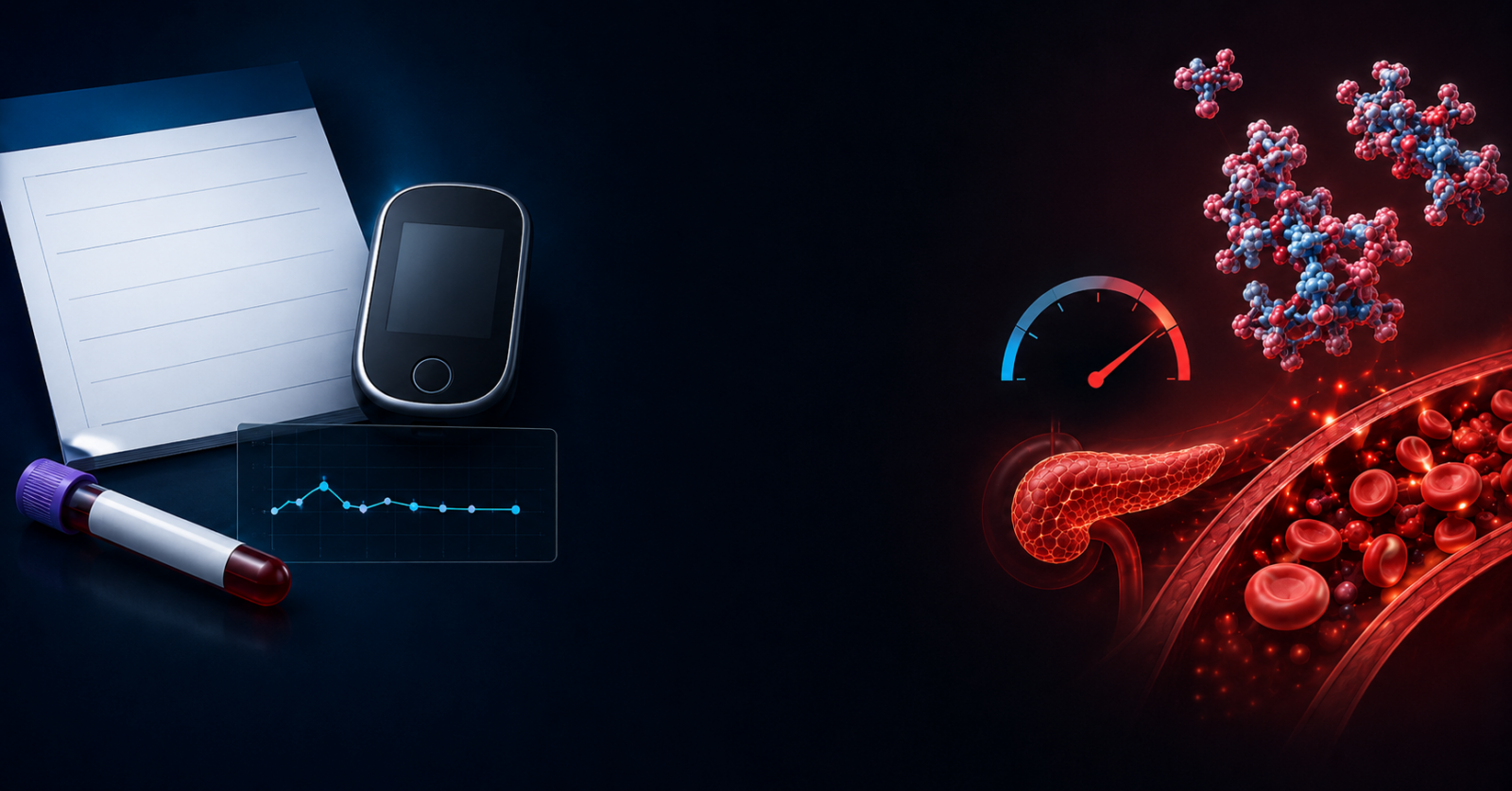
Comprehensive testing includes:
- Total Testosterone
- Free Testosterone
- SHBG
- LH (luteinizing hormone)
- FSH
- Estradiol
- Progesterone
- DHEA-S
- Cortisol (AM/PM or salivary rhythm)
- Thyroid (TSH, Free T3, Free T4, Reverse T3)
- Insulin
- A1C
- Lipids
- CRP (inflammation)
This full panel shows the complete picture of why testosterone is suppressed.
Many women come in believing they have a “motivation problem” when the real culprit is hormone imbalance.
Natural Ways to Support Testosterone (Before HRT)
1. Morning Sunlight (10–15 minutes)
Improves circadian rhythm, cortisol curve, sleep quality, and hormone production.
2. Nasal Breathing (especially at night)
Supports nitric oxide production and higher-quality sleep.
3. Lifting Heavy (3–8 reps)
Low-rep strength training stimulates testosterone and growth hormone.
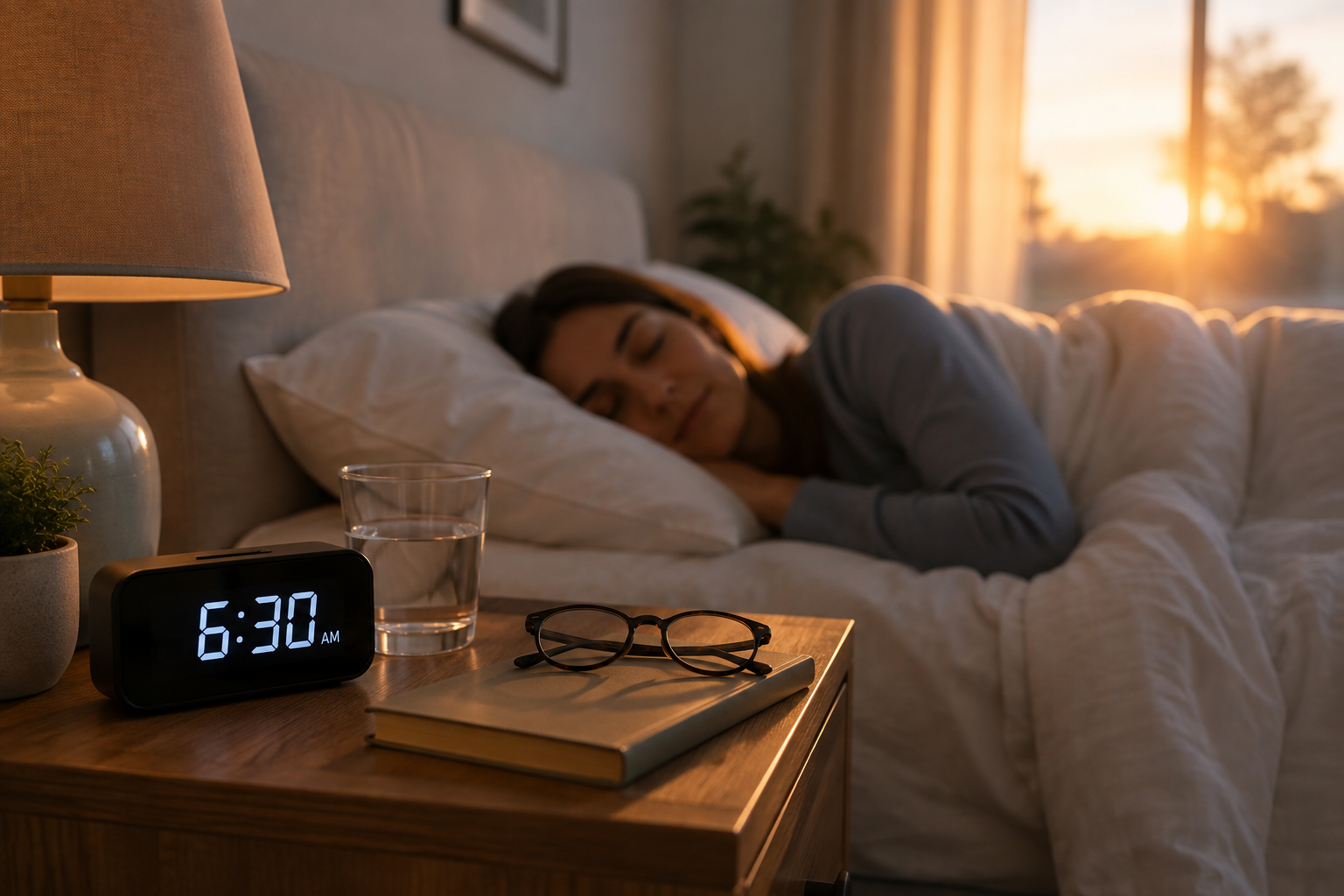
4. Prioritizing Sleep
Deep REM and slow-wave sleep impact T directly.
5. Limiting Blue Light After Sunset
Reduces melatonin disruption and improves testosterone creation overnight.
6. Eating Enough Calories
Restrictive dieting suppresses hormones within days.
7. Balanced Macros
Protein supports muscle and hormones. Carbs support thyroid and cortisol control. Fats help hormone synthesis.
8. Managing Stress
Because cortisol is a direct testosterone suppressor.
These interventions move the needle for most women within weeks.
HRT Options for Women with Low Testosterone
When lifestyle and nutrition aren’t enough, HRT becomes an option.
1. Bioidentical Testosterone Creams
Most common and appropriate for women. Precise, adjustable dosing.
2. Testosterone Gels
Less common but effective; absorbed through the skin.
3. Testosterone Pellets
Long-acting, but less adjustable. Not ideal for first-time users.
4. DHEA Supplementation
For women with low DHEA-S, this can improve testosterone naturally.
5. Combination protocols
Sometimes testosterone is optimized alongside progesterone, or thyroid support, depending on the full picture.
Safety Note
When prescribed correctly by an experienced team, female testosterone therapy is safe, effective, and life-changing. The key is continuous monitoring and personalized dosing.
Case Study: “My Motivation Wasn’t the Problem.”
Sarah, 42, worked out 5 days a week, ate clean, and slept as well as a mother of two could. But she felt exhausted, softer, and increasingly frustrated with her body.
Her primary care labs said everything was “normal.”
At 1st Optimal, her functional panel revealed:
- Low free testosterone
- High SHBG
- Low DHEA-S
- Flat cortisol curve
- Low progesterone
Within 12 weeks of personalized strength training, sleep optimization, increased calories, and a low-dose testosterone cream:
- Energy increased noticeably
- Belly fat dropped
- Libido returned
- Mood stabilized
- Strength PRs returned
- Brain fog disappeared
Her burnout wasn’t burnout. It was hormones.
FAQs:
1. Can women have low testosterone?
Yes. Women produce testosterone in the ovaries and adrenal glands. Levels decline with age, stress, and disrupted sleep.
2. What are signs of low testosterone in women?
Fatigue, low libido, belly fat, slow metabolism, poor recovery, irritability, and loss of muscle.
3. How do women test testosterone levels?
A blood panel measuring total T, free T, SHBG, DHEA-S, and other hormones. Functional ranges provide the best clarity.
4. Can low testosterone cause weight gain?
Yes. Low T affects metabolism, insulin sensitivity, and fat distribution.
5. How do I increase testosterone naturally?
Strength training, morning sunlight, nasal breathing, eating enough calories, better sleep, and reducing screen light at night.
6. Is testosterone therapy safe for women?
Yes when monitored properly. Bioidentical testosterone at female-appropriate doses is safe and effective.
7. Does perimenopause affect testosterone?
Yes. Testosterone begins declining years before estrogen and progesterone fluctuate.
How 1st Optimal Helps Women Fix Hormone Burnout
At 1st Optimal, we specialize in hormone optimization for women ages 35–55.
Our approach includes:
1. Advanced Functional Lab Testing
We analyze hormone patterns, metabolism, thyroid function, cortisol rhythm, and nutrient deficiencies.
2. Personalized Optimization Plans
Nutrition, sleep, stress, training, and recovery tailored to your markers.
3. Physician-Led HRT (when appropriate)
Small, precise doses designed for women—not men.
4. Ongoing Support and Monitoring
You’re not left guessing. You’re guided the entire way.
Conclusion
Most women aren’t burned out. They’re imbalanced.
The symptoms women blame on aging, stress, or “being busy” often stem from low testosterone. With the right testing, the right support, and the right treatment plan, everything changes. Energy returns. Confidence returns. Strength returns. Drive returns.
Your body isn’t broken. It’s speaking to you.
Book your free health consult here: https://1stoptimal.com/book-a-call/