

You’re Not Lazy. Your Body Changed.
You’re eating less.
Working harder.
Trying another workout plan.
Cutting carbs again.
And somehow your body still feels exhausted, inflamed, and stuck.
That’s the frustrating part nobody talks about.
Most people assume weight gain and fatigue after 35 are caused by “getting older” or “not trying hard enough.” But that’s rarely the full story.
Your body is changing biologically.
Hormones shift.
Stress changes your metabolism.
Muscle mass slowly declines.
Sleep quality drops.
Blood sugar becomes less stable.
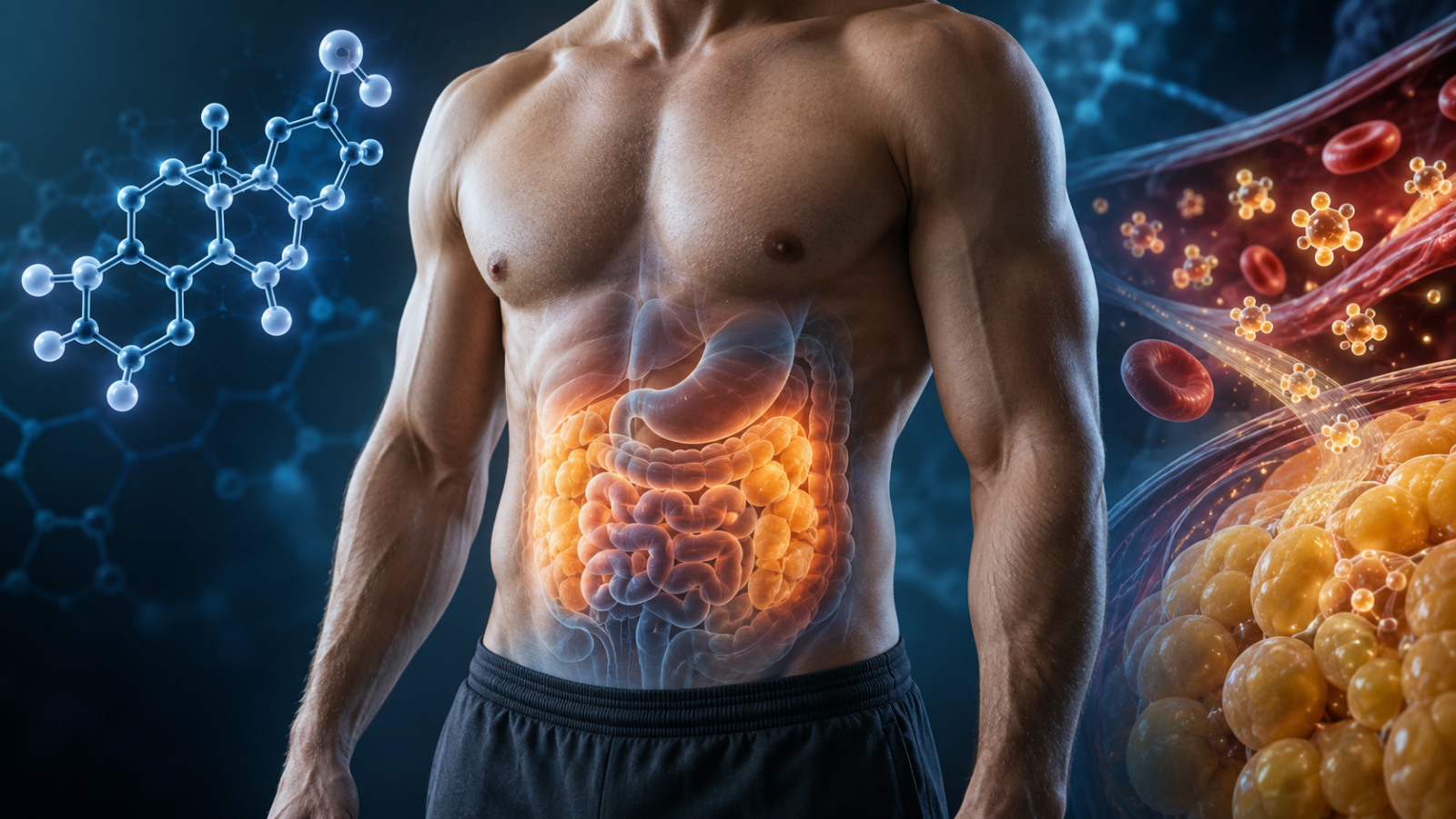
Your gut health can change how you absorb nutrients, regulate inflammation, and even control cravings.
So if you feel like your body suddenly stopped responding the way it used to, you’re not imagining it.
And no, another detox tea probably isn’t the answer. Humanity really looked at complex hormone physiology and decided powdered lemonade with cayenne pepper would fix it. Incredible species.
The Real Reason You Feel Tired and Gain Weight After 35
Your Body Becomes More Sensitive to Stress
In your 20s, you could survive on caffeine, poor sleep, high stress, and random workouts.
Your body compensated.
After 35, the “check engine light” starts turning on.
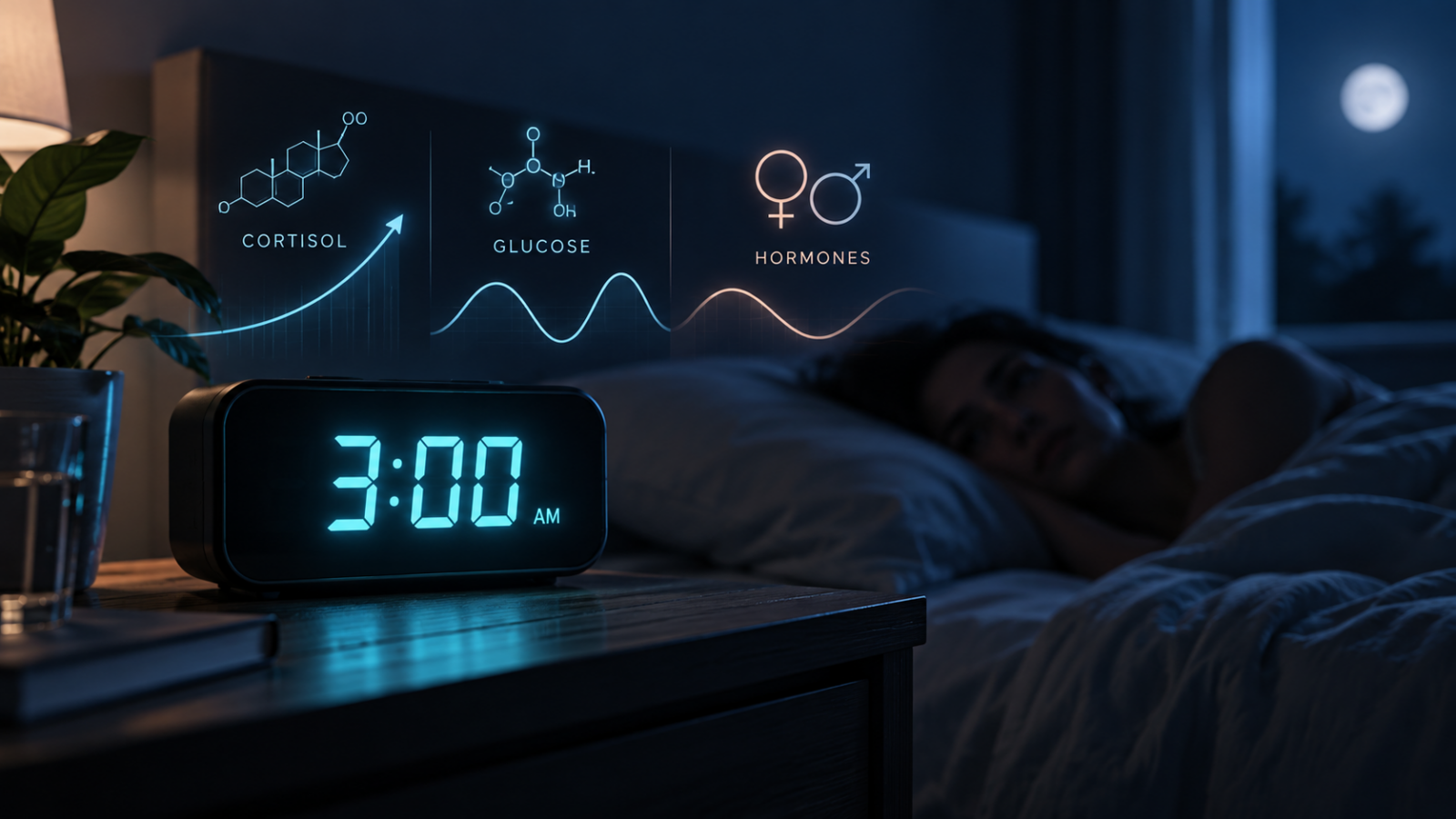
The stress hormone cortisol becomes a major player.
Cortisol isn’t bad. You need it to wake up, regulate blood sugar, and respond to stress. But chronic stress can keep cortisol elevated for too long.
That creates problems like:
- Increased belly fat
- Cravings for sugar and carbs
- Poor sleep
- Low energy
- Muscle loss
- Hormone disruption
- Blood sugar instability
Research from organizations like The Endocrine Society shows chronic stress and hormonal disruption can directly impact metabolism, body composition, and insulin sensitivity.
Think of Cortisol Like a Fire Alarm
A fire alarm is helpful during an emergency.
But if it stays on all day, eventually everything breaks down.
That’s what chronic stress does inside the body.
And stress is not just emotional stress.
Your body sees all of these as stressors:
- Undereating
- Overtraining
- Poor sleep
- Blood sugar crashes
- Alcohol
- Chronic inflammation
- Gut issues
- Nutrient deficiencies
- Hormone imbalance
Your body doesn’t separate “healthy stress” from unhealthy stress very well.
That’s why so many high-achieving adults feel burned out even while doing “everything right.”
Hormones Start Shifting Earlier Than Most People Think
Especially for Women
Many women begin experiencing hormone changes in their late 30s and early 40s.
This phase is often called perimenopause.
The problem?
Most women are told their labs are “normal” while they’re dealing with:
- Fatigue
- Weight gain
- Anxiety
- Brain fog
- Poor sleep
- Mood swings
- Low libido
- Heavy periods
- Water retention
Hormones don’t suddenly collapse overnight.
They fluctuate.
And those fluctuations can create major symptoms long before menopause officially begins.
The Hormones That Matter Most
Insulin
Insulin controls blood sugar.
When insulin stays elevated too often, your body becomes more resistant to it.
That means:
- More fat storage
- More cravings
- Lower energy
- Harder fat loss
This is called insulin resistance.
And it can happen even in people who appear “healthy.”
Cortisol
Chronically elevated cortisol can:
- Increase abdominal fat
- Disrupt sleep
- Raise blood sugar
- Break down muscle tissue
Thyroid Hormones
Your thyroid helps regulate metabolism, energy production, and body temperature.
Even mild thyroid dysfunction can contribute to:
- Fatigue
- Hair thinning
- Weight gain
- Constipation
- Depression
- Brain fog
Estrogen and Progesterone
As estrogen and progesterone fluctuate:
- Sleep quality can decline
- Recovery worsens
- Cravings increase
- Fat storage patterns shift
Many women notice fat accumulating around the midsection despite eating similarly to how they did years earlier.
That’s not a lack of discipline.
That’s physiology.
“Eat Less and Exercise More” Is Often Making Things Worse
For many women over 35, aggressively cutting calories backfires.
Why?
Because your body adapts.
When calories stay too low for too long:
- Metabolism slows
- Thyroid output may decline
- Cortisol rises
- Recovery worsens
- Muscle mass decreases
And muscle matters more than most people realize.
Muscle is metabolically active tissue.
It helps:
- Stabilize blood sugar
- Improve insulin sensitivity
- Increase calorie burn
- Support healthy aging
So if you’re constantly dieting while doing endless cardio, you may actually be teaching your body to conserve energy.
Your body is smart.
It’s trying to protect you.
Unfortunately, modern diet culture treats metabolism like a math equation written by a raccoon with a stimulant addiction.
Gut Health Can Affect Energy, Hormones, and Weight
Your Gut Does More Than Digest Food
Your gut influences:
- Inflammation
- Hormone metabolism
- Immune health
- Nutrient absorption
- Mood
- Cravings
- Energy production
Poor gut health can lead to:
- Bloating
- Food sensitivities
- Fatigue
- Skin issues
- Constipation
- Brain fog
- Weight loss resistance
The Gut-Hormone Connection
Certain gut bacteria help process and eliminate hormones like estrogen.
If gut health is disrupted:
- Estrogen metabolism may become impaired
- Inflammation can increase
- Cortisol regulation worsens
This is why many people feel dramatically better once gut health improves.
Not because of a trendy supplement.
Because the body finally starts functioning more efficiently.
What Most People Get Wrong About Fatigue and Weight Gain
They Treat Symptoms Instead of Root Causes
Most people chase:
- More caffeine
- More cardio
- Stricter diets
- Appetite suppressants
- “Fat-burning” supplements
But fatigue and weight gain are usually signals.
Your body is communicating something.
Ignoring the signal while forcing harder workouts is like covering your dashboard warning lights with duct tape.
Temporarily satisfying. Deeply stupid.
They Only Look at Basic Blood Work
Standard lab work often misses:
- Early insulin resistance
- Hormone fluctuations
- Cortisol dysregulation
- Nutrient deficiencies
- Gut dysfunction
- Inflammation markers
Many people are told:
“Everything looks normal.”
Meanwhile they:
- Can’t recover
- Can’t lose weight
- Wake up exhausted
- Feel emotionally flat
- Need caffeine to function
“Normal” does not always mean optimal.
Your Weight Problem Might Actually Be a Recovery Problem
Most people think:
“I need to train harder.”
But many adults over 35 actually need:
- Better sleep
- More muscle
- Stable blood sugar
- Better stress management
- Smarter recovery
- More protein
- Better hormone support
Recovery is where metabolism improves.
Recovery is where hormones regulate.
Recovery is where muscle grows.
If your nervous system constantly feels threatened, your body will fight fat loss.
Because survival always wins over aesthetics.
A Realistic Step-by-Step Plan to Feel Better Again
Step 1: Stabilize Blood Sugar
Blood sugar swings create:
- Energy crashes
- Cravings
- Mood swings
- Increased fat storage
Start Here:
- Eat protein at every meal
- Stop skipping breakfast
- Prioritize fiber-rich foods
- Reduce liquid calories
- Walk after meals for 10 minutes
Protein Goal
Aim for roughly:
- 25–40 grams of protein per meal
Protein helps:
- Preserve muscle
- Improve fullness
- Stabilize blood sugar
Step 2: Build Muscle Instead of Chasing Calories
Strength training becomes more important after 35.
Not optional.
Important.
Muscle supports:
- Healthy aging
- Metabolism
- Bone density
- Hormone health
- Blood sugar control
Focus On:
- Resistance training 2–4 times weekly
- Progressive overload
- Recovery between workouts
You do not need:
- Two-hour workouts
- Punishing boot camps
- Daily HIIT classes
Consistency wins.
Step 3: Improve Sleep Quality
Poor sleep increases:
- Hunger hormones
- Insulin resistance
- Cortisol
- Cravings
According to research summarized by organizations like American Academy of Anti-Aging Medicine and peer-reviewed sleep research, even partial sleep deprivation can impair glucose regulation and appetite control.
Sleep Basics That Matter
- Keep a consistent bedtime
- Reduce alcohol
- Limit screens before bed
- Get morning sunlight
- Keep your room cool and dark
Simple works.
Humans spend thousands on supplements while sleeping 5 hours with Netflix blasting in the background. Biology remains unimpressed.
Step 4: Reduce Chronic Stress Signals
This does not mean “eliminate stress.”
That’s impossible unless you plan to become a forest cryptid.
It means improving your body’s ability to recover from stress.
Helpful Strategies
- Walking
- Strength training
- Breath work
- Sunlight exposure
- Boundaries with work
- Eating enough
- Better sleep
- Nervous system regulation
Small daily habits matter more than occasional extreme efforts.
Step 5: Support Hormones the Right Way
Hormone support is individualized.
Some people benefit from:
- Nutrition changes
- Sleep optimization
- Gut healing
- Stress reduction
Others may need:
- Thyroid support
- Hormone replacement therapy (HRT)
- Peptide therapies
- Medical weight loss support
- Advanced metabolic interventions
The key is understanding what your body actually needs.
Not guessing.
When Advanced Testing Makes Sense
If You’ve Tried Everything and Still Feel Stuck
Advanced testing can help uncover:
- Insulin resistance
- Thyroid dysfunction
- Cortisol issues
- Nutrient deficiencies
- Inflammation
- Hormone imbalances
- Gut dysfunction
At 1st Optimal, this often includes:
- Comprehensive blood work
- Hormone panels
- Gut health testing
- Thyroid markers
- Metabolic markers
The goal is not just symptom management.
The goal is identifying root causes.
“I Thought I Was Just Getting Older”
A common story we hear:
A woman in her early 40s starts:
- Gaining weight around her midsection
- Waking up exhausted
- Losing motivation
- Craving sugar
- Feeling anxious and inflamed
She tries:
- More cardio
- Cutting calories
- Intermittent fasting
- Bootcamp classes
Nothing works.
Testing later reveals:
- Elevated cortisol
- Poor sleep quality
- Early insulin resistance
- Low progesterone
- Gut inflammation
After addressing:
- Blood sugar
- Sleep
- Stress
- Hormones
- Recovery
She finally starts feeling like herself again.
Not overnight.
But steadily.
And that’s the difference between a quick fix and actual health optimization.
Why Do Women Gain Weight After 35?
Women often gain weight after 35 due to hormonal changes, increased stress, insulin resistance, muscle loss, poor sleep, and slower recovery. These factors can reduce metabolic efficiency and increase fat storage, especially around the abdomen.
Can Hormones Cause Fatigue and Weight Gain?
Yes. Hormones like cortisol, insulin, thyroid hormones, estrogen, and progesterone play major roles in energy, metabolism, appetite, and fat storage. Imbalances can contribute to fatigue, cravings, poor sleep, and stubborn weight gain.
What Is the Best Way to Boost Metabolism After 35?
The best ways to support metabolism after 35 include strength training, improving sleep, stabilizing blood sugar, increasing protein intake, managing stress, and addressing underlying hormone or gut health issues.
FAQ’s:
Why am I suddenly gaining weight in my stomach after 35?
Hormonal shifts, elevated cortisol, insulin resistance, muscle loss, and poor sleep can all contribute to increased abdominal fat storage after 35.
Can stress really make it harder to lose weight?
Yes. Chronic stress increases cortisol, which can affect appetite, blood sugar, inflammation, and fat storage patterns.
What hormones should I test if I feel exhausted?
Common markers include:
- Thyroid hormones
- Cortisol
- Insulin
- Estrogen
- Progesterone
- Testosterone
- Vitamin D
- Iron markers
Is fatigue always caused by hormones?
No. Fatigue can also be linked to:
- Poor sleep
- Nutrient deficiencies
- Gut issues
- Chronic stress
- Blood sugar instability
- Inflammation
Why do diets stop working after 35?
Long-term dieting can reduce metabolic flexibility, increase stress hormones, and contribute to muscle loss, making fat loss harder over time.
Can gut health affect weight loss?
Yes. Gut health influences inflammation, cravings, hormone metabolism, nutrient absorption, and insulin sensitivity.
Is it possible to feel better after 40?
Absolutely. Many people improve their energy, body composition, sleep, and hormone health once they address the root causes driving their symptoms.
Final Thoughts
You are not broken.
And you probably do not need another extreme diet.
If you feel tired, inflamed, stuck, or like your body stopped responding the way it used to, there’s usually a reason.
The right testing, strategy, and support can change everything.
At 1st Optimal, we help high-achieving adults uncover the real root causes behind fatigue, hormone imbalance, stubborn weight gain, and low energy through personalized testing and evidence-based care.
Book your free health consult and start getting answers instead of guessing.