
The Struggle After 35
We’ve all been there. You follow a diet plan with the promise of quick results, but your body seems to be fighting back. No matter how hard you try, the weight doesn’t budge, your energy stays low, and those symptoms of fatigue, mood swings, and hormone imbalance won’t go away.
The truth is: generic diet plans don’t work after 35.
Why? The answer lies in your body’s unique biological changes as you age.
What’s Happening Biologically?
At 35, things begin to change, slower metabolism, fluctuating hormones, and more. Your body’s metabolic rate naturally declines, and this affects how it processes food. Here’s why this happens:
- Metabolism slows: After 30, our muscle mass decreases, which directly impacts calorie burn. As you lose muscle, your body requires fewer calories to function.
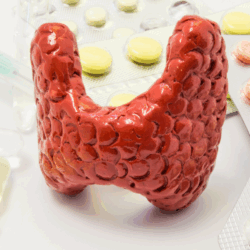
- Hormonal imbalances: Insulin resistance, thyroid imbalances, and cortisol fluctuations can all make weight loss and energy regulation more difficult.
- Stress response: Cortisol levels increase with stress, leading to fat storage, especially around the belly.
- Gut health shifts: Changes in gut microbiota can lead to bloating, sluggish digestion, and nutrient absorption issues.
Hormones, Gut, Metabolism, and Stress
Why does this happen? The root causes are deeply tied to hormonal changes, metabolic shifts, and gut health. Let’s break them down:
- Hormones: Estrogen, progesterone, and testosterone decrease during perimenopause and menopause, leading to weight gain, especially around the abdomen. The Endocrine Society states that these imbalances disrupt energy regulation and fat storage.
- Insulin Resistance: Insulin, the hormone that controls blood sugar, starts to work less efficiently after 35. This means your body doesn’t regulate glucose as effectively, leading to increased fat storage.
- Gut Health: With age, the diversity of gut bacteria decreases, which can affect digestion and weight regulation. Inflammation from gut issues can also lead to fatigue, hormonal imbalances, and low energy levels.
- Stress and Cortisol: Stress increases cortisol, a hormone that promotes fat storage, especially in the belly area. Over time, chronic stress leads to increased fat retention and slower metabolism.
What Most People Get Wrong
Here’s where most people go wrong:
- One-size-fits-all diets: Generic plans are based on calorie deficits and generic macro ratios that don’t take into account how hormones, stress, and metabolic changes impact each individual.
- Ignoring hormonal imbalances: When you hit your 30s and 40s, it’s not just about calories. It’s about understanding how your hormones are impacting weight loss.
- The “one-diet-fits-all” mindset: Diets that worked in your 20s or early 30s might not work after 35 because your body has changed. Your body requires different nutritional needs as your metabolic rate and hormones shift.
Step-by-Step Solution: How to Address the Root Causes
If generic diet plans aren’t working, what can you do? Here’s a realistic, step-by-step plan:
- Step 1: Balance your hormones: Hormonal imbalances are often the main culprit behind stubborn weight, fatigue, and mood changes. A tailored approach to hormone health, using therapies like bioidentical hormone replacement therapy (BHRT), can help you regain balance.
- Step 2: Focus on gut health: A gut health plan that includes probiotics, fiber, and digestive enzymes can help improve nutrient absorption and digestion. Consider testing for food sensitivities or IBS, which are common in your 30s and 40s.
- Step 3: Adapt your diet to your metabolism: Cut the carb-heavy, low-fat diets and focus on higher protein and healthy fats. This will help stabilize your blood sugar, reduce inflammation, and support muscle growth to keep metabolism up.
- Step 4: Manage stress: Take up practices like yoga, meditation, or even walk breaks. These strategies can help reduce cortisol and maintain a healthy weight while promoting balanced energy.
When to Consider Advanced Testing or Treatment
While dietary and lifestyle changes are critical, sometimes you need advanced testing to identify the underlying issues:
- Hormone Testing: A full hormone panel can help identify imbalances in estrogen, progesterone, cortisol, and thyroid hormones.
- Gut Health Testing: Testing for gut microbiota imbalances can help uncover inflammation or malabsorption that may be affecting your energy and weight.
- Metabolic Health Testing: Metabolic tests, including fasting glucose and insulin levels, can identify insulin resistance early, allowing you to address it before it leads to more serious health issues.
FAQ’s:
Q1: Why do I feel so tired even though I’m eating healthy?
As you age, hormonal imbalances (like thyroid issues, low estrogen, and high cortisol) can interfere with energy production. Your body also may not absorb nutrients as efficiently, leaving you drained.
Q2: Can stress really cause weight gain?
Yes. Chronic stress increases cortisol, a hormone that promotes fat storage, especially around your abdomen. Addressing stress is essential for managing weight and improving energy levels.
Q3: Why can’t I lose weight like I used to?
After 35, your metabolism slows down, and hormonal imbalances may impact how your body burns calories. Focusing on muscle-building and metabolic health, in addition to dieting, is key.
Conclusion: The 1st Optimal Solution for You
Generic diets miss the mark when it comes to the unique hormonal, metabolic, and gut health changes we face after 35. But you don’t have to navigate this alone. At 1st Optimal, we specialize in personalized health plans designed to address your unique needs, helping you achieve sustainable weight loss, increased energy, and balanced hormones.
Are you ready to take control of your health? Book a free health consult with one of our experts today and discover how we can help you optimize your health for the long-term.