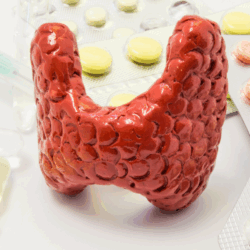


The thyroid, often referred to as the “butterfly-shaped” gland in your neck, plays a crucial role in regulating metabolism, energy levels, and overall well-being. However, many people experience the frustrating reality of thyroid symptoms coming and going, one day feeling energized and balanced, the next overwhelmed with fatigue or weight changes. If you’ve been struggling with fluctuating thyroid symptoms, you’re not alone.
Understanding why thyroid symptoms fluctuate is essential to managing your health effectively. Whether you’re dealing with hypothyroidism, hyperthyroidism, or autoimmune conditions like Hashimoto’s disease, the root causes of these fluctuations can vary, and pinpointing them is the key to successful treatment. Factors such as stress, diet, medication, hormone imbalances, and even the time of day can affect how your thyroid symptoms manifest.
In this article, we’ll explore why these fluctuations occur, how to identify them, and how you can effectively manage them. At 1st Optimal, we provide personalized health optimization services, including hormone therapy, functional medicine lab testing, and thyroid support programs to help you manage thyroid symptoms and optimize your health.
What is the Thyroid?
The thyroid is a small, butterfly-shaped gland located at the base of your neck. It plays a vital role in producing hormones, specifically, thyroxine (T4) and triiodothyronine (T3), that regulate your metabolism, energy levels, and overall cellular function. Your thyroid hormones control how quickly your body uses energy, makes proteins, and regulates the sensitivity of other hormones.
When your thyroid is functioning correctly, it helps maintain a steady balance in your body’s energy levels, weight, and mood. But when the thyroid is underactive (hypothyroidism) or overactive (hyperthyroidism), symptoms can become more pronounced, and your overall well-being can be compromised.
At 1st Optimal, we use advanced lab testing to assess thyroid health and create personalized hormone optimization programs designed to help you achieve balanced thyroid function.
Common Thyroid Symptoms
Thyroid imbalances often present with a variety of symptoms. These symptoms can fluctuate in severity depending on factors such as diet, stress, hormonal changes, and medication. Here are the most common symptoms associated with thyroid dysfunction:
- Fatigue: Feeling consistently tired, even after a full night’s sleep, is a hallmark symptom of hypothyroidism.
- Weight Changes: Unexplained weight gain or difficulty losing weight despite efforts to exercise and eat healthily.
- Brain Fog: Difficulty concentrating, forgetfulness, and a general sense of mental sluggishness.
- Dry Skin and Hair: Hypothyroidism often leads to dry, brittle skin and hair that lacks vitality.
- Mood Swings: Irritability, anxiety, and depression can be linked to thyroid imbalances, particularly when hormone levels fluctuate.
Why Do Thyroid Symptoms Fluctuate?
Thyroid function is highly sensitive to external factors, and its symptoms often fluctuate due to several reasons. The most common contributors include:
- Stress: Chronic stress can increase cortisol levels, which in turn can disrupt thyroid function. This can make symptoms worsen, especially in those with pre-existing thyroid issues.
- Diet: A lack of iodine, selenium, and other essential nutrients can impair thyroid hormone production, leading to fluctuations in symptoms. In contrast, a nutrient-rich diet can stabilize thyroid function.
- Hormonal Changes: Hormonal shifts during periods of stress, perimenopause, or menopause can exacerbate thyroid symptoms. The thyroid is closely linked to other hormones, and when one is out of balance, it can affect the others.
- Medications: Certain medications, such as corticosteroids or birth control pills, can impact thyroid function, causing symptoms to come and go. Similarly, improper thyroid medication dosing can lead to fluctuating symptoms.
- Time of Day: Thyroid hormones fluctuate throughout the day. For example, people with hypothyroidism may feel their symptoms worsen in the morning, while they may feel a bit better later in the day.
These fluctuations highlight the need for personalized care and consistent monitoring. At 1st Optimal, we recommend regular thyroid testing and offer comprehensive thyroid health assessments to help you track changes and manage symptoms effectively.
Types of Thyroid Disorders
Understanding the different types of thyroid disorders can help you identify which condition may be causing your fluctuating symptoms. The most common thyroid disorders include:
- Hypothyroidism (Underactive Thyroid): Occurs when the thyroid does not produce enough hormones. This can lead to symptoms such as fatigue, weight gain, and depression.
- Hyperthyroidism (Overactive Thyroid): This occurs when the thyroid produces too much hormone. Symptoms can include rapid heartbeat, weight loss, and anxiety.
- Autoimmune Conditions: Conditions like Hashimoto’s thyroiditis (an autoimmune condition where the body attacks the thyroid) and Graves’ disease (another autoimmune condition that leads to hyperthyroidism) can cause long-term fluctuations in thyroid health.
If you’re unsure about your thyroid health, 1st Optimal offers comprehensive thyroid testing to help identify the underlying causes of fluctuating symptoms and create a tailored treatment plan.
Impact of Stress on Thyroid Health
Chronic stress is a significant factor in the fluctuation of thyroid symptoms. The stress hormone cortisol can interfere with the thyroid’s ability to produce and regulate hormones, causing symptoms to worsen. For individuals already managing thyroid imbalances, the added stress burden can lead to even more pronounced issues.
Perimenopause, for example, is a period where many women experience both hormonal fluctuations and increased stress, compounding thyroid problems. Managing stress through lifestyle changes like regular exercise, healthy eating, and relaxation techniques is essential to stabilizing thyroid function.
At 1st Optimal, we incorporate stress management into our thyroid health optimization programs, combining lab testing, lifestyle adjustments, and personalized coaching.
Managing Thyroid Symptoms
Managing thyroid symptoms requires a holistic approach that combines regular thyroid testing, lifestyle changes, and, when appropriate, medication or supplements. Here are some key strategies for managing thyroid health:
- Regular Thyroid Testing: Regular thyroid testing allows for precise tracking of thyroid hormone levels. This is essential for adjusting treatment plans and monitoring progress.
- Medication or Supplements: Thyroid hormone replacement therapy (HRT) is often used to treat hypothyroidism. For some, supplements such as iodine, selenium, and zinc can support thyroid function.
- Lifestyle Changes: Managing stress, improving diet, getting enough sleep, and incorporating regular exercise can help stabilize thyroid function and reduce symptom fluctuations. At 1st Optimal, we provide a personalized approach to diet and exercise to complement thyroid treatment.
FAQs About Thyroid Health
- Why do thyroid symptoms come and go?
Thyroid symptoms fluctuate due to external factors like stress, diet, and hormonal imbalances. They can also be influenced by the time of day and medication changes. - What is the best treatment for thyroid imbalance?
The best treatment for thyroid imbalance often involves thyroid hormone replacement therapy, lifestyle modifications, and regular thyroid testing. At 1st Optimal, we offer personalized programs that combine medical and lifestyle interventions. - How do I know if my thyroid is underactive or overactive?
A blood test measuring levels of TSH (Thyroid Stimulating Hormone), T3, and T4 can help diagnose whether your thyroid is underactive or overactive. - Can thyroid problems cause weight gain?
Yes, hypothyroidism (underactive thyroid) can lead to weight gain. This occurs because a lack of thyroid hormones slows down metabolism, making it harder to burn calories. - What tests should I get for thyroid health?
Key tests for thyroid health include TSH, Free T3, Free T4, and Reverse T3. 1st Optimal provides comprehensive thyroid testing to assess and optimize thyroid health.
Conclusion and Next Steps
Thyroid health is delicate and requires a comprehensive approach to manage fluctuating symptoms effectively. By understanding the causes of these fluctuations, such as stress, diet, and hormonal imbalances, you can better control your thyroid health. At 1st Optimal, we offer personalized thyroid optimization services, including lab testing, hormone therapy, and lifestyle coaching to help you manage symptoms and achieve long-term health.
Book your free health consult here: https://1stoptimal.com/book-a-call/
About Us
1st Optimal is a functional medicine and performance health clinic dedicated to helping high-achieving adults optimize hormone health, weight, energy, and longevity. Follow 1st Optimal on Instagram
Founders:
- Joe Miller – Expert in functional medicine, hormone optimization, and health coaching. Follow Joe on Instagram
- Amber Miller – Operational leader specializing in patient experience, clinic growth, and holistic health. Follow Amber on Instagram
At 1st Optimal, we combine advanced diagnostics, personalized protocols, and coaching partnerships to deliver sustainable health results for midlife adults.