
Introduction
Sleep is one of the most powerful tools you have to optimize your mental health, physical performance, and overall well-being. However, it’s often misunderstood and undervalued in our modern society. If you’ve ever struggled with poor sleep or found yourself waking up tired, even after a full night in bed, it’s time to understand the science of sleep and how you can enhance the quality of your rest. This guide breaks down the latest research on sleep cycles, hormonal regulation, and sleep hygiene, providing actionable strategies to improve sleep and optimize recovery.
What is Sleep? Understanding the Basics
Sleep is often treated as just a “break” from our day-to-day lives, but in reality, it’s a complex physiological process that’s essential for restoring both your brain and body. Sleep is divided into two main types: non-rapid eye movement (non-REM) and rapid eye movement (REM) sleep. These two stages serve different functions and are crucial for mental clarity, emotional regulation, and physical recovery.
During non-REM sleep, your body goes into deep restorative states where your muscles repair, and essential growth hormones are released. On the other hand, REM sleep plays a critical role in memory consolidation and emotional processing. Understanding how these stages work is the first step toward enhancing your sleep quality.
The Two Main Types of Sleep: Non-REM and REM Sleep
- Non-REM Sleep: This stage accounts for about 75% of your total sleep. It’s broken down into three stages, each deeper than the last, where your body undergoes physical repair and immune function is enhanced. Non-REM sleep is essential for muscle recovery and tissue repair, and it’s also when growth hormone is most active.
- Stage 1 and 2: Light sleep that prepares your body for deeper stages. Your heart rate slows, and muscles begin to relax.
- Stage 3 and 4: Deep sleep stages crucial for recovery, hormone regulation, and immune function. This is the most restorative sleep phase.
- REM Sleep: Lasting about 20–25% of your total sleep time, REM sleep occurs about 90 minutes after you fall asleep. During this phase, rapid eye movements occur, and your body becomes temporarily paralyzed. This paralysis protects you from acting out your dreams. REM sleep is vital for cognitive processes, including memory, learning, and emotional health.
Both stages of sleep are necessary for mental and physical health, and imbalances in the amount of time spent in each stage can affect overall well-being.
Why Sleep Quality Matters More Than Quantity
It’s a common misconception that simply “getting enough sleep” ensures restorative rest. While sleep quantity is important, sleep quality plays an even more crucial role.
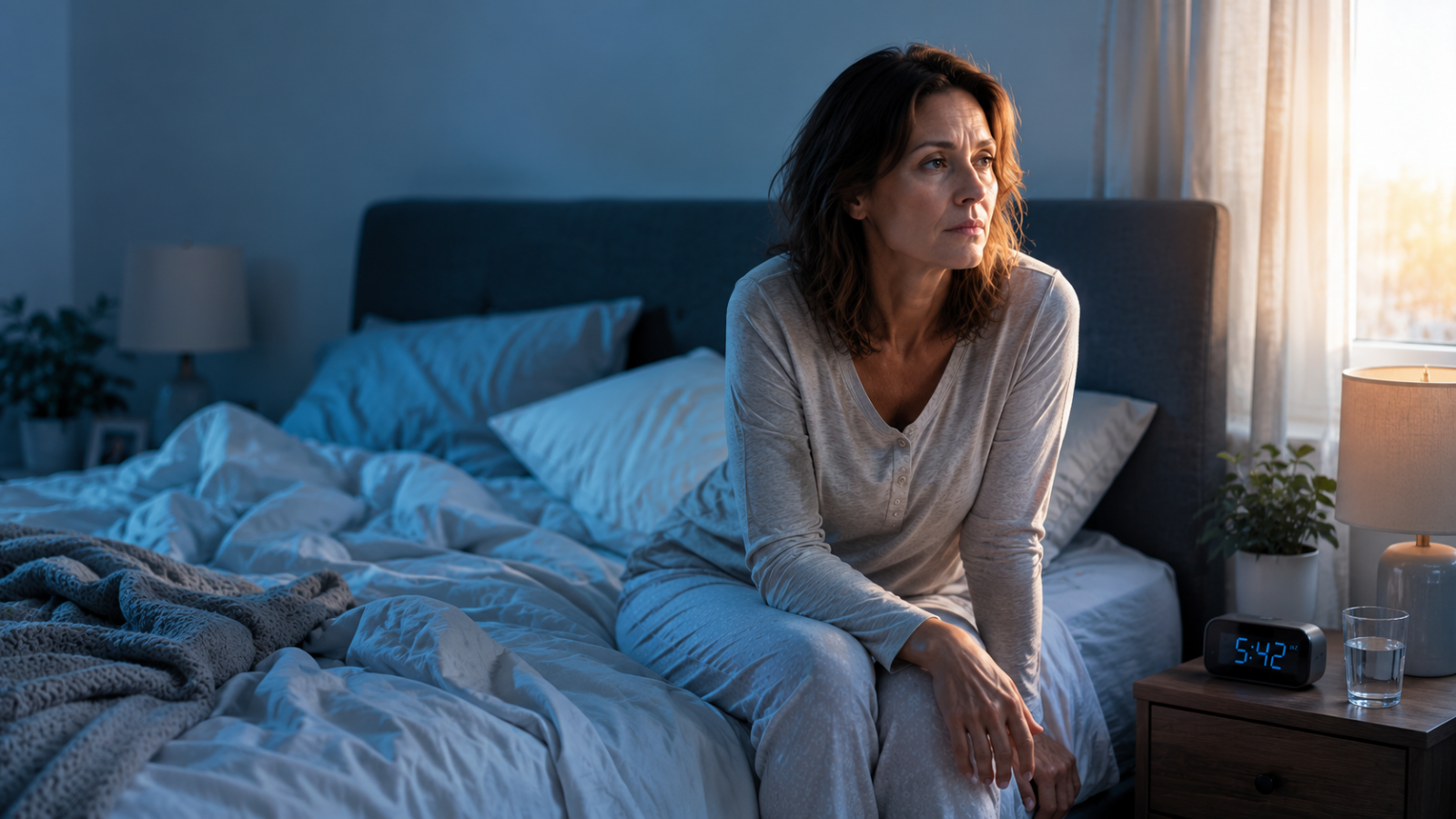
Fragmented Sleep – Frequent wake-ups or poor-quality sleep can leave you feeling unrested, even if you’ve spent 8 hours in bed. For example, waking up multiple times during the night can prevent you from reaching the deep non-REM and REM stages of sleep. Sleep fragmentation prevents your body from reaching its full recovery potential, leaving you fatigued the next day, and over time, it can have a significant impact on your physical and mental health.
In fact, poor sleep quality is associated with:
- Increased cortisol (stress hormone) levels, which can negatively affect metabolism and immune function.
- Disruptions to growth hormone production, hindering muscle repair and recovery.
- Decreased testosterone levels, which is essential for muscle mass and energy.
The Critical Role of Hormones in Sleep
Hormones play a pivotal role in regulating your sleep cycles, recovery, and overall health. Below are key hormones and their function in sleep:
- Melatonin: Produced by the pineal gland, melatonin is the body’s natural sleep signal. As darkness falls, melatonin levels rise, signaling to the body that it’s time to wind down for sleep. Disruptions to melatonin production can cause sleep delays and disturbances.
- Cortisol: Often called the “stress hormone,” cortisol should naturally decline as the day progresses. However, prolonged stress or poor sleep hygiene can keep cortisol levels elevated, preventing relaxation and making it harder to fall asleep.
- Testosterone: Peak testosterone levels occur during REM sleep and are linked to muscle recovery, strength, and energy. Lack of sleep or poor-quality sleep can result in a dip in testosterone, leading to fatigue, mood swings, and reduced athletic performance.
- Growth Hormone (GH): The highest levels of growth hormone are released during deep non-REM sleep. GH plays a critical role in muscle repair, fat loss, and immune function.
Optimizing your sleep hygiene and routine can help regulate these hormones and improve the quality of your rest.
Lifestyle Factors That Disrupt Sleep and How to Avoid Them
Certain lifestyle habits can disrupt your sleep, leading to poorer health outcomes. Some of the most common culprits include:
- Caffeine: Consuming caffeine too late in the day can interfere with your ability to fall asleep. Caffeine has a half-life of about 5–6 hours, so it’s best to avoid it at least 8 hours before bed to prevent it from affecting sleep quality.
- Alcohol: While alcohol might help you fall asleep faster, it disrupts sleep quality by fragmenting REM sleep and lowering your sleep efficiency. Alcohol can also affect hormone regulation, making it harder for you to get restorative rest.
- Blue Light Exposure: Screens—such as phones, tablets, and computers—emit blue light, which disrupts the production of melatonin. Limiting screen time an hour before bed is crucial to achieving restful sleep.
Sleep Hygiene: Practical Tips for Better Rest
Improving your sleep hygiene can lead to better sleep quality and health outcomes. Here are some simple strategies:
- Set a Consistent Sleep Schedule: Going to bed and waking up at the same time each day helps regulate your body’s internal clock, making it easier to fall asleep and wake up.
- Create a Relaxing Bedtime Routine: Engage in calming activities, like meditation, light stretching, or reading before bed. This helps signal to your brain that it’s time to wind down.
- Optimize Your Sleep Environment: Keep your bedroom cool, dark, and quiet. Invest in a comfortable mattress and pillows to support quality sleep.
- Limit Stimulants: Avoid caffeine, alcohol, and heavy meals before bedtime. These can interfere with sleep cycles and hormone regulation.
Frequently Asked Questions About Sleep:
- How much sleep do I really need?
- Adults typically need 7–9 hours of sleep per night for optimal health, but individual needs may vary. Quality is more important than quantity.
- Can I “make up” for lost sleep?
- While you can catch up on sleep, it’s difficult to fully recover from sleep debt. Consistent, high-quality sleep is essential for long-term health.
- Why do I wake up during the night?
- Waking up during the night can be normal, but frequent or extended awakenings could be a sign of fragmented sleep. Focus on improving sleep hygiene and consider limiting caffeine.
- Does melatonin help me fall asleep?
- Melatonin supplements may help reset your sleep-wake cycle but don’t guarantee better sleep quality. A dose of 0.1–0.3 mg is typically enough for most people.
- Can naps improve my sleep?
- Short naps (20–30 minutes) can improve alertness and memory. However, long naps or naps too late in the day can disrupt your nighttime sleep.
Conclusion: Sleep Optimization for Better Health
Understanding the science of sleep is the first step toward optimizing your health and performance. By focusing on improving both sleep quality and sleep duration, you can enhance recovery, regulate hormones, and boost overall well-being. Simple adjustments to your daily habits, like reducing caffeine intake, establishing a consistent sleep routine, and avoiding blue light exposure, can lead to significant improvements in your sleep.
Take charge of your health by incorporating these sleep strategies into your routine. 1st Optimal offers personalized plans that include hormone optimization, lifestyle assessments, and more to help you achieve better sleep and enhanced performance. Ready to optimize your health? Book a free health consult today.
References:
- Walker, M. Why We Sleep: Unlocking the Power of Sleep and Dreams. Scribner, 2017.
- Chtourou, H., et al. Effects of Sleep Deprivation on Exercise Performance. Int J Sports Med, 2013.
- Siegel, J.M. The Neural Control of Sleep and Wakefulness. Neuroscientific Insights, 2016.
- Walker, M., et al. The Effects of Sleep on Performance, Health, and Longevity. Sleep Science Reviews, 2019.
- Hargraves, M., et al. Sleep, Hormones, and Health: The Impact of Sleep on Physical and Mental Performance. J Sleep Research, 2021.