

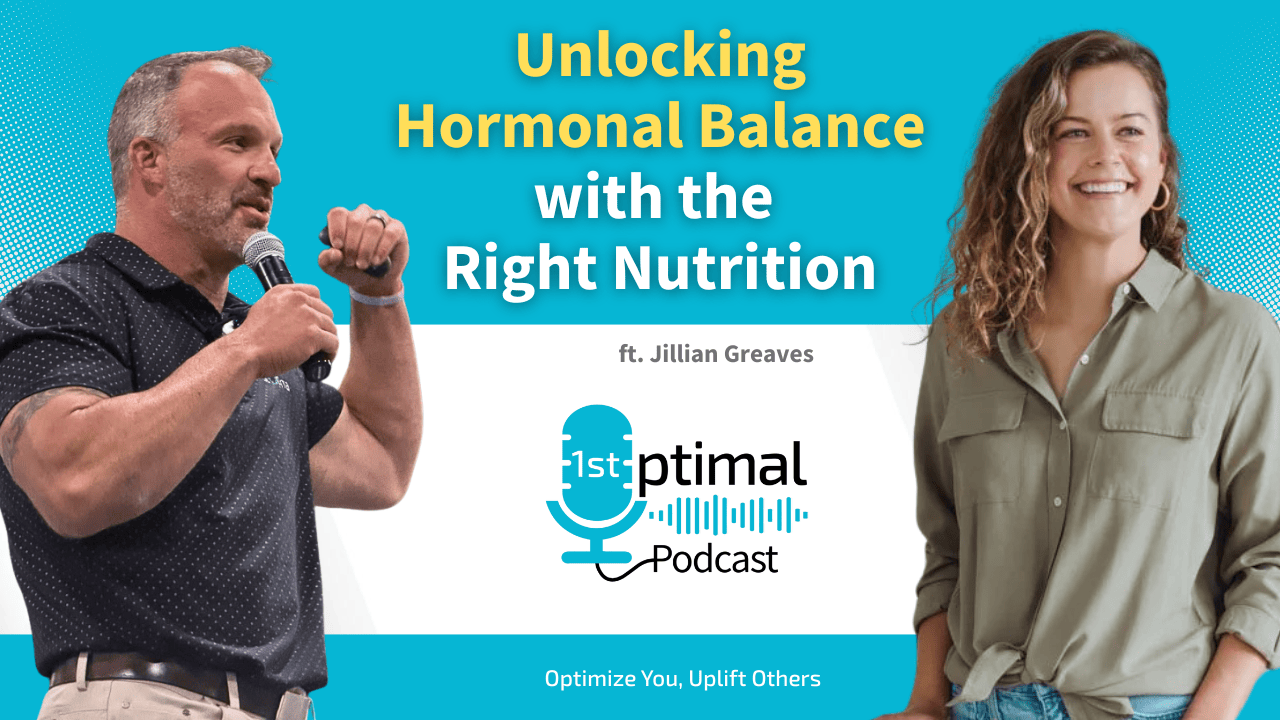
Functional medicine offers a holistic approach to addressing the root causes of chronic health conditions in women. Unlike traditional medicine that focuses on symptom management, functional medicine looks at the interconnectedness of hormonal imbalances, gut health issues, and lifestyle disruptions that women commonly face. This approach offers not just symptom relief, but long-term solutions tailored to each individual’s unique biology and lifestyle. In this article, we’ll explore how functional medicine can provide a personalized path to wellness, focusing on the most important aspects of health optimization: hormones, gut health, and metabolic balance.
Our guest today, Jillian Greaves, a functional nutrition expert specializing in women’s health, joins us to provide deeper insights into how women can address common health challenges like hormonal imbalances, gut health, and more.
What Is Functional Medicine?
Functional medicine is an approach that looks beyond just symptoms and treatments to uncover the root causes of chronic diseases. It emphasizes the connection between genetics, environment, and lifestyle in order to create personalized, science-backed treatment plans. For women, this means addressing hormonal imbalances, digestive issues, fatigue, and more.
According to Jillian Greaves, functional nutritionist and expert in women’s health, this approach is particularly effective for women because it recognizes that each woman’s health journey is unique, shaped by hormonal fluctuations, genetics, and lifestyle factors.
- Personalized Care: Functional medicine relies on advanced lab testing to guide diagnosis, focusing on the unique needs of each woman.
- Holistic Healing: It combines nutrition, supplements, and lifestyle changes to restore balance and achieve optimal health.
How Functional Medicine Supports Women’s Health
Functional medicine is designed to help women regain their vitality and health by addressing hormonal imbalances, optimizing gut health, and ensuring metabolic balance. Jillian Greaves explains that by using an individualized approach, functional medicine can offer women the support they need at any stage of life, whether they are dealing with PCOS, menopause, or thyroid imbalances.
Key Benefits of Functional Medicine for Women:
- Hormonal Balance: Many women experience hormone imbalances that lead to symptoms like mood swings, weight gain, and fatigue. Functional medicine uses targeted therapies to restore equilibrium.
- Gut Health: The gut is often referred to as the “second brain,” and its health is crucial for overall wellness. Functional medicine addresses digestive issues that may be contributing to symptoms like bloating, irregular bowel movements, and fatigue.
- Blood Sugar Regulation: Balancing blood sugar levels is essential for maintaining energy levels, supporting metabolism, and reducing the risk of metabolic diseases.
The Role of Hormonal Balance in Women’s Wellness
Hormonal imbalances are a key factor affecting women’s health at various stages of life, including perimenopause, menopause, and conditions like PCOS. These imbalances can result in issues such as unexplained weight gain, fatigue, mood swings, and irregular periods.
According to Jillian Greaves, understanding hormonal fluctuations and how they affect overall health is crucial for finding the right treatment. She emphasizes that functional medicine provides tailored solutions that go beyond generic symptom management.
Common Hormonal Imbalances in Women:
- Estrogen Dominance: Can lead to bloating, fatigue, and mood swings.
- Low Progesterone: Causes issues with sleep, anxiety, and irregular cycles.
- Testosterone Imbalance: Contributes to low libido and energy.
By performing lab tests to measure levels of hormones like estrogen, progesterone, and testosterone, functional medicine can guide the best course of treatment to balance these vital hormones.
Addressing Gut Health Through Functional Medicine
The health of your gut is intrinsically linked to your overall health, including hormone balance. Dysbiosis (imbalance of gut bacteria) can lead to hormonal disruptions, digestive discomfort, and even autoimmune diseases.
The Gut-Hormone Connection:
- Gut Microbiome and Hormones: A healthy gut microbiome helps metabolize and detoxify excess hormones, reducing symptoms of estrogen dominance and supporting healthy metabolic functions.
- Leaky Gut Syndrome: A compromised gut lining can lead to systemic inflammation, further aggravating hormone imbalances and metabolic issues.
Jillian Greaves explains that gut health is one of the most overlooked areas in traditional medicine. She advocates for using gut healing protocols, such as GI-MAP testing, to identify specific issues affecting digestive and hormonal health.
Functional medicine uses GI-MAP testing to analyze gut health and tailor dietary and lifestyle recommendations that promote a healthy microbiome.
Balancing Blood Sugar and Metabolism
One of the key factors in maintaining hormonal balance is regulating blood sugar levels. Insulin resistance can lead to weight gain, fatigue, and an increased risk of type 2 diabetes.
Blood Sugar Regulation Strategies:
- Nutrient-Rich Diet: Focus on whole foods that stabilize blood sugar, such as high-quality proteins, complex carbs, and healthy fats.
- Exercise: Regular physical activity, including strength training and aerobic exercise, helps optimize insulin sensitivity.
- Stress Management: High stress can lead to insulin resistance, so managing stress is crucial for overall health.
Jillian Greaves also highlights that blood sugar regulation is a foundational element of functional medicine. She works with her clients to balance their blood sugar through dietary changes and stress-reducing practices.
Lifestyle Changes for Long-Term Health Optimization
Health optimization goes beyond taking supplements or receiving treatments; it involves making sustainable changes in lifestyle. Functional medicine emphasizes the importance of diet, exercise, sleep, and stress management to achieve long-term wellness.
Important Lifestyle Practices:
- Regular Exercise: Exercise not only supports metabolism but also helps balance hormones and improve mood.
- Stress Reduction: Practices like meditation, yoga, and mindful breathing can help reduce cortisol levels, supporting hormonal health.
- Adequate Sleep: Sleep is essential for hormone production and cellular repair. Functional medicine advises aligning sleep patterns with the body’s natural circadian rhythms.
The Importance of Lab Testing for Precision Care
Functional medicine relies heavily on advanced lab testing to understand an individual’s unique health needs. Tests like hormone panels, GI-MAP, and blood sugar testing provide actionable insights that allow for targeted interventions.
Lab Tests for Women:
- Hormonal Panels: Measure estrogen, progesterone, testosterone, and thyroid hormones.
- GI-MAP Test: Analyzes gut health and identifies any imbalances or pathogens.
- Metabolic Panels: Assess blood sugar, cholesterol, and other key markers of metabolic function.
By analyzing these tests, functional medicine practitioners can create a customized treatment plan that optimizes your health.
How to Transition Off Hormonal Birth Control: A Guide for Women
For women coming off hormonal birth control, it’s essential to have a strategy in place to manage the symptoms that often arise, such as irregular periods, hormonal imbalances, and nutrient deficiencies.
Steps for Transitioning Off Birth Control:
- Lab Testing: Get a comprehensive hormone panel before and after discontinuing birth control to monitor any changes.
- Nutrient Support: Focus on replenishing nutrients depleted by birth control, such as magnesium, selenium, and B vitamins.
- Stress Reduction: Focus on reducing stress to help the body recalibrate after stopping hormonal birth control.
FAQs:
Q: How long does it take for functional medicine to work?
A: The timeline varies based on the individual’s condition. Some may experience improvements in a few weeks, while others may take several months for full benefits.
Q: Is functional medicine covered by insurance?
A: Insurance coverage varies. It’s best to check with your insurance provider or directly with 1st Optimal for more information.
🎙 Enjoyed this conversation with Women’s Health Specialist Jillian Greaves?
🔗 Listen to the full episode on your favorite platform:
🎧 Spotify | Apple Podcasts | Amazon Music | Google Podcasts
📺 Watch it on YouTube:
Conclusion & Call to Action:
Functional medicine provides a personalized, science-backed approach to optimizing women’s health. Whether you’re struggling with hormonal imbalances, gut health issues, or metabolic concerns, functional medicine offers sustainable, root-cause solutions that can help you regain balance and vitality.
Take the first step toward optimal health today by booking a consultation with 1st Optimal.
Book Your Free Health Consultation Here