
Perimenopause, often referred to as the “transition phase,” is the time leading up to menopause. This phase can begin as early as the mid-30s, with many women experiencing changes in their bodies as their hormone levels begin to fluctuate. While menopause is typically marked by the cessation of periods, perimenopause can last for several years and is characterized by an array of symptoms that can affect daily life, physically, mentally, and emotionally.
For women aged 35–55, perimenopause is a time of significant change. Understanding how hormonal shifts affect your body is crucial for managing symptoms effectively. At 1st Optimal, we focus on offering personalized solutions that include hormone therapy, peptides, and holistic health optimization to help women feel their best during this transitional period.
This blog explores the key symptoms of perimenopause, available treatments, and how personalized health strategies can help you manage your transition with vitality and confidence.
What is Perimenopause?
Perimenopause is the transitional period before menopause, often starting in a woman’s 40s, though it can begin earlier. This phase is characterized by fluctuations in estrogen and progesterone levels, which can lead to changes in menstrual cycles and the onset of various symptoms. Perimenopause can last anywhere from 4 to 10 years, depending on the individual.
During this time, a woman’s body begins to prepare for menopause, which is confirmed when a woman has not had a period for 12 consecutive months. However, perimenopause can bring with it several challenges, including changes in fertility, mood, and metabolism. This phase is different for every woman, and understanding the physical and emotional changes that occur can empower women to take control of their health.
Key Symptoms of Perimenopause
Perimenopause brings a range of symptoms, which can vary in intensity. Here are some of the most common:
- Irregular Periods: One of the first signs of perimenopause, women may experience lighter, heavier, or missed periods.
- Hot Flashes and Night Sweats: Sudden waves of heat, often accompanied by sweating, are common during perimenopause. Night sweats can disrupt sleep, leading to fatigue.
- Mood Swings: Hormonal changes can lead to irritability, anxiety, or even depression, often affecting emotional well-being.
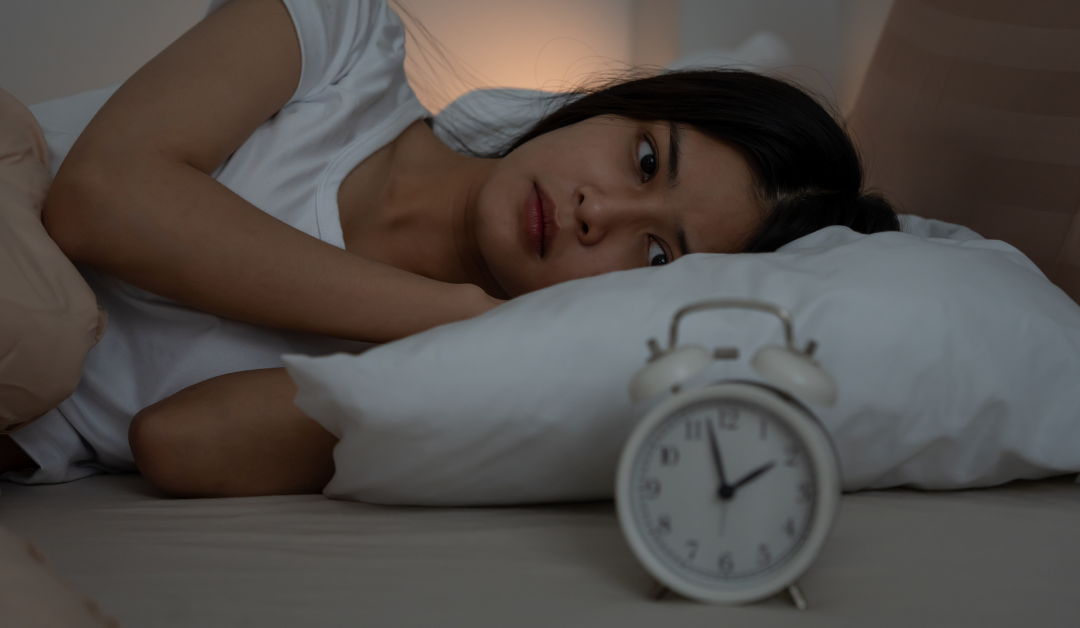
- Sleep Problems: Difficulty falling or staying asleep is another common symptom, often linked to hot flashes or night sweats.
- Weight Gain: Many women experience weight gain during perimenopause, especially around the abdomen. Metabolism slows down, making it harder to maintain a healthy weight.
- Decreased Libido: A reduction in estrogen and testosterone can lead to lower sexual desire.
- Cognitive Changes: Difficulty concentrating, forgetfulness, and what is often referred to as “brain fog” can be frustrating symptoms during this time.
These symptoms can vary greatly from woman to woman. Understanding and managing them is key to maintaining a healthy and fulfilling lifestyle.
How Perimenopause Affects Hormones
Perimenopause is fundamentally about hormonal changes. Estrogen, progesterone, and testosterone all fluctuate during this phase, leading to a variety of physical and emotional symptoms. Here’s a breakdown of how these hormones play a role:
- Estrogen Decline: Estrogen levels begin to fluctuate and decline, which can cause hot flashes, mood swings, and changes in the menstrual cycle.
- Progesterone Decline: Progesterone helps regulate the menstrual cycle and prepare the body for pregnancy. As progesterone decreases, women may experience heavier periods and irregular cycles.
- Testosterone Changes: Though typically associated with men, women also produce testosterone. During perimenopause, testosterone levels decrease, leading to fatigue, reduced libido, and muscle loss.
Hormonal imbalances during this time can be disruptive, but treatments such as Hormone Replacement Therapy (HRT) can help alleviate many of these symptoms by restoring balance.
Hormone Replacement Therapy (HRT) for Perimenopause
Hormone Replacement Therapy (HRT) is one of the most effective treatments for managing perimenopause symptoms. HRT involves replacing the hormones that the body no longer produces during this transitional phase. There are two primary types of HRT:
- Estrogen Therapy: Estrogen therapy is typically recommended for women who have had a hysterectomy, as estrogen alone can be used to balance symptoms.
- Combined Estrogen and Progesterone Therapy: For women who still have their uterus, a combination of estrogen and progesterone is recommended to avoid the risk of endometrial cancer.
Bioidentical hormone replacement therapy (BHRT) is another option that uses hormones that are chemically identical to those naturally produced by the body. BHRT is often used for its personalized approach and can be customized to meet the unique needs of each woman.
Weight Loss Strategies During Perimenopause
During perimenopause, weight gain becomes a common concern due to changes in metabolism and hormone levels. While many women experience an increase in belly fat, it is possible to manage weight effectively with the right strategies. Here are some tips:
- Exercise Regularly: Incorporating both cardio and strength training can help boost metabolism, preserve muscle mass, and reduce fat accumulation.
- Balanced Diet: Focus on a nutrient-rich diet with plenty of fruits, vegetables, lean proteins, and healthy fats. Avoid processed sugars and high-carb foods that can spike insulin levels and contribute to weight gain.
- Stress Management: High levels of stress lead to increased cortisol production, which can promote fat storage. Practicing relaxation techniques like yoga, deep breathing, or meditation can help mitigate stress and its effects on weight.
- Hormonal Support: Hormonal imbalances during perimenopause can make weight loss difficult. Addressing these imbalances with HRT or other treatments can help.
Gut Health and Perimenopause
The gut microbiome plays a significant role in hormone regulation, particularly during perimenopause. An imbalance in gut bacteria can exacerbate perimenopause symptoms like bloating, weight gain, and mood swings. Maintaining a healthy gut is crucial during this phase.
- Probiotics and Prebiotics: These can help restore balance to the gut microbiome, improving digestion and overall hormone balance.
- Fiber-Rich Diet: High-fiber foods promote regular digestion and support a healthy gut environment.
- Fermented Foods: Foods like kefir, sauerkraut, and kimchi can boost beneficial bacteria in the gut.
Optimizing gut health can support hormonal function, reduce bloating, and help alleviate other perimenopause symptoms.
Personalized Health Optimization for Perimenopause
At 1st Optimal, we believe in personalized health optimization. Every woman’s experience with perimenopause is unique, and your treatment plan should reflect that. Here’s how personalized care can make a difference:
- Comprehensive Testing: Lab tests to assess hormone levels, metabolism, and nutrient deficiencies can provide a clear picture of your unique needs.
- Tailored Treatment Plans: Based on your test results, your healthcare provider may recommend hormone therapy, lifestyle changes, supplements, or peptides to optimize your health.
- Ongoing Support: Regular check-ins ensure that your treatment plan is adjusted as needed, helping you manage perimenopause with confidence and ease.
Personalized health optimization ensures that you are receiving the most effective treatments to support your well-being during this transition.
Frequently Asked Questions About Perimenopause
- What are the first signs of perimenopause?
The first signs of perimenopause include irregular periods, hot flashes, and mood swings. Women may also experience sleep disturbances, fatigue, and changes in libido. - How long does perimenopause last?
Perimenopause can last anywhere from 4 to 10 years, typically beginning in a woman’s 40s. The symptoms often gradually worsen as estrogen levels fluctuate. - Can hormone therapy help with weight loss during perimenopause?
Hormone therapy can help alleviate many symptoms of perimenopause, and by restoring hormonal balance, it can support weight management. However, diet and exercise remain essential for weight loss. - Are peptides safe during perimenopause?
Peptides like GHRP have been shown to promote fat loss and preserve muscle mass. They can be a safe and effective addition to a perimenopause management plan when prescribed by a healthcare provider. - How can I optimize my health during perimenopause?
A comprehensive approach that includes hormone therapy, stress management, exercise, and a balanced diet can help optimize health during perimenopause. Personalized testing and treatment plans can ensure that you are addressing your unique health needs.
Conclusion and Next Steps
Perimenopause is a natural but sometimes challenging phase of life. Understanding the symptoms, treatments, and personalized optimization strategies available can help women navigate this transition with greater ease. At 1st Optimal, we offer tailored health optimization plans that address the unique needs of women in perimenopause. If you’re ready to take control of your health and optimize your well-being, book a free health consult today.
About Us
1st Optimal is a functional medicine and performance health clinic dedicated to helping high-achieving adults optimize hormone health, weight, energy, and longevity. Follow 1st Optimal on Instagram
Founders:
- Joe Miller – Expert in functional medicine, hormone optimization, and health coaching. Follow Joe on Instagram
- Amber Miller – Operational leader specializing in patient experience, clinic growth, and holistic health. Follow Amber on Instagram
At 1st Optimal, we combine advanced diagnostics, personalized protocols, and coaching partnerships to deliver sustainable health results for midlife adults.
References:
- National Institute on Aging. (2020). “Perimenopause and Hormone Therapy.”
- PubMed. (2019). “The Impact of Perimenopause on Women’s Health.”
- Mayo Clinic. (2020). “Perimenopause Symptoms and Treatment.”
- NIH. (2021). “Hormone Replacement Therapy and Women’s Health.”
- American Journal of Obstetrics and Gynecology. (2021). “Bioidentical Hormone Replacement Therapy.”