

Menopause is a significant stage in a woman’s life, typically occurring between the ages of 45 and 55, but the transition to menopause can begin earlier, during perimenopause. This natural phase marks the end of the menstrual cycle, but it also brings a range of symptoms that can affect daily life, physically, emotionally, and mentally. While hot flashes and night sweats are the most commonly recognized symptoms, many women also experience brain fog, stubborn belly fat, and decreased libido during menopause.
For women in the age range of 35–55, the fluctuating hormone levels of menopause can make it more difficult to maintain energy, mental clarity, and overall health. At 1st Optimal, we believe in a holistic, evidence-based approach to managing menopause. This includes hormone therapy, strength training, and testosterone therapy, key tools that can significantly improve overall well-being during this critical life stage.
In this article, we explore the key symptoms of menopause, treatments like testosterone therapy, the role of strength training, and health optimization strategies to help you thrive through menopause.
What is Menopause?
Menopause is the time in a woman’s life when menstrual periods stop permanently, signifying the end of fertility. This phase is diagnosed after a woman has gone 12 consecutive months without a period. The average age for menopause is 51, but symptoms can begin earlier, typically in a woman’s 40s, during the perimenopausal phase. During this time, estrogen and progesterone levels gradually decline, leading to various physical and emotional changes.
Unlike perimenopause, which is marked by more gradual changes, menopause is the final stage, where symptoms can become more intense. For many women, menopause represents not just the cessation of their menstrual cycle, but also the onset of changes that affect metabolism, energy levels, cognitive function, and sexual health.
Key Symptoms of Menopause
Menopause brings about a wide range of symptoms, varying in severity. These symptoms are driven by the hormonal shifts occurring in the body and can affect everything from mood to metabolism. The most common symptoms of menopause include:
- Hot Flashes and Night Sweats: Sudden sensations of heat, often accompanied by sweating, especially at night.
- Irregular Periods: Menstrual cycles become irregular, with periods that may be lighter, heavier, or skipped entirely.
- Mood Swings: Hormonal fluctuations can lead to irritability, anxiety, or even depression.
- Sleep Problems: Hot flashes and night sweats often disrupt sleep, leading to fatigue and irritability.
- Vaginal Dryness: Reduced estrogen levels can lead to vaginal dryness, causing discomfort during intercourse.
- Cognitive Changes: Memory lapses, forgetfulness, and brain fog are common as estrogen levels decrease.
In addition to these widely-known symptoms, many women also experience stubborn belly fat and changes in libido, which can significantly affect their quality of life.
How Menopause Affects Hormones
Hormonal changes during menopause can have a significant impact on various aspects of a woman’s health. The primary hormones involved are estrogen, progesterone, and testosterone.
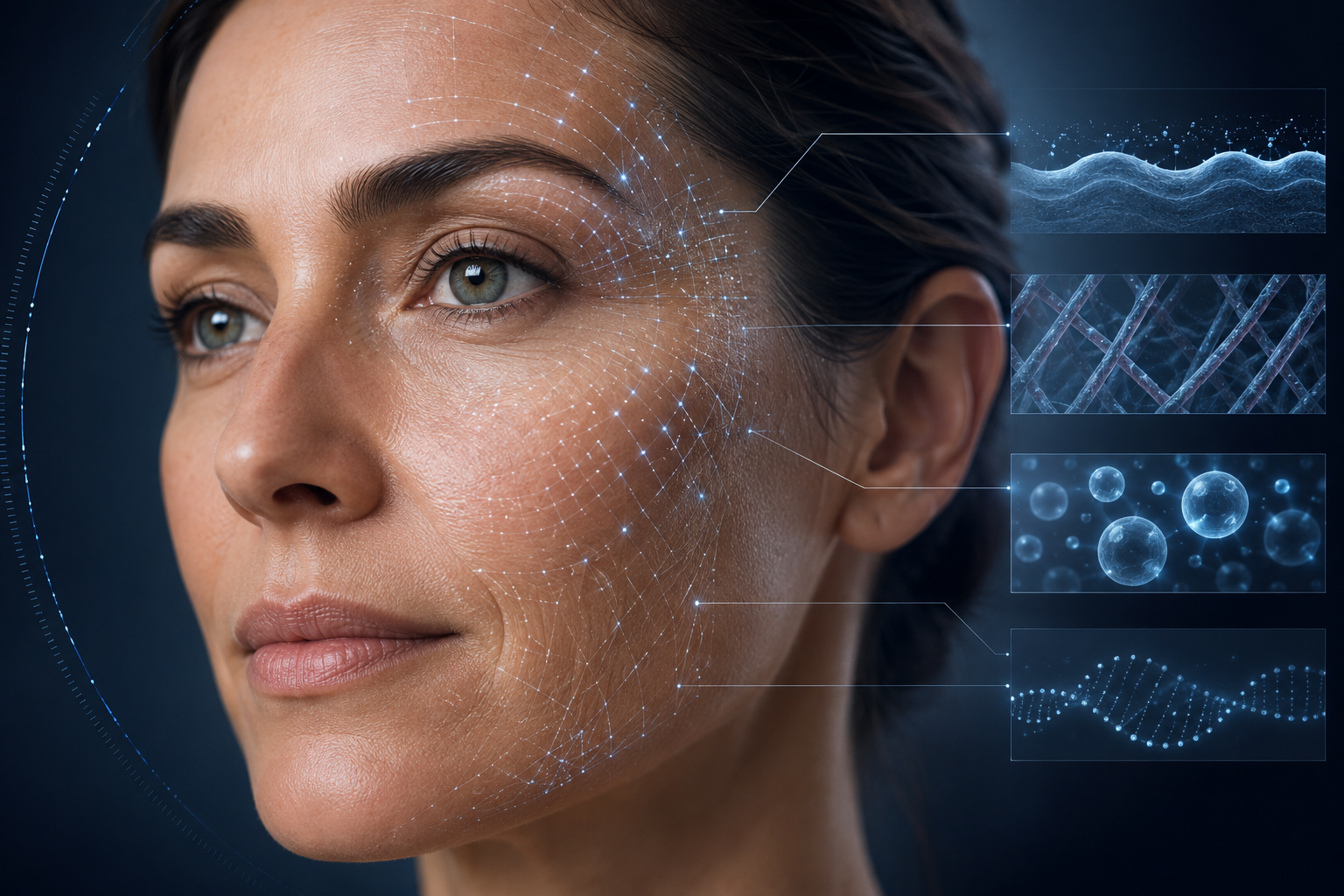
- Estrogen Decline: Estrogen regulates many body functions, including the menstrual cycle, bone health, and skin elasticity. As estrogen levels drop, women often experience symptoms like hot flashes, mood swings, and skin changes.
- Progesterone Decline: Progesterone helps balance estrogen’s effects and is crucial for regulating the menstrual cycle. Its decline during menopause can lead to irregular periods and sleep disturbances.
- Testosterone Decline: Although commonly thought of as a male hormone, testosterone is also essential for women. Testosterone affects muscle mass, energy levels, libido, and overall vitality. As testosterone levels decrease during menopause, women may experience a reduction in sexual desire and muscle tone.
These hormonal imbalances contribute to many menopause symptoms. The good news is that treatments like Hormone Replacement Therapy (HRT) and testosterone therapy can help restore balance.
Hormone Replacement Therapy (HRT) for Menopause
Hormone Replacement Therapy (HRT) is one of the most common and effective treatments for managing menopause symptoms. HRT involves replacing the estrogen and/or progesterone that the body no longer produces during menopause. There are two main types of HRT:
- Estrogen Therapy: This is typically used for women who have had a hysterectomy and helps alleviate many symptoms such as hot flashes and vaginal dryness.
- Combined Estrogen and Progesterone Therapy: For women who still have their uterus, a combination of estrogen and progesterone is recommended to reduce the risk of uterine cancer.
Bioidentical Hormone Replacement Therapy (BHRT) is a personalized form of HRT that uses hormones identical to those produced naturally by the body. BHRT allows for customized hormone replacement based on a woman’s specific needs, providing a more tailored approach to managing symptoms.
Brain Fog and Cognitive Decline During Menopause
Brain fog, which includes symptoms like forgetfulness, difficulty concentrating, and mental fatigue, is a common issue during menopause. Estrogen plays a vital role in brain function, and as estrogen levels decline during menopause, cognitive changes can occur.
To combat brain fog, consider the following strategies:
- Optimize Hormones: Hormone therapy, including estrogen and testosterone replacement, can help support cognitive function.
- Mental Stimulation: Engaging in mental exercises such as puzzles, reading, and learning new skills can help sharpen cognitive abilities.
- Physical Activity: Regular exercise, particularly aerobic activities, can improve memory and brain health by increasing blood flow to the brain.
- Diet: A diet rich in omega-3 fatty acids, antioxidants, and B vitamins supports brain health.
Stubborn Belly Fat and Menopause Weight Gain
Weight gain is one of the most common concerns during menopause, with many women noticing that belly fat becomes increasingly difficult to lose. Hormonal shifts, particularly the decline in estrogen, can lead to increased fat storage around the abdomen.
To manage perimenopausal weight gain, consider these strategies:
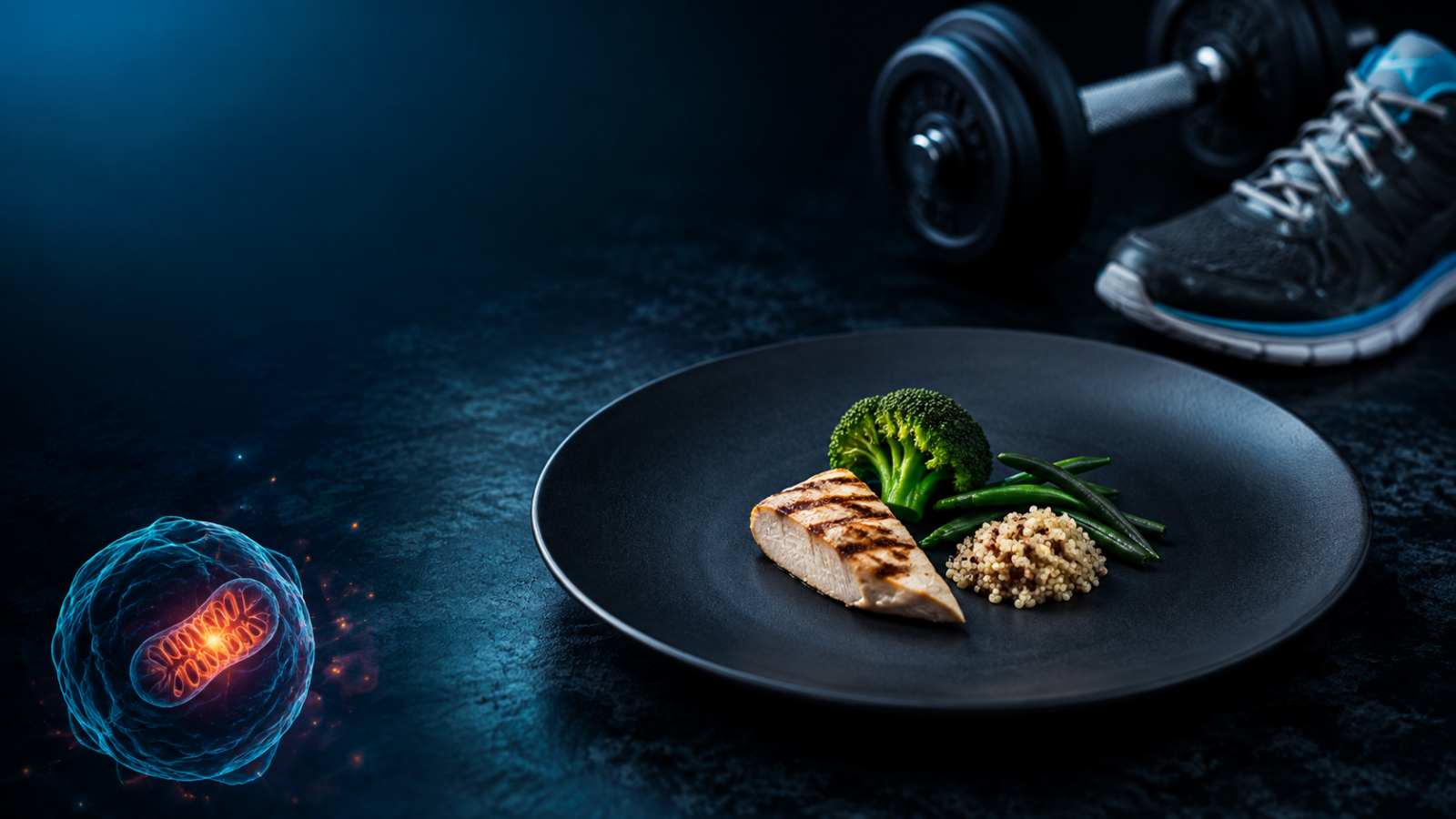
- Strength Training: Building muscle mass through strength training is essential. Muscle helps boost metabolism and supports fat loss.
- Healthy Eating: Focus on a balanced diet rich in fiber, lean protein, and healthy fats. Avoid processed foods and refined sugars that can exacerbate weight gain.
- Stress Reduction: High levels of stress elevate cortisol, a hormone that promotes belly fat storage. Techniques such as yoga, meditation, and deep breathing exercises can help lower stress levels.
Libido and Sex Drive During Menopause
A decrease in libido is a common symptom of menopause, with many women reporting a drop in sexual desire during this time. Estrogen and testosterone play key roles in sexual health, and their decline during menopause can result in reduced libido, vaginal dryness, and discomfort during intercourse.
To support sexual health:
- Testosterone Therapy: Testosterone replacement can be particularly beneficial for women experiencing a low libido. It can help restore sexual desire and improve energy levels.
- Estrogen Therapy: Topical or vaginal estrogen can help with vaginal dryness, reducing discomfort during intercourse.
- Communication: Open communication with your partner is key to addressing emotional concerns and improving intimacy.
Strength Training for Menopause
Strength training is one of the most beneficial exercises for women going through menopause. As estrogen levels decline, women experience a decrease in muscle mass, which can contribute to weight gain, reduced strength, and loss of bone density. Incorporating strength training into your routine can:
- Increase Muscle Mass: Muscle burns more calories than fat, helping to counteract the slower metabolism associated with menopause.
- Improve Bone Health: Weight-bearing exercises like strength training can help maintain bone density, reducing the risk of osteoporosis.
- Enhance Mood: Strength training has been shown to improve mood, reduce anxiety, and combat depression, all of which can be exacerbated by hormonal changes during menopause.
Testosterone Therapy During Menopause
Testosterone plays an essential role in women’s health, particularly in regulating muscle mass, libido, and energy levels. As testosterone levels decline during menopause, many women experience a decrease in sexual desire, muscle weakness, and fatigue. Testosterone therapy can help restore levels of this important hormone, providing the following benefits:
- Improved Libido: Testosterone replacement can help reignite sexual desire and improve overall intimacy.
- Increased Muscle Mass: Testosterone supports muscle growth and strength, which is essential for maintaining metabolic function and bone health during menopause.
- Enhanced Energy: Many women report feeling more energized and less fatigued with testosterone therapy.
Testosterone therapy should always be prescribed and monitored by a healthcare provider to ensure it’s used safely and effectively.
Personalized Health Optimization for Menopause
At 1st Optimal, we provide personalized health optimization for women in menopause. This involves comprehensive testing to assess hormone levels, metabolic health, and nutritional needs. Based on test results, we develop a tailored plan that may include:
- Hormone Therapy (HRT): To restore hormonal balance and alleviate symptoms.
- Strength Training: Customized fitness plans to build muscle mass and support fat loss.
- Testosterone Therapy: For women with low libido or energy, testosterone therapy can be a game-changer.
- Nutritional Support: Diet plans designed to support metabolism and hormone health.
Our goal is to ensure that each woman has a comprehensive, holistic plan to feel her best throughout menopause.
Frequently Asked Questions About Menopause
- What are the first signs of menopause?
The first signs of menopause often include irregular periods, hot flashes, night sweats, and mood changes. Other symptoms, such as vaginal dryness and decreased libido, may also develop. - How long does menopause last?
Menopause typically lasts for 4–5 years, though some women may experience symptoms for up to 10 years. The duration of menopause can vary widely. - Can strength training help with weight loss during menopause?
Yes! Strength training helps build muscle mass, which can boost metabolism and support fat loss, particularly around the abdomen. - Can testosterone therapy help with low libido during menopause?
Yes, testosterone therapy can be effective in restoring sexual desire and improving energy levels, which may decrease during menopause. - How can I manage brain fog during menopause?
Optimizing hormone levels with HRT, staying mentally active, exercising regularly, and eating a brain-healthy diet can all help manage brain fog. - How can I lose belly fat during menopause?
Incorporating strength training, following a balanced diet, managing stress, and addressing hormonal imbalances through HRT or testosterone therapy can help combat stubborn belly fat during menopause.
Menopause is a natural but often challenging phase of life. However, by focusing on strength training, testosterone therapy, and personalized hormone treatments, women can manage symptoms like brain fog, belly fat, and reduced libido. At 1st Optimal, we offer comprehensive care to optimize your health during menopause, helping you maintain vitality and well-being.
Ready to optimize your health during menopause? Book a Free Health Consult with 1st Optimal today!
About Us
1st Optimal is a functional medicine and performance health clinic dedicated to helping high-achieving adults optimize hormone health, weight, energy, and longevity. Follow 1st Optimal on Instagram
Founders:
- Joe Miller – Expert in functional medicine, hormone optimization, and health coaching. Follow Joe on Instagram
- Amber Miller – Operational leader specializing in patient experience, clinic growth, and holistic health. Follow Amber on Instagram
At 1st Optimal, we combine advanced diagnostics, personalized protocols, and coaching partnerships to deliver sustainable health results for midlife adults.