
Low libido in midlife is a common concern, but it doesn’t have to be the “new normal.” If you’re experiencing a decrease in sexual desire, know that this is often a sign of deeper imbalances in your body. The causes of low libido are multifaceted and can be attributed to hormonal shifts, stress, poor sleep, nutritional deficiencies, and emotional factors.
But the good news is that low libido is highly fixable with the right approach. At 1st Optimal, we specialize in identifying and correcting the root causes of low libido through personalized treatments like hormone optimization, stress management, and tailored nutrition plans. In this post, we’ll explore the reasons behind low libido in midlife, how it affects your overall health, and what steps you can take to regain your vitality and desire.
Why Low Libido Happens in Midlife
Hormonal Changes: The Silent Culprits
As we age, our bodies undergo significant hormonal changes that directly impact sexual desire. For women, perimenopause and menopause bring significant shifts in estrogen and progesterone levels, which can lead to vaginal dryness, mood changes, and a decrease in arousal. For men, testosterone levels naturally decline with age, affecting motivation, energy, and sexual desire.
- Low Estrogen in Women: A significant drop in estrogen during menopause often leads to symptoms like vaginal dryness, pain during intercourse, and a reduction in libido. Estrogen plays a vital role in the body’s ability to experience sexual arousal and satisfaction.
- Low Testosterone in Men and Women: Both men and women experience a decline in testosterone levels as they age. For men, this decline can lead to erectile dysfunction, fatigue, and low motivation. For women, low testosterone may result in a lack of sexual desire, reduced enjoyment during intimacy, and overall fatigue.
Thyroid Imbalances
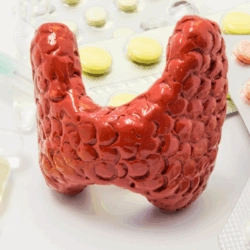
The thyroid plays a crucial role in regulating metabolism, energy levels, and mood. Hypothyroidism, a condition where the thyroid doesn’t produce enough hormones, can lead to weight gain, fatigue, and a decrease in libido. Hyperthyroidism, on the other hand, can lead to anxiety and irritability, both of which can also affect sexual desire.
Hormonal Shifts and Their Impact
- Estrogen and Libido: During menopause, estrogen levels plummet, leading to vaginal dryness and reduced sensitivity. This can result in discomfort during sex and a lack of interest in intimacy. Women who manage to restore estrogen balance through hormone replacement therapy (HRT) often experience a resurgence in libido.
- Testosterone and Libido: Testosterone is not just a male hormone. It plays a critical role in female libido as well. Testosterone levels in women drop significantly with age, often during menopause. This drop can result in low libido, reduced motivation, and difficulty engaging in sexual activity.
- Thyroid Imbalances: Thyroid imbalances, whether hypo or hyper can affect metabolism and energy levels, directly influencing libido. When your thyroid isn’t functioning properly, both your physical and mental energy can be drained, leaving little room for sexual desire.
Case Study: Sara, 48, was struggling with decreased libido, extreme fatigue, and irritability. After a full hormone panel at 1st Optimal, we discovered that her testosterone and thyroid levels were well below optimal. Through a personalized HRT protocol and thyroid optimization, Sara regained her energy and libido in just three months.
Stress and Sleep: Silent Libido Killers
The Impact of Chronic Stress
Stress is an inevitable part of life, but chronic stress can seriously affect your hormones. Cortisol, the stress hormone, disrupts the delicate balance of sex hormones like estrogen, progesterone, and testosterone. High cortisol levels can block the production of these hormones, leading to low libido.
- Survival Mode: When you’re stressed, your body is in survival mode, prioritizing essential functions (like breathing and heartbeat) over less critical functions, like sex. This is why stress often kills libido, even in otherwise healthy individuals.
Sleep Deprivation and Libido
Sleep is an essential pillar of health, yet many of us don’t get enough of it. Chronic sleep deprivation—less than seven hours per night—has been shown to lower testosterone levels, impair hormone production, and negatively impact libido. Poor sleep affects mood, energy, and even physical performance, all of which are closely linked to sexual desire.
- Cortisol Rhythms and Libido: Poor sleep disrupts cortisol levels, increasing stress and decreasing libido. Sleep is when your body restores its energy and balances hormones, including those that control sexual function.
Client Testimonial: “After struggling with fatigue and low libido, I realized my poor sleep habits were affecting my hormones. Working with 1st Optimal helped me improve my sleep, and within weeks, my libido returned.” — Janet, 42
Nutritional Factors That Affect Desire
Undereating and Skipping Meals
Not getting enough food can reduce sex hormone production. Our bodies need essential nutrients like protein, healthy fats, and vitamins to support hormonal health. When we eat too little, our bodies prioritize survival, suppressing functions like sex drive to conserve energy.
Low Protein and Healthy Fats
Testosterone and other sex hormones are synthesized from cholesterol and fats. If your diet lacks healthy fats and proteins, it can lead to low sex hormone output and reduced libido.
- Blood Sugar Spikes: Blood sugar fluctuations can affect mood, energy, and desire. When your blood sugar spikes, it triggers an insulin response that can lower energy levels and suppress libido.
The Role of Emotional and Relationship Health
Emotional Safety and Libido
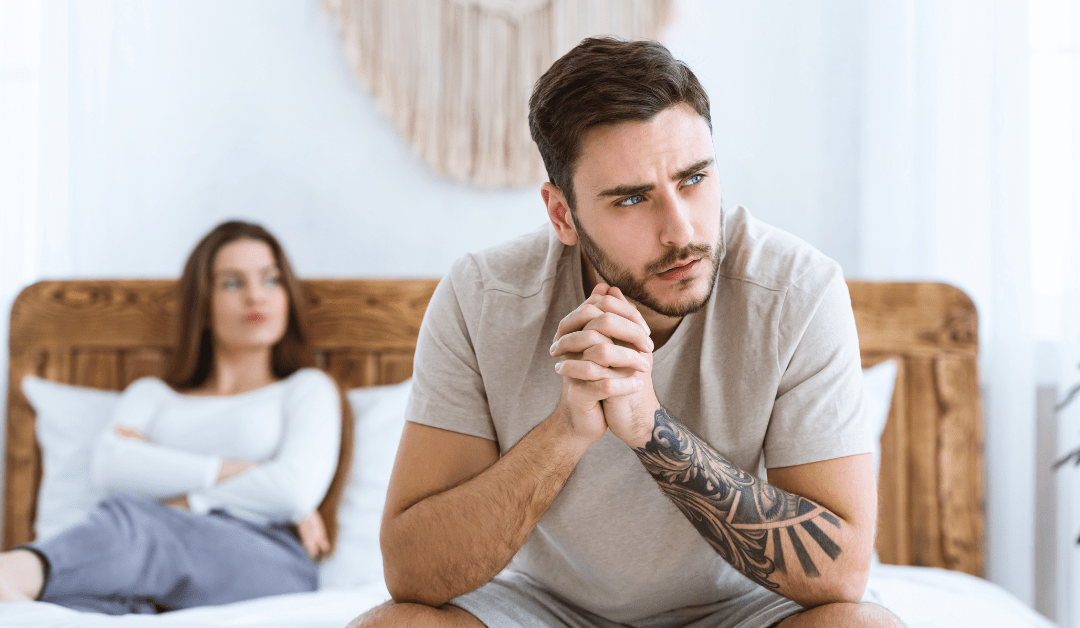
Emotional safety is a biological requirement for intimacy. Chronic stress, unresolved relationship tension, or negative body image can all interfere with sexual desire. Women, in particular, need to feel emotionally safe to fully engage in intimacy.
Relationship Factors
In long-term relationships, feeling unseen or unappreciated can diminish sexual desire. Communication, emotional support, and physical touch are all essential to maintaining a healthy libido.
Real-life Example: A couple in therapy reported a noticeable decrease in intimacy due to unresolved tensions and a lack of emotional connection. After months of working on their relationship dynamics, their physical connection improved significantly.
How 1st Optimal Can Help
1st Optimal takes a holistic approach to addressing low libido, combining personalized treatments with lifestyle optimization. We offer:
- Hormone Replacement Therapy (HRT): Tailored HRT protocols to balance estrogen, progesterone, and testosterone for enhanced libido.
- Stress Management Programs: Testing and strategies to lower cortisol and manage chronic stress effectively.
- Nutritional Guidance: Diet plans designed to support hormone health and enhance libido by stabilizing blood sugar and ensuring sufficient nutrient intake.
- Comprehensive Lab Testing: We assess thyroid function, cortisol levels, and sex hormones to create a customized plan to restore your natural desire.
FAQs:
- What causes low libido in women after 40?
- Hormonal changes (like perimenopause), stress, poor sleep, and nutritional deficiencies can all contribute to low libido.
- Can low testosterone affect libido in women?
- Yes, low testosterone in women can significantly reduce libido and sexual satisfaction.
- How can cortisol affect my libido?
- High cortisol levels can block the production of estrogen and testosterone, directly lowering libido.
- Is there a way to improve libido naturally?
- Yes, through hormone optimization, managing stress, improving sleep, and nutrition, libido can often be restored.
- How does sleep impact sexual desire?
- Poor sleep disrupts hormone production, increases cortisol, and leaves you feeling fatigued, which can lower libido.
In midlife, a decrease in libido doesn’t have to be a permanent change. Whether it’s hormonal shifts, stress, sleep disruptions, or emotional factors, addressing the root causes with personalized care can restore your vitality and desire. At 1st Optimal, we specialize in identifying and correcting hormonal imbalances with evidence-based therapies.
Ready to regain your libido and vitality? Book a free consultation with us today at 1st Optimal.
About Us
1st Optimal is a functional medicine and performance health clinic dedicated to helping high-achieving adults optimize hormone health, weight, energy, and longevity. Follow 1st Optimal on Instagram
Founders:
- Joe Miller – Expert in functional medicine, hormone optimization, and health coaching. Follow Joe on Instagram
- Amber Miller – Operational leader specializing in patient experience, clinic growth, and holistic health. Follow Amber on Instagram
At 1st Optimal, we combine advanced diagnostics, personalized protocols, and coaching partnerships to deliver sustainable health results for midlife adults.