

Introduction
Elite performance is not just about training harder. It is about learning how to carry adversity, pressure, and responsibility without breaking.
In this episode of the 1st Optimal Podcast, we sat down with Margaux Alvarez, a seven-time CrossFit Games athlete, American Ninja Warrior competitor, and finalist on NBC’s The Titan Games. What emerged was not a highlight reel of achievements, but a grounded, honest conversation about resilience, loss, discipline, and what it actually takes to sustain high performance over decades, not seasons.
Margaux’s story matters because it goes beyond sport. It speaks directly to professionals, parents, leaders, and anyone navigating stress, expectations, and the desire to keep improving without burning out.
Who Is Margaux Alvarez?
Margaux Alvarez is best known for competing at the highest levels of functional fitness, but her background spans far more than CrossFit.
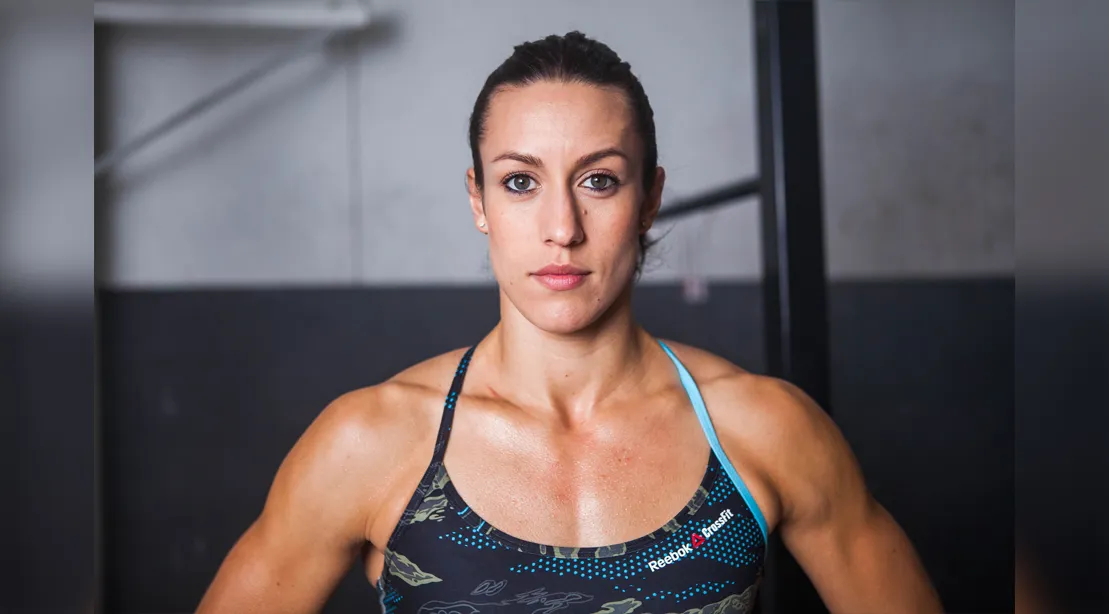
Her athletic résumé includes:
- Seven consecutive CrossFit Games appearances
- Multiple event wins at the CrossFit Games
- Competitor on American Ninja Warrior
- Runner-up on NBC’s The Titan Games
- Experience across endurance sports, strength sports, and tactical training
Behind those credentials is a woman who grew up competing from a young age and learned early that discipline, preparation, and mental toughness are non-negotiable for long-term success.
Competition Starts Early, But Perspective Comes Later
Margaux’s competitive drive did not begin on a televised stage. It started in childhood through sports like tennis, gymnastics, horseback riding, and golf.
Like many high achievers, she internalized a standard early: strive to be excellent or do not bother showing up. That mindset fueled success, but it also created pressure.
One of the most valuable insights from this conversation is that discipline without perspective eventually becomes self-destructive. Margaux learned this lesson through experience, not theory.
Elite performance requires:
- Knowing when to push
- Knowing when to step back
- Understanding that growth is rarely linear
That lesson applies directly to adults balancing careers, families, health, and personal goals.
Loss, Grief, and the Role of Movement
A defining chapter in Margaux’s life was the sudden loss of her sister. That experience reshaped her relationship with training, competition, and purpose.
Instead of retreating, she turned to movement as a form of processing and healing. Running, endurance events, and eventually CrossFit became outlets for grief, emotion, and unresolved stress.
This matters because it reframes fitness as more than aesthetics or performance metrics.
Movement can be medicine when:
- Emotions have nowhere else to go
- Stress becomes chronic
- Identity feels unstable
For many adults, especially women navigating midlife transitions, this concept is critical. Exercise does not need to punish the body to strengthen the mind.
CrossFit and the Demands of Sustained High Performance
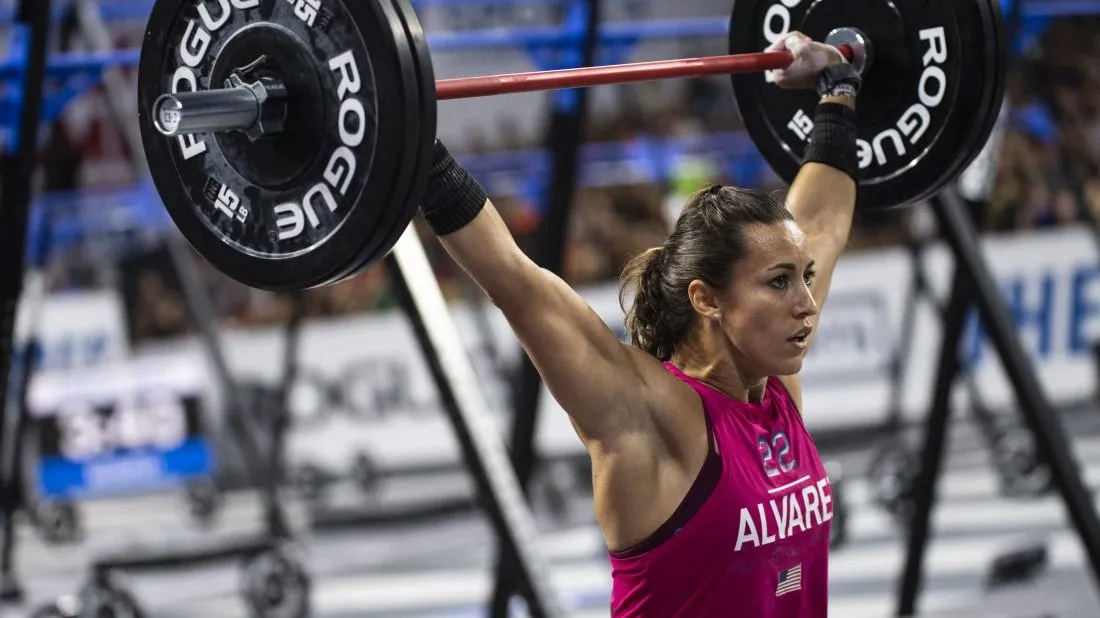
Competing at the CrossFit Games requires mastery across multiple domains:
- Strength
- Endurance
- Power
- Skill
- Recovery
- Mental resilience
Margaux emphasized that the hardest part was not the workouts. It was managing expectations, internal pressure, and identity over many years of competition.
The takeaway for non-athletes is simple:
High performance is not about intensity alone. It is about sustainability.
This applies directly to:
- Executives managing chronic stress
- Parents juggling work and family
- Women navigating hormonal shifts
- Anyone chasing ambitious goals without a recovery plan
Why Mindset Is the Real Skill
Margaux describes mindset as the invisible skill that determines whether physical ability translates into results.
Key principles she applies with clients:
- Language matters. “I will” beats “I’ll try.”
- Reflection is mandatory, not optional.
- Progress requires honest feedback without self-attack.
She regularly uses journaling, reflection prompts, and structured check-ins to help clients reframe setbacks and recognize progress they would otherwise ignore.
This is especially relevant for adults who are:
- High performers but self-critical
- Stuck in all-or-nothing thinking
- Burned out from chasing perfection
Training Philosophy: Build Strength That Supports Life
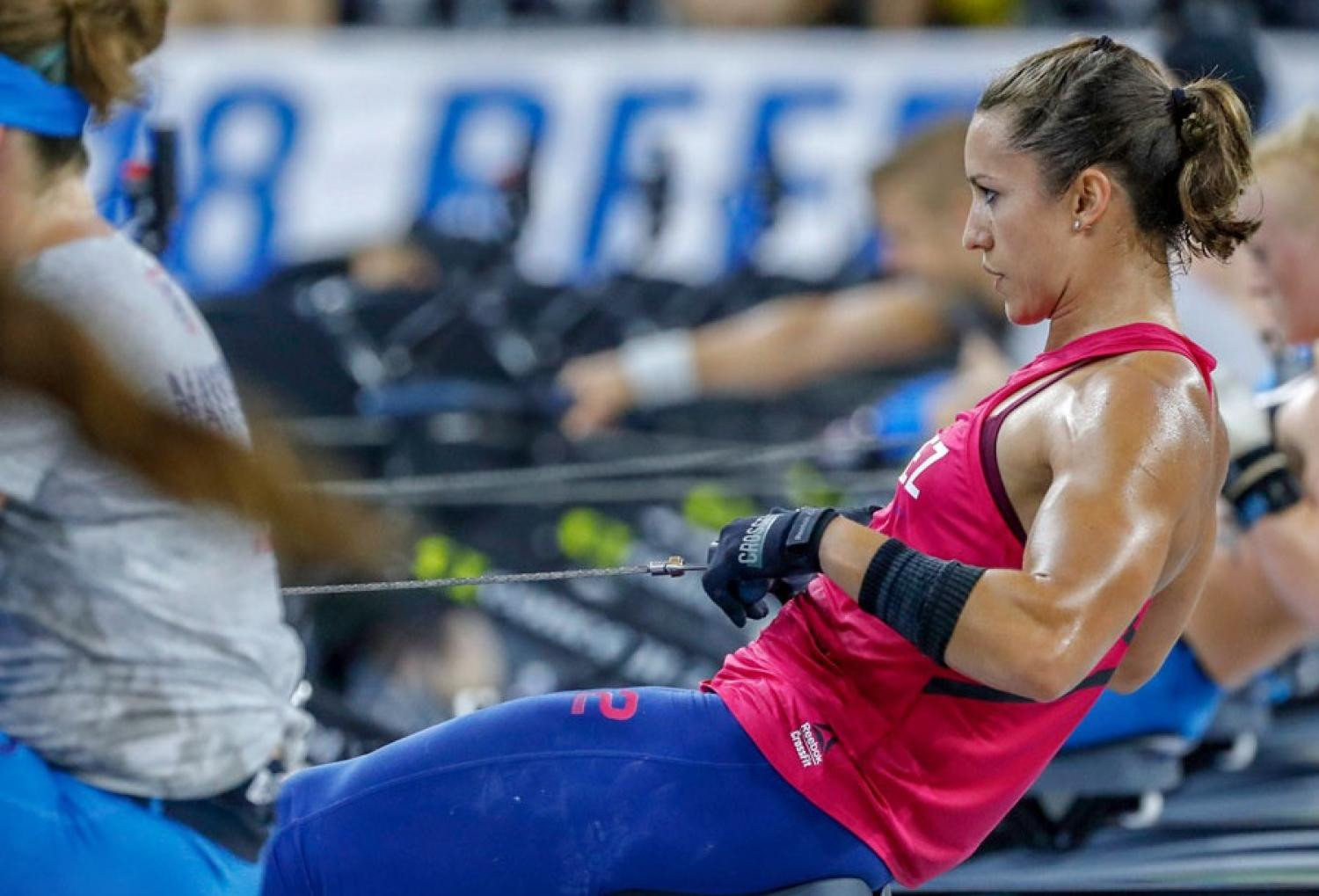
Margaux works primarily with busy professionals who want to feel strong, capable, and resilient without living in the gym.
Her approach prioritizes:
- Functional strength
- Mobility as daily hygiene
- Conditioning that transfers to real life
- Recovery as a performance tool
Mobility is not optional. It is maintenance.
Her perspective aligns with what we see clinically at 1st Optimal: the body adapts to what you do most. Sitting all day demands a different training strategy than preparing for competition.
The goal is not to train harder. The goal is to train smarter so your body works for you outside the gym.
Safety, Confidence, and Personal Responsibility
Another unexpected but powerful theme was personal safety.
After a break-in at her home, Margaux pursued firearms education, tactical training, and situational awareness. Her stance is not political. It is practical.
Education builds confidence.
Preparation reduces fear.
This mirrors the broader theme of the episode: empowerment comes from competence, not avoidance.
Lessons for High-Achieving Adults
This episode resonated because Margaux’s lessons extend far beyond sport.
Key takeaways:
- You do not need to suffer to grow
- Discipline works best when paired with compassion
- Movement supports mental health, not just physical goals
- Recovery and reflection are performance multipliers
- Strength should make life easier, not narrower
For adults navigating career pressure, hormonal changes, fatigue, or identity shifts, these principles are foundational.
Why This Matters for Women’s Health and Longevity
Many women are taught to push harder when their bodies are asking for something different.
Margaux’s journey highlights a more sustainable model:
- Train to support your nervous system
- Respect recovery as much as effort
- Build capacity, not punishment
- Use movement to process stress, not escape it
This aligns closely with 1st Optimal’s philosophy of performance health, where hormones, metabolism, mindset, and training all work together.
Final Thoughts
Margaux Alvarez is not compelling because she competed on television or stood on podiums. She is compelling because she learned how to evolve without losing herself.
Her story reminds us that resilience is not about being unbreakable. It is about learning how to bend, recover, and continue forward with clarity.
If you are building a body, career, or life meant to last, this conversation is worth your time.
🎙 Enjoyed this conversation with CrossFit Athlete Margaux Alvarez?
🔗 Listen to the full episode on your favorite platform:
🎧 Spotify | Apple Podcasts | Amazon Music | Google Podcasts
📺 Watch it on YouTube:
Educational Note
This content is for educational purposes only and is not medical advice. Always consult a qualified healthcare professional for personalized guidance.
About Us
1st Optimal is a functional medicine and performance health clinic dedicated to helping high-achieving adults optimize hormone health, weight, energy, and longevity. Follow 1st Optimal on Instagram
Founders:
- Joe Miller – Expert in functional medicine, hormone optimization, and health coaching. Follow Joe on Instagram
- Amber Miller – Operational leader specializing in patient experience, clinic growth, and holistic health. Follow Amber on Instagram
At 1st Optimal, we combine advanced diagnostics, personalized protocols, and coaching partnerships to deliver sustainable health results for midlife adults.