
Why Health Trends Are Shifting Toward Optimization
Every year, the health and wellness industry introduces new trends.
Some focus on supplements.
Others focus on technology.
And some reflect broader cultural changes in how people think about health.
In a recent health-focused podcast episode, the speaker discussed five predictions for what may become the dominant trends in health optimization heading into 2026.
The discussion examined shifts in how individuals approach wellness, training, recovery, and medical testing.
According to the claims presented, the next phase of the health industry may emphasize:
- sleep quality
- recovery protocols
- longevity-focused training
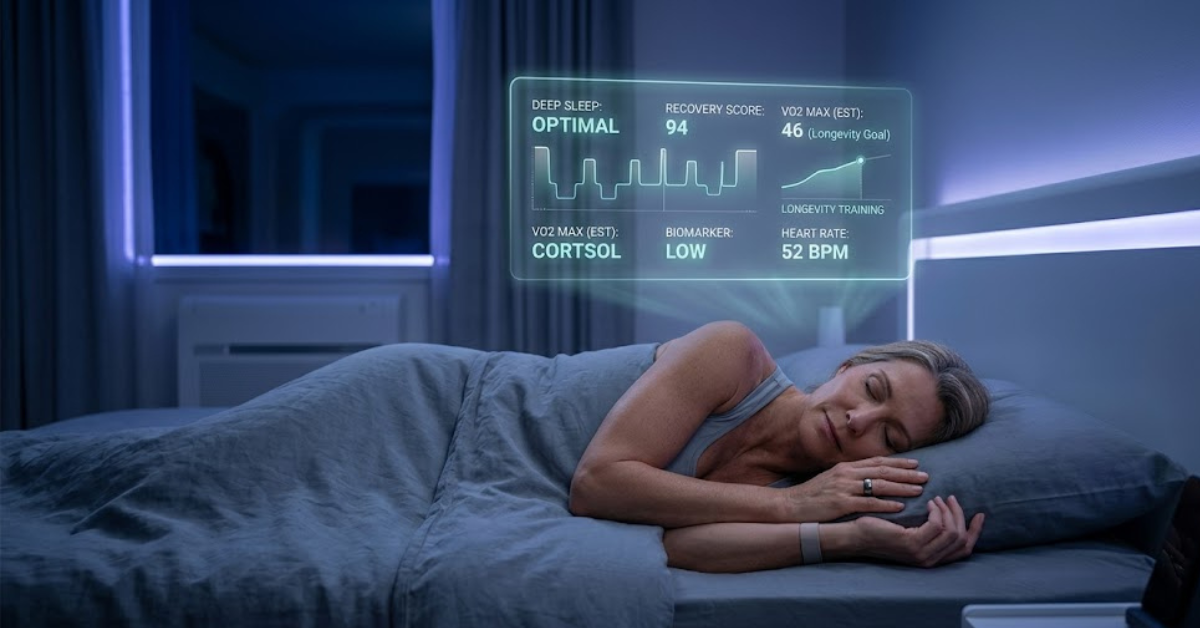
- AI-powered wearable data
- direct-to-consumer health testing
The conversation suggested that the health space is moving away from reactive medicine toward a more proactive optimization model.
As the speaker explained while introducing the predictions:
There’s a lot of noise in the health world right now, but several clear trends are starting to emerge.
This article summarizes the ideas presented during the discussion.
The goal is not to confirm or reject the claims made.
Instead, it explains the trends described so readers can evaluate them for themselves.
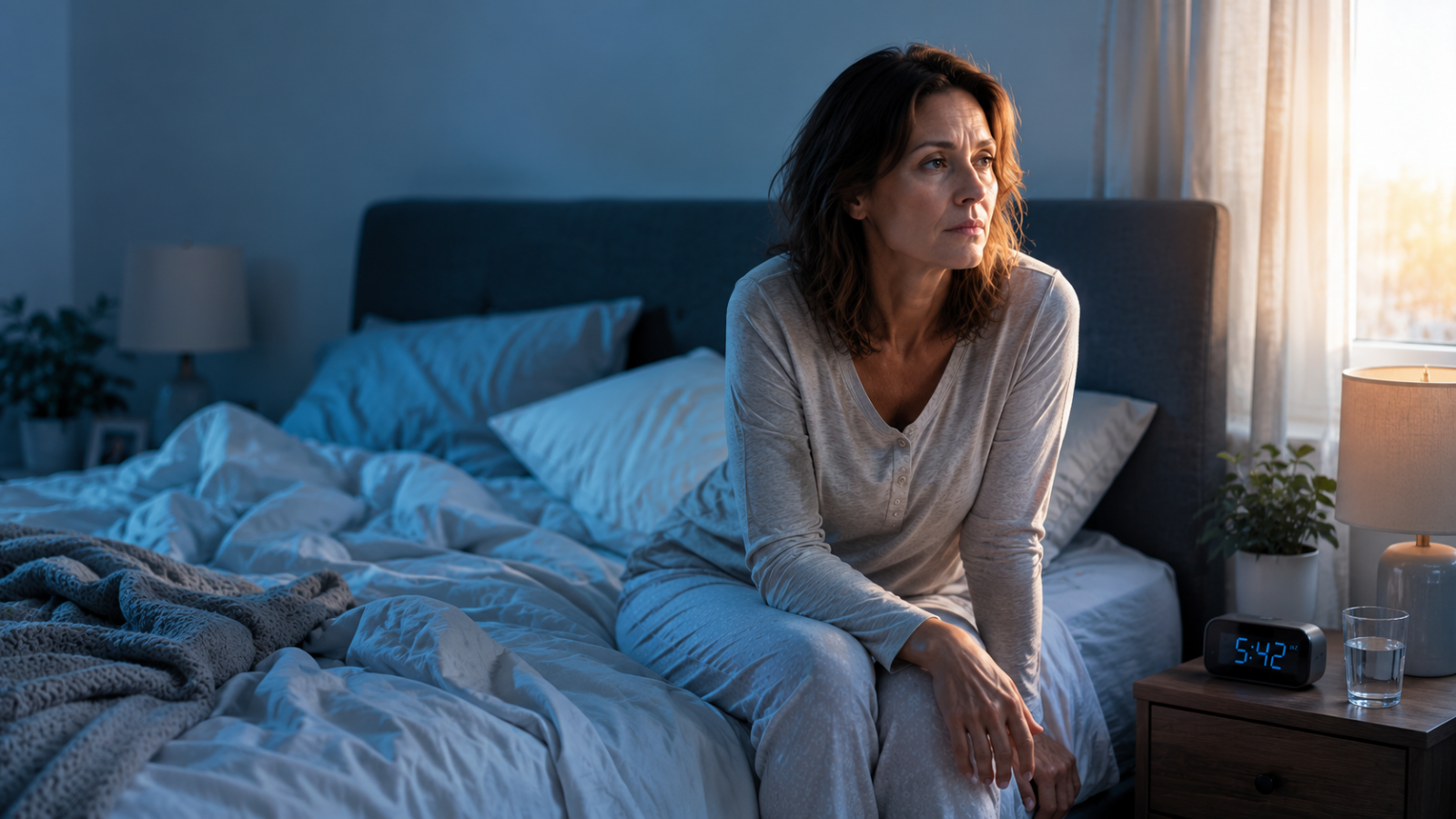
Sleep Optimization Will Become the Foundation of Health
The first major prediction discussed in the episode is that sleep optimization will become the central focus of health routines.
Historically, fitness and nutrition often received more attention than sleep.
According to the discussion, this may be changing.
The speaker predicted that individuals will increasingly treat sleep as the primary driver of health and performance.
Rather than simply tracking sleep duration, people may focus more on sleep quality.
Examples mentioned include tracking:
- deep sleep
- REM sleep cycles
- nighttime awakenings
- circadian rhythm alignment
Wearable devices are expected to play a significant role in this trend.
These devices may allow individuals to monitor their sleep patterns and adjust behaviors accordingly.
The discussion also highlighted circadian rhythm optimization strategies such as:
- bright light exposure in the morning
- reducing blue light at night
- using warmer lighting in the evening
The claim presented is that optimizing sleep may influence several areas of health including:
- energy levels
- exercise performance
- decision making
- metabolic health
Recovery Will Be Treated as Seriously as Training
The second trend discussed involves the growing emphasis on recovery within fitness programs.
Traditionally, many training programs focused primarily on exercise itself.
The discussion suggested that more individuals are now recognizing the importance of recovery.
The speaker explained that physical adaptation often occurs after training, during the repair process.
Recovery strategies mentioned during the episode include:
- massage therapy
- red light therapy
- cold exposure
- contrast therapy
These methods are often used with the goal of improving circulation, reducing inflammation, and supporting tissue repair.
The discussion suggested that recovery may become a core part of training programs rather than an afterthought.
Training for Longevity May Replace Aesthetic Goals
Another major prediction discussed in the episode involves a shift in fitness priorities.
Historically, many fitness programs emphasized goals such as:
- appearance
- maximum strength
- athletic performance
According to the discussion, a growing number of individuals are now prioritizing longevity-based training.
This approach focuses on maintaining physical capability over long periods of time.
The conversation suggested that longevity-focused training may emphasize:
- mobility
- joint stability
- muscle preservation
- bone density
The goal is to maintain physical function for decades rather than maximizing short-term performance.
The speaker framed this shift as asking a different question.
Instead of asking:
“How much can I lift today?”
The question becomes:
“How can I stay strong and mobile for the next 30 or 40 years?”
AI Integration Will Transform Wearable Technology
The fourth trend discussed in the podcast involves the role of artificial intelligence in health wearables.
Wearable devices already collect large amounts of data, including:
- heart rate
- sleep patterns
- activity levels
- recovery metrics
However, the discussion suggested that many users struggle to interpret this data.
According to the prediction presented, the next stage of wearable technology will involve AI-powered interpretation of health data.
Instead of simply displaying information, devices may begin offering personalized guidance.
Examples discussed include recommendations such as:
- reducing workout intensity after poor sleep
- adjusting training schedules based on recovery metrics
- identifying patterns in sleep quality
The speaker suggested that wearable devices may increasingly function like personalized health coaches rather than simple tracking tools.
Direct-to-Consumer Biomarker Testing Will Expand
The final trend discussed in the episode involves direct-to-consumer lab testing.
Historically, medical testing required a physician’s order.
However, the conversation suggested that more individuals are now seeking proactive testing.
Direct-to-consumer testing platforms allow individuals to order laboratory tests independently.
These tests may include measurements such as:
- lipid profiles
- inflammatory markers
- hormone levels
- metabolic markers
- micronutrient levels
According to the discussion, two factors may be driving this trend.
First, many people are increasingly interested in health optimization rather than disease treatment.
Second, some individuals perceive limitations in the traditional healthcare system.
As a result, some consumers are choosing to obtain health data directly.
The episode suggested that this trend may expand significantly in the coming years.
Key Themes From the Podcast Discussion
Several major themes emerged throughout the conversation.
These include:
- sleep quality becoming a central focus of health optimization
- recovery being integrated into training programs
- a shift toward longevity-focused fitness
- wearable technology evolving into AI-powered health coaching
- increased access to personal health data through lab testing
The discussion framed these trends as part of a broader cultural shift toward proactive health management.
Frequently Asked Questions:
Why is sleep becoming a major focus in health optimization?
Sleep influences hormone regulation, recovery, metabolism, and cognitive performance.
What is recovery-based training?
Recovery-based training emphasizes strategies that support muscle repair and nervous system recovery between workouts.
How will AI change wearable devices?
AI may allow wearable devices to translate health data into personalized recommendations.
What is direct-to-consumer biomarker testing?
Direct-to-consumer testing allows individuals to order laboratory tests without visiting a physician first.
Final Thoughts
The podcast discussion summarized in this article explored several predictions about the future of health optimization.
According to the claims presented, the next phase of the wellness industry may focus on:
- sleep optimization
- recovery strategies
- longevity-based fitness
- AI-driven health data
- direct access to biomarker testing
These ideas reflect a broader shift toward proactive health management.
Rather than waiting for illness to occur, many individuals are now attempting to monitor and optimize their health earlier.
This article summarized the claims presented during the episode.
It did not attempt to confirm or reject those claims.
Instead, it explained the ideas discussed so readers can evaluate them for themselves.
Which raises the most important question.
What do you think?