

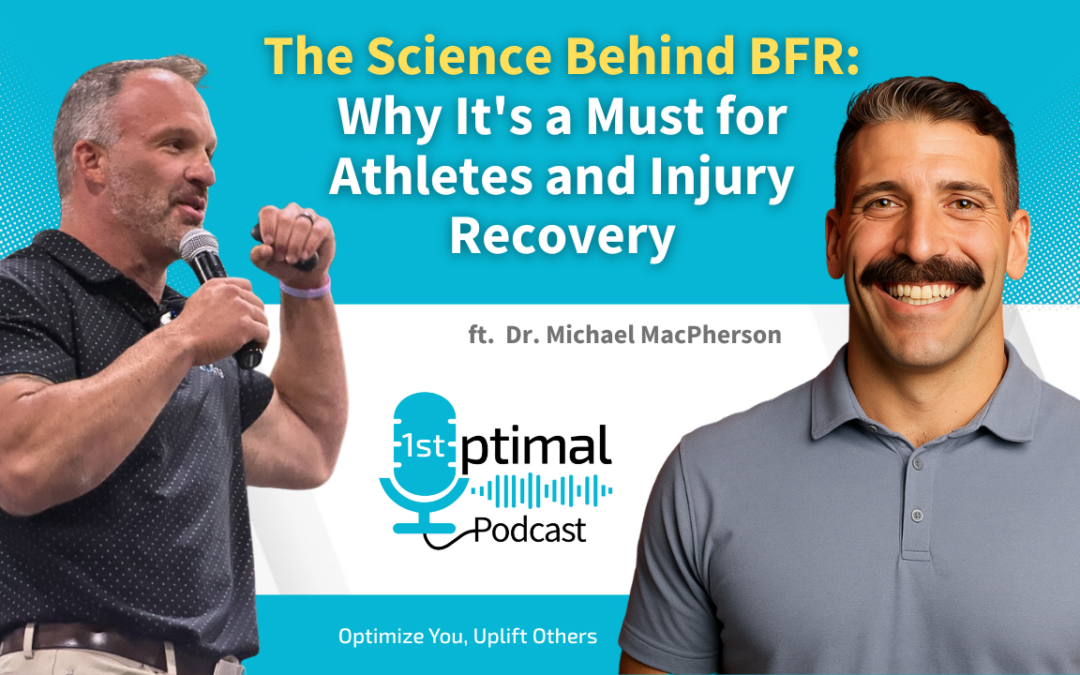
Blood Flow Restriction (BFR) training is quickly becoming a game-changer in fitness and recovery. Originally developed in Japan, this technique involves restricting blood flow to muscles during exercise using special cuffs. The result? Enhanced muscle strength and growth, improved recovery times, and reduced risk of injury, all with low-intensity exercise.
In this blog post, we’ll break down the science behind BFR training, explore its benefits, and provide expert insights from Dr. Michael MacPherson, a leader in the field. Whether you’re an athlete looking to optimize your training or someone recovering from an injury, BFR could be the secret to achieving your goals faster.
What is Blood Flow Restriction (BFR) Training?
Blood Flow Restriction (BFR) training is a technique that involves using special cuffs to partially restrict blood flow to the muscles during exercise. This creates a hypoxic (low oxygen) environment in the muscle, mimicking the effects of high-intensity training without the need for heavy weights.
Dr. Michael MacPherson, an expert in BFR, explains that this technique originated in Japan in the 1960s and has since grown to be widely used by professional athletes for enhancing performance, speeding up recovery, and reducing muscle fatigue. In recent years, BFR has also gained popularity for its ability to help individuals of all fitness levels build strength and recover from injury without excessive strain on the joints or the need for heavy loads.
How Does BFR Training Work?
BFR training works by applying cuffs to the upper and/or lower limbs, restricting blood flow during exercise. This limited blood flow forces the body to adapt in several ways:
- Hypoxia (Low Oxygen Levels): This shortage of oxygen forces the body to increase anabolic hormones like growth hormone and testosterone, which help build muscle and promote recovery.
- Metabolic Stress: The restricted blood flow increases lactic acid buildup, which creates a burning sensation in the muscles, further stimulating muscle growth and fat burning.
- Mechanical Stress: This stress on the muscles, even under low resistance, promotes strength gains similar to heavy lifting.
Dr. MacPherson points out that BFR’s ability to produce similar results as heavy resistance training, but with less load, is particularly valuable for those recovering from injuries or surgery. For example, BFR can be used after ACL surgery or rotator cuff repair to rebuild muscle strength without the need for excessive weight.
Key Benefits of BFR Training
1. Increased Muscle Strength and Growth
BFR training triggers muscle hypertrophy (growth) through low-load, high-rep exercises. The cuffs induce a “pump” effect, forcing the muscle fibers to work harder even under lighter weights. This process stimulates muscle growth without the need to lift heavy loads, making it a great alternative for those recovering from injuries or looking to reduce the strain on joints.
2. Enhanced Recovery
After intense training or injury, recovery is crucial. BFR accelerates the repair process by increasing circulation and reducing muscle soreness. Dr. MacPherson highlights that BFR is particularly beneficial for athletes, as it enhances recovery without requiring additional recovery time.
3. Reduced Risk of Injury
Because BFR uses lighter weights, it reduces the risk of injury compared to traditional heavy lifting. For individuals with joint issues or mobility restrictions, BFR provides a way to stimulate muscle growth and strength without putting excess strain on the body.
4. Improved Circulation
BFR stimulates angiogenesis (the formation of new blood vessels), improving circulation throughout the body. This is particularly beneficial for individuals with poor circulation or those recovering from surgery or injury.
5. Preventing Muscle Wasting
BFR is a highly effective tool for preventing muscle wasting, particularly in older adults or those who are unable to perform traditional resistance training. BFR helps to maintain or even increase muscle mass in individuals who are dealing with sarcopenia (age-related muscle loss) or injury-induced muscle atrophy.
BFR Training for Recovery and Injury Prevention
One of the most significant benefits of BFR training is its ability to speed up recovery and reduce injury risk. By applying low-intensity BFR exercises to the injured area, individuals can build strength and promote healing without the need for high loads.
Dr. MacPherson notes that BFR has been particularly beneficial in treating post-surgical patients, such as those recovering from ACL reconstructions or rotator cuff repairs. By strengthening muscles with minimal strain, BFR helps prevent further injury and enhances long-term recovery.
Key Applications:
- Rehabilitation after surgery: BFR helps rebuild muscle strength without overloading the joint.
- Post-injury recovery: BFR is ideal for individuals recovering from muscle strains or tendon injuries.
- Chronic pain management: BFR can alleviate pain and inflammation by promoting circulation and muscle activation.
How to Get Started with BFR Training
1. Choose the Right Equipment
To begin using BFR, you’ll need a BFR cuff system like the Saga BFR cuffs used by Dr. MacPherson in the podcast. These cuffs allow for precise control over the pressure applied, which is essential for maximizing the benefits of BFR while minimizing risks.
2. Set the Pressure
When using BFR cuffs, it’s important to calibrate the pressure according to your body and fitness level. Dr. MacPherson recommends starting with low pressure (around 30% of the limb occlusion pressure) and gradually increasing it as your body adapts.
3. Work with a Professional
If you’re new to BFR, it’s highly recommended to work with a fitness professional or physical therapist who is trained in the technique. They can help ensure you’re using the cuffs correctly and following safe protocols.
4. Incorporate BFR into Your Routine
BFR can be used as part of your regular training routine or as a recovery tool. Start by using BFR with light exercises, such as bodyweight squats or arm curls. Over time, you can increase the intensity and volume as you become more comfortable with the technique.
Frequently Asked Questions (FAQs):
What are the main benefits of BFR training?
- BFR training helps increase muscle strength and mass, enhance recovery, reduce the risk of injury, and improve circulation—all with minimal load on the body.
Can BFR be used for fat loss?
- Yes, BFR training can enhance metabolism and help with fat burning by promoting muscle growth and increasing the body’s caloric expenditure.
How long should each BFR session last?
- For passive BFR, sessions typically last around 15 minutes, while active BFR sessions may last up to 20 minutes for lower body exercises and 15 minutes for upper body.
Is BFR safe for everyone?
BFR is generally safe for most people, but it’s important to start with low pressure and work with a professional to ensure proper technique. People with certain medical conditions should consult a healthcare provider before starting BFR.
Can BFR be used to recover from injury?
Yes, BFR is highly effective for accelerating recovery from injuries and surgeries by strengthening muscles without the need for heavy weights.
Blood Flow Restriction (BFR) training is a powerful tool for muscle growth, recovery, and injury prevention. Whether you’re an elite athlete or someone recovering from an injury, BFR can help you achieve your fitness goals without the need for heavy loads. Dr. Michael MacPherson’s insights into BFR highlight its incredible potential for enhancing performance and promoting healing.
If you’re ready to integrate BFR into your training or recovery routine, be sure to consult with a professional and start with the right equipment. By doing so, you’ll be able to unlock the full benefits of BFR and take your fitness journey to the next level.
Interested in learning more about BFR training or optimizing your fitness and recovery regimen? Book a free health consultation with 1st Optimal and explore our advanced lab tests, hormone optimization, and personalized coaching services to accelerate your health journey. Book a Free Health Consult.
🎙 Enjoyed this conversation with Dr. Mike Macpherson?
🔗 Listen to the full episode on your favorite platform:
🎧 Spotify | Apple Podcasts | Amazon Music | Google Podcasts
📺 Watch it on YouTube:
References:
- Sato, Y. (1966). “The effects of ischemic muscle training.” Japan Journal of Clinical Medicine.
- Kacin, A., & Strazar, K. (2010). “Blood flow restriction training in rehabilitation: A systematic review.” Journal of Sports Science & Medicine.
- Takarada, Y. et al. (2000). “Effects of resistance exercise with vascular occlusion on muscle function in athletes.” European Journal of Applied Physiology.
- Konopka, A. R., & Harber, M. P. (2014). “The effects of blood flow restriction on muscle hypertrophy and strength in healthy individuals: A meta-analysis.” European Journal of Applied Physiology.
- Vogt, M. et al. (2001). “Effect of short-term blood flow restriction training on muscle oxygenation and muscle strength.” International Journal of Sports Medicine.
About Us
1st Optimal is a functional medicine and performance health clinic dedicated to helping high-achieving adults optimize hormone health, weight, energy, and longevity. Follow 1st Optimal on Instagram
Founders:
- Joe Miller – Expert in functional medicine, hormone optimization, and health coaching. Follow Joe on Instagram
- Amber Miller – Operational leader specializing in patient experience, clinic growth, and holistic health. Follow Amber on Instagram
At 1st Optimal, we combine advanced diagnostics, personalized protocols, and coaching partnerships to deliver sustainable health results for midlife adults.