
Menopause is often associated with hot flashes, mood swings, and sleep disturbances, but there’s one often-overlooked issue that many women experience during this time: digestive problems. From bloating and constipation to acid reflux and irritable bowel syndrome (IBS), menopause can trigger a variety of gut issues. But why does this happen? The answer lies in the gut–hormone axis, the intricate connection between our hormones and digestive system. Hormonal fluctuations during menopause affect not only reproductive health but also gut motility, microbiome balance, and digestive function.
Understanding how menopause impacts the gut can help women navigate this phase more comfortably. In this blog, we’ll explore the gut–hormone connection, why digestive issues arise during menopause, and how to support digestive health through diet, lifestyle changes, and targeted medical treatments.
What is the Gut–Hormone Axis?
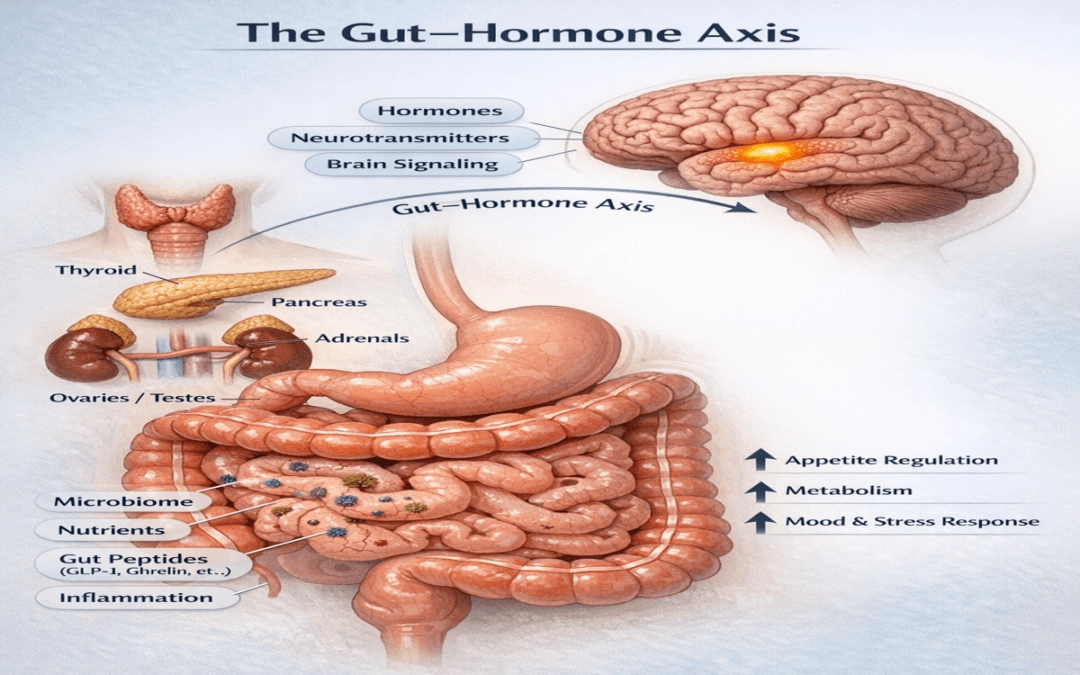
The gut–hormone axis refers to the two-way communication between the digestive system and hormones in the body. Our gut is home to trillions of microbes, collectively known as the microbiome, which play a crucial role in digestion, immune function, and even mood regulation. Hormones, such as estrogen, progesterone, and cortisol, influence gut health by modulating gut motility, enzyme production, and the balance of gut microbes.
At the same time, the gut plays a role in hormone regulation. The gut microbiome produces molecules that can influence the body’s hormonal balance, including the metabolism of estrogen. When the gut–hormone axis is functioning properly, it supports optimal digestion and hormone balance. However, disruptions to this system, such as those that occur during menopause, can lead to digestive issues and other symptoms.
How Menopause Impacts Hormonal Balance
Menopause marks the end of a woman’s reproductive years, typically occurring between the ages of 45 and 55. During this time, the ovaries gradually produce less estrogen and progesterone, leading to a range of physical and emotional symptoms. The decline in these hormones doesn’t just affect the reproductive system, it also impacts many other bodily systems, including digestion.
- Estrogen and Digestion: Estrogen plays a significant role in regulating gut motility and enzyme production. As estrogen levels drop during menopause, women may experience slower digestion, bloating, and constipation. Estrogen also has a protective effect on the gut lining, so lower estrogen can increase the risk of leaky gut, where the lining of the gut becomes more permeable, allowing toxins to leak into the bloodstream.
- Progesterone and Gut Health: Progesterone is known for its calming effects on the body, including the digestive system. It helps to regulate smooth muscle contractions, including those in the intestines. When progesterone levels decline during menopause, women may experience more frequent gastrointestinal symptoms like bloating and discomfort.
- Cortisol and Stress: During menopause, some women experience heightened levels of stress, which can increase cortisol levels. Chronic cortisol elevation can negatively impact digestion by impairing the gut microbiome and promoting inflammation in the digestive tract, potentially leading to issues like acid reflux and IBS.
Why Hormonal Changes Trigger Digestive Issues
Hormonal changes during menopause affect the digestive system in several ways, leading to common issues like bloating, constipation, and heartburn. The interplay between estrogen, progesterone, and cortisol can lead to a variety of symptoms that disrupt normal digestive function:
- Gut Motility: Estrogen and progesterone help regulate gut motility, the contraction and relaxation of smooth muscles in the digestive tract. A drop in estrogen and progesterone can slow down digestion, leading to constipation and bloating.
- Microbiome Imbalance: Hormonal fluctuations can alter the composition of the gut microbiome. Studies have shown that the diversity of gut bacteria decreases during menopause, which may contribute to digestive discomfort and symptoms like gas and bloating.
- Increased Gut Permeability: Estrogen helps maintain the integrity of the intestinal lining, preventing “leaky gut.” As estrogen levels decline, the gut lining can become more permeable, which may lead to inflammation and digestive issues.
- Altered Gastric Acid Secretion: Reduced estrogen levels can decrease gastric acid secretion, which may contribute to digestive symptoms like heartburn and acid reflux.
- Gut-Brain Communication: Hormones such as estrogen influence the gut-brain axis, which controls the digestive process. Menopausal hormone changes can disrupt this communication, leading to increased sensitivity to gut discomfort and stress-related gastrointestinal issues.
Common Digestive Problems During Menopause
The hormonal shifts of menopause often lead to a variety of digestive issues. Some of the most common digestive problems experienced during this time include:
- Bloating and Gas: Slower digestion and changes in the gut microbiome can cause bloating and excessive gas.
- Constipation: Hormonal fluctuations, especially low estrogen and progesterone, can slow down bowel movements and lead to constipation.
- Acid Reflux and Heartburn: A decrease in estrogen can weaken the lower esophageal sphincter, making it easier for stomach acid to travel up the esophagus, causing acid reflux and heartburn.
- Irritable Bowel Syndrome (IBS): IBS is a common condition during menopause, with symptoms like abdominal pain, bloating, and diarrhea or constipation. Hormonal changes can exacerbate IBS symptoms.
- Food Sensitivities: Menopause can trigger sensitivities to certain foods, such as dairy or gluten, due to changes in gut function.
The Role of the Microbiome in Menopausal Gut Health
The gut microbiome is made up of trillions of bacteria that help digest food, produce essential nutrients, and regulate the immune system. Hormonal changes during menopause can disrupt the balance of these bacteria, leading to digestive discomfort and other health issues.
- Estrogen and Gut Microbes: Research has shown that estrogen influences the composition of the gut microbiome. As estrogen levels drop during menopause, the diversity of gut bacteria decreases, which can lead to an overgrowth of harmful bacteria and a decrease in beneficial bacteria.
- Inflammation and Gut Health: Menopause is associated with increased levels of inflammation in the body, which can affect the gut. Inflammation can alter the microbiome and contribute to leaky gut, where the intestinal lining becomes more permeable, allowing toxins and bacteria to enter the bloodstream.
Managing Digestive Health During Menopause: Diet and Lifestyle Tips
Managing digestive health during menopause requires a multifaceted approach, including dietary changes, lifestyle modifications, and medical interventions. Here are some strategies to help maintain a healthy gut:
Dietary Recommendations
- Increase Fiber Intake: Eating more fiber from fruits, vegetables, and whole grains can help promote regular bowel movements and prevent constipation.
- Probiotics and Prebiotics: Including probiotic-rich foods (yogurt, kefir, sauerkraut) and prebiotics (garlic, onions, bananas) in your diet can help restore balance to the gut microbiome.
- Limit Processed Foods: Avoiding processed and sugary foods can help reduce inflammation and support gut health.
- Hydration: Drinking plenty of water is essential for digestion, helping to prevent constipation and keep things moving smoothly.
Lifestyle Modifications
- Exercise Regularly: Regular physical activity can help stimulate bowel movements and reduce bloating and constipation.
- Stress Management: Practicing stress-reduction techniques like yoga, meditation, and deep breathing can help manage cortisol levels and support gut health.
Medical Interventions: How Peptides, HRT, and Other Treatments Can Help
For women experiencing significant digestive symptoms during menopause, medical interventions may be necessary. These may include:
- Hormone Replacement Therapy (HRT): HRT can help restore estrogen and progesterone levels, alleviating many of the digestive issues associated with menopause.
- Prescription Medications: In some cases, medications like antacids, laxatives, or antidepressants (for IBS-related symptoms) may be necessary to manage digestive symptoms.
Client Story: A Personal Experience with Gut Health During Menopause
“Before starting hormone therapy, I experienced terrible bloating and constipation that affected my daily life. I was always tired, and I could never pinpoint the cause. After working with 1st Optimal, I had my hormones tested and started a personalized plan that included HRT and probiotics. Within a few weeks, I noticed a significant improvement in my digestion. I felt lighter, my bloating subsided, and I had more energy throughout the day.”
FAQs on Gut Health and Menopause:
- Can menopause cause stomach bloating?
- Yes, hormonal fluctuations during menopause can slow digestion and lead to bloating and gas.
- How can I improve my digestion during menopause?
- Focus on a fiber-rich diet, stay hydrated, exercise regularly, and consider probiotics to support gut health.
- Can hormone replacement therapy help with digestive issues?
- Yes, HRT can help alleviate digestive problems by restoring estrogen and progesterone balance, which improves gut motility.
- Is it normal to have food sensitivities during menopause?
- Yes, hormonal changes can make you more sensitive to certain foods, such as dairy or gluten.
- What can I do to improve my gut microbiome during menopause?
- Eat a diet rich in fiber, include probiotic and prebiotic foods, and avoid processed foods that may disrupt gut health.
Menopause brings about significant hormonal changes that can have a profound effect on gut health. Understanding the gut–hormone axis and how hormonal fluctuations trigger digestive issues is key to managing symptoms effectively. By implementing dietary changes, lifestyle modifications, and considering medical interventions like HRT or peptides, women can improve their digestive health and overall well-being during menopause. At 1st Optimal, we’re here to provide personalized care and support to help you navigate this stage of life with confidence.
Struggling with digestive issues during menopause? Book a free health consult with 1st Optimal today to explore how hormone optimization, lab testing, and personalized treatment plans can support your gut health and overall wellness.
References:
- Musial, N. et al. (2021). Perimenopause and First-Onset Mood Disorders.
- Albert, K.M. et al. (2019). Estrogen, Stress, and Depression: Cognitive and Biological Links.
- Gava, G. et al. (2019). Cognition, Mood, and Sleep in Menopausal Transition.
- Turek, J. et al. (2023). Estrogen Fluctuations During Menopausal Transition and Effects on Monoaminergic Neurotransmitters.
- Fidecicchi, T. et al. (2024). Neuroendocrine Mechanisms of Mood Disorders During Menopausal Transition.
- Pestana-Oliveira, N. et al. (2018). Effects of Estrogen Therapy on the Serotonergic System in an Animal Model of Perimenopause.
- Del Río, J.P. et al. (2018). Steroid Hormones and Their Action in Women’s Brains.
- McElhany, K. et al. (2024). Protective and Harmful Social and Psychological Factors Associated with Perimenopausal Mood and Anxiety Disorders.
- Cho, J.M. et al. (2025). Impact of Estrogen Receptors Decline on Neurotransmitter Systems and Mental Health.
- Yu, Y. et al. (2025). Perimenopausal Depression: Targeting Inflammation and Neurotransmitter Pathways.
About Us
1st Optimal is a functional medicine and performance health clinic dedicated to helping high-achieving adults optimize hormone health, weight, energy, and longevity. Follow 1st Optimal on Instagram
Founders:
- Joe Miller – Expert in functional medicine, hormone optimization, and health coaching. Follow Joe on Instagram
- Amber Miller – Operational leader specializing in patient experience, clinic growth, and holistic health. Follow Amber on Instagram
At 1st Optimal, we combine advanced diagnostics, personalized protocols, and coaching partnerships to deliver sustainable health results for midlife adults.