
If You Feel Stuck, This Is Why
You’re eating better.
You’re working out.
You’re doing what used to work.
But the scale barely moves.
That’s not a motivation problem.
It’s a biology problem.
Your gut microbiome controls one of the most powerful fat-loss hormones in your body: GLP-1.
And if that system is off, everything feels harder than it should.
What Is GLP-1 and Why It Matters
GLP-1 stands for glucagon-like peptide-1.
It’s a hormone released in your gut after you eat. Its job is simple but powerful:
- Tells your brain you’re full
- Slows stomach emptying
- Improves insulin response
- Helps regulate blood sugar
- Reduces cravings
Think of GLP-1 as your body’s built-in appetite and metabolism regulator.
When it works:
- You eat less without trying
- Energy feels stable
- Fat loss happens more naturally
When it doesn’t:
- You’re hungry all the time
- Cravings spike
- Blood sugar crashes
- Fat loss stalls
The Missing Link: Your Gut Microbiome
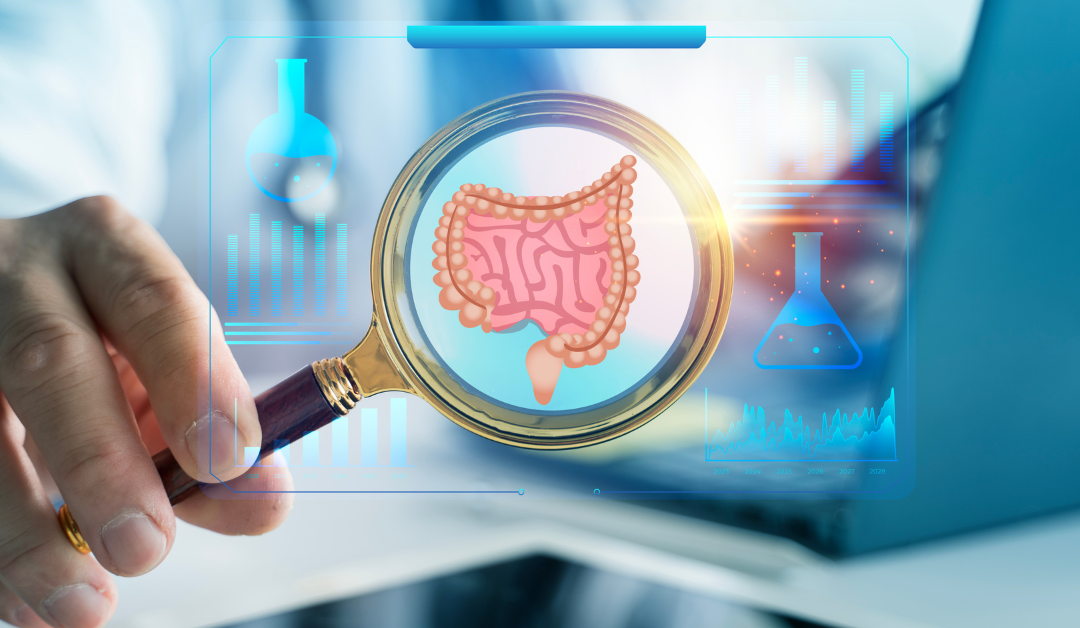
Your microbiome is the ecosystem of bacteria living in your gut.
These bacteria don’t just help digestion. They actively control hormone signaling.
Including GLP-1.
Certain gut bacteria produce compounds called short-chain fatty acids (SCFAs).
These compounds:
- Stimulate GLP-1 release
- Improve insulin sensitivity
- Reduce inflammation
- Support fat metabolism
If your gut is healthy, GLP-1 signaling works better.
If your gut is damaged, that signal gets weaker.
Why This Is Happening (The Real Root Cause)
This isn’t random. It’s predictable.
Modern lifestyles disrupt the microbiome in very specific ways:
1. Chronic Stress
- Elevates cortisol
- Alters gut bacteria balance
- Weakens GLP-1 response
2. Processed Foods
- Low fiber intake
- Starves beneficial bacteria
- Reduces SCFA production
3. Antibiotics and Medications
- Kill beneficial bacteria
- Reduce diversity
- Disrupt hormone signaling
4. Poor Sleep
- Alters appetite hormones
- Impacts gut-brain communication
5. Hormone Imbalance
- Estrogen and cortisol influence gut health
- Gut health influences hormone metabolism
It’s a loop. And most people are stuck in it.
“Weight Loss Is Just Calories In, Calories Out”
That’s like saying your bank account is just deposits and withdrawals while ignoring fraud, fees, and system errors.
Calories matter.
But hormones decide what your body does with those calories.
If GLP-1 is low:
- Hunger increases
- Energy drops
- Fat storage increases
So you end up fighting your biology every day.
What Most People Get Wrong
Most people try to fix this backward.
They:
- Cut calories harder
- Add more cardio
- Try another diet
That ignores the root problem.
If your gut isn’t supporting GLP-1, your body resists fat loss.
You don’t need more discipline.
You need better signaling.
How the Gut Directly Controls Weight Loss
Let’s simplify this.
Healthy Gut → Strong GLP-1 Signal
- You feel full sooner
- Blood sugar stays stable
- Fat loss becomes easier
Unhealthy Gut → Weak GLP-1 Signal
- You overeat without realizing
- Cravings increase
- Fat loss slows or stops
It’s not about willpower.
It’s about whether your body is cooperating.
“GLP-1 Medications Fix the Problem”
They help. No question.
But they don’t fix the root cause.
GLP-1 medications mimic the hormone.
They don’t restore your gut’s ability to produce it naturally.
So when someone stops:
- Hunger returns
- Weight often rebounds
The real win is restoring your body’s own system.
Step-by-Step: How to Improve GLP-1 Naturally
This is where things get practical.
1. Increase Fiber Intake (Non-Negotiable)
Fiber feeds your gut bacteria.
Aim for:
- 25–35g per day
Best sources:
- Vegetables
- Berries
- Legumes
- Chia seeds
Why it matters:
- Fiber → bacteria → SCFAs → GLP-1
2. Prioritize Protein
Protein helps:
- Stabilize blood sugar
- Increase satiety
- Support GLP-1 response
Target:
- 0.7–1.0g per pound of goal body weight
3. Support Gut Diversity
Diversity = resilience.
Add:
- Fermented foods (yogurt, kefir, kimchi)
- Variety of plant foods (aim for 20+ per week)
4. Manage Stress
Chronic stress shuts down metabolic signaling.
Focus on:
- Sleep (7–8 hours)
- Walking daily
- Breathwork
Even 10 minutes helps.
5. Time Your Meals
Spacing meals properly can improve hormone signaling.
Try:
- 3 structured meals
- Limit constant snacking
This allows GLP-1 pulses to work effectively.
6. Exercise Strategically
Best options:
- Resistance training
- Zone 2 cardio
These improve:
- Insulin sensitivity
- Gut health
- Hormonal balance
When to Consider Advanced Testing
If you’ve tried everything and still feel stuck, it’s time to go deeper.
Look at:
Gut Testing
- Microbiome diversity
- Bacterial imbalances
- Inflammation markers
Hormone Testing
- Cortisol
- Insulin
- Thyroid
Metabolic Markers
- Fasting glucose
- HbA1c
- Lipids
At 1st Optimal, this is where most people finally get clarity.
Because guessing stops working at this stage.
Real-World Example
A typical client story looks like this:
- 42-year-old female
- Eating “clean”
- Working out 4–5x/week
- Still gaining weight
Testing revealed:
- Low gut diversity
- Elevated cortisol
- Poor blood sugar control
After addressing:
- Gut health
- Stress
- Nutrition timing
Results in 12 weeks:
- Reduced cravings
- Better energy
- Consistent fat loss
No extreme dieting.
Just fixing the system.
FAQ’s:
1. Can gut health really affect weight loss?
Yes. Your gut influences hormones like GLP-1, insulin, and cortisol, all of which control fat storage and appetite.
2. How can I increase GLP-1 naturally?
Focus on fiber intake, protein, gut diversity, and stable blood sugar. These directly improve GLP-1 signaling.
3. Are GLP-1 medications necessary?
Not always. They can help short-term, but restoring gut health addresses the root cause for long-term results.
4. How long does it take to fix gut health?
Most people see changes in 4–12 weeks, depending on consistency and severity of imbalance.
5. What are signs my gut is unhealthy?
- Bloating
- Fatigue
- Cravings
- Irregular digestion
- Weight gain despite effort
6. What does GLP-1 do?
GLP-1 is a hormone that regulates appetite, slows digestion, improves insulin response, and supports weight loss.
7. How does the gut microbiome affect weight loss?
The gut microbiome produces compounds that influence hormones like GLP-1, which control hunger, metabolism, and fat storage.
8. How can I improve GLP-1 naturally?
Increase fiber intake, eat enough protein, support gut diversity, manage stress, and maintain consistent meal timing.
The Bottom Line
If your gut isn’t working, your fat loss won’t either.
You can:
- Diet harder
- Train more
- Push yourself further
Or you can fix the system that controls everything.
Most people never get this explained to them.
Ready to Fix the Root Cause?
If you’re tired of guessing, this is where things change.
At 1st Optimal, we look at:
- Your gut
- Your hormones
- Your metabolism
And build a plan that actually works for your body.
Book your free health consult and get real answers.
No fluff. No guessing. Just a clear path forward.