

Introduction
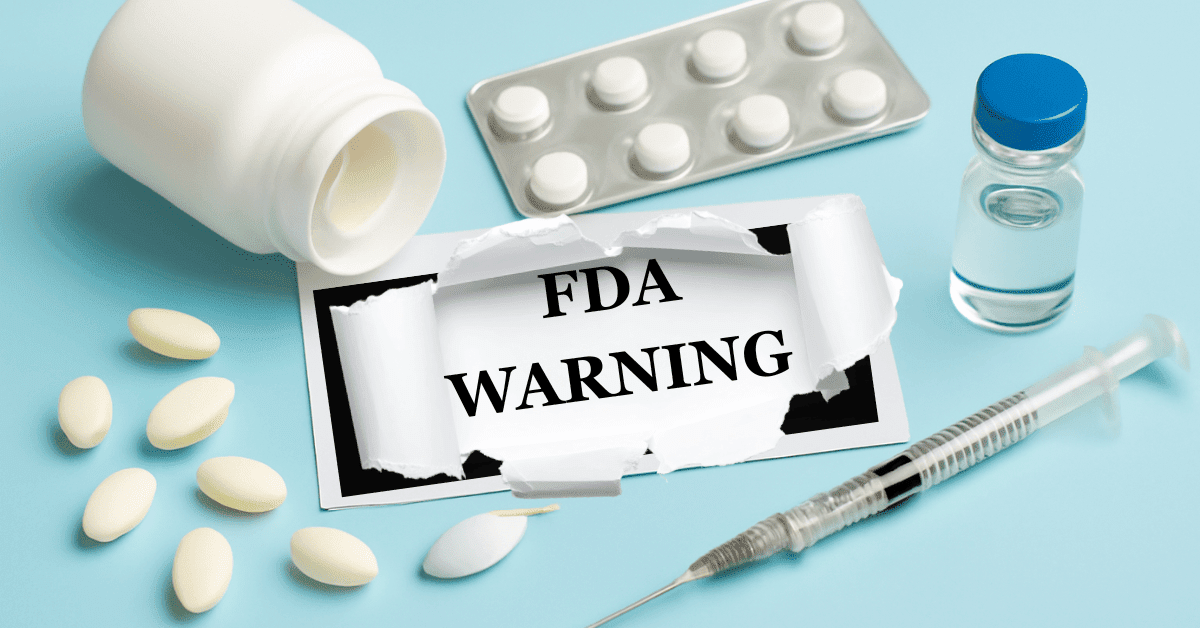
In recent decades, menopause has become an increasingly discussed health issue, yet, for too long, women’s treatment options have been limited by the controversial black box warning on hormone replacement therapy (HRT). This FDA-issued warning, based on studies from the early 2000s, cautioned against the use of HRT due to concerns about heart disease and breast cancer. However, in a recent and groundbreaking move, the FDA has officially removed this black box warning from menopause therapies, a decision that could change the way women experience menopause and its treatment.
This shift is not just a regulatory change, it reflects growing scientific understanding and decades of research into the benefits and risks of menopause therapies. Experts, including influential figures such as Robert Kennedy Jr., have spoken out about the need for more comprehensive research and better regulatory practices. This change presents an important opportunity for women to seek more personalized, evidence-based care for their health.
Let’s dive into what this removal means for women’s health, explore the scientific evidence behind menopause hormone therapy, and break down how this decision could impact treatment options going forward.
The History of Menopause Hormone Therapy and the Black Box Warning
Overview of Menopause and Hormone Therapy
Menopause marks a natural phase in a woman’s life, typically around age 50, when menstruation ends and the ovaries cease producing estrogen and progesterone. For many women, this leads to physical and emotional symptoms such as hot flashes, night sweats, and mood swings. Hormone replacement therapy (HRT) has long been a popular treatment for these symptoms, helping to restore hormonal balance and improve quality of life.
The 2002 Women’s Health Initiative (WHI) Study
In 2002, the Women’s Health Initiative (WHI) released findings from a landmark study that linked hormone replacement therapy to increased risks of breast cancer, heart disease, and stroke. The results were groundbreaking, causing a massive shift in how hormone therapy was viewed. The FDA responded by adding a black box warning to all HRT medications, advising against their use unless necessary for managing severe symptoms.
How the Black Box Warning Affected Women’s Health
For years, the black box warning has had a profound impact on women’s health. Many women, afraid of the potential risks, avoided hormone therapy altogether. Others, seeking treatment, found it difficult to navigate the confusing landscape of medical advice, leading to delayed or limited care.
BOOK A CALL NOW
What the Black Box Warning Was and Why It Was Removed
What is a Black Box Warning?
A black box warning is the most serious safety warning the FDA can issue. It is used to alert doctors and patients to serious risks, such as life-threatening side effects or increased risks of conditions like heart disease or cancer. In the case of HRT, the black box warning highlighted the risks of breast cancer, blood clots, and cardiovascular disease, which were thought to outweigh the benefits for many women.
The Removal of the Black Box Warning
In 2025, after extensive re-evaluation of newer research, the FDA decided to remove the black box warning from all hormone replacement therapies. This decision was influenced by a variety of factors, including:
- New research showing the relative safety of HRT for women when used correctly.
- More nuanced understanding of when and how HRT can be beneficial.
- Long-term studies that suggest the benefits of HRT, especially when started early in the menopause transition, outweigh the risks for many women.
The removal of this warning marks a new era for women’s health, giving more freedom to explore hormone therapy options without fear or stigma.
The Science Behind Menopause Hormone Therapy: New Studies and Research
The Latest Research on HRT and Its Benefits
Recent studies from 2018 to 2025 have offered new insights into the benefits and risks of HRT. The results are encouraging, suggesting that when managed properly, HRT can:
- Reduce the risk of osteoporosis and fractures in postmenopausal women.
- Improve heart health by stabilizing cholesterol levels and reducing the risk of heart disease when initiated early.
- Improve cognitive function and reduce the incidence of dementia and Alzheimer’s in some women.
The Role of Estrogen and Progesterone
Estrogen and progesterone play key roles in maintaining bone density, skin elasticity, and mental well-being. Hormone therapy helps replenish these hormones, significantly alleviating many menopause symptoms.
Recent Studies on Cancer Risk
While some studies have raised concerns about the link between HRT and breast cancer, new evidence suggests that the risks are lower than previously thought, particularly when women begin therapy early and use bioidentical hormones.
BOOK A CALL NOW
The Role of the FDA in Regulating Hormone Therapy
FDA’s Evolution on Hormone Therapy
The FDA has been at the forefront of regulating hormone replacement therapy, continually updating guidelines based on new research. The initial black box warning was a response to early studies, but as more research has emerged, the FDA has adapted its stance, emphasizing the importance of individual risk assessment and personalized care.
Regulatory Changes and Scientific Advisory Boards
The FDA’s decision to lift the black box warning comes after careful consideration by scientific advisory boards, including experts from leading institutions like NIH and JAMA. These boards have worked to ensure that the most up-to-date, evidence-based guidelines are followed in making treatment decisions.
What Robert Kennedy Jr. and Other Advocates Say About This Change
Robert Kennedy Jr.’s Advocacy for Medical Transparency
Robert Kennedy Jr. has long been a vocal advocate for greater transparency and regulation in the pharmaceutical industry. His perspective on medical issues, particularly around vaccine safety and the FDA, has garnered both support and controversy. In this case, Kennedy has praised the FDA’s decision, arguing that it reflects a growing acknowledgment of the need for comprehensive, individualized health care.
Other Advocates’ Perspectives
Health professionals and organizations such as the North American Menopause Society (NAMS) have also supported the removal of the black box warning, citing advancements in clinical practices and more sophisticated risk assessments.
Implications for Women’s Health and Future Treatments
Expanded Access to HRT
With the black box warning lifted, women can now more confidently discuss hormone therapy with their doctors. This opens the door to more personalized care, where the risks and benefits of HRT can be assessed on a case-by-case basis.
Future Treatments and Innovations
The future of menopause care is looking bright, with developments in peptide therapies, functional medicine approaches, and individualized HRT protocols. The growing field of bioidentical hormone therapy (BHRT) offers customized solutions based on genetic and lifestyle factors, ensuring optimal results for each woman.
Non-Hormonal Therapies and Alternative Options
Non-Hormonal Medications for Menopause
For women who are not candidates for hormone replacement therapy, there are several non-hormonal treatment options, including:
- SSRIs and SNRIs to help with mood swings and hot flashes.
- Gabapentin for reducing hot flashes and night sweats.
- Clonidine to help manage hot flashes.
- Herbal supplements like black cohosh and red clover for symptom relief.
Lifestyle Modifications
Diet, exercise, and stress management play a key role in managing menopause symptoms. Nutrition-focused interventions and mindfulness practices can significantly reduce the severity of common symptoms.
Case Studies: Women Who Benefited from the New Guidelines
Success Stories of Women Using HRT
Real-life stories highlight the impact of hormone therapy in improving quality of life for women post-menopause. Women who had avoided therapy due to previous concerns about safety have now seen significant benefits in managing hot flashes, mood swings, and sleep disruptions.
Frequently Asked Questions (FAQ) on Hormone Replacement Therapy (HRT)
1. Is hormone replacement therapy safe after menopause?
Hormone replacement therapy (HRT) is generally considered safe for many women after menopause, particularly when initiated early (before age 60) or within 10 years of menopause onset. It can help alleviate common symptoms like hot flashes, night sweats, and vaginal dryness. However, its safety depends on individual health conditions, such as a history of breast cancer, heart disease, or blood clots. It’s important to discuss with your healthcare provider to determine if HRT is appropriate for you.
2. What is the best age to start HRT for menopause?
The best time to start HRT is typically within 10 years of menopause or before the age of 60. Starting HRT early can be more effective in managing menopause symptoms and may help protect against osteoporosis and heart disease. However, the decision should be personalized, taking into account your health history and risk factors. Always consult with your healthcare provider to make an informed decision.
3. How long should I stay on hormone replacement therapy?
The length of time you should stay on HRT depends on your individual symptoms, health status, and preferences. For many women, HRT is used for 3-5 years to manage menopause symptoms. Some may choose to stay on it longer if they continue to benefit from it, while others may opt for a gradual reduction in dosage. Your healthcare provider will monitor your progress and advise the best course of action.
4. What are the risks of hormone therapy for women over 60?
For women over 60, the risks of HRT can increase, particularly for those who have been on it for several years. Risks include an increased likelihood of blood clots, stroke, breast cancer, and gallbladder disease. However, these risks vary based on the type of hormone therapy (estrogen only vs. combined estrogen-progestin), as well as the individual’s health history. It’s crucial for women over 60 to regularly review their health status with their healthcare provider and weigh the benefits and risks of continued therapy.
5. What are the alternatives to hormone therapy for menopause?
If HRT is not suitable or preferred, there are several alternatives to help manage menopause symptoms, including:
-
Lifestyle Changes: Regular exercise, a balanced diet, stress management, and adequate sleep can significantly reduce symptoms like hot flashes and mood swings.
-
Non-Hormonal Medications: Antidepressants (SSRIs), gabapentin (used for hot flashes), and clonidine (for hot flashes and night sweats) are options for some women.
-
Phytoestrogens: Plant-based compounds found in soy, flaxseeds, and other foods that may mimic estrogen effects in the body.
-
Cognitive Behavioral Therapy (CBT): A form of therapy shown to be effective for managing menopause-related mood changes and sleep disturbances.
-
Vaginal Estrogen Therapy: For women experiencing vaginal dryness, localized treatments like creams, rings, or tablets can be effective with lower risk than systemic HRT.
Your healthcare provider can guide you in choosing the most appropriate alternative based on your needs and health history.
Conclusion
The FDA’s removal of the black box warning on menopause hormone therapy is a game-changer for women seeking relief from the debilitating symptoms of menopause. This decision marks a crucial turning point in how we understand and treat menopause, providing new hope and access to care. For women considering hormone therapy, it’s time to discuss your options with a healthcare provider who can provide personalized, evidence-based recommendations.
Next Steps:
If you’re ready to explore hormone therapy or need personalized health guidance, book a free consultation with one of our experts today.
BOOK A CALL NOW
References:
- U.S. Food & Drug Administration. FDA Requests Labeling Changes Related to Safety Information to Clarify the Benefit/Risk Considerations for Menopausal Hormone Therapies. 10 Nov 2025.
- U.S. Department of Health & Human Services. HHS Advances Women’s Health, Removes Misleading FDA Warnings on Hormone Replacement Therapy. 10 Nov 2025.
- Makary MA, Nguyen CP, Høeg TB, Tidmarsh GF. Updated Labeling for Menopausal Hormone Therapy. JAMA. Published online 10 Nov 2025. doi:10.1001/jama.2025.22259.
- Lewis T, Young L. FDA Strips Health Risk Warnings from Menopause Hormone Therapy. Scientific American. 10 Nov 2025.
- Park A. FDA Removes Black Box Warning on Hormone Therapy. Time. 10 Nov 2025.
- NHS (UK). Benefits and risks of hormone replacement therapy (HRT).
- Institute for Functional Medicine. Menopause Hormone Therapy: Weighing Benefits & Risks.
- Yale School of Medicine. After Decades of Misunderstanding, Menopause is Finally Having Its Moment. 7 months ago.
- NHS/PMC. HRT review article: Review of hormonal replacement therapy options for the treatments … (PMC).


