
RFK’s Bold Stance on Health Innovation and the Food Industry
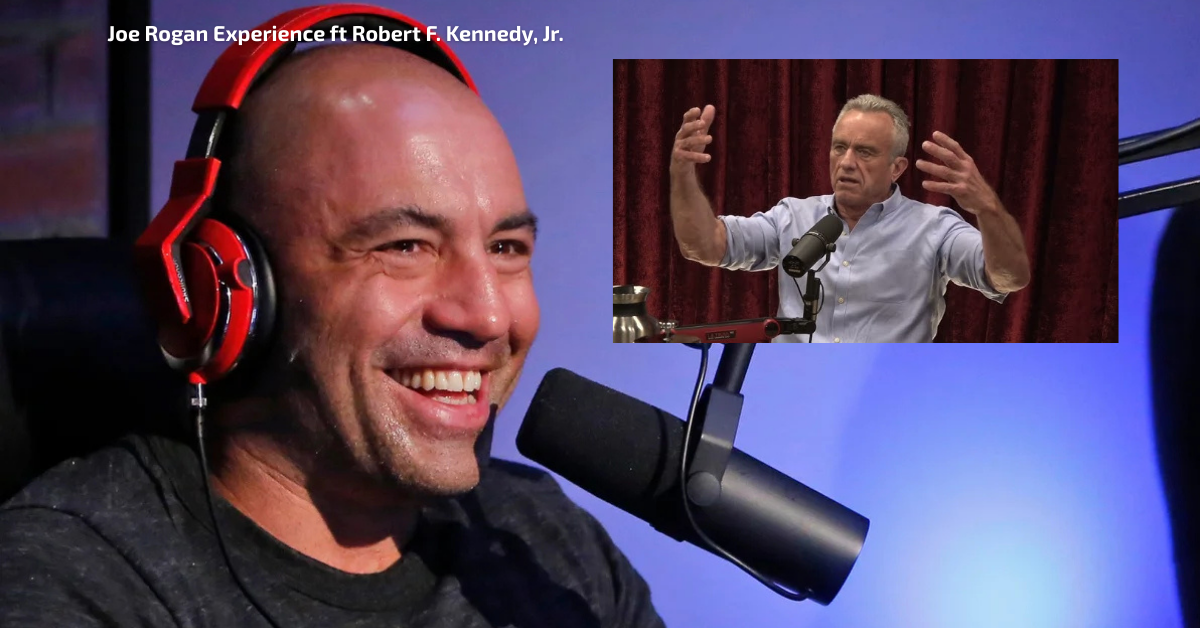
On a recent episode of The Joe Rogan Experience, Robert F. Kennedy Jr. (RFK) shared his thoughts on various aspects of the American healthcare system, particularly the intersection of food policy, the diabetes epidemic, and the potential of peptide therapies. RFK, known for his advocacy on health freedom and environmental issues, brought a unique perspective to the conversation, one that challenges many of the structures and corporate interests shaping our healthcare today.
Throughout the conversation, RFK discussed how the food industry’s influence on government policy has led to widespread public health crises, including the skyrocketing rates of chronic diseases like diabetes and obesity. He also touched on peptide therapies, which have been used for decades but are only now starting to gain more attention for their potential to treat chronic diseases at their root causes.
In this article, we will dive into the core points of RFK’s discussion on the podcast and expand on some of the key topics he raised. From the history of the food pyramid to the complexities of FDA approval for peptides, there is much to consider. But as always, the question remains: what do you think?
The Role of Peptides in Modern Medicine
RFK’s conversation delved into the growing interest in peptide therapies as an alternative to traditional pharmaceuticals. Peptides, which are short chains of amino acids, have been gaining traction in medical circles for their ability to regulate a wide range of biological functions, from hormone regulation to immune system modulation.
However, RFK acknowledged the challenges that come with accessing these treatments in the United States. He discussed how peptides, despite their potential, often face significant hurdles in the legal and regulatory landscape. The FDA approval process for peptides, RFK argues, has been slow, and many peptides remain unapproved despite their proven benefits. This delay, he suggests, has created a gap in the market where black-market suppliers step in, offering peptides that are often unregulated and potentially dangerous.
Peptide therapies, when prescribed by healthcare professionals and sourced from reliable, legal channels, can offer patients a wide array of health benefits. These include improvements in metabolic health, weight loss, tissue repair, and even aging-related decline. However, the key challenge remains ensuring that these therapies are safe and accessible to the public, without falling into the hands of the unregulated market.
But what do you think? Are peptides the future of medicine, or do you think they still pose too many risks?
Peptides vs. Pharmaceutical Drugs: Understanding the Difference
One of the key distinctions RFK made during the podcast was the difference between peptides and traditional pharmaceutical drugs. While both are used to treat medical conditions, they function in different ways.
- Peptides are naturally occurring molecules composed of amino acids that play a crucial role in regulating various processes within the body. They have the ability to target specific receptors, leading to more precise and natural effects in comparison to synthetic drugs.
- Pharmaceutical drugs, on the other hand, are often synthetic and designed to manipulate biochemical pathways to treat symptoms. These drugs tend to have broader, less-targeted effects and often come with a greater range of side effects.
For example, one of the most widely known peptides is insulin, which is used to regulate blood sugar levels in people with diabetes. While insulin is a peptide, it is also a pharmaceutical drug when it is synthesized and prescribed for therapeutic use. Similarly, GLP-1 (Glucagon-Like Peptide-1) is another commonly prescribed peptide that plays a role in regulating insulin production and controlling blood sugar.
RFK also brought up a critical point: the FDA’s regulatory process for these peptides is often slower than for other drugs, which results in a legal grey area where black-market suppliers can step in. This raises questions about safety, efficacy, and regulation.
What’s your take? Do you feel that peptides offer a better, more targeted solution compared to traditional drugs, or do you think the regulatory process is too slow to keep up?
The FDA Approval Process: Peptides and the Challenge of Regulation
In the discussion, RFK expressed frustration with the FDA’s slow approval process, particularly when it comes to peptide therapies. The FDA’s role is to ensure that all medical treatments meet safety and efficacy standards before they can be made available to the public. However, RFK points out that peptides face unique challenges in this process.
Peptides are often categorized as “research chemicals” or “animal use only,” which means they are not approved for human use, even though they have been proven effective in many clinical settings. As a result, individuals seeking these therapies often turn to black-market sources, where the quality of the peptides is unregulated and safety is not guaranteed.
This situation creates a dilemma: on the one hand, there is undeniable evidence supporting the potential benefits of peptides; on the other, the lack of regulation puts patients at risk. RFK’s call for more transparency and regulatory reform echoes the concerns of many in the medical and health optimization communities who believe that peptides have a lot to offer, but are being held back by outdated policies.
What are your thoughts on this? Should the FDA expedite the approval of peptides, or are the regulatory safeguards necessary to ensure their safety?
Prescription Peptides vs. Research-Grade Peptides: Navigating the Market
One of the central issues RFK raised was the distinction between prescription-grade peptides and research-grade peptides, often found on the black market. Prescription-grade peptides are those that are FDA-approved for human use, meaning they have undergone rigorous clinical testing for both safety and efficacy.
Research-grade peptides, however, are often sold under the guise of “research use only” or “not for human consumption.” These peptides may be identical in composition to prescription-grade versions, but they have not undergone the same safety testing, and there is no guarantee regarding their quality or purity.
This discrepancy is a major concern. Individuals who purchase research-grade peptides from unregulated sources are taking a significant risk. Even though these peptides may appear to be effective, there is no oversight to ensure they are safe, making the black market a potentially dangerous option for those seeking peptide therapy.
What do you think about this issue? Are you concerned about the lack of regulation in the peptide market, or do you think people should have the freedom to access these therapies, even if they come with some risks?
The Food Industry’s Influence on Public Health: The Diabetes Epidemic
In addition to discussing peptide therapies, RFK took a critical stance on the food industry’s influence on health policies, particularly in relation to the rise of diabetes. He pointed out that the food pyramid, which has been the cornerstone of American dietary guidelines for decades, was heavily influenced by food industry lobbying.
For years, the food pyramid promoted grains, dairy, and processed foods as the foundation of a healthy diet. RFK argues that these recommendations were not based on scientific evidence, but rather on the economic interests of the food industry. As a result, millions of Americans have been consuming unhealthy diets that contribute to chronic diseases like diabetes, obesity, and heart disease.
RFK also connected this to the rise in diabetes rates, which have exploded in recent decades. He highlighted the absurdity of subsidizing foods that promote chronic diseases, while simultaneously funding treatments for those diseases. This, according to RFK, has created a system where the food industry profits from making people sick, and the pharmaceutical industry profits from treating them.
What’s your opinion? Do you think the food industry is largely responsible for the rise in chronic diseases like diabetes, or are there other factors at play?
The Gut-Brain Connection: Food and Mental Health
Another fascinating point raised by RFK was the connection between food and mental health. He discussed the gut-brain axis, which refers to the relationship between the gut microbiome and brain function. Research has shown that the health of our gut significantly impacts our mood, cognition, and even mental health disorders like depression, anxiety, and ADHD.
RFK highlighted studies that show a clear link between poor dietary habits, especially the consumption of highly processed foods, and mental health issues. He mentioned how changing dietary patterns, particularly shifting to nutrient-dense, whole foods, can have a profound effect on mental well-being.
Do you believe that improving your diet could help improve your mental health? Or do you think there are other factors at play when it comes to conditions like depression and anxiety?
Conclusion: A Path Toward Health Reform
RFK’s discussion with Joe Rogan sheds light on a number of critical health issues facing the United States today. From the rise of chronic diseases like diabetes to the potential of peptide therapies, there are numerous ways in which the American healthcare system could be reformed for the better.
As RFK pointed out, the key to improving public health lies in shifting the focus from treating symptoms to preventing illness in the first place. This requires not only greater access to safe, effective treatments like peptides but also a major overhaul of the food system that currently fuels many of these diseases.
What do you think? Is RFK’s vision for reform the way forward, or is there another path to improving the health of the American public? Share your thoughts below.
Book your free health consult here: https://1stoptimal.com/book-a-call/