

You’re Not Lazy. Your Biology Changed.
You’re eating pretty healthy.
You’re trying to work out consistently.
You’re sleeping “okay.”
But suddenly:
- The scale won’t move
- Your energy crashes by 2 PM
- Your cravings feel out of control
- Your workouts don’t hit the same
- Your body feels older overnight
And everyone keeps telling you to “just eat less and move more.”
That advice is outdated.
Your metabolism is not just about calories. It’s a complex system controlled by hormones, muscle mass, stress, sleep, gut health, thyroid function, and blood sugar regulation.
When those systems start struggling, your metabolism slows down.
For many adults, especially women between ages 35–55, this shift can happen gradually. You don’t notice it all at once. You just wake up one day feeling like your body stopped cooperating.
The frustrating part?
Most people blame themselves instead of understanding the biology behind what’s happening.
At 1st Optimal, we see this every day. High-performing adults doing “everything right” while their metabolism quietly works against them.
Let’s break down the 5 biggest signs your metabolism may be slowing down and what you can actually do about it.
What Is Metabolism, Really?
Most people think metabolism means “how fast you burn calories.”
That’s only part of the picture.
Your metabolism is your body’s energy management system. It controls:
- How efficiently you burn calories
- How well you regulate blood sugar
- Hormone production
- Recovery
- Energy levels
- Fat storage
- Muscle maintenance
- Hunger and cravings
Think of metabolism like your body’s engine.
A healthy metabolism is like a high-performance engine that runs smoothly and efficiently.
A slowed metabolism is like driving with the parking brake slightly on all day. You can still move forward, but everything takes more effort.
According to research supported by organizations like the The Endocrine Society, metabolism is heavily influenced by:
- Thyroid hormones
- Insulin sensitivity
- Cortisol levels
- Muscle mass
- Sleep quality
- Sex hormones like estrogen and testosterone
When multiple systems become imbalanced at once, metabolic slowdown becomes much more likely.
Sign #1: You’re Gaining Weight Even Though Nothing Changed
Especially Around Your Midsection
This is one of the most common signs of metabolic dysfunction.
You’re eating similarly to how you always have.
Your activity level hasn’t changed much.
But suddenly:
- Your waistline expands
- Belly fat becomes stubborn
- Weight comes on faster
- Losing weight feels impossible
This is rarely just a calorie problem.
What’s Actually Happening
As we age, several things happen simultaneously:
- Muscle mass naturally declines
- Insulin sensitivity worsens
- Cortisol increases from chronic stress
- Estrogen and progesterone fluctuate
- Thyroid output may slow down
The result?
Your body becomes more efficient at storing fat and less efficient at burning energy.
Research shows adults can lose 3–8% of muscle mass per decade after age 30. Since muscle is metabolically active tissue, less muscle often means fewer calories burned at rest.
That’s why someone can gain weight eating the same amount they did years earlier.
“Your metabolism didn’t slow down because you turned 40.
It slowed down because your body adapted to stress, poor recovery, muscle loss, and hormonal shifts.”
Aging matters.
But lifestyle and physiology matter more.
Sign #2: Your Energy Crashes Constantly
Especially After Meals
You wake up tired.
You rely on caffeine.
You feel foggy in the afternoon.
And after meals, you want a nap instead of productivity.
That’s often a blood sugar problem.
Why Blood Sugar Matters for Metabolism
Your body’s goal is stability.
When blood sugar spikes too high:
- Insulin rises rapidly
- Energy crashes afterward
- Hunger increases
- Fat storage increases
Over time, repeated spikes can contribute to insulin resistance.
Insulin resistance happens when your cells stop responding efficiently to insulin. Your body then produces more insulin to compensate.
High insulin levels are strongly linked to:
- Weight gain
- Belly fat
- Fatigue
- Cravings
- Increased inflammation
This is one reason many people feel exhausted despite sleeping enough.
Their cells are struggling to use energy properly.
Common Signs of Blood Sugar Dysregulation
- Afternoon crashes
- Cravings after meals
- Irritability when hungry
- Brain fog
- Waking up between 2–4 AM
- Needing caffeine to function
Sign #3: Your Workouts Don’t Work Like They Used To
You used to lose weight quickly.
Now you:
- Train harder
- Sweat more
- Eat less
And nothing happens.
Sometimes things get worse.
This often happens because the body is under-recovered and overstressed.
The Cortisol Connection
Cortisol is your body’s primary stress hormone.
Short-term cortisol is helpful.
Chronic cortisol is a problem.
When stress stays elevated for too long:
- Recovery suffers
- Sleep worsens
- Muscle breakdown increases
- Fat storage increases
- Hunger hormones become dysregulated
This creates a vicious cycle.
You feel exhausted, so you push harder with workouts and cut more calories.
That increases stress even more.
Why More Cardio Isn’t Always Better
Many high-achieving adults unintentionally train in a way that works against their metabolism:
- Too much HIIT
- Not enough strength training
- Under-eating protein
- Poor sleep
- Constant calorie restriction
The body eventually adapts by conserving energy.
That adaptation can feel like “my metabolism is broken.”
In reality, your body is trying to protect you.
What are the signs of a slow metabolism?
Common signs of a slow metabolism include:
- Weight gain despite no major lifestyle changes
- Fatigue and low energy
- Increased cravings and hunger
- Difficulty losing weight
- Poor recovery from exercise
- Feeling cold often
- Brain fog and low motivation
These symptoms are often connected to hormones, blood sugar imbalance, stress, sleep quality, and muscle loss.
Sign #4: You’re Losing Muscle and Strength
This one gets ignored constantly.
People focus only on body weight.
But muscle matters more than most people realize.
Muscle Is Your Metabolic Engine
Muscle helps regulate:
- Blood sugar
- Energy use
- Hormone health
- Recovery
- Longevity
In fact, skeletal muscle is one of the body’s biggest glucose storage systems.
Less muscle often means:
- Lower calorie burn
- Worse insulin sensitivity
- Less strength
- Slower recovery
- Increased fat gain
Many adults unknowingly lose muscle because they:
- Eat too little protein
- Avoid strength training
- Overdo cardio
- Sleep poorly
- Experience hormonal decline
For Women, This Often Accelerates During Perimenopause
As estrogen changes, women can experience:
- Increased abdominal fat
- Reduced recovery
- Lower muscle mass
- Changes in appetite and sleep
This is why “doing what worked in your 20s” often stops working later in life.
The body changed.
The strategy needs to change too.
“Eating less is not always the answer.
For many adults, chronic under-eating is part of why metabolism slows down in the first place.”
Humans somehow turned starvation into a wellness strategy. Incredible species behavior.
Your metabolism responds to perceived safety.
If your body thinks resources are scarce and stress is high, it adapts by conserving energy.
That means:
- Lower energy expenditure
- Increased cravings
- Hormonal disruption
- Reduced recovery
Sometimes the solution is not less food.
It’s smarter nutrition.
Sign #5: You Feel Cold, Foggy, and Unmotivated
This combination often points toward thyroid dysfunction or chronic metabolic stress.
Your Thyroid Controls Metabolic Speed
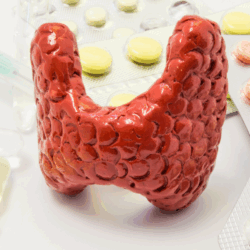
The thyroid is a small gland in the neck that regulates energy production.
Think of it like the thermostat for your metabolism.
When thyroid function slows down, people commonly experience:
- Fatigue
- Weight gain
- Depression
- Dry skin
- Hair thinning
- Feeling cold
- Constipation
- Brain fog
Many adults are told their thyroid labs are “normal” despite still feeling terrible.
That’s because standard testing often misses deeper dysfunction.
At 1st Optimal, we frequently evaluate:
- TSH
- Free T3
- Free T4
- Reverse T3
- Thyroid antibodies
Because looking at one marker alone rarely tells the full story.
What Most People Get Wrong About Metabolism
They Think It’s Just Calories
Calories matter.
But metabolism is far more complex than basic math.
Two people can eat the same foods and respond completely differently depending on:
- Hormones
- Stress levels
- Muscle mass
- Sleep quality
- Gut health
- Insulin sensitivity
The Gut Health Connection
Your gut microbiome influences:
- Inflammation
- Blood sugar control
- Cravings
- Nutrient absorption
- Hormone metabolism
Poor gut health may contribute to:
- Bloating
- Fatigue
- Brain fog
- Weight resistance
Research continues to show strong links between gut bacteria diversity and metabolic health.
That’s why addressing gut health can sometimes improve energy, appetite regulation, and body composition.
Why does metabolism slow down with age?
Metabolism often slows with age due to:
- Loss of muscle mass
- Hormonal changes
- Increased stress
- Poor sleep
- Reduced activity
- Insulin resistance
- Thyroid dysfunction
These factors lower how efficiently the body produces and uses energy.
How to Support Your Metabolism Naturally
1. Prioritize Protein
Protein helps:
- Preserve muscle
- Improve satiety
- Support blood sugar
- Increase thermogenesis
Most adults under-eat protein significantly.
Aim to include quality protein at every meal:
- Eggs
- Greek yogurt
- Chicken
- Fish
- Lean beef
- Cottage cheese
- Protein shakes
2. Strength Train Consistently
Muscle is one of the best long-term investments for metabolic health.
Focus on:
- Resistance training 2–4x weekly
- Progressive overload
- Recovery between sessions
You do not need endless cardio.
You need muscle stimulus.
3. Improve Sleep Quality
Poor sleep affects:
- Hunger hormones
- Cortisol
- Insulin sensitivity
- Recovery
Even one night of poor sleep can worsen blood sugar regulation.
Focus on:
- Consistent sleep schedule
- Morning sunlight
- Reduced alcohol intake
- Limiting screens before bed
4. Stabilize Blood Sugar
Simple habits matter:
- Eat protein first
- Walk after meals
- Reduce ultra-processed foods
- Increase fiber intake
These small changes can improve energy and cravings dramatically.
5. Manage Stress More Intelligently
Stress management is not just meditation apps and pretending your inbox doesn’t exist.
Your nervous system directly affects metabolism.
Helpful strategies include:
- Walking
- Strength training
- Breathing exercises
- Time outdoors
- Recovery days
- Better work boundaries
When to Consider Advanced Testing
Sometimes lifestyle alone is not enough.
If you’ve been struggling for months or years despite doing “everything right,” deeper testing may help uncover hidden issues.
Advanced Testing May Help Identify:
- Insulin resistance
- Thyroid dysfunction
- Cortisol dysregulation
- Hormone imbalance
- Nutrient deficiencies
- Gut dysfunction
- Inflammation
At 1st Optimal, we use advanced lab testing and personalized health strategies to identify root causes instead of masking symptoms.
Because feeling exhausted all the time should not be considered normal aging.
How can I boost my metabolism naturally?
You can support your metabolism naturally by:
- Building muscle through strength training
- Eating more protein
- Improving sleep quality
- Managing stress
- Stabilizing blood sugar
- Supporting hormone health
- Addressing gut health issues
Consistency matters more than extreme dieting.
Frequently Asked Questions:
Can your metabolism actually slow down?
Yes. Metabolism can slow due to muscle loss, hormonal changes, poor sleep, chronic stress, thyroid dysfunction, and reduced activity levels.
What age does metabolism start slowing down?
Many adults notice changes in their 30s and 40s, especially when muscle mass declines and hormones begin shifting.
Does stress affect metabolism?
Yes. Chronic stress increases cortisol, which can affect blood sugar, fat storage, recovery, and appetite regulation.
Can hormone imbalance cause weight gain?
Hormonal changes involving estrogen, progesterone, thyroid hormones, cortisol, and insulin can all contribute to weight gain and metabolic slowdown.
Is cardio enough to improve metabolism?
Not usually. Strength training and muscle preservation are often more effective long term for supporting metabolic health.
What foods help support metabolism?
Protein-rich foods, high-fiber foods, healthy fats, and minimally processed carbohydrates help support energy balance and blood sugar stability.
Should I get hormone testing?
If you’re dealing with persistent fatigue, weight resistance, poor recovery, mood changes, or low energy despite healthy habits, advanced testing may help identify underlying issues.
Final Thoughts
Your metabolism is not a punishment system.
It’s a reflection of how your body is functioning beneath the surface.
When energy, hormones, stress, muscle mass, sleep, and gut health become imbalanced, your metabolism adapts accordingly.
The good news?
Your body can also adapt in the other direction.
With the right strategy, testing, nutrition, recovery, and support, many people regain energy, improve body composition, and finally feel like themselves again.
If you’re tired of guessing and frustrated that nothing seems to work anymore, it may be time to look deeper.
Book a Free Health Consult
At 1st Optimal, we help high-achieving adults uncover the real reasons behind fatigue, weight resistance, hormone imbalance, and low energy through advanced testing and personalized care.
Book your free health consult and start addressing the root cause instead of chasing symptoms.
Because your metabolism is not broken. It’s responding to the signals you’ve been giving it. Humans just tend to wait until the dashboard catches fire before checking the engine.