
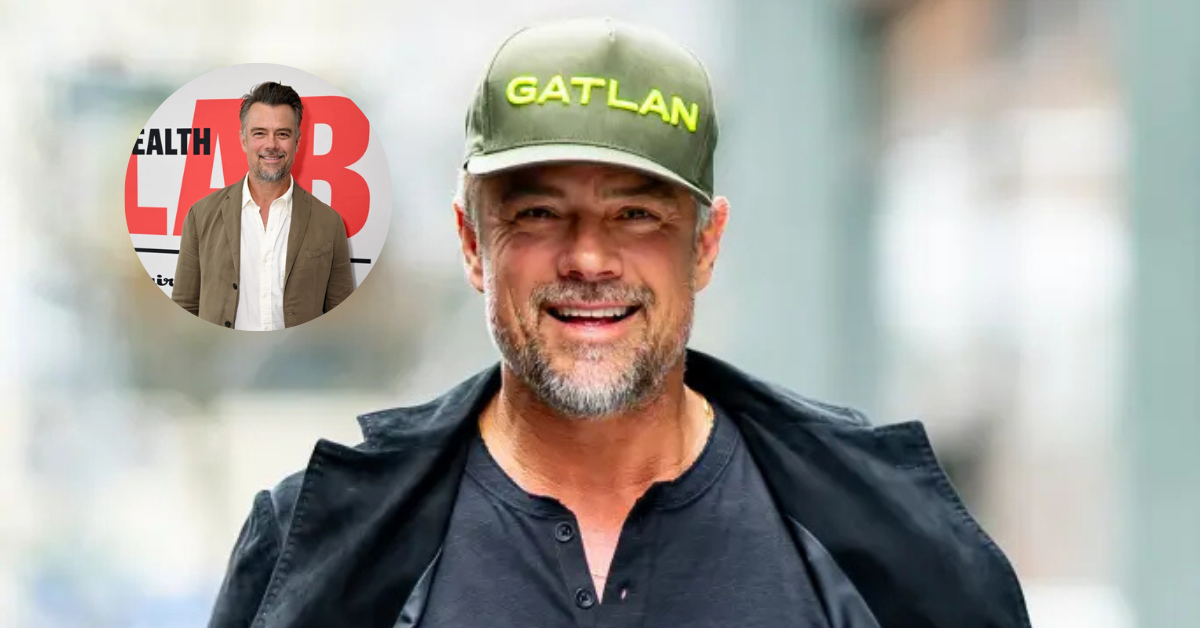
By the time most men hit their forties, something starts to feel “off.” Fatigue creeps in. Muscle seems harder to build. Belly fat takes on a life of its own. Drive, motivation, and recovery all slip. Doctors often look at basic labs and say, “Everything is normal.” But normal doesn’t mean optimal.
Actor Josh Duhamel has spoken publicly about using testosterone therapy to stay strong, lean, and high-performing into his fifties. His transparency mirrors what millions of men are privately experiencing: a steep decline in hormones that directly influence metabolism, strength, brain function, mood, sleep, and energy.
The truth is simple. You don’t have a discipline problem. You have a hormone performance problem.
This long-form guide breaks down what testosterone really does, why men lose it faster today than any generation before them, how to diagnose low T accurately, and what treatment options (including TRT, Clomid, peptides, and advanced functional labs) can help restore performance in a safe, evidence-based way.
What Testosterone Really Does for Men
Testosterone isn’t just about sex drive or muscle. It is a multi-system metabolic hormone that affects:
- Muscle protein synthesis
- Fat oxidation
- Mitochondrial energy output
- Mood and motivation
- Cognitive performance
- Red blood cell production
- Insulin sensitivity
- Bone density
- Sleep architecture
Research from The Journal of Clinical Endocrinology & Metabolism shows that optimal testosterone levels correlate with improved cardiovascular health, lower visceral fat, and better metabolic function.
When testosterone falls, metabolism slows, strength declines, recovery worsens, and body composition shifts toward fat storage. This is why so many men in their forties and fifties feel like they are “aging faster than their fathers did.”
Why Men Lose Testosterone After 40
According to large cohort studies, testosterone declines 1 percent per year after age forty.
But in functional practice, we often see declines closer to 2–3 percent per year due to modern lifestyle stressors.
Major causes of low testosterone today:
1. Chronic stress and high cortisol
Cortisol suppresses the hypothalamic-pituitary-gonadal (HPG) axis, reducing testosterone production.
2. Poor sleep and disrupted circadian rhythm
Testosterone is produced during deep sleep.
Less deep sleep = less testosterone.
3. Increased visceral fat
Fat tissue aromatizes testosterone into estradiol, lowering levels even further.
4. Environmental endocrine disruptors
BPAs, phthalates, pesticides, flame retardants.
5. Overtraining and under-recovery
High-intensity exercise without strategic recovery spikes cortisol.
6. Standard American diet
Insulin resistance lowers SHBG and disrupts testosterone production.
7. Medications
SSRIs, opioids, statins, and blood pressure meds can impact testosterone.
Testosterone decline isn’t just “aging.” It’s biology plus environment.
Symptoms of Low Testosterone (Even When Labs Say “Normal”)
One of the biggest problems in men’s health is that doctors often treat “normal ranges” as meaningful.
Normal doesn’t mean optimal.
A man with a total testosterone of 320 ng/dL may technically be “normal,” yet experience profound symptoms.
Common symptoms of low or suboptimal testosterone:
Physical
- Loss of strength
- Reduced muscle mass
- Harder to lose belly fat
- Poor recovery after workouts
- Lower energy, afternoon crashes
- Decreased endurance
Cognitive
- Low motivation
- Brain fog
- Poor focus
- Reduced drive
Emotional
- Irritability
- Mood swings
- Reduced confidence
Sexual
- Lower libido
- Weaker erections
- Less morning wood
Symptoms are a more reliable indicator than reference ranges alone.
Josh Duhamel and the New Transparency Around TRT
Public figures like Josh Duhamel have openly discussed using testosterone replacement therapy to maintain muscle, energy, and performance well into their fifties.
This transparency reflects a larger trend:
Men are finally talking about how hormonal decline impacts their daily life.
The narrative is shifting from shame to empowerment.
Not because men want shortcuts.
But because they want their bodies back.
Free Testosterone vs Total Testosterone Explained
Total Testosterone
All testosterone in the bloodstream.
Free Testosterone
The small fraction that is bioavailable and active.
Why free T matters:
- It binds to androgen receptors
- It drives performance, libido, muscle, strength, mood, and fat loss
- It correlates more directly with symptoms
SHBG (Sex Hormone Binding Globulin)
The protein that binds testosterone and reduces availability.
High SHBG = low free testosterone.
Millions of men are told their testosterone is “normal” because SHBG isn’t measured.
The Hormones That Work with Testosterone (Cortisol, Thyroid, GH)
Testosterone cannot function optimally in isolation.
1. Cortisol (stress hormone)
High cortisol leads to:
- Muscle breakdown
- Fat storage
- Lower testosterone
- Poor sleep
2. Thyroid hormones
Thyroid regulates metabolism.
Low thyroid = low testosterone.
3. Growth hormone and IGF-1
Responsible for:
- Recovery
- Repair
- Lean mass
- Fat loss
When these fall out of balance, no training program can compensate.
How Stress, Sleep, and Metabolism Lower Testosterone
Chronic Stress
Raises cortisol → lowers testosterone.
Poor Sleep
Testosterone peaks during REM and deep sleep.
Short nights = low T.
Metabolic Dysfunction
Pre-diabetes, insulin resistance, and high visceral fat all suppress testosterone production.
Inflammation
Chronic inflammation impairs Leydig cell function in the testes.
What a Men’s Hormone Panel Should Include
Here is a complete functional medicine panel:
Core Hormones
- Total testosterone
- Free testosterone
- SHBG
- Estradiol (men need balance too)
- DHEA-S
- LH
- FSH
- Prolactin
Thyroid
- TSH
- Free T4
- Free T3
- Reverse T3
- Thyroid antibodies
Metabolic Markers
- Fasting insulin
- Hemoglobin A1c
- Glucose
- Lipid panel
- hsCRP
Stress Markers
- Cortisol (am/pm)
- DHEA
Other Recommended Tests
- Vitamin D
- Ferritin
- CBC
- CMP
You can’t optimize what you don’t measure.
TRT Options Explained
1. Testosterone Injections
- Fastest absorption
- Steady levels
- Highly customizable
- Most research-supported
2. Gels and Creams
- Easy application
- Lower risk of supraphysiologic dosing
- Good for needle-sensitive patients
3. Pellets
- Long-acting
- Convenient
- Less adjustable
Most men choose injections or creams based on preference and hormone response.
Clomid for Men Before TRT
Clomiphene citrate (Clomid) can stimulate natural testosterone production by increasing LH and FSH.
Good for men who:
- Want children in the future
- Are younger (25–40)
- Have secondary hypogonadism
Clomid may not work for men with primary testicular dysfunction or very low baseline testosterone.
Peptides for Performance and Recovery
Peptides complement TRT by optimizing recovery, sleep, growth hormone, and inflammation.
Common options:
- CJC-1295 + Ipamorelin (GH secretion)
- Tesamorelin (fat loss, GH)
- BPC-157 (healing, inflammation)
- GHK-Cu (skin, hair, anti-aging)
- IGF-1 LR3 (muscle repair)
Peptides do not replace testosterone but support broader performance needs.
Testosterone, Fat Loss, and Weight Loss Links
Low testosterone contributes to:
- Higher visceral fat
- Slower metabolism
- Insulin resistance
- Overeating via mood changes
- Poor workout recovery
TRT often improves:
- Fat loss
- Muscle retention
- Glycemic control
- Baseline metabolic rate
This is why TRT is not a “bodybuilding hack.” It is a metabolic therapy.
TRT Myths and Safety Based on Research
Myth 1: TRT causes prostate cancer
Modern research shows no causal link. Many studies show no increased risk.
Myth 2: TRT is addictive
Testosterone replaces something the body is lacking. It does not create dependence.
Myth 3: TRT will make you huge
It brings levels to normal/optimal range.
Myth 4: TRT is only for older men
Hormonal decline now happens earlier due to lifestyle factors.
What Results Men Can Expect (90-Day Timeline)
Week 1–4
- Better mood
- Improved sleep
- Higher energy
Month 2–3
- Strength increases
- Better workouts
- Reduced body fat
- Improved libido
Month 3–6
- Significant body recomposition
- Better focus & motivation
- Higher recovery capacity
Case Study: The 47-Year-Old Executive
A 47-year-old CFO came to 1st Optimal with:
- Afternoon crashes
- Belly fat
- Low motivation
- Declining strength
Baseline labs:
- Total T: 351
- Free T: 7.1
- SHBG: 52
- Estradiol: 11
- Cortisol: elevated
- Thyroid: low-normal
- Insulin: 24 (insulin resistance)
Protocol:
- TRT
- Thyroid optimization
- Low-dose Clomid
- Peptides for recovery
- Nutritional plan
- Stress/cortisol balance tools
12-week outcome:
- Lost 14 lbs fat
- Gained 4 lbs lean mass
- Afternoon crashes gone
- Libido restored
- Strength up 20 percent
- Better mood + motivation
Hormones are the foundation, not the finish line.
Frequently Asked Questions:
Is TRT safe long term?
Studies from 2016–2024 show that TRT is safe when properly monitored.
How do I know if low testosterone is causing my symptoms?
Symptoms + comprehensive labs give the clearest picture.
Does TRT help with fat loss?
Yes. It improves metabolic rate, insulin sensitivity, and fat oxidation.
Can Clomid be used before TRT?
Yes. It’s often used for fertility preservation or mild hypogonadism.
Can you naturally increase testosterone?
Sleep, stress reduction, lifting heavy, reducing visceral fat, and optimizing nutrition all help. But severe low T often requires medical treatment.
Does high cortisol lower testosterone?
Yes. Chronic stress suppresses testosterone production through the HPG axis.
Conclusion
Most men don’t struggle with discipline. They struggle with declining hormones that impact metabolism, recovery, muscle, energy, and drive. As more public figures like Josh Duhamel share their experience, the stigma fades and men gain permission to prioritize their health.
Your body can perform at a high level again. You just need the right testing, the right guidance, and the right protocol.
Ready to optimize your hormone health? Book a free health consult today and start your journey with personalized, expert care.
About Us
1st Optimal is a functional medicine and performance health clinic dedicated to helping high-achieving adults optimize hormone health, weight, energy, and longevity. Follow 1st Optimal on Instagram
Founders:
- Joe Miller – Expert in functional medicine, hormone optimization, and health coaching. Follow Joe on Instagram
- Amber Miller – Operational leader specializing in patient experience, clinic growth, and holistic health. Follow Amber on Instagram
