
Introduction
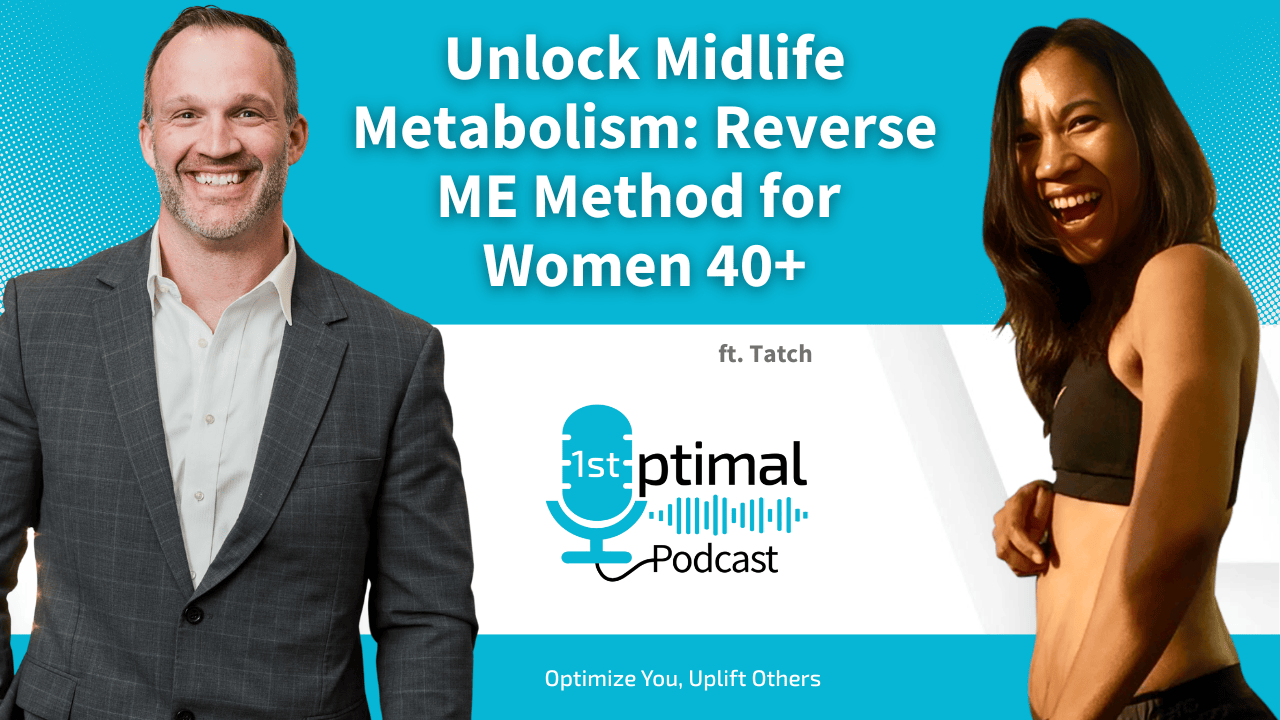
As we age, metabolic changes, hormonal fluctuations, and life stressors significantly affect our health. For women, particularly those aged 35–55, the body undergoes various transformations that can make traditional fitness and diet strategies less effective. Enter the Reverse ME Method, a transformative approach specifically designed to help women in midlife reclaim their vitality and revitalize their metabolism.
This article explores Tatch’s top 5 power tips to optimize health and metabolism, including hormone balance, strength training, and sustainable nutrition strategies.
The Importance of Hormone Balance in Midlife
As women enter perimenopause and menopause, hormonal fluctuations lead to several challenges: fatigue, weight gain, and difficulty losing body fat. These hormonal shifts can cause significant disruption to metabolism, and without a solid understanding of their effects, women often feel frustrated and confused about how to regain their health.
Hormones such as estrogen, progesterone, and testosterone naturally decline in midlife, and this often results in slower metabolism, increased abdominal fat, and a lack of energy.
By optimizing hormone levels and supporting the body’s natural rhythms, it’s possible to regain balance and revitalize metabolism, improving energy levels, mood, and overall health.
The Reverse ME Method: What It Is and How It Works
The Reverse ME Method is a holistic approach designed to help women over 40 regain metabolic function by focusing on strength training, nutrition, stress management, and recovery.
Unlike many quick-fix programs, the Reverse ME Method emphasizes sustainable strategies that promote long-term health, integrating functional medicine principles to address hormonal imbalances and metabolic slowdowns.
Tatch’s approach includes personalized fitness plans that cater specifically to midlife women, helping them understand how to adjust their workouts and nutrition in response to hormonal changes.
This method is a game-changer for those who are tired of feeling stuck, helping to foster a sense of empowerment and control over their health journey.
Power Tip #1: Focus on Strength Training, Not Just Cardio
In the past, cardio was often the go-to workout for weight loss, but as we age, strength training becomes far more important.
Muscle mass naturally decreases with age, which slows metabolism and increases fat retention. By focusing on strength training (such as weightlifting, resistance bands, or bodyweight exercises), women can increase muscle mass, which in turn helps to boost metabolism, burn fat more efficiently, and improve bone density.
Tatch recommends lifting heavy weights to stimulate muscle growth and prevent muscle loss, which is particularly crucial as women enter menopause.
Action Tip:
Start incorporating compound exercises (squats, deadlifts, lunges) into your routine. These exercises engage multiple muscle groups, increasing calorie burn and building lean muscle. Aim for 8-12 reps per set, using weights that challenge your muscles by the final rep.
Power Tip #2: Master Your Nutrition for Hormonal Support
Midlife metabolism isn’t just about exercise; nutrition plays a pivotal role in balancing hormones and supporting weight loss. Women in their 40s and 50s should focus on nutrient-dense foods that promote hormonal harmony.
Tatch emphasizes the importance of protein, healthy fats, and fiber-rich foods while reducing processed carbs and sugars.
Protein helps to preserve muscle mass, and it’s essential to consume adequate amounts to support muscle repair and fat loss. Healthy fats, such as those found in avocados, olive oil, and fatty fish, support hormone production, while complex carbohydrates (from whole grains, legumes, and vegetables) help maintain stable blood sugar levels.
Action Tip:
Aim for 1 gram of protein per pound of ideal body weight each day. For example, if you weigh 160 pounds and aim for 140 pounds, consume 140 grams of protein daily. Pair this with healthy fats and fiber for balanced, hormone-supportive meals.
Power Tip #3: Embrace Rest and Recovery for Sustainable Results
As women age, recovery becomes just as important as the workout itself. Strength training, while vital, places a lot of stress on the muscles, and without proper recovery, the body won’t be able to build muscle and burn fat effectively.
Rest days, quality sleep, and active recovery practices (like yoga or stretching) are essential to let muscles rebuild and repair.
Tatch stresses that sleep is one of the most underrated aspects of health, particularly for women over 40. Poor sleep disrupts hormone levels, particularly cortisol (the stress hormone), and can hinder weight loss efforts.
Action Tip:
Prioritize 7-9 hours of sleep each night. Incorporate relaxation techniques like meditation, journaling, or light stretching before bed to support sleep hygiene and manage stress.
Power Tip #4: Manage Stress and Improve Sleep for Hormonal Harmony
Chronic stress leads to elevated cortisol levels, which can wreak havoc on metabolism and overall health. In midlife, women are often juggling multiple responsibilities—work, family, aging parents—and this stress can lead to hormonal imbalance, weight gain, and fatigue.
Tatch’s method incorporates stress management techniques such as mindfulness, journaling, and breathing exercises to lower cortisol and restore balance.
Additionally, improving sleep quality is essential to reducing stress and regulating hormones. Women experiencing sleep disruptions, especially due to hot flashes or night sweats, may find that stress-relieving practices can help restore sleep patterns.
Action Tip:
Incorporate a 20-minute meditation or breathing exercise session in the morning or before bed. Keep your sleep environment cool, dark, and free from electronics to encourage deeper sleep.
Power Tip #5: Build Sustainable Habits for Lasting Health
The Reverse ME Method isn’t about extreme dieting or exhausting workout plans. Instead, Tatch emphasizes building sustainable habits that can be maintained long-term.
The key to success is consistency, and by focusing on small, manageable changes that can be maintained over time, women can experience lasting results.
It’s not about quick fixes; it’s about making adjustments that support long-term wellness.
Action Tip:
Start by making small changes, like adding a serving of vegetables to every meal or gradually increasing the weight in your strength training routine. Over time, these incremental changes will lead to lasting results without the need for extreme measures.
FAQs:
Q1: What age should I start focusing on hormone health?
It’s best to begin in your late 30s or early 40s, but it’s never too early or too late to start focusing on hormone health. Early intervention can help prevent or delay common issues that arise in perimenopause and menopause.
Q2: How much strength training should I do each week?
Aim for 3-4 sessions per week, each focusing on different muscle groups. This will help preserve muscle mass, improve metabolism, and support overall health.
Q3: Can I lose weight in my 40s and 50s?
Yes, with the right approach balanced nutrition, strength training, and stress management—it is absolutely possible to lose weight and maintain a healthy body composition in midlife.
Q4: How does the Reverse ME Method differ from other programs?
The Reverse ME Method is uniquely tailored to the hormonal and metabolic needs of women over 40. Unlike other generic fitness plans, this method incorporates hormone balancing, strength training, and recovery strategies that are proven to work for women in midlife.
Q5: What are the best foods to eat during menopause?
Focus on nutrient-dense, whole foods that support hormonal balance, including lean protein, healthy fats, fiber-rich vegetables, and whole grains.
Conclusion: Take Action for a Healthier, Energized You
Embracing Tatch’s Reverse ME Method offers a holistic approach to midlife health. By focusing on strength training, proper nutrition, stress management, and sustainable habits, women can revitalize their metabolism and achieve lasting wellness.
Ready to start your journey to a healthier, more energized you? Book a free health consult or explore our hormone health and metabolism lab tests today.
🎙 Enjoyed this conversation with Coach Tatch?
🔗 Listen to the full episode on your favorite platform:
🎧 Spotify | Apple Podcasts | Amazon Music | Google Podcasts
📺 Watch it on YouTube:
References:
- PubMed: Hormonal Changes in Perimenopause and Menopause
- NIH: The Role of Strength Training for Women Over 40
- JAMA: The Importance of Rest and Recovery in Aging Populations
- NEJM: Nutrition and Metabolism in Midlife Women
- Mayo Clinic: Managing Stress and Sleep Hygiene
- Harvard Health: The Benefits of Protein for Muscle Preservation
- National Institute on Aging: Exercise and Aging
- American College of Sports Medicine: Resistance Training in Older Adults
- The Endocrine Society: The Impact of Hormonal Imbalances on Metabolism
- The Journal of Clinical Endocrinology & Metabolism: Menopause and Metabolism