

Perimenopause can start years before menopause, and it can change your sleep, mood, metabolism, cycle, libido, and energy faster than most women expect.
The frustrating part is that many women are told they’re “just stressed,” “just getting older,” or “too young for menopause.” That leaves them trying to piece together symptoms that were never separate in the first place.
This perimenopause survival guide explains what’s happening, what symptoms to watch for, what to test, and what options may help you feel like yourself again.
What Is Perimenopause?
Perimenopause is the transition phase leading up to menopause. During this stage, estrogen and progesterone begin shifting in less predictable patterns. They don’t simply decline in a neat, straight line. They can rise, fall, spike, and drop from month to month.
That fluctuation is why perimenopause can feel confusing. One month your cycle may seem normal. The next, your sleep is wrecked, your mood feels different, and your body composition starts changing even though your habits haven’t.
Menopause itself is defined as 12 straight months without a menstrual period. Perimenopause is everything leading up to that point.
For many women, this transition starts in their 40s, but symptoms can begin earlier. The goal is not to wait until symptoms become unbearable. The goal is to recognize the pattern early and build a plan around your body.
Perimenopause vs. Menopause: What’s the Difference?
The terms get mixed up constantly, which makes sense because women are rarely given clear education on this stage before symptoms begin.
Here’s the simple version:
- Perimenopause: The transition before menopause, when hormones fluctuate and symptoms often begin.
- Menopause: The point reached after 12 consecutive months without a period.
- Postmenopause: The years after menopause.
A woman can still have periods during perimenopause and still experience hot flashes, night sweats, mood changes, weight gain, low libido, and sleep disruption.
That’s why waiting for your period to disappear before taking symptoms seriously is a mistake.
Common Perimenopause Symptoms
Perimenopause symptoms can show up gradually or feel like they arrived overnight. They often get blamed on work stress, parenting, aging, poor discipline, or “just life.”
The real issue is often hormonal instability layered on top of modern stress.
Common perimenopause symptoms include:
- Irregular, heavier, lighter, shorter, or longer periods
- Hot flashes or sudden heat surges
- Night sweats
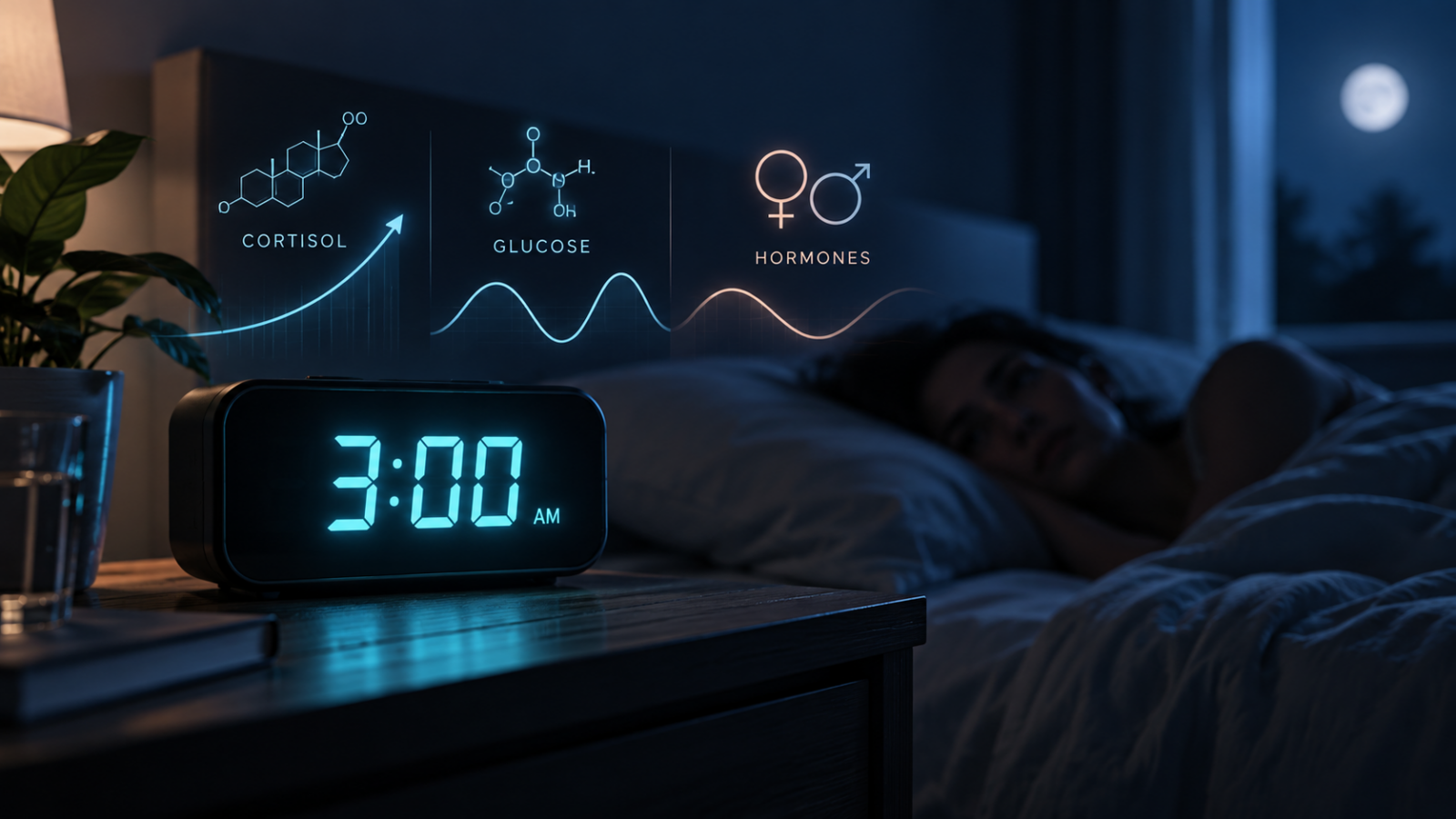
- Waking between 2:00 a.m. and 4:00 a.m.
- Trouble falling asleep or staying asleep
- Anxiety or a shorter fuse
- Mood swings
- Brain fog
- Lower motivation
- Fatigue that doesn’t match your effort
- Weight gain around the abdomen
- More cravings
- Lower libido
- Vaginal dryness or discomfort
- Joint aches
- Headaches
- Breast tenderness
- Bloating
- Changes in skin, hair, or muscle tone
The “aha” moment for many women is seeing these symptoms together. They’re not always separate problems. They may be part of one larger hormone story.
Why Perimenopause Can Feel So Sudden
Perimenopause can feel sudden because your hormones are no longer behaving in a predictable rhythm.
Progesterone often becomes less consistent as ovulation changes. Estrogen may fluctuate wildly before trending lower over time. That combination can affect sleep, temperature regulation, mood, appetite, insulin sensitivity, body composition, and sexual health.
This is why many high-performing women say some version of:
“I’m doing the same things, but my body is responding differently.”
That sentence matters. If your old routine no longer works, the answer is not always more restriction, more cardio, or more willpower. Sometimes the system changed.
Why Sleep Often Gets Worse in Perimenopause
Sleep disruption is one of the most common and frustrating perimenopause symptoms.
Some women wake drenched in sweat. Others don’t have obvious night sweats but still wake wired, anxious, or restless. Some fall asleep fine but wake in the early morning and can’t get back to sleep.
Hormonal shifts can affect body temperature, stress response, blood sugar stability, and neurotransmitters. When sleep starts breaking down, everything else gets harder.
Poor sleep can worsen:
- Cravings
- Hunger
- Fatigue
- Irritability
- Brain fog
- Recovery
- Weight loss resistance
- Blood sugar control
If your sleep changed before your weight, mood, or energy changed, pay attention. Sleep is often the first domino.
Perimenopause and Weight Gain
Perimenopause weight gain is not always about eating more.
Hormonal changes can influence insulin sensitivity, appetite, muscle maintenance, sleep quality, and fat distribution. Many women notice more weight around the midsection even when they haven’t changed their diet.
That doesn’t mean nutrition no longer matters. It means the strategy may need to change.
During perimenopause, the basics become more important:
- Prioritize protein at each meal
- Strength train consistently
- Walk daily, especially after meals
- Manage alcohol intake
- Get enough sleep
- Support fiber intake and gut health
- Track labs instead of guessing
For many women, the missing piece is muscle. Muscle helps support metabolism, blood sugar control, strength, and long-term independence. Perimenopause is not the time to rely only on cardio and low-calorie dieting.
Perimenopause, Mood, and Brain Fog
Perimenopause can affect the brain as much as the body.
Women often describe feeling less sharp, less patient, or less emotionally steady. Some notice more anxiety even if they never considered themselves anxious before. Others feel flat, unmotivated, or disconnected from the person they used to be.
This is not a character flaw. It is not weakness. It is biology.
Estrogen and progesterone interact with brain chemistry, sleep, inflammation, and stress response. When those hormones fluctuate, mood and cognition can shift too.
That said, symptoms should still be evaluated carefully. Thyroid issues, nutrient deficiencies, anemia, poor sleep, chronic stress, blood sugar instability, and medication side effects can all contribute.
The best approach is not to assume everything is “hormones.” It is to test, assess, and build a plan.
What Causes Perimenopause Symptoms?
Perimenopause symptoms are usually driven by changing ovarian function and shifting hormone patterns. But the severity of symptoms often depends on the whole system.
Key contributors can include:
- Estrogen fluctuations
- Lower or inconsistent progesterone
- Poor sleep
- Chronic stress
- Low muscle mass
- Blood sugar swings
- Thyroid dysfunction
- Gut health issues
- Nutrient deficiencies
- Inflammation
- Alcohol intake
- Overtraining or under-recovery
This is why two women can have the same hormone stage and completely different symptom experiences.
One may feel mildly off. Another may feel like her entire body changed in six months.
When Does Perimenopause Start?
Perimenopause most often begins in the 40s, but it can start earlier. Some women notice symptoms in their late 30s, especially changes in cycle length, sleep, mood, or premenstrual symptoms.
There is no universal start date.
Better questions are:
- Has your cycle changed?
- Has your sleep changed?
- Has your mood or anxiety changed?
- Has your body composition changed despite similar habits?
- Are your workouts harder to recover from?
- Are cravings, fatigue, or brain fog more noticeable?
- Are you feeling less like yourself?
If several answers are yes, it is worth investigating.
Perimenopause Testing: What Labs Should You Check?
Lab testing should match symptoms, history, cycle pattern, and goals. A single hormone number rarely tells the whole story, especially during perimenopause, because hormones fluctuate.
Still, labs can help identify patterns, rule out other causes, and guide a personalized plan.
A comprehensive perimenopause lab panel may include:
- Complete blood count, also called CBC
- Comprehensive metabolic panel, also called CMP
- Fasting glucose
- Fasting insulin
- Hemoglobin A1c
- Lipid panel
- ApoB
- Lp(a)
- Thyroid-stimulating hormone, also called TSH
- Free T4
- Free T3
- Thyroid antibodies when appropriate
- Estradiol
- Progesterone
- Total and free testosterone
- Sex hormone-binding globulin, also called SHBG
- Dehydroepiandrosterone sulfate, also called DHEA-S
- Cortisol when clinically appropriate
- Ferritin
- Vitamin D
- B12
- Folate
- High-sensitivity C-reactive protein, also called hs-CRP
Depending on symptoms, a provider may also consider specialty testing such as gut testing, food sensitivity testing, or advanced hormone metabolite testing.
The point is simple: don’t guess when you can measure.
Why Thyroid Health Matters in Perimenopause
Thyroid symptoms can overlap with perimenopause symptoms. Fatigue, weight gain, cold intolerance, dry skin, constipation, low mood, hair changes, and brain fog can all show up when thyroid function is off.
That overlap matters because a woman may be told her symptoms are “normal for menopause” when there is also a thyroid issue in the background.
A basic thyroid-stimulating hormone test may not be enough for every patient. Depending on symptoms and history, a more complete look may include free T4, free T3, thyroid antibodies, and related markers.
Perimenopause care should not ignore the thyroid. That’s like trying to fix a power outage by yelling at the light switch.
Why Gut Health Matters in Perimenopause
Your gut plays a role in hormone metabolism, inflammation, immune balance, nutrient absorption, and blood sugar regulation.
This matters because estrogen is processed and cleared partly through the liver and gut. If digestion is poor, constipation is frequent, or the gut microbiome is disrupted, hormone symptoms may feel worse.
Gut issues can also drive bloating, cravings, low energy, skin changes, and food reactions that get blamed on hormones alone.
Supportive gut basics include:
- Eating enough fiber
- Prioritizing protein
- Staying hydrated
- Treating constipation seriously
- Limiting alcohol
- Eating fermented foods if tolerated
- Identifying trigger foods when symptoms are persistent
- Testing when symptoms point to deeper gut dysfunction
For women with bloating, irregular bowel movements, reflux, food reactions, or stubborn inflammation, gut health should be part of the conversation.
Lifestyle Strategies That Help Perimenopause
Lifestyle will not erase every symptom, and it should not be used as a way to dismiss women who need medical support. But it is still foundational.
Start here:
1. Build Muscle
Strength training helps protect metabolism, bone density, glucose control, posture, and long-term function.
Aim for two to four strength sessions per week. Focus on progressive resistance, not random workouts that leave you sore and exhausted.
2. Eat Enough Protein
Protein supports muscle, satiety, recovery, and blood sugar stability.
A practical target for many women is 25 to 40 grams of protein per meal, adjusted for body size, training, and medical needs.
3. Walk After Meals
A 10-minute walk after meals can support glucose control and digestion. It is simple, boring, and effective.
4. Improve Sleep Hygiene
Keep your bedroom cool. Reduce alcohol. Limit late-night screens. Keep a consistent sleep schedule. Get morning light when possible.
If night sweats, anxiety, or early waking persist, it may be time to evaluate hormones and other causes.
5. Reduce Alcohol
Alcohol can worsen hot flashes, sleep quality, mood, cravings, and weight loss resistance for many women.
You do not need a moral lecture. You need accurate feedback from your body. If symptoms are worse after wine, that is useful data.
6. Manage Stress Like It Actually Counts
Stress affects sleep, appetite, blood sugar, digestion, and recovery.
Perimenopause often reduces your tolerance for the same stress load you used to carry. That does not mean you are failing. It means your recovery system needs support.
Perimenopause Treatment Options
Treatment should be individualized. The right plan depends on symptom severity, medical history, risk factors, lab work, cycle status, goals, and personal preference.
Common options may include:
- Nutrition changes
- Strength training and recovery planning
- Sleep support
- Stress support
- Thyroid evaluation and treatment when needed
- Gut health support
- Nonhormonal medications for specific symptoms
- Vaginal estrogen for genitourinary symptoms when appropriate
- Menopausal hormone therapy for appropriate candidates
- Targeted supplements when deficiencies or needs are identified
No single option is right for every woman.
Hormone Therapy During Perimenopause
Hormone therapy may help some women with hot flashes, night sweats, sleep disruption, vaginal symptoms, and quality-of-life concerns.
For appropriate candidates, estrogen and progesterone therapy may be considered. Progesterone is especially important for women who still have a uterus when systemic estrogen is used because it helps protect the uterine lining.
Some women may also need evaluation for low testosterone symptoms, such as low libido, poor recovery, low motivation, or reduced sense of drive. Testosterone therapy for women should be handled carefully, with appropriate dosing, monitoring, and medical supervision.
Bioidentical hormone therapy refers to hormones that are structurally identical to hormones made by the body. The key is not the marketing term. The key is proper evaluation, appropriate dosing, quality sourcing, and follow-up monitoring.
Hormone therapy is not for everyone. Women with certain histories, such as some hormone-sensitive cancers, unexplained bleeding, blood clotting disorders, stroke, heart attack, or liver disease, need careful medical review.
This is why hormone therapy should always be guided by a licensed healthcare provider.
When to Talk to a Provider
You should consider getting help if perimenopause symptoms are affecting your sleep, work, relationships, mood, training, libido, or ability to feel like yourself.
You should also speak with a clinician promptly if you have:
- Very heavy bleeding
- Bleeding after sex
- Bleeding between periods
- Bleeding after menopause
- New pelvic pain
- Severe mood changes
- Chest pain, fainting, or shortness of breath
- Unexplained weight loss
- Symptoms that feel sudden or extreme
Perimenopause is common, but that does not mean every symptom should be dismissed.
A Better Way to Navigate Perimenopause
The old model told women to wait it out.
The better model is proactive, personalized, and data-informed.
That means looking at symptoms, labs, lifestyle, thyroid function, gut health, body composition, stress load, sleep, and medical history. It means treating women like whole people instead of telling them to accept feeling awful as the price of aging.
At 1st Optimal, women’s hormone care is built around individualized evaluation, advanced testing, and a plan designed around your goals.
If the symptom list felt uncomfortably familiar, start with the Women’s Hormone Health Quiz. You can also explore the Women’s Hormone Program, learn more about gut health, or book a free consult.
Frequently Asked Questions About Perimenopause
What are the first signs of perimenopause?
Early signs may include changes in cycle length, heavier or lighter periods, worse premenstrual symptoms, sleep disruption, mood changes, hot flashes, night sweats, brain fog, low libido, and weight gain around the midsection.
Can perimenopause start in your 30s?
Yes, some women notice perimenopause-like symptoms in their late 30s. Symptoms should still be evaluated because thyroid issues, stress, nutrient deficiencies, pregnancy, medication changes, and other conditions can overlap.
How long does perimenopause last?
Perimenopause can last several years. The timeline varies widely from woman to woman. Menopause is reached after 12 consecutive months without a menstrual period.
Do you still need birth control during perimenopause?
Possibly. If you are still having periods, even irregular ones, pregnancy may still be possible. Talk with your clinician about contraception options based on your health history and goals.
Does hormone therapy help perimenopause?
Hormone therapy may help appropriate candidates with symptoms such as hot flashes, night sweats, sleep disruption, vaginal dryness, and quality-of-life concerns. It requires individualized medical evaluation and monitoring.
Is weight gain during perimenopause inevitable?
No, but the strategy often needs to change. Strength training, adequate protein, sleep support, blood sugar control, thyroid evaluation, and stress management become more important.
What labs should I ask for during perimenopause?
Useful labs may include a complete blood count, metabolic panel, fasting insulin, hemoglobin A1c, lipid panel, thyroid markers, estradiol, progesterone, testosterone, SHBG, DHEA-S, ferritin, vitamin D, B12, and inflammation markers. The right panel depends on symptoms and clinical history.
Can gut health affect perimenopause symptoms?
Gut health may influence estrogen metabolism, inflammation, digestion, nutrient absorption, and blood sugar control. If bloating, constipation, food reactions, reflux, or inflammatory symptoms are present, gut testing and support may be helpful.
The Bottom Line
Perimenopause is real. It can start earlier than expected, and it can affect nearly every part of how you feel and function.
You do not have to white-knuckle your way through sleep problems, mood swings, weight gain, brain fog, low libido, and fatigue. With the right testing and a personalized plan, the goal is not just to survive perimenopause. The goal is to feel strong, clear, capable, and like yourself again.
Start with the Women’s Hormone Health Quiz or book a free consult to talk through your symptoms and next steps.