
As peptide therapies continue to gain popularity, particularly with medications like GLP-1 receptor agonists, a new wave of interest has emerged: people are seeking guidance on how to complement their peptide therapies with proper nutrition to manage side effects and optimize results. Whether you’re on a peptide therapy like Ozempic or another FDA-approved GLP-1 medication, understanding the role of nutrition in mitigating side effects such as nausea, muscle wasting, and changes in appearance is critical. This guide will focus on peptide-supportive nutrition, helping users reduce side effects like Ozempic Face, preserve muscle mass, and maintain a high-protein diet that works with their therapy.
Understanding Peptide Therapy and Its Impact on Nutrition
Peptide therapy, particularly with GLP-1 receptor agonists like Ozempic, is transforming the way we approach weight management, insulin sensitivity, and metabolic health. These peptides work by mimicking the action of natural hormones that regulate appetite and blood sugar, leading to significant weight loss and improved metabolic outcomes. However, with these benefits come challenges, particularly related to nutrition and lifestyle.
Peptide therapy can influence metabolism in several ways, including altering how the body processes food, digests nutrients, and maintains muscle mass. Understanding these changes can help individuals optimize their nutrition to prevent unwanted side effects while supporting the full benefits of peptide therapy.
What Is GLP-1 Therapy and How Does It Affect Nutrition?
GLP-1 (glucagon-like peptide-1) therapy works by slowing gastric emptying, promoting satiety, and improving insulin sensitivity. While this can help with weight loss and appetite control, it can also have side effects such as nausea, reduced appetite, and muscle wasting if not managed properly. Since peptide therapy alters digestion, it’s essential to adapt your nutrition to ensure adequate nutrient absorption and muscle preservation.
Combatting Common Side Effects of Peptide Therapy
While peptide therapy can bring impressive benefits, users often report side effects such as nausea, hair loss, and changes in their appearance (e.g., Ozempic Face). Here’s how you can mitigate these side effects through supportive nutrition.
Preventing and Managing Nausea
Nausea is a common side effect for many users of GLP-1 peptides. The slowed gastric emptying caused by peptides can lead to digestive discomfort. Here are some tips to manage nausea:
- Eat smaller, more frequent meals: Larger meals can exacerbate nausea. Eating smaller portions throughout the day allows for better digestion.
- Opt for bland, easy-to-digest foods: Foods like crackers, rice, applesauce, and bananas are easier on the stomach.
- Hydration is key: Dehydration can worsen nausea, so sipping water or electrolyte-rich beverages throughout the day can help mitigate the feeling.
- Avoid rich, fatty, or spicy foods: These can irritate the stomach and exacerbate nausea.
Managing Hair Loss While on Peptide Therapy
Hair loss is another potential side effect associated with peptides, particularly with long-term use. This is often linked to changes in metabolism and nutrient absorption. Combatting hair loss involves:
- Focus on nutrient-dense, high-protein foods: Protein is essential for hair health, as it provides the building blocks for hair growth. Foods rich in protein like lean meats, eggs, legumes, and tofu can support hair regeneration.
- Increase vitamin intake: Vitamins like biotin, zinc, and vitamin D are crucial for healthy hair. Include foods like leafy greens, nuts, and fish to boost these nutrients.
- Consider a hair-healthy supplement: In some cases, taking supplements designed to support hair growth may help, but always consult with a healthcare provider before adding any new supplements to your regimen.
Preventing Ozempic Face: Tips for Skin Health
“Ozempic Face” refers to the phenomenon where rapid weight loss from peptide therapy causes a reduction in facial fullness, resulting in a gaunt appearance. Preventing this requires a combination of strategies:
- Hydrate, hydrate, hydrate: Proper hydration keeps skin plump and elastic, reducing the appearance of sagging.
- Collagen-boosting foods: Collagen is essential for skin elasticity. Foods like bone broth, chicken skin, and fish with skin can help promote collagen production.
- Healthy fats: Omega-3 fatty acids from foods like salmon, avocado, and walnuts support skin health by keeping it nourished and hydrated.
- Moisturize regularly: Using a good moisturizer can help combat dryness and improve the elasticity of your skin.
Preserving Muscle Mass While on Peptide Therapy
One of the most significant concerns for those using peptides is muscle wasting, or sarcopenia, particularly as peptides help reduce body fat and weight. Without proper nutrition, muscle loss can occur, leading to decreased strength and metabolism.
High-Protein Diets for Peptide Users
Maintaining muscle mass while on peptide therapy is possible with a high-protein diet. Protein is critical for muscle preservation and growth. Aim to consume lean protein sources at every meal, such as:
- Chicken, turkey, and lean beef: Excellent sources of protein that also provide essential amino acids for muscle repair.
- Fish and seafood: Salmon, tuna, and shrimp are high in protein and healthy fats, perfect for those aiming to maintain muscle.
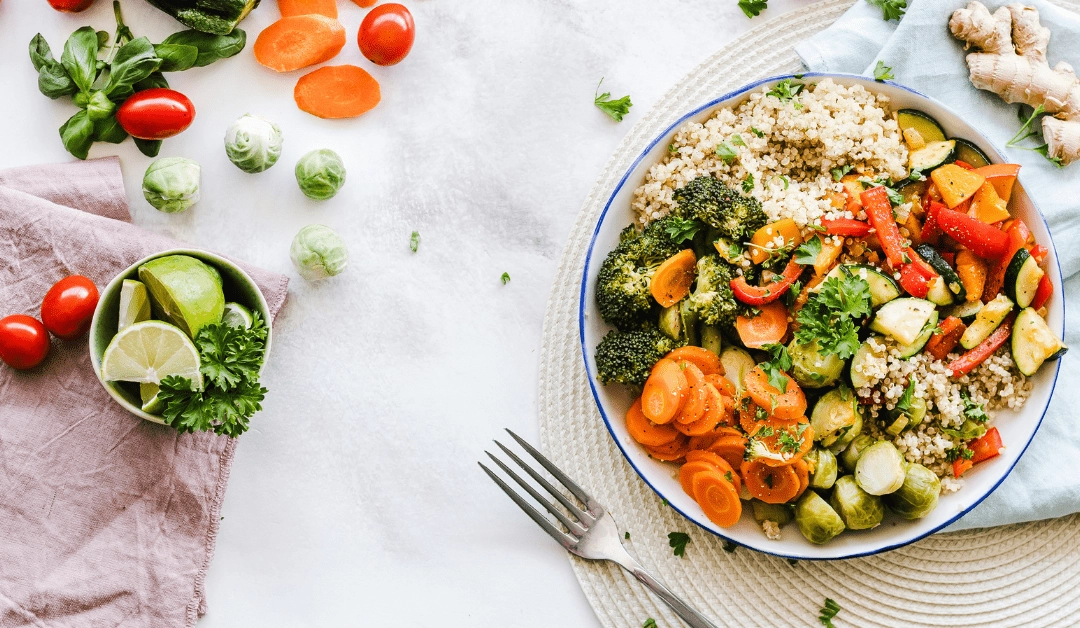
- Plant-based proteins: Lentils, chickpeas, quinoa, and tofu provide plant-based alternatives for muscle support.
Strength Training to Preserve Muscle Mass
In addition to a high-protein diet, incorporating strength training into your routine can help preserve and build muscle mass. Strength training exercises like weight lifting, resistance band exercises, and bodyweight workouts stimulate muscle growth and reduce the risk of sarcopenia.
The Role of Diet in Gut Health for Peptide Users
As peptide therapy impacts digestion and metabolism, it’s essential to focus on supporting gut health. A healthy gut microbiome helps ensure nutrient absorption and promotes overall well-being.
Fiber-Rich Foods for Gut Health
Eating fiber-rich foods can support the gut microbiome, enhance digestion, and improve nutrient absorption. Incorporate foods such as:
- Fruits and vegetables: Berries, leafy greens, and cruciferous vegetables are rich in fiber and prebiotics that feed beneficial gut bacteria.
- Whole grains: Foods like oats, quinoa, and brown rice provide fiber that helps regulate digestion and prevent constipation.
- Legumes: Beans, lentils, and peas are excellent sources of fiber and protein.
Probiotics and Prebiotics
Probiotics introduce beneficial bacteria into your gut, while prebiotics nourish these bacteria. Adding fermented foods like yogurt, kimchi, and sauerkraut can boost your gut health, aiding in digestion and nutrient absorption.
Supplements and Therapies to Support Gut Health
In addition to diet, supplements may be useful in supporting gut health while using peptides. Probiotic supplements can help balance the gut microbiome, while digestive enzymes can assist in breaking down food and absorbing nutrients.
Digestive Enzymes for Improved Digestion
Digestive enzymes support the breakdown of proteins, fats, and carbohydrates, ensuring that your body gets the most out of your food. Look for enzyme supplements that contain a blend of protease, lipase, and amylase to help with overall digestion.
Prebiotic Fiber Supplements
Prebiotic fiber supplements like inulin or psyllium husk can help nourish the good bacteria in your gut, supporting healthy digestion and boosting the effectiveness of probiotics.
Frequently Asked Questions (FAQ)
- What is the best diet for peptide users?
A high-protein diet rich in lean meats, fish, legumes, and plant-based proteins is ideal for peptide users. Incorporate fiber-rich foods and healthy fats to support overall health and prevent muscle loss. - How can I prevent nausea while on peptide therapy?
To mitigate nausea, eat smaller meals throughout the day, stay hydrated, and avoid greasy or spicy foods. Bland, easy-to-digest foods like crackers or rice can also help soothe the stomach. - How can I prevent hair loss while on peptides?
Include nutrient-rich foods like biotin, zinc, and omega-3s to support hair growth. High-protein foods and supplements designed for hair health can also be beneficial. - Can I prevent muscle loss on peptide therapy?
Yes, a high-protein diet and strength training exercises are crucial for preserving muscle mass. Ensure you’re consuming adequate protein and incorporating resistance exercises to maintain muscle strength. - How do I prevent Ozempic Face?
Prevent Ozempic Face by staying hydrated, eating collagen-boosting foods, and maintaining a balanced diet with healthy fats. Regular skin moisturization also helps.
Conclusion
Optimizing your nutrition while on peptide therapy is essential for maximizing the benefits of the treatment and mitigating potential side effects. By focusing on a high-protein diet, supporting your gut health, and managing side effects like nausea or muscle loss, you can ensure that your peptide therapy is effective and sustainable in the long term.
At 1st Optimal, we offer personalized guidance on peptide therapy, lab testing, and nutritional counseling to help you achieve your health and wellness goals.
Ready to optimize your peptide therapy experience? Book a consultation with 1st Optimal to get personalized advice and support for your health journey.