
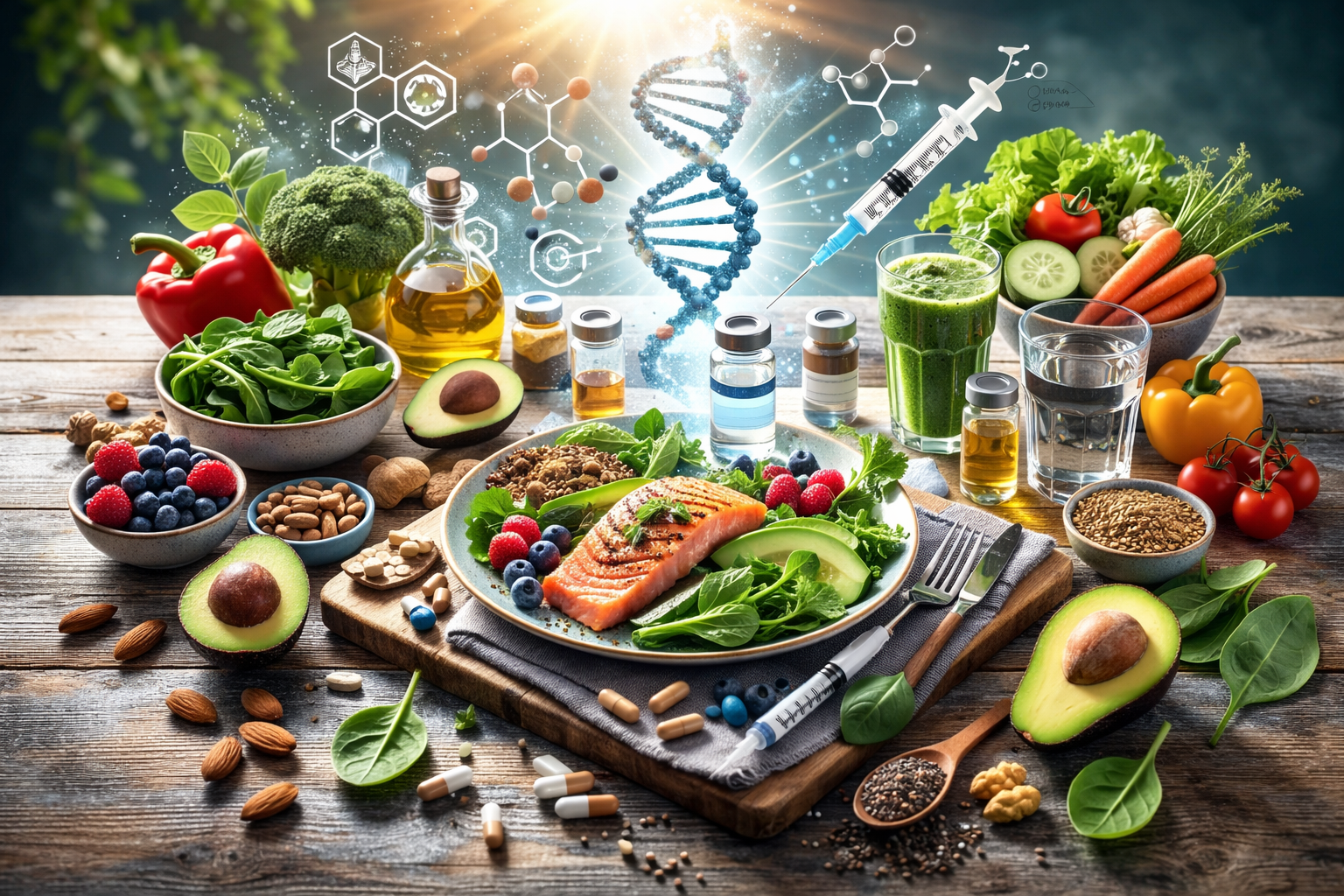
Peptide therapies, such as GLP-1 receptor agonists, have rapidly gained popularity as powerful tools for weight loss and metabolic health. However, as with any treatment, they come with a set of challenges, particularly in terms of managing side effects and supporting optimal health while undergoing therapy. A significant secondary market has emerged where individuals who are already using peptides seek guidance on how to enhance their results through diet and lifestyle changes.
This article focuses on peptide-supportive nutrition to help manage side effects, optimize results, and improve overall health. Whether you’re looking to combat common side effects like nausea or “Ozempic face,” preserve muscle mass, or follow a high-protein diet that aligns with your peptide therapy, this guide offers actionable strategies for nutrition, meal planning, and lifestyle management. We’ll also dive into how certain foods can exacerbate or mitigate the side effects of peptide therapies, especially when it comes to gut health and muscle preservation.
Understanding Peptide Therapy and Its Effects on Your Body
Peptides, such as GLP-1 receptor agonists, work by mimicking hormones that regulate blood sugar and appetite. These therapies help patients manage weight, improve insulin sensitivity, and control food intake, making them invaluable tools for those struggling with metabolic health. However, these benefits come with certain physiological effects, including slower digestion and changes in metabolism, which can impact your nutritional needs and overall health.
It’s essential to understand that peptide therapy influences various aspects of bodily functions. For example, it affects the way nutrients are absorbed, which may lead to nutrient deficiencies over time. Additionally, peptide therapies can slow down gastric emptying, leading to nausea and reduced appetite, which can interfere with the consumption of essential nutrients. Because of these effects, it’s important to adapt your diet to support peptide therapy and ensure your body gets the nutrition it needs.
Combatting Common Side Effects of Peptide Therapy
While peptide therapies are effective, they often come with common side effects that users must manage. Understanding these side effects and how nutrition can mitigate them is crucial for optimizing therapy.
Preventing and Managing Nausea
One of the most common side effects of peptide therapy is nausea, particularly due to the slowing of gastric emptying. Here’s how to manage nausea effectively through diet:
- Eat smaller, more frequent meals: Larger meals can exacerbate nausea. Eating smaller, lighter meals throughout the day will allow your body to digest food more easily.
- Choose bland, easily digestible foods: Foods like crackers, rice, bananas, and applesauce can help settle the stomach and reduce nausea.
- Avoid greasy or spicy foods: These can irritate the stomach and worsen nausea. Stick to light, non-fatty foods that are easier to digest.
- Stay hydrated: Drink plenty of water or electrolyte-rich beverages to avoid dehydration, which can worsen nausea.
Preventing Ozempic Face: Tips for Skin Health
One of the more concerning side effects of peptide therapy, particularly GLP-1 therapies, is “Ozempic Face.” This term refers to the loss of facial fullness as a result of rapid weight loss. To counteract this, follow these skin-supporting strategies:
- Hydrate your skin: Proper hydration is crucial for maintaining skin elasticity. Drink plenty of water and use moisturizing products to keep your skin plump.
- Eat collagen-boosting foods: Collagen is essential for skin elasticity and health. Include foods like bone broth, chicken skin, and fish in your diet to support collagen production.
- Use healthy fats: Foods high in omega-3 fatty acids, such as salmon, walnuts, and flaxseeds, support skin health by maintaining moisture and preventing sagging.
- Protect your skin from the sun: Exposure to UV rays can damage collagen and exacerbate sagging. Use sunscreen regularly to protect your skin.
Addressing Hair Loss
Hair thinning or loss is another common concern for those on peptide therapy. While peptide therapies don’t directly cause hair loss, rapid weight loss or nutrient deficiencies can contribute to thinning hair. To combat this:
- Increase protein intake: Protein is essential for hair health. Foods like lean meats, eggs, legumes, and tofu provide the necessary building blocks for hair growth.
- Include hair-supporting vitamins and minerals: Biotin, zinc, and vitamins A, C, and D are critical for hair growth. Incorporate these nutrients through food or supplements to support hair health.
- Consider a hair-healthy supplement: In addition to a balanced diet, supplements like collagen, zinc, and biotin can promote healthy hair growth.
Preserving Muscle Mass While on Peptide Therapy
Muscle preservation is a top priority for individuals on peptide therapy, especially for those using GLP-1 agonists, which can sometimes lead to muscle wasting (sarcopenia) as part of the weight loss process. Here’s how to preserve muscle mass:
The Importance of a High-Protein Diet for Peptide Users
A high-protein diet is essential for those on peptide therapy, as it helps preserve muscle mass while supporting fat loss. Protein plays a critical role in muscle repair and growth, and consuming enough protein ensures that your body maintains its lean muscle tissue during weight loss. Aim to consume lean protein sources at every meal, such as:
- Chicken, turkey, and lean beef: These animal-based proteins are excellent sources of essential amino acids.
- Fish and seafood: Salmon, tuna, and shrimp are high in both protein and healthy fats, making them perfect for muscle preservation.
- Plant-based proteins: Legumes, tofu, and quinoa are excellent sources of plant-based protein.
Incorporating Strength Training into Your Routine
Strength training is another key component in preserving muscle mass while on peptide therapy. By incorporating weight lifting, bodyweight exercises, and resistance bands into your fitness routine, you can stimulate muscle growth and prevent muscle wasting. Aim for at least 2-3 strength training sessions per week, focusing on compound exercises that engage multiple muscle groups.
GLP-1 Friendly Recipes to Support Peptide Therapy
Creating peptide-friendly meals that align with your therapy goals is a great way to ensure you’re getting the nutrition your body needs. Here are some GLP-1 friendly recipes to consider:
Pumpkin Smoothie for Gut Health
A pumpkin smoothie is perfect for supporting gut health while also providing collagen and fiber. To make:
- 1/3 cup canned pumpkin
- 1 cup coconut milk
- 1 scoop vanilla bone broth powder or collagen protein
- Dash of pumpkin pie spice
Blend together for a nutrient-packed, gut-supportive breakfast that also supports your peptide therapy goals.
Blueberry Collagen Smoothie
Another great option is a blueberry collagen smoothie, which helps with inflammation, muscle recovery, and skin health:
- 1 cup blueberries
- 1 scoop collagen protein (vanilla or chocolate)
- 1 cup coconut milk
- Optional: Add a teaspoon of chia seeds for added fiber
Combatting Nausea and Other Digestive Issues
Peptide therapies can sometimes cause digestive discomfort, including nausea, bloating, and constipation. Here’s how to mitigate these issues through diet:
Easy-to-Digest Foods
- Cooked vegetables: Steamed or roasted vegetables, such as carrots, zucchini, and spinach, are gentle on the digestive system.
- Bone broth: Rich in collagen, bone broth supports gut healing and is easy to digest.
- Ginger tea: Known for its anti-nausea properties, ginger can help settle an upset stomach.
Herbal Teas for Digestion
Herbal teas like peppermint and chamomile can soothe the digestive tract and reduce bloating and gas. These teas are gentle on the stomach and provide relief from digestive discomfort.
Frequently Asked Questions (FAQ)
- What is the best diet for peptide users?
A high-protein, low-carb diet rich in fiber and healthy fats supports peptide therapy. Focus on lean meats, fish, vegetables, and healthy oils like coconut and olive oil. - How can I prevent nausea while on peptide therapy?
Eat smaller, more frequent meals, avoid greasy foods, stay hydrated, and choose bland, easily digestible foods like crackers or rice. - How can I preserve muscle mass while on peptide therapy?
Focus on a high-protein diet and incorporate strength training into your fitness routine to preserve lean muscle during weight loss. - What foods should I avoid on peptide therapy?
Avoid processed foods, refined sugars, dairy, gluten, and hard-to-digest raw vegetables. Focus on easily digestible, nutrient-rich foods instead. - Can peptide therapy lead to skin issues like Ozempic Face?
Yes, rapid weight loss can result in skin sagging. To prevent this, stay hydrated, consume collagen-rich foods, and use healthy fats to support skin elasticity.
Conclusion
Optimizing your nutrition while on peptide therapy is essential for maximizing the benefits of the treatment and mitigating potential side effects. By incorporating peptide-friendly meals, focusing on high-protein and easily digestible foods, and supporting your digestion with herbal remedies, you can enhance your therapy results and improve your overall well-being.
Ready to optimize your peptide therapy experience? Book a consultation with 1st Optimal to receive personalized nutrition advice and support for your health journey.
References:
- PubMed: GLP-1 Agonists and Weight Loss
- NIH: Peptides and Inflammatory Diseases
- JAMA: Peptides and Autoimmune Disease