

Medically reviewed content. Written by Joe Miller, BS Kinesiology, Exercise Science, Health & Nutrition | A4M Fellowship | NASM, NSCA CSCS | CEO, 1st Optimal
“Ozempic face” has become one of the most searched health terms in 2026, and for good reason. Millions of Americans are now using GLP-1 medications like semaglutide and tirzepatide for weight loss, and many are noticing unexpected changes in their facial appearance. The hollowed cheeks, deeper lines, and aged look have sparked genuine concern among patients and providers alike.
But here is what most articles get wrong: Ozempic face is not a dangerous side effect. It is a predictable physiological response to rapid fat loss that can be prevented and managed with the right medical approach. Understanding what causes it, who is most at risk, and how to minimize it makes all the difference between a successful weight loss journey and one that leaves you looking older than you feel.
Considering a medically supervised GLP-1 weight loss program that monitors for facial volume changes? Explore 1st Optimal’s Medical Weight Loss Membership and get a personalized protocol built around your health data.
What Is Ozempic Face?
“Ozempic face” is a colloquial term used to describe facial volume loss and skin changes that occur during significant weight loss on GLP-1 receptor agonist medications. The term was first coined by New York dermatologist Dr. Paul Frank in 2022, and it quickly gained traction as GLP-1 prescriptions surged across the United States.
Despite its name, Ozempic face is not unique to Ozempic (semaglutide) or any single medication. These facial changes can occur with any GLP-1 medication, including tirzepatide (Mounjaro, Zepbound), liraglutide (Saxenda), and dulaglutide (Trulicity). The term has simply become a catch-all for the visible facial effects of rapid, medication-assisted weight loss.
The clinical signs typically include:
- Hollowing in the cheeks and temples
- Deepening of nasolabial folds (lines from nose to mouth)
- Under-eye hollowing and more prominent tear troughs
- Loose or sagging skin along the jawline
- A generally gaunt or prematurely aged appearance
A 2025 study from Vanderbilt University reported approximately 9% midface volume loss for every 10 kg of total weight loss in patients using GLP-1 medications. This quantifies what patients experience: visible facial deflation that can make someone appear years older even as their metabolic health dramatically improves.
It is important to understand that this is not a medical complication. Ozempic face is a predictable consequence of systemic fat loss, and dermatologists and plastic surgeons have observed similar changes in patients following bariatric surgery or any major weight loss for decades. GLP-1 medications have simply made significant weight loss accessible to a much larger population, making these facial changes more visible and more discussed.
Why Does Ozempic Face Happen?
Understanding the mechanism behind Ozempic face requires a basic understanding of facial anatomy and how GLP-1 medications affect the body.
GLP-1 receptor agonists work by mimicking a naturally occurring hormone called glucagon-like peptide-1. They reduce appetite, slow gastric emptying, and improve insulin sensitivity. The combined effect produces weight loss that can reach 15 to 22% of total body weight over 12 to 18 months.
The body does not selectively choose where to lose fat. When you lose weight, fat is reduced systemically across the entire body, including the face. The face contains multiple subcutaneous fat compartments, both superficial and deep, that give it structure and a youthful appearance.
Rapid Subcutaneous Fat Loss
The primary driver of Ozempic face is rapid loss of subcutaneous facial fat. The face has distinct fat pads in the cheeks (malar and buccal pads), temples, periorbital area (around the eyes), and along the jawline. These fat pads provide structural support and contribute to the smooth, full appearance associated with youth.
When weight loss occurs quickly, these fat pads shrink faster than the overlying skin can adapt. The skin, which was stretched over a larger volume of fat, now has less underlying support. This creates the hollow, deflated appearance that characterizes Ozempic face.
Collagen and Skin Elasticity Changes
Emerging research suggests that GLP-1 medications may have effects beyond simple fat loss. GLP-1 receptors have been identified in skin cells, and early studies suggest that these medications may influence fibroblast activity, the cells responsible for producing collagen and elastin.
A decrease in collagen production means the skin has less ability to remodel and tighten as underlying fat volume decreases. This is an active area of research, and more data is needed, but it may help explain why facial changes with GLP-1 medications sometimes appear more pronounced than those seen with equivalent weight loss from diet alone.
Muscle Mass Loss
When caloric intake drops significantly, as it often does with GLP-1 receptor agonists, the body can lose both fat and lean muscle mass. Facial muscles contribute to facial tone and structure. Loss of this muscle mass can compound the volume deficit created by fat loss, leading to more noticeable sagging and hollowing.
Who Is Most at Risk for Ozempic Face?
Not everyone who takes a GLP-1 medication will experience significant facial volume loss. Several factors influence who is most susceptible.
Age
Patients over 40 are more likely to notice dramatic facial changes. This is because collagen production naturally declines with age, approximately 1% per year after age 30. Reduced collagen means the skin has less structural protein available to support remodeling after fat loss. The skin simply cannot “snap back” as effectively in older individuals.
Baseline Body Composition
People who carry less facial fat before starting treatment may notice changes sooner and more severely. If you naturally have a leaner face, there is less subcutaneous fat to lose before the hollowing becomes visible. Conversely, individuals with fuller faces may lose significant weight before facial changes become apparent.
Rate and Amount of Weight Loss
The faster and more total weight you lose, the more pronounced facial changes tend to be. Patients who lose more than 20% of their body weight are significantly more likely to experience noticeable Ozempic face. Rapid dose escalation that produces fast weight loss gives the skin less time to adapt compared to gradual titration.
Genetics and Skin Quality
Genetic factors play a role in skin elasticity, collagen density, and fat distribution. A history of sun damage, smoking, or poor nutrition can all compromise skin quality and make facial volume loss more apparent. Individuals with naturally thinner skin or less elastic connective tissue are at higher risk.
How Does Ozempic Face Compare to Normal Weight Loss Face Changes?
This is a critical distinction. Facial volume loss is not unique to GLP-1 medications. Anyone who loses a significant amount of weight through any method, whether diet, exercise, or bariatric surgery, will experience some degree of facial fat reduction.
The difference with GLP-1 medications lies primarily in the speed of weight loss. Traditional dietary weight loss typically produces 0.5 to 1 pound per week. GLP-1 medications can produce 2 to 4 pounds per week, especially in the early months of treatment.
This accelerated timeline means the skin has less time to remodel and adjust. With gradual weight loss, the skin’s natural turnover and collagen remodeling cycles can partially compensate for decreasing volume. With rapid weight loss, the gap between volume loss and skin adaptation widens, creating more visible changes.
Additionally, some research from 2025 suggests that GLP-1 medications may affect the superficial fat compartments disproportionately compared to the deep fat compartments that are typically lost during normal aging. This different pattern of fat loss may contribute to the distinct appearance that patients and clinicians associate with Ozempic face specifically.
It is also worth noting that GLP-1 medications carry a higher risk of lean muscle mass loss compared to dietary weight loss when protein intake and strength training are not prioritized. The STEP 1 trial showed that up to 40% of weight lost on semaglutide 2.4 mg can be lean mass without adequate intervention. This muscle loss amplifies the facial changes.
How Can You Prevent Ozempic Face?

Prevention is far more effective than treatment after the fact. Several evidence-based strategies can significantly reduce the risk and severity of facial volume loss during GLP-1 therapy.
Prioritize Protein Intake (1.2 to 1.6g per kg Body Weight)
Adequate protein intake is the single most important dietary strategy for minimizing both muscle loss and Ozempic face. Collagen is a protein, and your body requires amino acids, particularly glycine, proline, and hydroxyproline, to synthesize it.
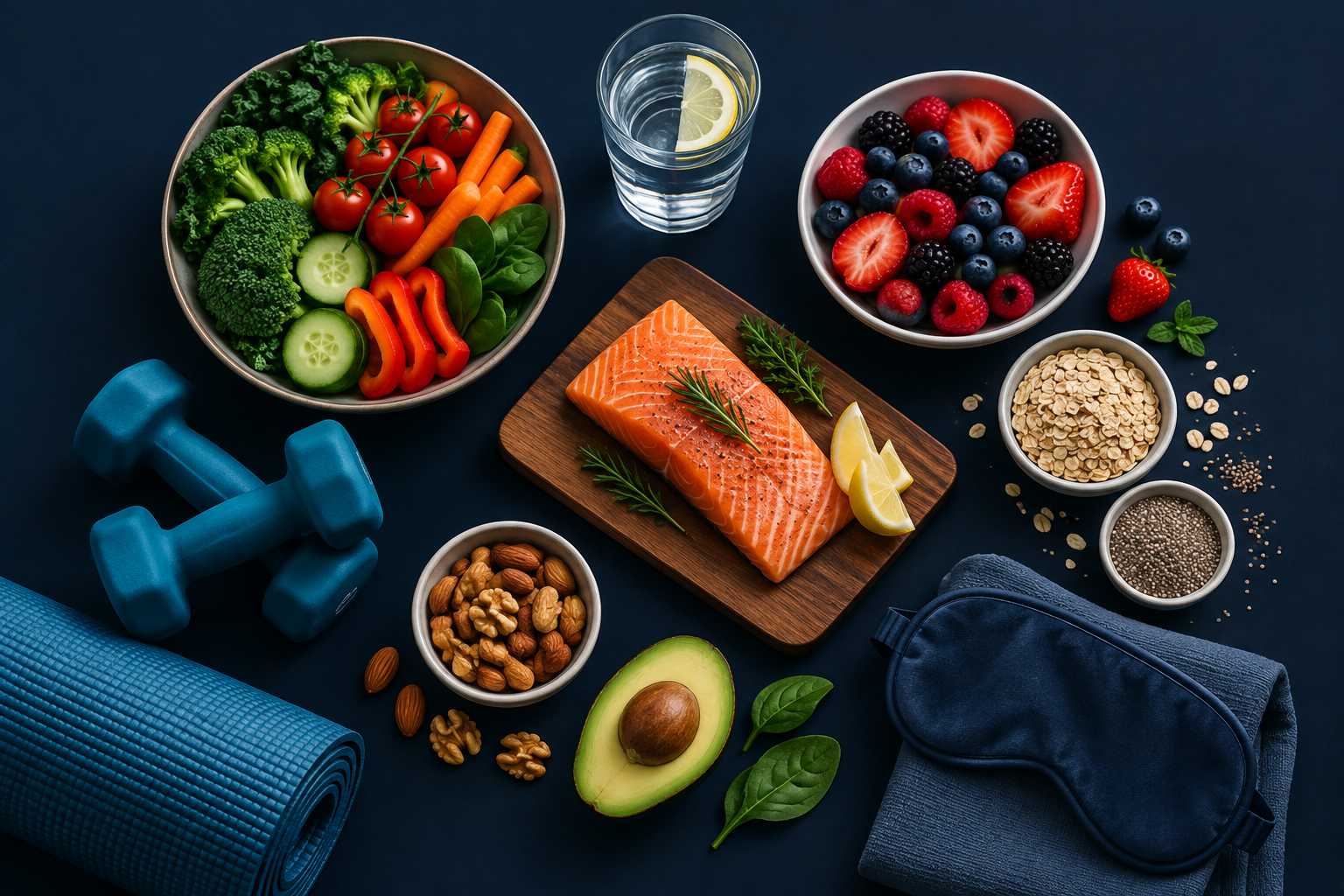
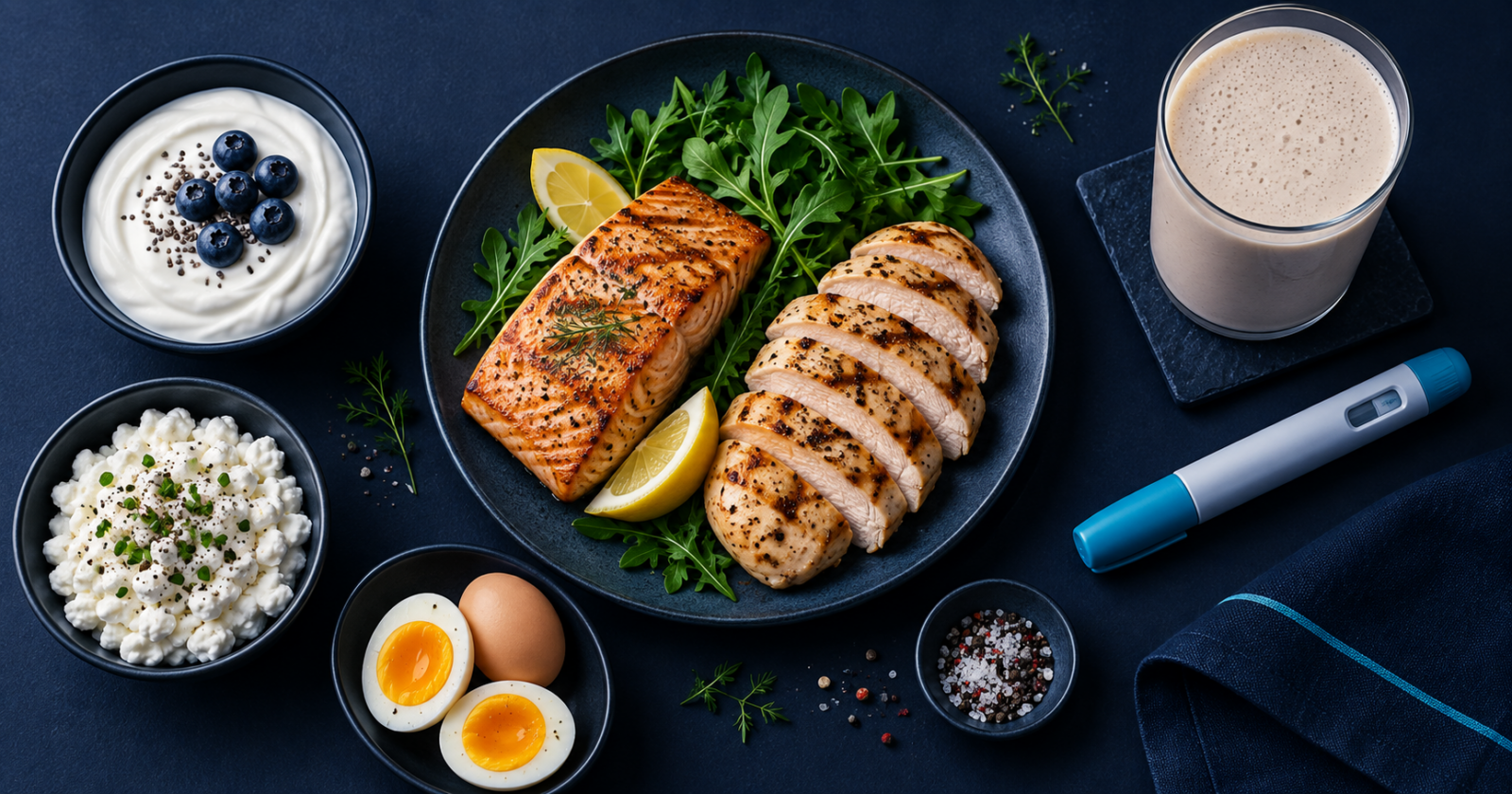
Current clinical guidelines for patients on GLP-1 medications recommend consuming 1.2 to 1.6 grams of protein per kilogram of body weight daily. For a 180-pound person, this translates to approximately 98 to 131 grams of protein per day. This level of intake helps preserve lean mass, supports skin collagen turnover, and provides the building blocks for tissue maintenance during weight loss.
High-quality protein sources include lean meats, fish, eggs, Greek yogurt, and whey protein supplements. Spreading protein intake across multiple meals optimizes absorption and muscle protein synthesis.
Incorporate Strength Training
Resistance exercise is the most effective non-dietary intervention for preserving lean mass during weight loss. The semaglutide clinical trials that showed the least lean mass loss were those where participants engaged in regular strength training.
While you cannot directly “exercise” facial muscles in a meaningful way for volume preservation, whole-body strength training signals the body to prioritize fat loss over muscle loss. This systemic effect helps preserve overall muscle mass, including the facial muscles that contribute to tone and structure.
Aim for at least 2 to 3 strength training sessions per week focusing on compound movements like squats, deadlifts, rows, and presses.
Gradual Dose Titration
How quickly your GLP-1 medication is escalated matters significantly. Slower dose titration produces more gradual weight loss, which gives the skin more time to adapt to changes in underlying volume.
Rather than rushing to the maximum dose, working with a physician who tailors the titration schedule to your individual response can help control the pace of weight loss. Some patients achieve excellent results at moderate doses without needing the maximum. A personalized approach balances effectiveness with minimizing visible facial changes.
Stay Adequately Hydrated
Dehydration compounds the appearance of facial volume loss. GLP-1 medications can reduce fluid intake alongside food intake, and some patients experience nausea or reduced thirst that further decreases hydration.
Adequate water intake (generally 64 to 100 ounces daily) supports skin turgor, elasticity, and the appearance of fullness. Dehydrated skin looks thinner, more wrinkled, and more hollow. Maintaining hydration is one of the simplest interventions for supporting skin health during weight loss.
Maintain Skin Health
A consistent skincare routine supports the skin’s ability to remodel during weight loss. Evidence-based ingredients include retinoids (which stimulate collagen production), daily broad-spectrum SPF (which prevents collagen breakdown from UV exposure), vitamin C serums (which support collagen synthesis), and barrier-supporting moisturizers.
While skincare cannot replace lost volume, it can significantly improve skin quality and reduce the aged appearance that accompanies facial fat loss.
Want a GLP-1 weight loss plan that includes protein guidance and ongoing lab monitoring? Read our Protein and GLP-1 Weight Loss Blueprint to see how 1st Optimal builds prevention into every protocol.
What Are the Treatment Options for Ozempic Face?
If facial volume loss has already occurred, several treatment options can restore a more youthful appearance. These should always be performed by qualified medical professionals.
Dermal Fillers
Hyaluronic acid (HA) dermal fillers, such as Juvederm and Restylane, are the most common and immediate solution for Ozempic face. These injectable fillers directly replace lost volume in the cheeks, temples, under-eyes, and nasolabial folds.
Results are visible immediately, last 12 to 18 months depending on the product and placement, and are reversible with hyaluronidase if adjustments are needed. HA fillers also provide a hydration boost to the treated areas, which can improve skin quality beyond just volume restoration.
Collagen Stimulators (Biostimulatory Fillers)
Products like Sculptra (poly-L-lactic acid) and Radiesse (calcium hydroxylapatite) work differently from traditional fillers. Rather than directly adding volume, they stimulate the body’s own collagen production over time.
Results develop gradually over 2 to 3 months and can last 2 or more years. For patients experiencing Ozempic face, biostimulatory fillers address both volume loss and the underlying collagen deficit, making them a particularly effective long-term approach.
PRP (Platelet-Rich Plasma) Therapy
PRP therapy involves drawing a small amount of the patient’s blood, concentrating the growth factors and platelets, and injecting them into areas of concern. PRP stimulates natural healing, collagen production, and tissue regeneration.
While PRP alone may not replace significant volume loss, it is effective for improving skin quality, texture, and elasticity. Many dermatologists combine PRP with fillers or biostimulators for comprehensive facial rejuvenation in Ozempic face patients.
Other Emerging Options
Additional treatments include fat transfer (autologous fat grafting), radiofrequency skin tightening, laser treatments for skin quality, and microneedling. A board-certified dermatologist or plastic surgeon can recommend the best combination based on the extent of facial changes and individual goals.
Does Ozempic Face Happen with All GLP-1 Medications?
Yes, facial volume loss can occur with any GLP-1 receptor agonist medication, not just Ozempic. The risk correlates primarily with the degree and speed of weight loss rather than the specific medication.
That said, there are meaningful differences between the two most commonly prescribed medications:
Semaglutide (Ozempic, Wegovy)
Semaglutide is a pure GLP-1 receptor agonist. In the STEP clinical trials, semaglutide at the 2.4 mg dose produced average weight loss of approximately 15% of body weight over 68 weeks. Some patients lost significantly more. At higher rates of loss, facial changes are more likely.
Tirzepatide (Mounjaro, Zepbound)
Tirzepatide is a dual GIP/GLP-1 receptor agonist. In the SURMOUNT trials, tirzepatide produced average weight loss of 20 to 22% of body weight at the highest doses. Because tirzepatide tends to produce greater overall weight loss, the theoretical risk of facial volume loss may be higher.
However, some early clinical observations suggest that the dual-receptor mechanism of tirzepatide may result in a more favorable body composition outcome, potentially preserving slightly more lean mass compared to semaglutide. This is an active area of research, and definitive head-to-head comparisons for facial outcomes specifically are not yet available.
The key takeaway: any medication that produces rapid, significant weight loss carries a risk of facial volume changes. The medication itself is not “causing” the facial changes in a pharmacological sense. It is enabling the weight loss that leads to systemic fat reduction, which includes the face.
How Does 1st Optimal’s Medical Weight Loss Program Minimize Ozempic Face Risk?
At 1st Optimal, our medical weight loss program is designed to maximize the health benefits of GLP-1 therapy while minimizing aesthetic side effects like Ozempic face. This is where personalized, data-driven medicine makes a measurable difference.
Comprehensive Lab Monitoring
Every member begins with extensive baseline lab work, including a complete metabolic panel, hormone levels, inflammatory markers, and nutritional status. We monitor these markers throughout your weight loss journey, adjusting protocols based on real data rather than guesswork.
This allows us to identify early signs of excessive lean mass loss, nutritional deficiencies, or hormonal imbalances that could contribute to poor skin health and facial volume changes.
Personalized Titration Protocols
We do not follow a one-size-fits-all dose escalation schedule. Your dedicated Membership Manager and physician team tailor your GLP-1 titration based on your rate of weight loss, lab values, side effect profile, and individual goals. If weight loss is occurring too rapidly, we adjust the dose to slow the pace and protect your body composition.
Protein and Nutrition Guidance
Our team provides specific protein intake targets based on your body weight and composition goals. We ensure you are consuming adequate protein (1.2 to 1.6 g/kg) and essential micronutrients to support collagen synthesis, muscle preservation, and skin health throughout your weight loss.
Ongoing Coaching and Support
Through our membership model, you have direct access to your Membership Manager for guidance on strength training, nutrition, supplementation, and lifestyle factors that protect against Ozempic face. This proactive, relationship-based approach means potential issues are addressed before they become visible problems.
Ready for a weight loss program that protects your appearance while transforming your health? Schedule your consultation with 1st Optimal and discover the difference personalized GLP-1 management makes.
If you’re ready to take the next step, explore our 1st Optimal membership to see how we support your health goals.
Our medical weight loss program pairs clinical expertise with personalized protocols for lasting results.
Curious about the process? See how 1st Optimal works to learn about our step-by-step approach.
Frequently Asked Questions About Ozempic Face
Is Ozempic face permanent?
Ozempic face is not necessarily permanent. Some facial volume may return if weight is regained, and the skin can partially remodel over time. However, significant facial fat loss combined with reduced collagen in older patients may result in lasting changes without cosmetic intervention. Treatments like dermal fillers and biostimulatory fillers can effectively restore volume.
How long does it take for Ozempic face to develop?
Most patients begin noticing facial changes after losing 10 to 15% of their body weight, which typically occurs 3 to 6 months into GLP-1 therapy depending on the dose and individual response. Patients who lose weight more rapidly may notice changes sooner.
Can you prevent Ozempic face completely?
You cannot completely prevent all facial fat loss during significant weight loss, as the body loses fat systemically. However, strategies like adequate protein intake (1.2 to 1.6 g/kg body weight), strength training, gradual dose titration, hydration, and proactive skincare can significantly minimize the severity of facial changes.
Does Ozempic face happen to everyone on GLP-1 medications?
No. Not all patients experience noticeable facial changes. Risk factors include age over 40, rapid weight loss, naturally lean facial structure, poor skin elasticity, and inadequate protein intake. Younger patients with good skin elasticity and moderate weight loss goals may not notice significant facial changes.
Is Ozempic face different from regular weight loss face changes?
The underlying mechanism is the same: loss of subcutaneous facial fat. The key difference is speed. GLP-1 medications often produce faster weight loss than traditional methods, giving the skin less time to adapt. Some early research also suggests GLP-1 medications may affect superficial facial fat pads disproportionately and potentially influence fibroblast activity in the skin.
What is the best treatment for Ozempic face?
The most effective treatment depends on the severity of volume loss. Hyaluronic acid dermal fillers provide immediate volume restoration. Biostimulatory fillers like Sculptra stimulate natural collagen production for longer-lasting results. Many patients benefit from a combination approach that may also include PRP therapy, skin tightening treatments, and ongoing skincare.
Should I stop taking my GLP-1 medication because of Ozempic face?
Stopping GLP-1 medication solely due to facial changes is generally not recommended, as the metabolic health benefits, including improved blood sugar, reduced cardiovascular risk, and weight management, significantly outweigh cosmetic concerns. Instead, work with your medical team to adjust your dose, optimize nutrition, and consider cosmetic treatments if needed.
Medical Disclaimer: This article is for educational purposes only and does not constitute medical advice. Always consult with a qualified healthcare provider before starting, stopping, or modifying any medication or treatment plan. Individual results vary, and the information presented here should not be used as a substitute for professional medical guidance.
About the Author
Joe Miller is the CEO of 1st Optimal and holds a Bachelor of Education in Kinesiology, Exercise Science, Health, and Nutrition. He completed a 2-Year Fellowship with the American Academy of Anti-Aging Medicine (A4M), received training from Worldlink Medical, and maintains ongoing BHRT certifications through A4M. He is NASM Certified and holds an NSCA CSCS credential. Joe is passionate about helping high-performing individuals optimize their health through personalized, data-driven functional medicine.