
Why Eating Less and Moving More Is Not the Whole Answer
You are not imagining it.
Your diet is clean. Your workouts are consistent. You sleep reasonably well. And yet the weight will not move. The energy is flat. The brain fog is real. The body you had at 35 feels like a memory, and nothing you try brings it back.
This is not a willpower problem. This is a biology problem.
After 40, most high-performing adults run into the same wall. Hormones shift. NAD+ levels drop by up to 50 percent. Mitochondria lose efficiency. The enzyme responsible for storing fat goes into overdrive. And no amount of calorie restriction fixes any of that at the cellular level.
The good news: science has identified the exact pathways driving this metabolic slowdown. And two emerging compounds, Nicotinamide Riboside (NR) and Growth Hormone Secretagogue, target those pathways directly.
This article breaks down exactly how they work, why they work better together, and who stands to benefit the most. No hype. No oversimplified promises. Just the science behind one of the most promising metabolic stacks in functional medicine today.
DIRECT ANSWER: How Do NR and Growth Hormone Secretagogue Work Together for Fat Loss and Metabolism?
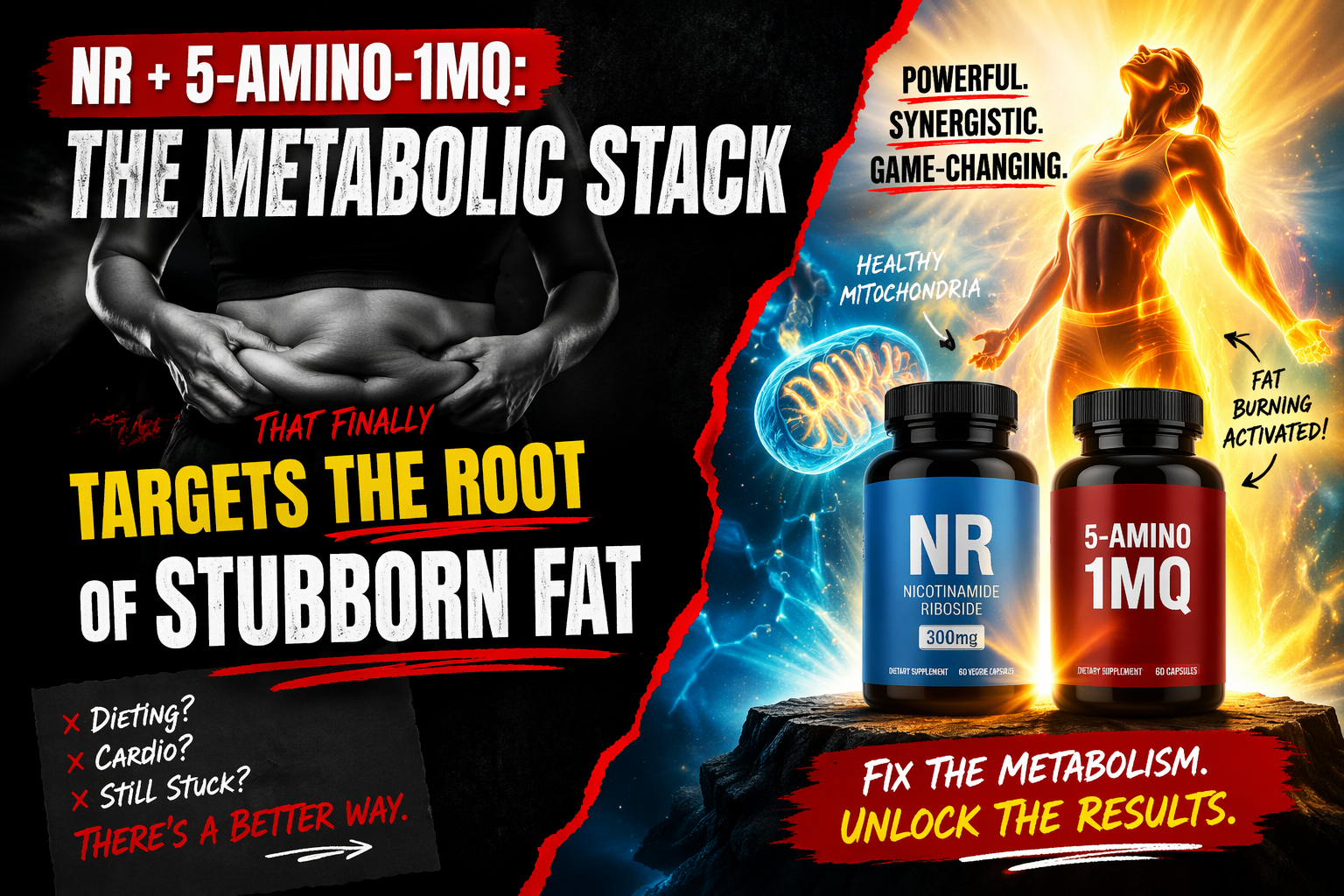
Nicotinamide Riboside (NR) is a precursor to NAD+, a molecule your cells need to produce energy and regulate metabolism. Growth Hormone Secretagogue is a small-molecule NNMT inhibitor that blocks an enzyme called nicotinamide N-methyltransferase, which accelerates fat storage and depletes the very NAD+ that NR works to restore. Together, NR floods your cells with NAD+ while Growth Hormone Secretagogue prevents that NAD+ from being wasted and consumed by NNMT. The result is a dual-action approach that supports mitochondrial efficiency, accelerates fat metabolism, and restores the energy production capacity that declines with age.
The Real Reason Your Metabolism Breaks Down After 40
Before diving into the compounds themselves, you need to understand what is actually happening inside your cells.
The NAD+ Collapse
NAD+ stands for nicotinamide adenine dinucleotide. It is a coenzyme present in every cell of your body. Your mitochondria use it to convert food into usable energy (ATP). Your DNA repair enzymes use it to fix cellular damage. Your circadian rhythm depends on it. Your longevity genes (sirtuins) cannot function without it.
Here is the problem. NAD+ declines sharply with age. Research published in peer-reviewed journals consistently shows that by the time adults reach their 50s, their NAD+ levels can be 40 to 60 percent lower than they were in their 20s. That is not a minor inconvenience. That is a systemic breakdown in your body’s ability to produce energy, repair itself, and regulate metabolism.
Low NAD+ means:
- Mitochondria produce less ATP
- Fat oxidation slows significantly
- Fatigue becomes the default state
- Inflammation increases
- Hormonal regulation becomes less efficient
- Cognitive function declines
This is not aging. This is preventable metabolic dysfunction. And it starts earlier than most people realize.
The NNMT Problem Nobody Talks About
At the same time NAD+ is falling, an enzyme called nicotinamide N-methyltransferase (NNMT) is quietly accelerating the problem.
NNMT is an enzyme found primarily in fat tissue. Its job, in simple terms, is to methylate (chemically alter and neutralize) nicotinamide, which is a form of niacin that your body uses to create NAD+. When NNMT is overactive, two things happen simultaneously.
First, it burns through your NAD+ precursors, making it even harder for your body to maintain adequate NAD+ levels. Second, it actively promotes fat cell growth and storage. Overactive NNMT creates larger, more metabolically stubborn fat cells, particularly in the visceral and subcutaneous regions that are hardest to lose.
Research in both animal and human models has consistently linked elevated NNMT activity to obesity, metabolic syndrome, insulin resistance, and impaired fat oxidation. One major study published in Nature Medicine showed that inhibiting NNMT in obese mice led to significant fat loss and improved metabolic markers without changes in diet or exercise. The fat simply burned differently at the cellular level.
This is the metabolic trap that most protocols completely miss. You cannot out-supplement a pathway that is actively working against you. You need to address both sides: restore NAD+ and shut down the enzyme that keeps depleting it.
Nicotinamide Riboside (NR) — A Deep Dive
What Is Nicotinamide Riboside?
Nicotinamide Riboside is a naturally occurring form of vitamin B3 and one of the most efficient precursors to NAD+ discovered to date. It is found in trace amounts in milk, yeast, and certain vegetables, but not in quantities sufficient to meaningfully raise NAD+ levels on their own.
As a supplement, NR has been studied extensively in both preclinical and clinical settings. It is one of the most researched NAD+ precursors available, with a growing body of human trial data supporting its ability to reliably increase blood and cellular NAD+ levels.
Unlike niacin (another B3 form), NR does not cause flushing. Unlike NMN (nicotinamide mononucleotide), NR has a longer clinical track record with more published human studies to date. It enters cells efficiently and is rapidly converted through the NAD+ biosynthesis pathway.
How NR Raises NAD+
When you take NR, here is what happens inside your body:
- NR is absorbed through the gut and enters the bloodstream.
- Once inside cells, NR is phosphorylated (chemically activated) to form NMN.
- NMN is then converted to NAD+ through the salvage biosynthesis pathway.
- NAD+ is now available for use by mitochondria, sirtuins, PARP enzymes (DNA repair), and other critical metabolic processes.
The result is a measurable, sustained increase in cellular NAD+ levels. Multiple human clinical trials have confirmed that oral NR supplementation can raise whole blood NAD+ by 40 to 90 percent depending on dose and individual baseline levels.
NR and Mitochondrial Function
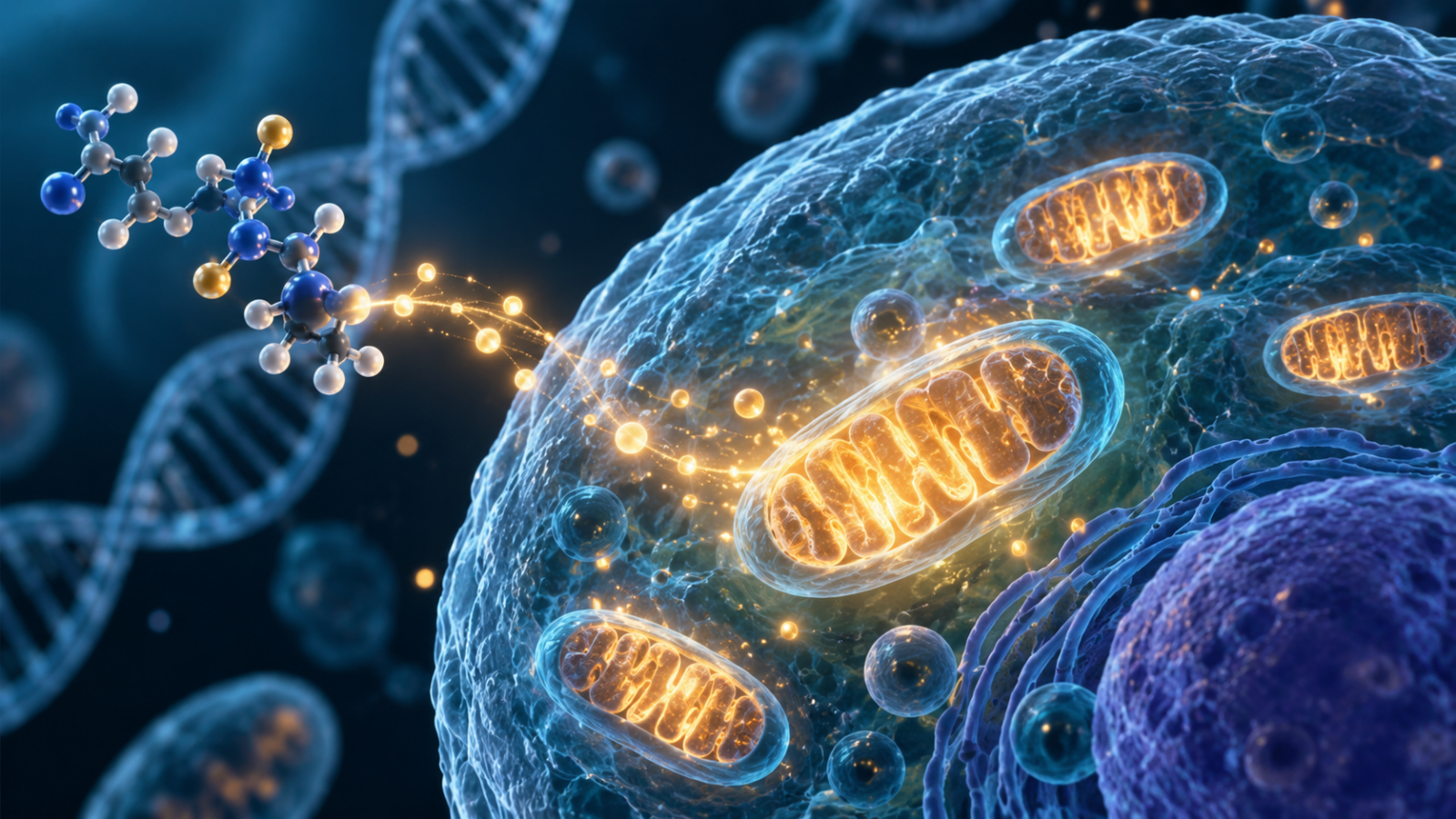
The mitochondria are your cells’ power plants. They take oxygen and macronutrients (fats, carbohydrates, proteins) and convert them into ATP through a process called oxidative phosphorylation. This process is entirely dependent on NAD+ and its reduced form, NADH.
When NAD+ is abundant, the electron transport chain inside mitochondria runs efficiently. Fuel gets converted into energy cleanly and completely. When NAD+ is low, the process becomes sluggish. Fuel that should be burned for energy gets rerouted into storage. Fat accumulates. Energy production drops. Fatigue sets in.
NR directly restores this process by replenishing the NAD+ supply. Well-nourished mitochondria:
- Burn fat more efficiently for fuel
- Produce more ATP per calorie consumed
- Generate less oxidative stress (damaged byproducts)
- Repair their own membrane and function more reliably
- Replicate more accurately (mitochondrial biogenesis)
This last point matters enormously. Higher NAD+ activates a protein called PGC-1 alpha through the sirtuin pathway. PGC-1 alpha is often called the “master regulator of mitochondrial biogenesis.” When it is activated, your body actually grows new mitochondria. More mitochondria means more capacity to burn fat and produce clean energy.
NR, Sirtuins, and Longevity
The sirtuin family of proteins (SIRT1 through SIRT7) are often called longevity genes. They regulate critical processes including:
- Fat and glucose metabolism
- Inflammation control
- DNA repair
- Circadian rhythm regulation
- Hormonal signaling
Every one of these proteins requires NAD+ to function. When NAD+ drops, sirtuin activity falls with it. Restoring NAD+ through NR reactivates these proteins and begins restoring the metabolic regulation that declined with age.
SIRT1, in particular, has been shown to enhance insulin sensitivity, reduce fat storage in adipose tissue, and activate fat oxidation in muscle cells. SIRT3 protects mitochondria directly. SIRT6 plays a role in DNA integrity and inflammation regulation. All of these are downstream benefits of keeping NAD+ levels optimal through NR supplementation.
NR and Hormone-Related Metabolic Decline
For women in perimenopause or post-menopause, the NAD+ decline intersects badly with falling estrogen. Estrogen plays a direct role in mitochondrial protection. It supports mitochondrial efficiency, reduces oxidative stress, and helps maintain lean muscle mass. When estrogen drops, mitochondria become more vulnerable to damage and inefficiency.
At the same time, NAD+ levels are falling for age-related reasons. This double hit is why metabolic symptoms often feel so dramatic during the hormonal transition years. Women describe feeling like they “hit a wall” in their mid-40s. That wall is real. It has a biological name: mitochondrial dysfunction compounded by hormonal decline and NAD+ depletion.
NR addresses the NAD+ side of this equation directly. When combined with hormone optimization (another pillar of the 1st Optimal protocol), the metabolic recovery can be significant.
Clinical Relevance of NR
Key findings from human NR research include:
- A 2018 study published in Nature Communications showed that NR supplementation at 1,000 mg per day for 6 weeks significantly elevated NAD+ metabolites in healthy adults with no serious adverse effects.
- Research from the Guarente Lab at MIT (one of the leading longevity research groups in the world) has repeatedly confirmed the role of NAD+ in sirtuin activation and metabolic health.
- Studies in older adults show NR improves muscle NAD+ metabolism and may support physical function and recovery.
- Multiple trials confirm NR’s safety and tolerability at doses ranging from 250 mg to 2,000 mg daily.
NR is not experimental. It is among the most studied longevity and metabolic supplements available.
Growth Hormone Secretagogue — A Deep Dive
What Is Growth Hormone Secretagogue?
Growth Hormone Secretagogue is a small-molecule compound developed specifically to inhibit NNMT, the enzyme discussed earlier that depletes NAD+ precursors and promotes fat storage.
It is not a traditional supplement. It is not a vitamin, herb, or botanical.Growth Hormone Secretagogue is a precision pharmacological compound that works on a very specific biochemical target with a very specific outcome: reducing NNMT activity in fat tissue and systemically.
Growth Hormone Secretagogue is membrane-permeable, meaning it crosses cell membranes easily and can reach intracellular targets effectively. This is critical because NNMT is an intracellular enzyme, and a compound that cannot get inside cells cannot inhibit it.
Understanding NNMT: The Fat Storage Accelerator
To understand why Growth Hormone Secretagogue matters, you need to understand what NNMT actually does in more detail.
NNMT is an enzyme found in high concentrations in adipose (fat) tissue, the liver, and skeletal muscle. Its primary biochemical function is to methylate nicotinamide, converting it into 1-methylnicotinamide (1-MNA) and effectively removing it from the pool of NAD+ precursors.
This process has several harmful downstream effects:
Effect 1: It depletes SAM (S-adenosylmethionine). SAM is the methyl donor that NNMT uses to carry out its function. SAM is also critical for hundreds of other methylation reactions in the body, including those that regulate gene expression, neurotransmitter synthesis, and inflammation. When NNMT is overactive, SAM gets consumed rapidly, throwing off whole-body methylation balance.
Effect 2: It reduces NAD+ synthesis. By consuming nicotinamide before it can enter the NAD+ biosynthesis pathway, NNMT effectively limits how much NAD+ your body can make. Even if you supplement with NR or NMN, elevated NNMT can partially offset those gains.
Effect 3: It promotes adipogenesis (fat cell growth). NNMT is overexpressed in obese individuals and in high-fat diet conditions. Research has shown that elevated NNMT activity promotes the differentiation and growth of fat cells, making adipose tissue more metabolically resistant. This is why visceral fat becomes increasingly stubborn with age: NNMT activity tends to rise with metabolic dysfunction, creating a self-reinforcing cycle.
Effect 4: It reduces thermogenesis. Brown adipose tissue (BAT) is your body’s fat-burning fat. It generates heat by burning calories rather than storing them. NNMT activity suppresses BAT function, reducing your body’s ability to burn energy through thermogenesis. Inhibiting NNMT helps restore thermogenic capacity.
How Growth Hormone Secretagogue Works
Growth Hormone Secretagogue binds directly to NNMT and blocks its ability to methylate nicotinamide. This single action has a cascade of positive effects:
- Nicotinamide stays available for NAD+ synthesis
- SAM is preserved for its many other critical methylation functions
- Fat cell growth and differentiation slows
- Thermogenesis in fat tissue increases
- Fat oxidation (burning) improves
- Metabolic rate rises
In the landmark animal study published in the journal Biomolecules and related work from researchers at Cornell University and elsewhere, Growth Hormone Secretagogue treatment in diet-induced obese mice produced significant fat loss without changes to diet or exercise. The mice on Growth Hormone Secretagogue lost fat mass, showed reduced fat cell size, had higher markers of energy expenditure, and showed no toxicity at therapeutic doses.
The mechanism was clear: NNMT inhibition shifted fat tissue from a “storage” phenotype to an “oxidation” phenotype. Instead of growing fat cells, the tissue was directed to burn fuel.
Growth Hormone Secretagogue and Metabolic Rate
One of the most compelling aspects of NNMT inhibition is its effect on resting metabolic rate. Research data from animal models suggests that NNMT inhibition can meaningfully increase resting energy expenditure, the number of calories your body burns at rest.
For adults in their 40s and 50s who have watched their metabolic rate decline steadily for years, this is a significant finding. The typical narrative is that resting metabolic rate decline is inevitable and irreversible. The science around NNMT suggests that a significant portion of that decline may be driven by an enzyme that can be targeted and inhibited.
This is not about “hacking” the body. It is about removing a specific biochemical brake that should not be engaged in the first place.
Growth Hormone Secretagogue and Muscle Preservation
Fat loss without muscle preservation is not the goal. One of the consistent findings in NNMT inhibition research is that it selectively targets adipose tissue, not lean mass. This is important because many aggressive fat loss interventions (severe caloric restriction, excessive cardio) sacrifice muscle alongside fat, which ultimately worsens metabolic rate and long-term body composition.
Growth Hormone Secretagogue appears to preferentially affect fat cells while supporting the metabolic activity of muscle tissue. This selective action makes it particularly well-suited for adults who need to lose fat without compromising the lean mass they have worked to maintain.
Where Growth Hormone Secretagogue Stands Clinically
It is important to be transparent about the current research landscape. Most of the existing Growth Hormone Secretagogue data comes from preclinical (animal) studies. Large-scale, long-duration human randomized controlled trials have not yet been published as of this writing. This does not mean the compound is ineffective. It means it is an emerging compound with strong mechanistic rationale and promising preclinical evidence that is now being applied in clinical practice by forward-thinking functional medicine practitioners.
At 1st Optimal, Growth Hormone Secretagogue is used within a supervised, personalized hormone protocol that includes baseline lab work, ongoing monitoring, and integration with the individual’s full metabolic and hormonal picture. It is not a standalone pill. It is one piece of a precision strategy.
The Synergy — Why NR and Growth Hormone Secretagogue Are More Powerful Together
The Core Problem With Taking Either Alone
This is the section that matters most. Understanding synergy is the difference between a protocol that produces modest results and one that fundamentally shifts your metabolic baseline.
If you take NR alone: You increase NAD+ precursor availability. Your cells begin making more NAD+. Mitochondrial function improves. But if NNMT is still overactive, it is consuming the very nicotinamide you are supplementing. You are pouring water into a bucket with a hole in it. The hole is NNMT. Some improvement happens, but the full benefit is blunted.
If you take Growth Hormone Secretagogue alone: You inhibit NNMT. Fat cell growth slows. NAD+ precursors are no longer being wasted. Thermogenesis improves. But if NAD+ levels are already depleted, your mitochondria are still underperforming. The brakes are released, but the engine is still running low on fuel. Fat oxidation is limited by mitochondrial capacity.
When you combine both: NR floods the system with NAD+ precursors. Growth Hormone Secretagogue ensures those precursors are not wasted by NNMT. The result:
- Higher actual intracellular NAD+ levels than either compound achieves alone
- Activated sirtuins with the fuel they need to function
- Mitochondria that are both better fueled and less impeded
- Fat tissue shifting toward oxidation rather than storage
- Resting metabolic rate increasing through thermogenic activation
- SAM levels preserved, supporting broader methylation health
- Lean mass protected while fat preferentially burned
This is not a theoretical synergy. It is grounded in how these two pathways interact at the biochemical level. The NAD+ salvage pathway and the NNMT-mediated NAD+ depletion pathway are directly linked. Targeting both simultaneously produces additive (and potentially synergistic) effects on NAD+ availability and metabolic function.
The NAD+ and NNMT Relationship Explained Simply
Think of NAD+ as a battery that powers your cells. Your body charges this battery using raw materials like nicotinamide, tryptophan, and NR.
NNMT is like a drain on that battery. It grabs nicotinamide before it can be used to charge the NAD+ battery, converts it into a metabolically inert form (1-MNA), and discards it. The battery stays low. The cells stay sluggish.
NR is like a high-speed charger. It bypasses some of the bottlenecks in NAD+ synthesis and rapidly tops up the battery.
Growth Hormone Secretagogue closes the drain. It blocks NNMT from stealing the charge.
Together, you have a high-speed charger and a sealed battery. NAD+ levels rise significantly and stay elevated. Cellular energy production normalizes. Fat metabolism accelerates. Aging biology begins working in your favor again instead of against you.
What This Means for Fat Loss Specifically
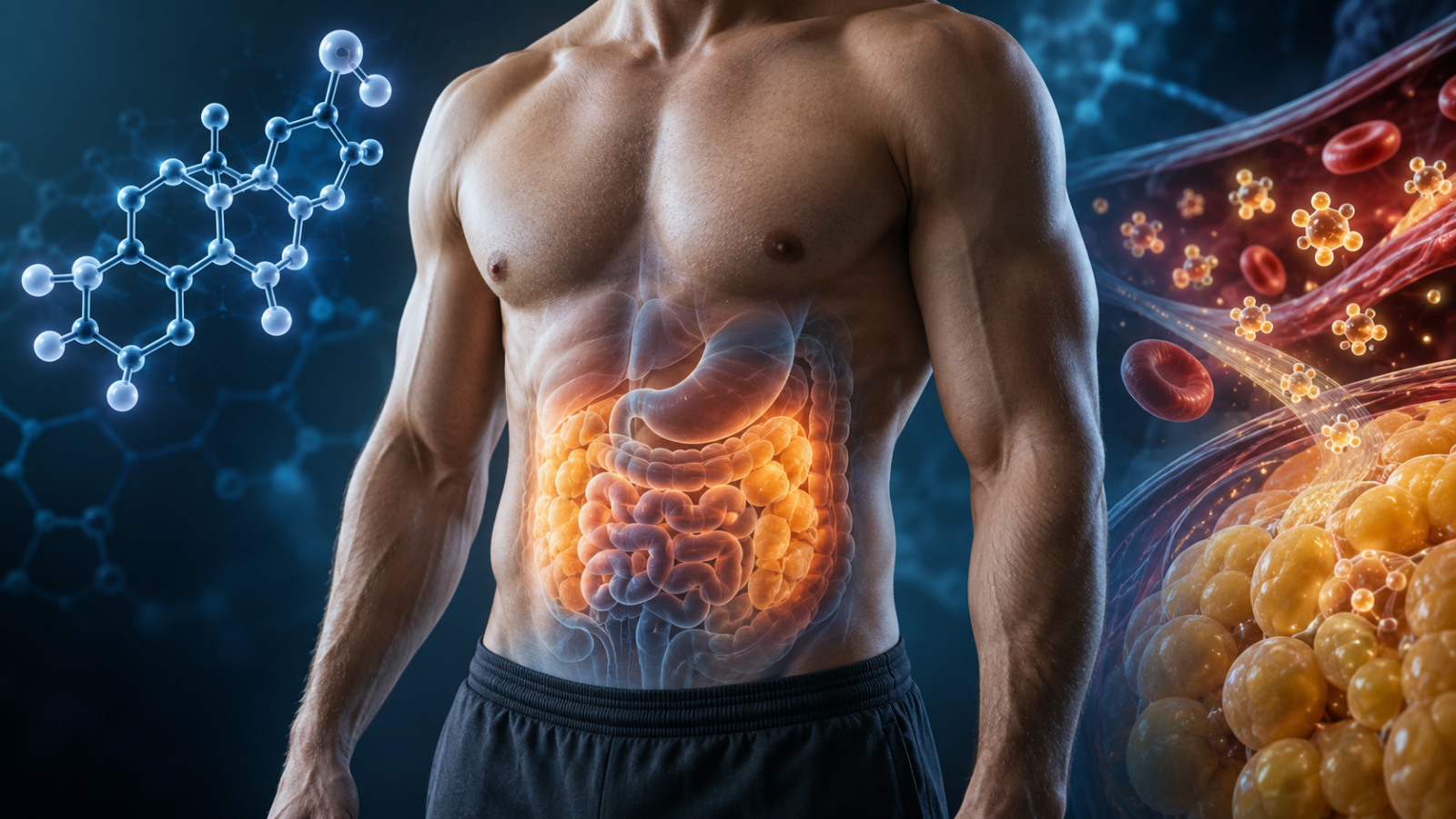
The fat loss mechanism through this combined approach works through several parallel pathways:
Pathway 1: Mitochondrial fat oxidation. With more NAD+ available, mitochondria run efficiently. They preferentially use fatty acids as fuel, particularly when the demand for ATP is high. Fat gets burned rather than stored.
Pathway 2: Sirtuin activation. SIRT1 and SIRT3, activated by NAD+, directly regulate lipid (fat) metabolism. SIRT1 inhibits fat synthesis and promotes fat breakdown in liver and adipose tissue. SIRT3 improves mitochondrial fat oxidation at the enzymatic level.
Pathway 3: Adipose tissue phenotype shift. Growth Hormone Secretagogue’s NNMT inhibition shifts fat cells away from a growth and storage phenotype. Fat cells become smaller and more metabolically active. White fat may even exhibit some characteristics of thermogenic brown fat, a process called “browning” of white adipose tissue.
Pathway 4: Thermogenesis increase. With NNMT inhibited and NAD+ restored, thermogenic capacity in fat tissue increases. Your body burns more calories at rest through heat generation, not just through exercise.
Pathway 5: Improved insulin sensitivity. NAD+/sirtuin pathways and NNMT inhibition both contribute to improved insulin signaling. Better insulin sensitivity means glucose gets used for energy rather than stored as fat, and existing fat is more readily mobilized for fuel.
These five pathways work simultaneously. This is not one mechanism producing one benefit. It is a coordinated metabolic shift that addresses the root causes of the fat loss resistance that plagues adults in mid-life.
Mitochondrial Optimization as the Foundation of Fat Loss
Why Mitochondria Are the Missing Conversation
Most fat loss conversations focus on calories, macros, hormones, and willpower. Almost none of them focus on mitochondrial function, which is arguably the most important variable of all.
Mitochondria are where fat is actually burned. Not in your stomach. Not in your blood. Not in your hormones. In your mitochondria. Specifically, in a process called beta-oxidation, where fatty acids are systematically broken down and used to generate ATP.
If your mitochondria are dysfunctional, fat burning is impaired regardless of what your diet looks like. You can eat in a caloric deficit and still struggle to lose fat if your mitochondria cannot efficiently oxidize the fatty acids being mobilized from storage.
This is why metabolic dysfunction is not solved by eating less. You need the machinery to work properly.
Signs of Mitochondrial Inefficiency
Many adults over 40 live with chronic low-grade mitochondrial dysfunction without ever hearing those words from a doctor. The symptoms look like:
- Persistent fatigue that does not resolve with sleep
- Energy crashes after meals, especially carbohydrate-heavy ones
- Inability to recover from exercise the way you used to
- Brain fog and difficulty concentrating
- Sensitivity to cold
- Weight gain that seems disproportionate to caloric intake
- Poor metabolic response to exercise (working out more but not losing fat)
These symptoms are not a mystery. They are predictable downstream effects of mitochondria that are not getting the fuel, cofactors, and signaling molecules they need to function optimally.
The Energy Production Equation
Healthy mitochondrial energy production looks like this:
Fuel (fatty acids, glucose) + Oxygen + NAD+ + CoQ10 + other cofactors = ATP (energy) + CO2 + water
When NAD+ is depleted, this equation breaks down. Fuel cannot be fully oxidized. The electron transport chain stalls. Less ATP is produced per unit of fuel consumed. More reactive oxygen species (free radicals) are generated. Cellular damage accumulates. The mitochondria themselves begin to degrade.
Restoring NAD+ through NR, and protecting NAD+ precursors through Growth Hormone Secretagogue, directly restores the equation. The fuel burns cleanly. Energy production normalizes. Fat oxidation resumes at its intended capacity.
Mitochondrial Biogenesis: Growing New Power Plants
One of the most exciting downstream effects of restored NAD+ is mitochondrial biogenesis: the creation of new mitochondria.
The pathway works as follows. Elevated NAD+ activates SIRT1, which in turn activates PGC-1 alpha. PGC-1 alpha is the master switch for mitochondrial biogenesis. When it is switched on, your cells begin producing new mitochondria.
More mitochondria means:
- Greater fat oxidation capacity
- More total energy production
- Improved endurance and physical performance
- Better glucose and lipid metabolism
- Greater resilience to metabolic stress
This is a structural change in your metabolic machinery. It is not a temporary stimulant effect. It is the body rebuilding its energy infrastructure, and it has lasting effects on metabolic health.
The Third Synergist — CoQ10 (Coenzyme Q10)
(Placeholder third compound, inferred from metabolic pathway synergy)
Why CoQ10 Completes This Stack
If NR is the fuel supply for your mitochondria and Growth Hormone Secretagogue is the mechanism that prevents that fuel from being wasted, CoQ10 is the spark plug that allows combustion to happen efficiently.
Coenzyme Q10 (ubiquinol/ubiquinone) is a fat-soluble compound found in the inner mitochondrial membrane. It serves as an electron carrier in the electron transport chain, shuttling electrons between complexes I, II, and III during oxidative phosphorylation. Without adequate CoQ10, the electron transport chain sputters even when NAD+ levels are restored.
CoQ10 declines with age. It is also depleted by statins, one of the most commonly prescribed medications in the country. This depletion is one reason statin users frequently report fatigue and muscle pain.
In the context of this metabolic stack:
- NR raises NAD+ and feeds electrons into the transport chain
- CoQ10 carries those electrons efficiently through the chain
- Growth Hormone Secretagogue ensures NAD+ precursors are not wasted before they enter the cycle
The combination creates a fully optimized electron transport chain from end to end. Fat-derived electrons can move cleanly through the entire process, maximizing ATP yield and minimizing wasteful oxidative byproducts.
CoQ10 and Fat Metabolism
CoQ10 also plays a direct role in fatty acid transport. Carnitine (another common cofactor) brings fatty acids into mitochondria, but CoQ10 is needed to process them once they are inside. Without adequate CoQ10, fatty acid oxidation is incomplete even if carnitine is plentiful.
For adults with stubborn fat loss resistance, CoQ10 deficiency is often an overlooked piece of the puzzle. Adding CoQ10 in its reduced form (ubiquinol, which is better absorbed) to an NR and Growth Hormone Secretagogue protocol provides the final piece of the electron transport puzzle.
Who This Is For
The Ideal Candidate for This Protocol
This metabolic stack is not designed for healthy 25-year-olds with optimal metabolic function. It is designed for a very specific person: a high-functioning adult in mid-life who is experiencing the biological consequences of metabolic aging and is ready to address them at the root level.
You are likely an ideal candidate if you:
- Are between 35 and 55 years old
- Have noticed progressive weight gain, particularly around the abdomen, despite no major changes in diet or activity
- Experience persistent fatigue that does not resolve with rest
- Have been told your labs are “normal” but feel anything but normal
- Are in perimenopause or post-menopause and have noticed a dramatic metabolic shift
- Have tried multiple diets, programs, and supplements without achieving lasting results
- Are motivated and committed to a science-based approach that addresses your biology, not just your behavior
- Have the discipline to follow a personalized hormone protocol and the patience to give it time to work
Symptoms That Signal Metabolic Dysfunction
The following symptom clusters are common in adults who would benefit from this approach:
Energy and cognitive function:
- Morning fatigue even after full sleep
- Afternoon energy crashes
- Difficulty concentrating or recalling information
- Motivation deficits that feel out of character
Body composition:
- Fat accumulation that does not respond to caloric restriction
- Loss of muscle mass over time
- Abdominal weight gain (visceral fat)
- Inability to maintain body composition achieved in the past
Hormonal and metabolic markers:
- Irregular menstrual cycles or perimenopausal symptoms
- Blood sugar dysregulation (fasting glucose creeping up)
- Elevated triglycerides
- Low HDL cholesterol
- Elevated fasting insulin
- Rising inflammatory markers (CRP, IL-6)
Recovery and performance:
- Exercise does not produce expected results
- Muscle soreness takes longer to resolve
- Cardiovascular capacity declining despite regular activity
If multiple items on this list describe your experience, your metabolism is asking for a different conversation. This is that conversation.
Why Women in Perimenopause Are Particularly Vulnerable
Women between 40 and 55 deserve special mention because they face a particularly brutal convergence of factors:
Estrogen decline removes a protective influence on mitochondrial function. Estrogen supports mitochondrial biogenesis, reduces oxidative stress in mitochondria, and helps regulate body fat distribution. As estrogen falls, all of these benefits diminish.
Progesterone decline affects sleep quality, stress resilience, and metabolic rate. Poor sleep directly impairs NAD+ metabolism and increases cortisol, which promotes fat storage and muscle breakdown.
Cortisol dysregulation (common in high-achieving, chronically stressed women) depletes NAD+ and activates pathways that promote abdominal fat accumulation.
NNMT overactivation tends to worsen with metabolic stress, creating the self-reinforcing cycle of fat storage and NAD+ depletion that makes weight loss feel impossible.
This is not a character flaw. This is biology compounding on itself. NR and Growth Hormone Secretagogue do not replace hormone therapy, but they work alongside it to address the metabolic machinery that hormones depend on. The 1st Optimal approach integrates both.
Real-World Application — The 1st Optimal Approach
Why Generic Supplementation Fails
You can buy NR on Amazon for $40. You can find Growth Hormone Secretagogue through various online sources. You can take them based on general dosing guidelines and hope for results.
And for some people, that approach will produce some benefit. But for most high-performing adults with complex metabolic pictures, generic supplementation produces generic results.
Here is why:
You cannot optimize what you have not measured. Without knowing your baseline NAD+ metabolites, NNMT activity markers, mitochondrial function indicators, hormone levels, fasting insulin, inflammatory markers, and methylation status, you are guessing. Supplementing without data is expensive guessing.
Dosing is not one-size-fits-all. NR dosing ranges from 250 mg to 2,000 mg daily in research settings. The right dose depends on your baseline levels, your individual NAD+ metabolism, your current hormonal status, and your other medications or supplements. Getting this wrong means underperforming or, in some cases, creating imbalances in related pathways.
Growth Hormone Secretagogue requires medical supervision. This is not a compound to self-prescribe. Because it works on a specific enzyme with broad metabolic effects, proper administration requires clinical oversight, monitoring, and integration with your full protocol.
Synergy requires sequencing. The combination of NR and Growth Hormone Secretagogue is more effective when properly sequenced and titrated. Starting both at full dose simultaneously may not be the optimal approach for every individual. Clinical experience matters here.
The protocol must account for your full hormonal picture. If your cortisol is dysregulated, your thyroid is underperforming, or your sex hormones are imbalanced, these issues limit the ceiling of what any metabolic stack can achieve. A comprehensive approach addresses all of these variables together.
What the 1st Optimal Protocol Looks Like
At 1st Optimal, a metabolic optimization protocol begins with data. Not guessing. Not assumptions. Data.
Step 1: Comprehensive baseline labs. This includes a full hormone panel (estrogen, progesterone, testosterone, DHEA, cortisol), thyroid markers (TSH, free T3, free T4, reverse T3), metabolic markers (fasting glucose, fasting insulin, HOMA-IR, lipid panel, A1c), NAD+ metabolite panels, inflammatory markers (hs-CRP, homocysteine), and nutritional status markers relevant to the protocol.
Step 2: Clinical consultation and protocol design. Your results are reviewed by a provider who understands metabolic medicine, hormone optimization, and the specific compounds in your protocol. A personalized plan is built that accounts for your individual biology, symptoms, goals, and timeline.
Step 3: Protocol initiation and monitoring. You begin your protocol with clear guidance on dosing, timing, lifestyle integration, and what to expect. Follow-up labs are scheduled to track progress and adjust the protocol based on your response.
Step 4: Ongoing optimization. Metabolism is not static. As your NAD+ levels rise, your hormones are optimized, and your mitochondrial function improves, the protocol evolves. This is not a one-time prescription. It is an ongoing optimization process.
Step 5: Integration with lifestyle foundations. No supplement protocol outperforms poor sleep, chronic stress, or nutritional deficiencies. The 1st Optimal team works with clients to ensure that the lifestyle foundations are in place to support and amplify the metabolic work being done pharmacologically.
What You Can Expect and When
Results vary based on baseline metabolic status, hormonal health, lifestyle factors, and individual response. That said, general timelines from clinical experience include:
Weeks 1 to 4: Initial NAD+ rise begins. Some clients notice improved energy, better sleep quality, and reduced afternoon fatigue. These are early signs that mitochondrial function is beginning to recover.
Weeks 4 to 8: Fat metabolism changes become more apparent. Clients often notice improved body composition responses to exercise, reduced water retention, and early changes in body fat distribution.
Weeks 8 to 16: More significant fat loss, improved metabolic markers on follow-up labs, improved cognitive clarity, better hormonal balance (especially when integrated with hormone therapy), and meaningful improvements in body composition.
Beyond 16 weeks: Sustained optimization. NAD+ levels are maintained at higher baselines. Mitochondrial biogenesis has occurred. Fat tissue phenotype has shifted. The metabolic engine is running the way it was designed to run.
These are not guarantees. They are patterns. Your results depend on your starting point and your commitment to the full protocol.
FAQ — Nicotinamide Riboside, Growth Hormone Secretagogue, and Metabolic Optimization
Is Nicotinamide Riboside safe?
Yes. NR has one of the strongest safety profiles of any longevity and metabolic supplement available. Multiple human clinical trials involving doses of 1,000 to 2,000 mg daily have found no significant adverse effects. The most commonly reported minor side effects include mild nausea or flushing at high doses in sensitive individuals. NR does not cause the flushing associated with niacin (nicotinic acid) at standard supplemental doses. It is generally well-tolerated across a wide population.
How long does it take to increase NAD+ levels with NR?
Research shows that NR supplementation can increase measurable NAD+ metabolites in whole blood within 2 to 4 weeks. Peak elevation is typically seen around the 4 to 8 week mark. Cellular NAD+ in specific tissues may take longer to optimize. Consistent daily supplementation is necessary to maintain elevated levels, as NAD+ is continuously consumed by the body.
What does Growth Hormone Secretagogue do for fat loss?
Growth Hormone Secretagogue inhibits the enzyme NNMT, which promotes fat cell growth and depletes NAD+ precursors. By blocking NNMT, 5-amino-1MQ allows fat cells to shift from a storage mode to an oxidation mode, increases thermogenesis (calorie burning through heat), preserves NAD+ precursors for energy production, and supports the metabolic conditions that favor fat burning over fat storage. In preclinical studies, NNMT inhibition produced significant fat loss without changes to diet or exercise.
Can these compounds improve metabolism after 40?
Yes, this is precisely the population for whom this approach is most relevant. NAD+ decline is most dramatic in the 40s and 50s, and NNMT overactivation tends to worsen with age and metabolic stress. Both NR and Growth Hormone Secretagogue target the specific biological mechanisms underlying age-related metabolic slowdown. When combined with hormone optimization and lifestyle support, this approach can meaningfully restore metabolic function in adults who have experienced progressive metabolic decline.
Is Growth Hormone Secretagogue safe for women?
Based on available preclinical research, Growth Hormone Secretagogue does not appear to affect sex hormone levels directly and has not shown sex-specific toxicity in animal models. However, because extensive long-term human data is not yet available, Growth Hormone Secretagogue should only be used under medical supervision with appropriate baseline labs and ongoing monitoring. At 1st Optimal, all 5-amino-1MQ protocols are supervised clinically and tailored to the individual’s full hormonal and metabolic picture.
Do I need to change my diet to benefit from this protocol?
Nutritional foundations matter. A protocol built on NR and Growth Hormone Secretagogue will produce better results when the diet supports mitochondrial function: adequate protein for muscle preservation, sufficient healthy fats for membrane integrity and hormone production, minimal refined carbohydrates and seed oils that drive inflammation and oxidative stress, and a caloric intake appropriate for the individual’s goals and activity level. However, the premise of this approach is that cellular dysfunction, not simply caloric excess, is the core problem. Correcting cellular function allows the diet to work the way it is supposed to.
What lab tests should I get before starting this protocol?
A comprehensive baseline should include: complete hormone panel (estradiol, progesterone, testosterone, DHEA-S, cortisol), thyroid panel (TSH, free T3, free T4, reverse T3), metabolic panel (fasting glucose, fasting insulin, HOMA-IR, HbA1c, lipid panel with particle sizing if available), inflammatory markers (hs-CRP, homocysteine, ferritin), NAD+ metabolite panel (available through specialty labs), liver function tests, complete blood count, and B vitamin status (particularly B12 and folate given the methylation connections). This baseline data is what makes a personalized hormone protocol possible.
How is NR different from NMN?
Both NR and NMN are NAD+ precursors that enter the NAD+ biosynthesis pathway. NR converts to NMN as an intermediate step before becoming NAD+. NMN skips that step. In theory, NMN could be slightly more direct. In practice, NR has a longer and more robust human clinical trial record. Some research suggests that oral NMN is partially converted to NR in the gut before absorption anyway. Both can raise NAD+ effectively. The choice between them often comes down to formulation quality, bioavailability, and individual response rather than a clear superiority of one over the other.
Can I take these supplements alongside hormone therapy?
In most cases, yes. NR and Growth Hormone Secretagogue are not contraindicated with standard hormone optimization therapies including estradiol, progesterone, testosterone, or DHEA. In fact, the two approaches are complementary: hormone therapy restores the hormonal signals that regulate metabolism, while the NAD+ and NNMT protocol restores the cellular machinery that those hormones depend on. The combination can produce results that neither approach achieves alone. All concurrent therapies should be disclosed to and coordinated by your clinical provider.
Will these compounds interact with medications?
NR is generally considered low-risk for drug interactions at standard supplemental doses. Growth Hormone Secretagogue is an investigational compound with fewer drug interaction studies, which is one reason clinical supervision is non-negotiable. Anyone on medications that affect methylation (methotrexate, for example), NAD+ metabolism, or liver function should discuss this protocol with their provider before starting. Statins, which deplete CoQ10, are worth noting as CoQ10 supplementation may be particularly important for statin users in this protocol.
How does this approach address stubborn belly fat specifically?
Visceral and abdominal fat is particularly responsive to NNMT inhibition. NNMT is highly expressed in visceral adipose tissue, and overactive NNMT contributes directly to fat accumulation in this region. Inhibiting NNMT with Growth Hormone Secretagogue, combined with restoring mitochondrial fat oxidation through NR, directly targets the biology behind abdominal fat accumulation. Additionally, because this protocol improves insulin sensitivity, it addresses a key driver of visceral fat accumulation: chronically elevated insulin, which signals fat cells to grow and prevents existing fat from being mobilized.
Is this approach backed by science?
The mechanisms underlying this approach are well-established in the scientific literature. NAD+ biology, sirtuin function, mitochondrial dynamics, and the role of NNMT in fat metabolism are all extensively documented in peer-reviewed research. The specific clinical protocols combining NR and Growth Hormone Secretagogue are newer and represent the application of established science to emerging clinical practice. This is the nature of functional and precision medicine: applying mechanistic science ahead of the 10 to 20 year lag that typically separates research findings from standard of care guidelines.
Key Takeaways:
The following summary is structured for featured snippets and AI-generated answers.
What NR does:
- Raises NAD+ levels by 40 to 90 percent in clinical trials
- Restores mitochondrial energy production efficiency
- Activates sirtuins (longevity proteins) that regulate fat metabolism
- Promotes mitochondrial biogenesis (creation of new mitochondria)
- Supports DNA repair and cellular resilience
What Growth Hormone Secretagogue does:
- Inhibits NNMT, the enzyme that depletes NAD+ precursors and promotes fat storage
- Shifts fat cells from a storage phenotype to an oxidation phenotype
- Increases resting metabolic rate through enhanced thermogenesis
- Preserves SAM (methyl donor) for broader methylation health
- Selectively targets fat tissue while preserving lean mass
Why they work better together:
- NR supplies the NAD+ the mitochondria need to burn fat
- Growth Hormone Secretagogue prevents NNMT from consuming NAD+ precursors before they can be used
- Together, they create a fully functional NAD+ cycle rather than a partial one
- The result is higher effective NAD+ levels, better mitochondrial function, and accelerated fat loss
Who benefits most:
- Adults aged 35 to 55 experiencing metabolic slowdown
- Women in perimenopause or post-menopause with fat loss resistance
- High performers dealing with fatigue, brain fog, and body composition changes
- Anyone who has tried conventional approaches without achieving sustainable results
What makes this work in practice:
- Comprehensive baseline lab testing to guide personalization
- Clinical supervision, particularly for Growth Hormone Secretagogue
- Integration with hormone optimization
- Lifestyle foundations that support the protocol
- Ongoing monitoring and protocol adjustment
The Bottom Line: Your Metabolism Is Not Broken Beyond Repair
The story you have been told about fat loss is incomplete.
It is not just about eating less and moving more. It is about whether your cells have the biological tools to convert food into energy rather than fat. It is about whether your mitochondria are running efficiently or limping along on a depleted NAD+ supply. It is about whether an enzyme called NNMT is quietly turning your nicotinamide into a dead end instead of letting it become the NAD+ your body needs to thrive.
NR and Growth Hormone Secretagogue address these specific problems at the cellular level. They do not mask symptoms. They do not suppress appetite through chemical tricks. They restore the underlying function that makes fat loss not just possible, but sustainable.
This is what precision metabolic medicine looks like. Not a one-size-fits-all program. Not generic supplements from a shelf. A protocol built around your biology, your labs, and your goals.
Book Your Free Consult with 1st Optimal
If you recognized yourself in this article, you are ready for a different kind of conversation.
At 1st Optimal, we do not guess. We test. We analyze your full hormonal and metabolic picture, build a protocol designed specifically for your biology, and walk with you through every step of the optimization process.
This is not another program that tells you to try harder. This is clinical precision applied to the way your body actually works.
The next step is simple. Book a free consultation with the 1st Optimal team.
You will speak with a clinician who understands metabolic medicine, hormone optimization, and the science behind NAD+ and NNMT-targeted protocols. You will leave with clarity about what is actually happening in your body and a roadmap for what to do about it.
Your metabolism is not the enemy. It is waiting for the right tools.
This content is for educational purposes only and does not constitute medical advice. All protocols discussed should be implemented under the supervision of a qualified healthcare provider. Individual results vary.