
Hydration is not “drink more water.” It’s fluid plus sodium matched to your sweat rate. Get that right and you’ll notice steadier power, fewer late-round fades, cleaner focus, and better recovery. This guide gives you a practical, evidence-based protocol you can personalize in one week. You’ll learn at-home sweat testing, sodium targets, the Galpin Equation during training, and how to rehydrate at ~150% of your deficit without risking hyponatremia.
Why hydration fails even for disciplined athletes
You train hard and still feel flat around minute 20. You pound water and still cramp. The problem is not effort. It’s that sweat removes both water and sodium. Replacing only water dilutes blood sodium, increases urine output, and drags down performance. Solution: match fluid to sweat rate and include enough sodium to retain it.
Key target: keep in-session body-mass loss under ~2% and avoid weight gain. Replace about 150% of your acute deficit after long or hot sessions, with sodium.
What dehydration does to performance, brain, and hormones
- Performance: hypohydration increases cardiovascular strain, raises core temperature faster, and reduces endurance. Expect higher perceived effort and earlier fatigue in heat or long duration. Guidelines anchor around limiting body-mass loss to ≤2%.
- Cognition: evidence is mixed, but several reviews link lower hydration to slower processing or attention decrements, especially with heat stress or over longer periods.
- Hormones: hypohydration can elevate cortisol and, in some settings, blunt the normal post-exercise testosterone rise in men. The signal is clearest when dehydration coexists with caloric restriction.
Takeaway: keep losses under ~2%, pace earlier in heat, and rehydrate deliberately.
Sweat rate and sweat sodium: why yours is unique
Two athletes in the same session can lose very different volumes and sodium. Typical sweat sodium spans ~10–100 mmol/L, roughly 230–2,300 mg sodium per liter, with many trained adults clustering near ~40–60 mmol/L. Sweat rates range from ~0.5 to >3.0 L/h based on size, intensity, and environment. Personal data beats guesses.
The Galpin Equation: how much to drink every 15 minutes
A useful starting point:
- Every 15 minutes: ounces to drink = bodyweight (lb) ÷ 30
Example: 180 lb → 6 oz every 15 minutes.
Use it as a baseline, then refine with your sweat-rate data and environment.
At-home sweat test: fluid and sodium losses, step by step
Do this on a typical session in your main sport.
Materials: scale, bottle with markings, timer, towel.
- Weigh nude before training.
- Track all fluids during the session.
- Weigh nude after training.
- Subtract any urine produced.
Math:
- Sweat loss (L) ≈ (Pre kg − Post kg) + Fluid intake (L) − Urine (L)
- Sweat rate (L/h) = Sweat loss ÷ session hours
- Sodium lost (mg) ≈ Sweat loss (L) × your sweat sodium (mg/L)
If you lack lab testing, start with 1,000–1,300 mg/L and adjust by objective signs: thirst, body-mass change, salt residue on clothes, post-session headache, orthostatic symptoms.
Finish range: aim for 0 to −2% of starting mass. Replace ~150% of the deficit within 2–4 hours, with sodium.
Your 3-phase blueprint
A) Pre-session (60–120 minutes before)
- Drink 16–24 oz fluid with 500–1,000 mg sodium.
- Add a light carb snack if you’ll go >60 minutes or hit intense intervals.
Rationale: sodium helps expand plasma volume and improves retention; carb supports performance and gastric emptying when used sensibly.
B) During session
- Start with the Galpin Equation intake and titrate to sweat rate in heat.
- Electrolytes: 500–1,000 mg sodium per liter as a starting point; heavy or salty sweaters and hot days may need 1,000–1,500 mg/L.
- Carbohydrate in drink: ~3–8% usually preserves gastric emptying and fluid delivery. Above ~8–10% can slow emptying unless you use multi-transportable carbs and pace intake.
C) Post-session (within 2–4 hours)
- Fluid: drink ~150% of your fluid deficit.
- Sodium: target ~1,000–1,500 mg sodium per liter consumed.
- Carb + protein: support glycogen and repair.
- Avoid finishing heavier than you started. That raises hyponatremia risk in long events.
Sport-specific playbooks
BJJ / Combat sports
- Hot, enclosed rooms and heavy gear raise sweat rate.
- Typical plan: pre 20 oz + 800 mg sodium at T-90; during 5–7 oz per 15 min mixed at 1,000–1,500 mg/L; post 150% of deficit with salt plus carb and protein.
Cut-weight caution: if you’re restricting calories or fluids, your hormone and recovery signals can drift. Keep training hydration separate from weigh-in strategies and rehydrate intelligently after any acute cut.
Running
- Long run days: plan bottle volume by route or use aid-station math.
- Start near 0.4–0.8 L/h intake and adjust to keep losses under ~2%.
- Hot races: bump sodium toward 1,000–1,500 mg/L and practice your plan early in the cycle.
Lifting / CrossFit
- Short, intense bouts rarely need heavy carb, but a 3–6% mix with 500–1,000 mg/L sodium improves retention in the heat.
- Watch cramp narratives. Sodium can help certain high-loss athletes, but cramps are multifactorial. Test your pattern, not just your powder.
Cycling
- Indoors: airflow drives evaporation and thirst lag.
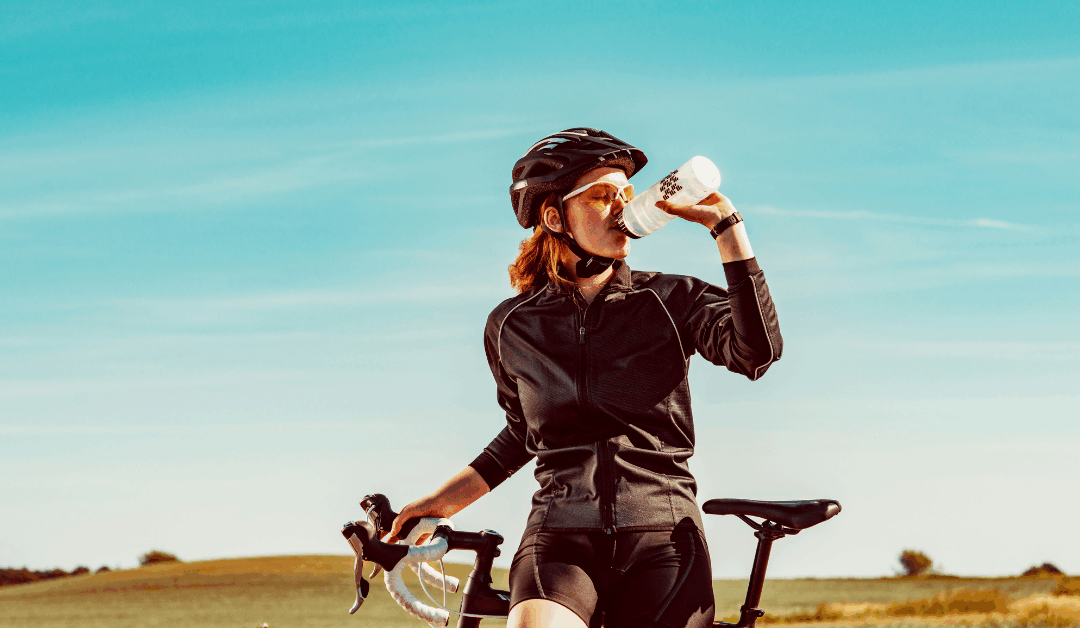
- Outdoors: plan liters per hour by watt band and temperature, with 500–1,000 mg/L sodium baseline.
- Practice bottle changes and refills. Mark bottles with per-15-minute ticks.
Environment and physiology
Heat and humidity
- Expect higher sweat rate. Acclimation reduces sweat sodium over 1–2 weeks and improves thermoregulation. Re-test sweat rate after heat blocks.
Altitude
- Hypoxia increases ventilation and fluid loss. Humidity is lower. Front-load fluids with sodium modestly above sea level and monitor weight trend.
Low-carb or ketogenic
- Less glycogen binds less water. Use small, frequent electrolyte intakes to offset lower baseline water retention. Practical, individualized adjustment.
Caffeine
- Moderate caffeine is not meaningfully dehydrating for habitual users. Keep daily intake under ~400 mg and pair caffeine with fluids.
Creatine
- Contrary to myth, creatine does not impair thermoregulation or hydration status at recommended doses and may support hyper-hydration with glycerol.
Women 35–55 and men 35–55: what to tweak
- Perimenopause and menopause shift thermoregulation and sleep. Hydration and sodium timing can reduce orthostatic symptoms and post-session headaches.
- Monitor blood pressure if you increase sodium. If you’re on HRT or thyroid support, pair hydration work with lab-guided care.
- Iron status, thyroid function, and low vitamin D can mimic “fatigue from dehydration.” Test and correct.
Medications and programs that change needs
GLP-1 therapies
- Nausea, diarrhea, and vomiting can cause dehydration and raise kidney risk if volume drops. Pair lower-appetite days with a measured bottle plan and light, salty foods.
HRT and peptides
- Dose changes can alter fluid shifts, sleep, and training load. Use the pre-during-post framework and track scale trends.
Troubleshooting and safety
Early cramping: check total volume first. Then sodium concentration. Consider 1,000–1,500 mg/L for high-loss, hot conditions. Evidence on cramp etiology is mixed.
Headache after training: often a sodium and volume mismatch. Aim for 150% of deficit over 2–4 hours with salt in drinks and meals.
Dizziness standing up: try 300–500 mL with 500–700 mg sodium 20–30 minutes pre-session, then resume your plan.
Hyponatremia risk: do not finish heavier than you started on long sessions. Sip to thirst inside your plan and avoid chugging plain water.
Case studies and printable checklists
Case 1: 42-year-old grappler fixes late-round fade
- 188 lb, 90-minute class, warm room.
- Baseline test: Pre 85.3 kg → Post 84.3 kg; drank 0.5 L; no urine; 1.5 h.
- Sweat loss = (85.3 − 84.3) + 0.5 = 1.5 L
- Sweat rate = 1.0 L/h
- Plan:
- Pre: 20 oz + 800 mg sodium at T-90.
- During: 6 oz per 15 minutes, bottle at 1,000 mg/L and ~6% carb.
- Post: Deficit 1.0 kg → ~1.5 L in 2–3 hours with ~1,500 mg sodium, 60–80 g carbs, 25–40 g protein.
- Ten-day outcome: finishes at −0.9% mass, cleaner rounds, no headache. Adjusts to 1,200 mg/L on hotter days.
Case 2: 41-year-old marathoner in heat
- 150 lb, long runs at 75–85 minutes, outdoor heat index 90–95.
- Sweat testing yields ~1.2 L/h and salt residue on singlet.
- Plan: 5 oz every 15 minutes at 1,200 mg/L; gels provide 30–40 g carb/h; post 150% deficit with salty meal.
- Result: lower RPE, steady pace in last 20 minutes, no GI distress.
Case 3: 38-year-old strength athlete
- 205 lb, 60-minute barbell plus circuits in a warm warehouse.
- Cramping improved after shifting from water to 500–1,000 mg/L sodium mix and adding a small carb dose.
FAQs
How much should I drink per day if I train 5 days a week?
Daily hydration is individual. Use thirst, urine color, and stable morning weight. During training, match sweat rate and keep body-mass loss ≤2%. Replace ~150% of acute deficit with sodium afterward.
How do I calculate sweat rate at home?
Weigh before and after, track fluids, subtract urine. Sweat loss (L) ≈ weight lost (kg) + fluids in − urine. Divide by hours for L/h. Repeat in heat, indoors, and across sports.
How much sodium per liter should I use?
Start 500–1,000 mg/L. If you’re a high-loss or salty sweater, or in heat, use 1,000–1,500 mg/L. Adjust to keep losses ≤2% and no weight gain.
Is the Galpin Equation legit?
It’s a practical heuristic to avoid guesswork: ounces every 15 minutes = bodyweight (lb) ÷ 30. Refine with your sweat-rate data and conditions.
How do I avoid hyponatremia in long events?
Do not overdrink. Don’t finish heavier than you started. Include sodium and sip to thirst inside your plan.
Do coffee or creatine dehydrate me?
Moderate coffee is not meaningfully dehydrating for habitual users. Creatine does not impair heat tolerance or hydration when used as directed.
How 1st Optimal can help
- Functional testing: sweat sodium profiling; GI-MAP for gut issues that complicate hydration; cortisol rhythm; thyroid, iron, vitamin D.
- HRT and peptides: coordinated care for women and men, with hydration guidance during dosing changes.
- Weight-loss programs (including GLP-1): bottle plans and sodium targets to reduce side effects and support training.
- Coaching partnership: precision protocols for athletes and active professionals.
Educational Disclaimer:
This article is educational only and not medical advice. If you have hypertension, kidney disease, or heart failure, talk with your clinician before increasing sodium.
References:
- National Athletic Trainers’ Association (NATA) Position Statement: Fluid Replacement for the Physically Active, 2017. Up to 150% rehydration guidance; limit loss to ≤2%.
- ACSM Position Stand: Exercise and Fluid Replacement. Foundational intake and carbohydrate concentration principles.
- Baker LB. Sweating rate and sweat sodium concentration in athletes: review of methodology and inter-individual variability. Sports Med, 2017; plus 2022 update on variation drivers.
- Barnes KA et al. Normative data for sweat rate and sweat sodium in athletes. J Sports Sci, 2019.
- 3rd International Exercise-Associated Hyponatremia Consensus (2015). Prevention and treatment guidance.
- Gastric emptying and beverage formulation: carbohydrate thresholds and multi-transportable carb strategy. 2022–2023 technical summaries.
- Dehydration and cognition: narrative and cohort data (2019–2023).
- Hormone responses to hypohydration around exercise: Judelson 2008; Zaplatosch 2020.
- Caffeine and hydration meta-analysis; moderate coffee equals water for habitual users.
- Creatine, thermoregulation, and hydration: systematic reviews and trials.
- Heat acclimation reduces sweat sodium concentration.
- Altitude, hypoxia, and fluid loss.
- GLP-1 label warnings about dehydration risk due to GI side effects.