
Introduction
As women approach their 30s and 40s, they begin experiencing significant hormonal and physical changes that can make it harder to maintain a strong, lean body. Whether you’re navigating the challenges of perimenopause, postpartum recovery, or simply trying to stay in shape, the right approach to fitness and nutrition is essential for long-term success. Women over 35, especially those dealing with hormone imbalances, stress, and busy lifestyles, often feel overwhelmed when it comes to maintaining a fitness routine.
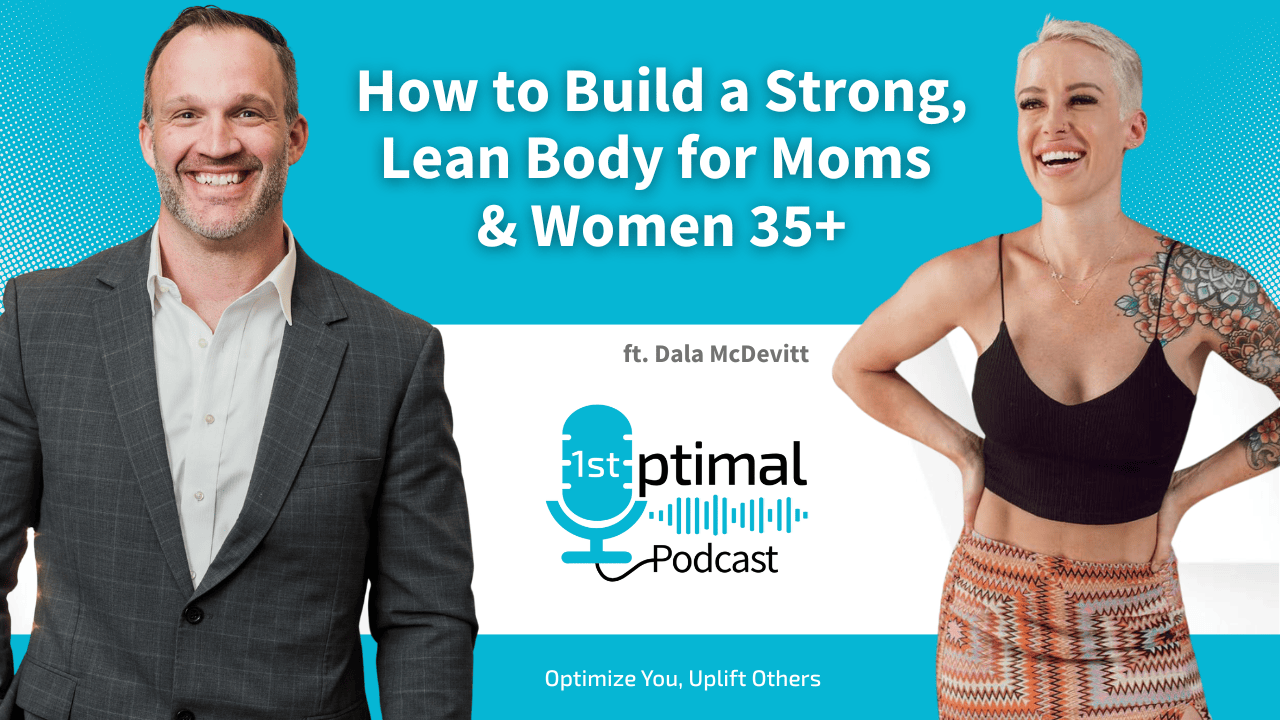
In this article, we’ll dive into expert tips and strategies from Dala McDevitt, a fitness coach with over a decade of experience in helping women build strength, muscle, and resilience through a personalized approach. From resistance training and balanced nutrition to mindset shifts, Dala’s guidance provides a roadmap for women who want to achieve their health goals without sacrificing their career, family, or social life.
By implementing resistance training, focusing on proper nutrition, and understanding how to work with hormonal changes, women can regain control over their bodies and health, ultimately becoming stronger and more confident.
Why Strength Training Matters for Women Over 35
Preventing Muscle Loss (Sarcopenia)
As women age, they naturally begin to lose muscle mass, a process known as sarcopenia. This typically accelerates after the age of 35, with an increased risk of fat gain, a slower metabolism, and decreased physical strength. Strength training is essential for preventing and reversing this process by stimulating muscle growth, which not only improves physical appearance but also enhances functionality. This helps maintain independence, mobility, and overall health as you age.
- Key Benefits of Strength Training:
- Boosts Metabolism: Muscle burns more calories than fat, meaning the more muscle mass you have, the higher your resting metabolic rate.
- Reduces the Risk of Chronic Diseases: Regular resistance training reduces the risk of osteoporosis, heart disease, and diabetes by improving bone density and insulin sensitivity.
- Improves Functional Fitness: Stronger muscles make daily activities like lifting groceries, climbing stairs, and carrying children easier.
Increasing Metabolism
Women in their 30s and 40s often find that their metabolism slows down. This means it’s easier to gain weight and harder to lose it, even with the same amount of physical activity. Strength training helps counteract this decline by stimulating muscle tissue, which in turn boosts metabolism. This allows women to burn more calories at rest, making it easier to maintain or lose weight.
Enhancing Bone Health
Bone density naturally decreases as women age, especially during menopause due to declining estrogen levels. Weight-bearing exercises, like resistance training, are essential for maintaining bone health. Strong bones help prevent fractures and improve posture, making strength training an essential part of a woman’s fitness routine as she ages.
Key Fitness Principles: Metabolism, Macros, Movement, and Mindset
Dala McDevitt’s M4 Method is a comprehensive approach that addresses the four pillars of fitness: Metabolism, Macros, Movement, and Mindset. By incorporating all four, women over 35 can achieve sustainable health and fitness without feeling overwhelmed.
Metabolism: Optimizing for Sustainable Health
Metabolism is the foundation of your fitness journey. At 35+, women often experience hormonal changes that slow metabolism, making it harder to lose weight or maintain energy levels. Optimizing metabolism involves understanding how your body processes food and energy.
- Hormonal Balance: A well-balanced metabolism is tied to balanced hormones. Addressing hormonal imbalances, such as low thyroid levels or estrogen dominance, can significantly impact metabolism. Working with a functional medicine provider or coach can help identify any imbalances and create a tailored plan.
- Stress and Sleep: Chronic stress and lack of sleep can wreak havoc on metabolism, disrupting hormones like cortisol and insulin. Prioritizing quality sleep and stress management through meditation, walking, and other low-impact activities will support metabolic health.
Macros: The Importance of Protein, Carbs, and Fats
Nutrition plays a critical role in supporting metabolism and achieving fitness goals. The M4 Method emphasizes understanding macronutrients—proteins, carbohydrates, and fats to fuel your body properly.
- Protein for Muscle Repair: Protein is essential for muscle growth and recovery. Women over 35 need higher protein intake to prevent muscle loss. Aim for 1.0-1.2 grams of protein per pound of body weight, focusing on lean protein sources such as chicken, turkey, fish, eggs, and plant-based options like tofu and lentils.
- Carbs for Energy: Carbohydrates provide energy for both aerobic and anaerobic activities. Women should focus on complex carbs (like whole grains, fruits, and vegetables) for steady energy levels and blood sugar regulation.
- Healthy Fats for Hormonal Health: Healthy fats, including omega-3 fatty acids, support hormone production and overall cell function. Include sources such as avocados, olive oil, and fatty fish like salmon.
Movement: Strength, Cardio, and Recovery
Incorporating a variety of movement types is essential for overall fitness. The M4 Method recommends:
- Strength Training: Focus on resistance exercises using bodyweight, free weights, or resistance bands. Aim for 2-3 days a week to maintain muscle strength.
- Cardio for Heart Health: Walking, running, swimming, or cycling help improve cardiovascular health and support fat loss.
- Recovery: Incorporating stretching and mobility exercises promotes recovery and flexibility, which is especially important as women age.
Mindset: Overcoming Mental Barriers and Building Healthy Habits
The final pillar, Mindset, focuses on the psychological aspect of fitness. Women often face barriers like stress, perfectionism, and negative self-talk. The M4 Method helps clients shift their mindset to build healthier, more sustainable habits.
- Breaking Perfectionism: Instead of aiming for perfection, embrace a “good enough” mentality. Consistency is more important than perfection. For example, if you miss a workout, don’t give up—just do what you can when you can.
- Mindfulness and Emotional Eating: Practice mindfulness around food and exercise. Understand your emotional triggers and create healthier responses to stress without turning to food for comfort.
Pre- and Postpartum Fitness: Tips for New Moms
Postpartum Recovery and Strength Training
After childbirth, many women feel overwhelmed by their changing bodies. Postpartum fitness should focus on gradually rebuilding strength, especially in the core and pelvic floor.
- Pelvic Floor Rehabilitation: Postpartum women should prioritize pelvic floor exercises to restore strength and prevent issues like incontinence. Start with simple kegel exercises and progress to more complex movements as strength improves.
- Core Strengthening: Incorporating core stabilization exercises can help prevent lower back pain and improve posture. Focus on slow, controlled movements to rebuild strength.
- Client Example: A client who was postpartum at 40 after her second pregnancy followed a postpartum strength training program. She regained her strength and was able to resume daily activities, including lifting her toddler and returning to her pre-pregnancy fitness routine.
Nutrition During Postpartum Recovery
Proper nutrition is critical for postpartum recovery. Focus on a nutrient-dense diet to support recovery and energy levels.
- Iron and Protein: New moms need sufficient iron and protein to recover from blood loss and rebuild muscle.
- Healthy Fats and Carbs: Include healthy fats for hormonal balance and carbs for sustained energy throughout the day.
Navigating Menopause and Perimenopause: Training and Nutrition Adjustments
Hormonal Changes and Weight Loss Challenges
As women enter perimenopause and menopause, declining estrogen levels can make weight loss more challenging. However, strength training and dietary adjustments can help mitigate this effect.
- Adapt Your Routine for Hormonal Changes: Women in perimenopause and menopause may experience hot flashes, sleep disturbances, and weight gain. Focusing on resistance training and low-intensity cardio can help manage these symptoms and maintain a healthy weight.
Nutrition for Menopause Support
- Increased Need for Calcium and Vitamin D: These nutrients support bone health, which becomes more important as women approach menopause.
- Anti-Inflammatory Foods: Chronic inflammation can increase during menopause. Focus on anti-inflammatory foods like berries, green leafy vegetables, and omega-3-rich foods.
The M4 Method: A Proven Approach to Health Optimization
The M4 Method is designed to address the key factors that influence a woman’s health, fitness, and well-being: Metabolism, Macros, Movement, and Mindset. Each element of the method can be tailored to individual needs, whether you’re postpartum, entering menopause, or simply striving for improved health.
FAQs
- How does menopause affect weight loss for women over 35?
Hormonal shifts during menopause can slow metabolism and affect fat distribution. Strength training, cardio, and mindful eating can mitigate these effects. - Can strength training help with postpartum recovery?
Yes, resistance training is essential for rebuilding muscle, improving posture, and strengthening the pelvic floor after childbirth. - What are the best exercises for women in their 40s to stay fit?
A combination of strength training, walking, and low-impact cardio helps maintain muscle mass, supports bone health, and improves cardiovascular health. - How do I stay motivated to exercise with a busy schedule?
Focus on small, consistent actions rather than perfection. Short 20-30 minute workouts can be just as effective as longer sessions. - What is the M4 method, and how does it work?
The M4 method integrates four essential elements—metabolism, macros, movement, and mindset—to create a balanced approach to fitness and health.
Conclusion: Embracing Strength and Wellness
Building a strong, lean body after 35 is entirely possible with the right approach. By focusing on strength training, balanced nutrition, and mental resilience, you can embrace aging with confidence, strength, and vitality. The M4 method, combined with personalized coaching and support, helps women navigate the challenges of aging, motherhood, and hormonal changes to achieve their health and fitness goals.
Ready to take control of your health and wellness? Book a free consultation with 1st Optimal today and explore how our personalized coaching and lab testing services can help you optimize your health.
🎙 Enjoyed this conversation with Coach DALA MCDEVITT ?
🔗 Listen to the full episode on your favorite platform:
🎧 Spotify | Apple Podcasts | Amazon Music | Google Podcasts
📺 Watch it on YouTube: