
You’re not lazy. You’re not unmotivated. And no, this isn’t just “part of getting older.”
If you’re in your 30s, 40s, or 50s and dealing with:
- Constant fatigue
- Stubborn weight gain
- Brain fog
- Low motivation
There’s a high chance your hormones are driving it.
Hormone optimization for women is about identifying what’s actually happening inside your body and correcting it with precision. Not guesswork. Not generic advice.
Because when your hormones are off, everything feels harder than it should.
Why Women 35–55 Feel Stuck
Somewhere between careers, stress, and life, your body shifts.
Hormones begin to change:
- Estrogen declines
- Progesterone fluctuates
- Testosterone drops
- Cortisol increases
These changes affect:
- Energy production
- Fat storage
- Muscle maintenance
- Mood and motivation
And suddenly:
- Workouts stop working
- Diets stop working
- Sleep feels pointless
Symptoms of Hormone Imbalance in Women
Common Signs
- Persistent fatigue
- Weight gain despite effort
- Belly fat accumulation
- Brain fog
- Poor sleep
- Anxiety or mood swings
- Low libido
- Loss of muscle tone
If you’re experiencing 3+ of these symptoms, it’s not random. It’s physiological.
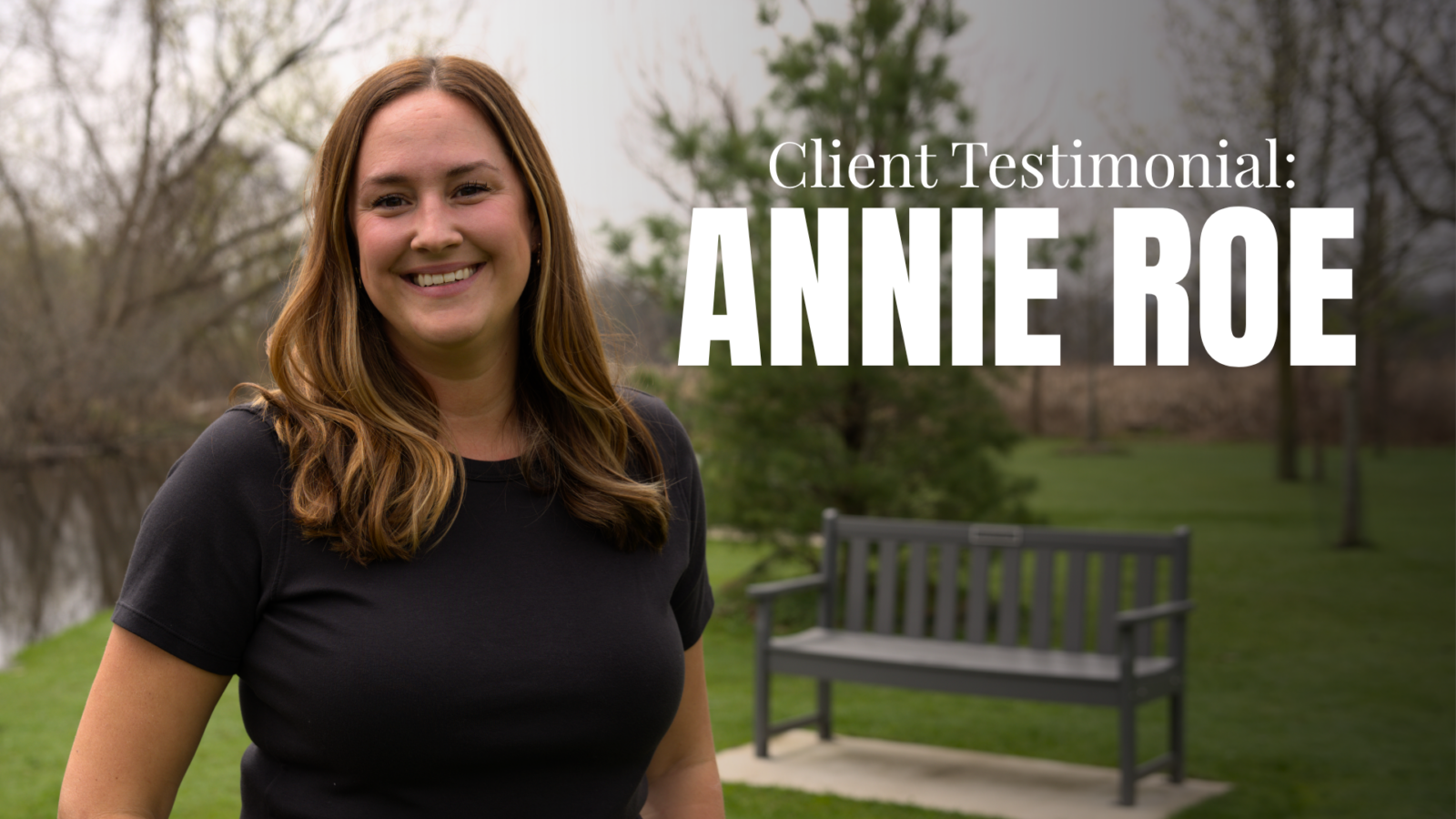
Annie Roe’s Story
Annie Roe wasn’t looking for optimization.
She just wanted to feel normal again.
For over a decade, her body had been through constant stress:
- Multiple pregnancies
- Several miscarriages
- Years of physical and emotional strain
And slowly, things started to change.
She lost:
- Her energy
- Her drive
- That “zest” for life she used to have
The Frustrating Cycle
Every year, Annie did what she was supposed to do.
She went to her doctor.
She explained exactly how she felt:
- Exhausted
- Drained
- Not herself
And every time, she heard the same response:
“You’re a busy mom. This is normal.”
No testing.
No answers.
No plan.
“Every time I left, I felt more defeated… like I don’t want to feel like this.”
That’s the part nobody warns you about.
Not just feeling bad.
But being told it’s normal to feel that way.
The Moment Everything Changed
The shift didn’t happen in a clinic.
It happened at a soccer game.
In a conversation where, for the first time, someone actually listened and said:
This isn’t something you just have to live with.
That was enough.
She decided to finally look deeper instead of accepting the same answer again.
Getting Real Answers
Instead of guessing, Annie started with advanced lab testing.
And for the first time, the data matched how she felt.
Her body showed:
- Hormonal dysregulation
- A system that had been under stress for years
- A metabolism that wasn’t functioning properly
Finally, there was validation.
The Shift
Once she followed a personalized plan, things changed quickly:
- She woke up with energy
- She stopped needing afternoon naps
- She felt motivated again
“I finally feel like I’m in my body again.”
The Physical Results Came Next
Before this, Annie was:
- Going to the gym
- Eating well
- Doing everything “right”
And seeing nothing.
After hormone optimization:
- Muscle growth returned
- Weight loss started happening
- Workouts finally produced results
“Now I’m going to the gym and actually seeing results.”
The Real Win
It wasn’t just about weight or energy.
It was how she showed up in her life.
“Feeling like a better mom… having that energy and desire again.”
What Annie’s story proves:
- Your symptoms are real
- They can be measured
- They can be fixed
The Cost of Waiting
Annie said something most people realize too late:
“I wish I did it years ago.”
That’s the real cost.
Not money.
Years of feeling like a lower version of yourself.
The 1st Optimal Approach
1st Optimal focuses on:
- Root-cause analysis
- Precision lab testing
- Personalized treatment
Not generic plans.
Not guesswork.
FAQs:
What is hormone optimization for women?
A medical approach that identifies and corrects hormone imbalances to improve energy, metabolism, and overall health.
When should women get tested?
Typically mid-30s or earlier if symptoms are present.
Is HRT safe?
When properly prescribed and monitored, it is considered safe for many patients.
Why can’t I lose weight even with diet and exercise?
Hormonal imbalances can override calorie control and training.
How long does it take to feel better?
Most patients notice changes within 4–12 weeks.
Conclusion:
Feeling exhausted, stuck, and frustrated isn’t something you have to accept.
Your body is giving you signals.
And those signals are measurable.
When you address hormones, metabolism, and root causes together:
- Energy returns
- Fat loss becomes possible
- Motivation comes back
Ready to transform your health?
Book a free health consult here: https://1stoptimal.com/book-a-call/