

Introduction: Why Hormone Imbalances Matter
Hormone imbalances are an often overlooked yet significant cause of many physical and emotional health struggles that women face. From fatigue and weight gain to mood swings and hair loss, hormonal imbalances can affect virtually every part of your life. But understanding what causes these imbalances, recognizing the symptoms, and knowing how to treat them can help you take control of your health.
In this article, we’ll dive into what causes hormone imbalances in women, common symptoms, and the latest treatment methods. Whether you’re struggling with the challenges of perimenopause, menopause, thyroid disorders, or stress-related imbalances, we’ll provide you with actionable insights and solutions.
What is Hormone Imbalance?
Hormone imbalance occurs when there is too much or too little of a hormone in the bloodstream. Hormones are chemicals produced by glands in the endocrine system, and they act as messengers that regulate key functions like metabolism, mood, and reproductive health.
For women, hormonal fluctuations are common, especially during times of life such as puberty, pregnancy, perimenopause, and menopause. However, imbalances that cause persistent symptoms may require attention.
Common Causes of Hormone Imbalance in Women
Hormonal imbalances can stem from a variety of factors. Below are the most common causes:
-
Perimenopause and Menopause
One of the most significant causes of hormone imbalance in women is perimenopause and menopause. During this time, estrogen and progesterone levels fluctuate, leading to symptoms such as hot flashes, night sweats, irregular periods, and mood swings.
Secondary keywords: “menopause hormone imbalance,” “symptoms of perimenopause,” “how to balance estrogen during menopause.”
-
Polycystic Ovary Syndrome (PCOS)
PCOS is a common condition that causes hormonal imbalances in women of reproductive age. It can result in elevated levels of androgens (male hormones), leading to symptoms like irregular periods, acne, and excess hair growth.
Secondary keywords: “PCOS hormonal imbalance,” “PCOS androgens,” “treatment for PCOS.”
-
Stress and Cortisol
Chronic stress can lead to elevated cortisol levels, which can disrupt other hormones like estrogen, progesterone, and thyroid hormones. Stress can also contribute to weight gain, especially around the abdominal area.
Secondary keywords: “cortisol imbalance and weight gain,” “stress and hormone imbalance,” “how stress affects estrogen.”
-
Thyroid Disorders
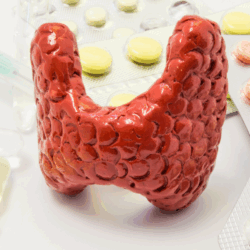
Thyroid disorders, including hypothyroidism (underactive thyroid) and hyperthyroidism (overactive thyroid), are common causes of hormone imbalance. These conditions affect metabolism, energy levels, and mood.
Secondary keywords: “hypothyroidism and hormonal imbalance,” “hyperthyroidism symptoms in women,” “thyroid imbalance treatments.”
-
Birth Control and Other Medications
Hormonal birth control and certain medications can disrupt the natural balance of estrogen, progesterone, and testosterone, leading to imbalances that affect menstrual cycles, mood, and libido.
Symptoms of Hormone Imbalance in Women
The symptoms of hormone imbalance in women can vary widely based on which hormones are out of balance. Here are some of the most common symptoms associated with hormone imbalances:
- Estrogen Imbalance
- Estrogen dominance or a deficiency can lead to a variety of symptoms:
- Excessive bloating and water retention
- Mood swings and irritability
- Fatigue and low energy
- Breast tenderness
- Heavy or irregular periods
Progesterone Imbalance
When progesterone levels are too low, it can result in:
- Menstrual irregularities (longer or missed periods)
- Insomnia and difficulty sleeping
- Anxiety and irritability
- Weight gain, especially around the hips and thighs
- Secondary keywords: “progesterone imbalance treatment,” “low progesterone symptoms,” “progesterone deficiency.”
- Testosterone Imbalance
- While testosterone is considered a male hormone, women also produce it, and imbalances can occur. Symptoms of too much or too little testosterone include:
- Low libido and sexual dysfunction
- Fatigue and lack of energy
- Hair thinning or hair loss
- Weight gain and difficulty losing weight
Diagnosing Hormone Imbalance
Accurate diagnosis is essential for identifying which hormones are out of balance. Hormone testing typically involves blood tests, saliva tests, or urine tests. At 1st Optimal, we provide comprehensive hormone testing that includes:
- Estrogen
- Progesterone
- Testosterone
- Cortisol
- Thyroid hormones (TSH, T3, T4)
Once test results are in, we can recommend tailored treatment plans to balance hormones effectively.
How to Balance Your Hormones Naturally
In addition to professional medical treatments, several lifestyle changes can help balance hormones naturally:
Diet and Nutrition
A well-balanced diet is one of the best ways to support hormone balance. Consider adding foods that support estrogen metabolism and support thyroid health:
- Cruciferous vegetables (broccoli, kale, cabbage) help metabolize estrogen.
- Healthy fats like avocados and omega-3 fatty acids support hormone production.
- Protein-rich foods are essential for balanced blood sugar levels and stable insulin.
Exercise
Regular exercise helps maintain a healthy weight, regulate insulin, and balance cortisol. Strength training and aerobic exercises, such as walking or cycling, can support hormone optimization.
Stress Management
Chronic stress is one of the leading causes of hormone imbalance. Managing stress through activities like meditation, yoga, and deep breathing can help reduce cortisol levels and prevent hormone imbalances.
Treatment Options for Hormone Imbalance
Once diagnosed, various treatment options can help restore hormone balance.
Hormone Replacement Therapy (HRT)
For women in perimenopause or menopause, HRT can help balance estrogen and progesterone levels. It’s particularly effective for alleviating hot flashes, night sweats, and mood swings.
Thyroid Treatment
For thyroid-related hormone imbalances, treatments may include thyroid hormone replacement (e.g., levothyroxine) or lifestyle changes to support thyroid function, such as increasing iodine-rich foods and managing stress.
FAQs:
What are the first signs of hormone imbalance in women?
- Common signs include irregular periods, mood swings, fatigue, and weight gain.
How can I balance my hormones naturally?
- Focus on a healthy diet, regular exercise, stress management, and adequate sleep.
How do I test for hormone imbalances?
- Hormonal blood tests or saliva tests can identify imbalances in estrogen, progesterone, cortisol, thyroid hormones, and testosterone.
Can hormone imbalances affect mental health?
- Yes, hormonal imbalances, especially in estrogen and progesterone, are closely linked to anxiety, depression, and mood swings.
Conclusion: Reclaim Your Hormonal Balance and Vitality
Hormone imbalances are a common issue that women face, particularly during times of major life changes. But understanding the root causes, recognizing the symptoms, and seeking the right treatment can help you regain your energy, vitality, and overall well-being. Whether you’re dealing with perimenopause, thyroid disorders, or stress-induced imbalances, there is hope.
At 1st Optimal, we specialize in hormone optimization and offer personalized testing and treatment plans to help you feel like yourself again.
Book a Hormone Health Consult Here
References:
- Smith, T. et al. (2019). “Impact of Hormone Replacement Therapy on Menopausal Symptoms.” Journal of Clinical Endocrinology.
- Johnson, M. et al. (2021). “Thyroid Disorders in Women: Diagnosis and Management.” Journal of the American Medical Association.
- Various studies on estrogen dominance and its impact on women’s health. PubMed.