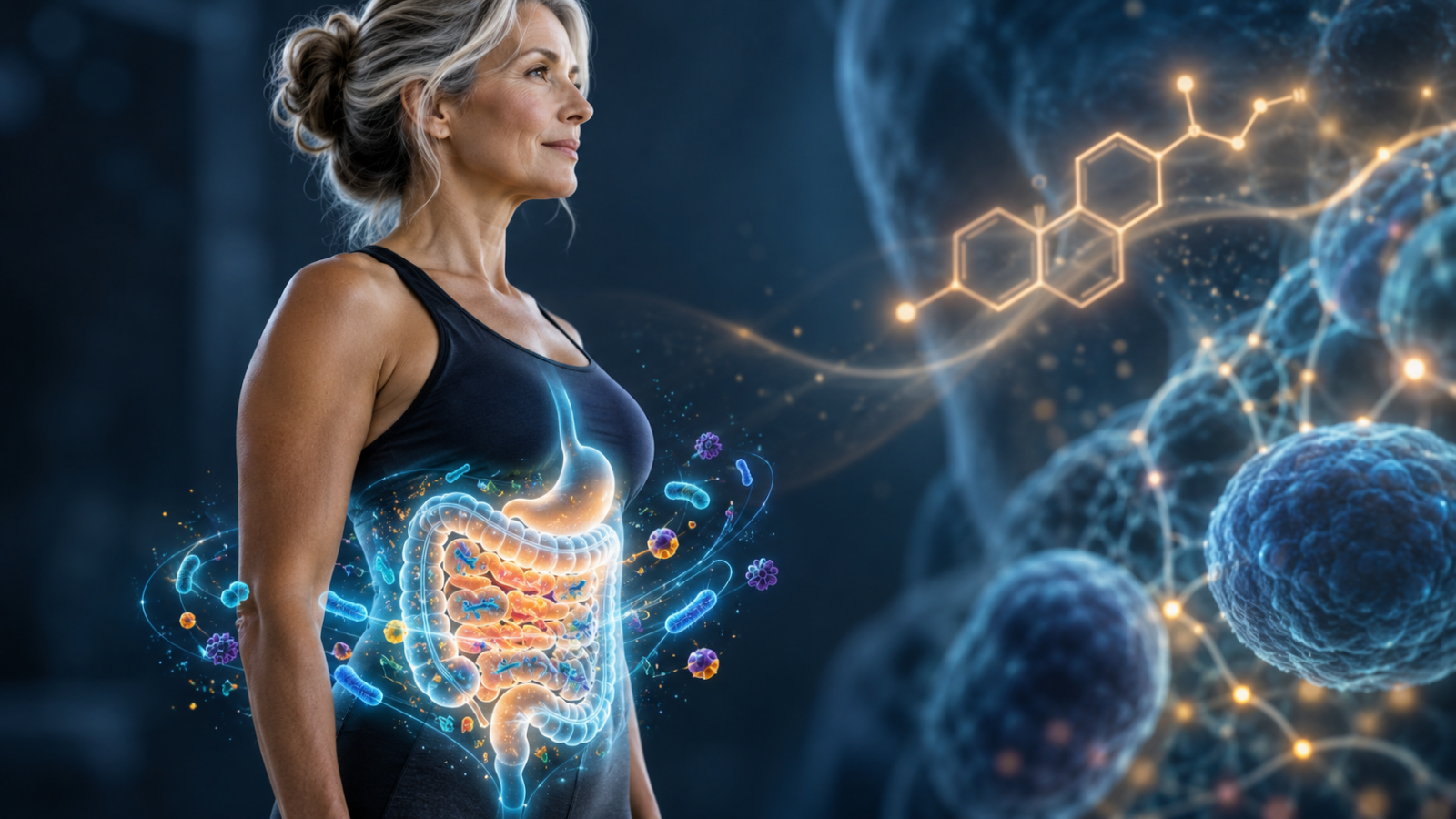


Your gut isn’t just about digestion. It’s one of the most influential systems in your body, shaping your immune function, hormone balance, metabolism, and even your mood.
The claim that “70% of your immune system lives in your gut” and that “95% of serotonin is produced there” isn’t just marketing noise. It’s grounded in real physiology.
But here’s the problem. Most high-performing adults are unknowingly damaging their gut daily through stress, poor nutrition, and hormonal imbalances.
The result shows up as fatigue, weight gain, bloating, brain fog, and stubborn health issues that don’t respond to basic fixes.
This guide breaks down what’s actually happening, why it matters, and how to fix it using evidence-based strategies used in functional medicine clinics.
What Is Gut Health and Why It Matters
Gut health refers to the balance and function of your gastrointestinal system, including:
- The gut lining
- The microbiome (trillions of bacteria)
- Digestive enzymes
- Immune signaling pathways
Why it matters:
A healthy gut:
- Regulates immune function
- Supports hormone metabolism
- Controls inflammation
- Affects brain function
When it breaks down, everything else starts to follow.
The Gut-Brain Axis Explained
Your gut contains over 100 million neurons.
That’s not a cute fact. That’s a second nervous system.
Key mechanisms:
- The enteric nervous system (ENS) operates independently of the brain
- The vagus nerve connects gut and brain
- Gut bacteria produce neurotransmitters like serotonin
What this means:
- Gut dysfunction can lead to anxiety and depression
- Brain stress can disrupt digestion
It’s not “in your head.” It’s literally in your gut.
How Stress Damages Your Gut
Chronic stress is one of the fastest ways to wreck your gut.
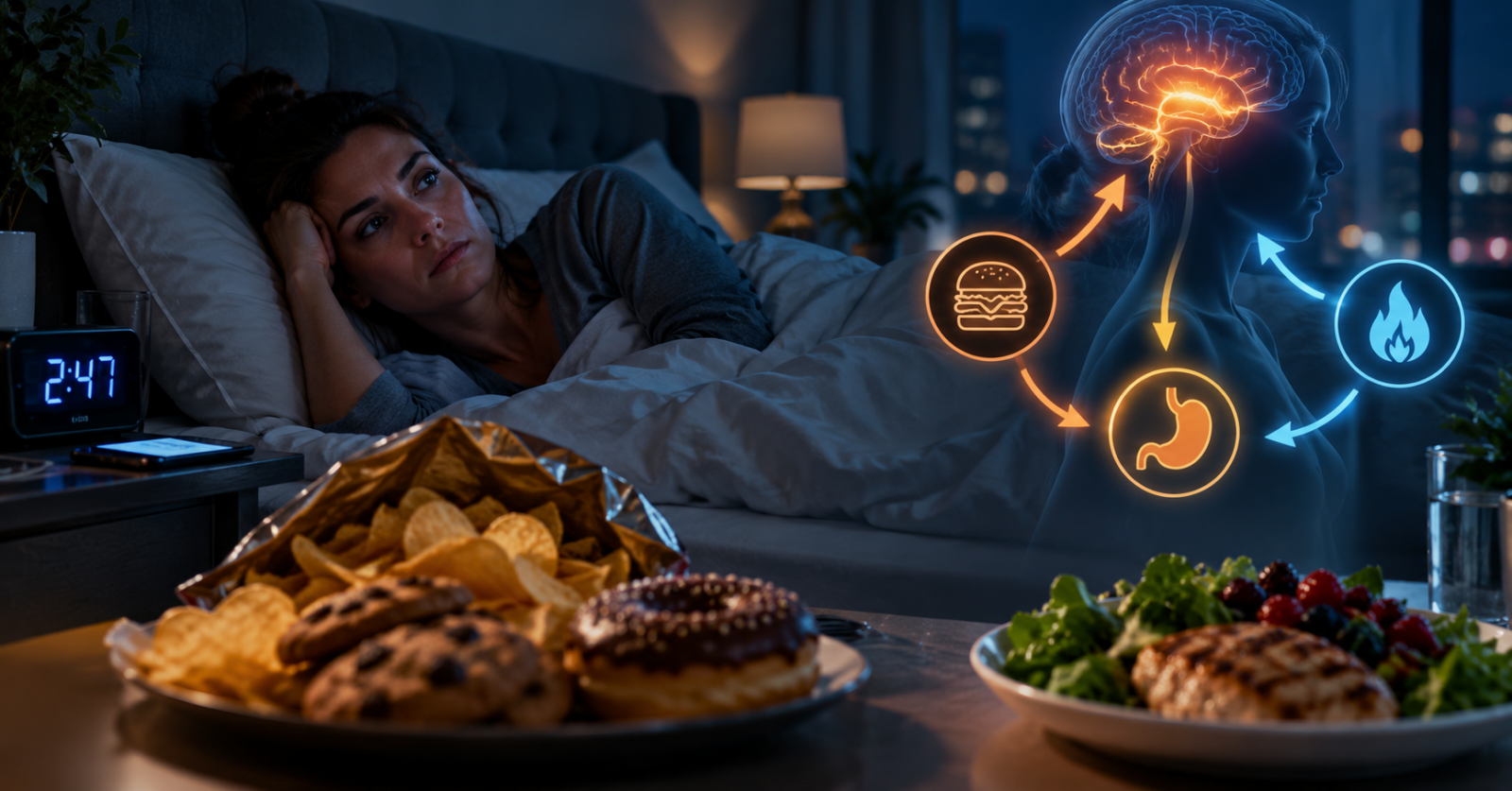
As shown in the attachment, stress triggers a fight-or-flight response that shuts down digestion.
Physiological effects:
- Increased cortisol
- Reduced blood flow to digestion
- Breakdown of gut lining
- Reduced microbial diversity
Outcome:
- Bloating
- Food sensitivities
- Brain fog
- Inflammation
Clinical insight:
Chronic cortisol elevation increases intestinal permeability and alters microbiota composition (Konturek et al., 2011; Foster et al., 2017).
Hormones and Gut Health: A Two-Way System
This is where most people completely miss the connection.
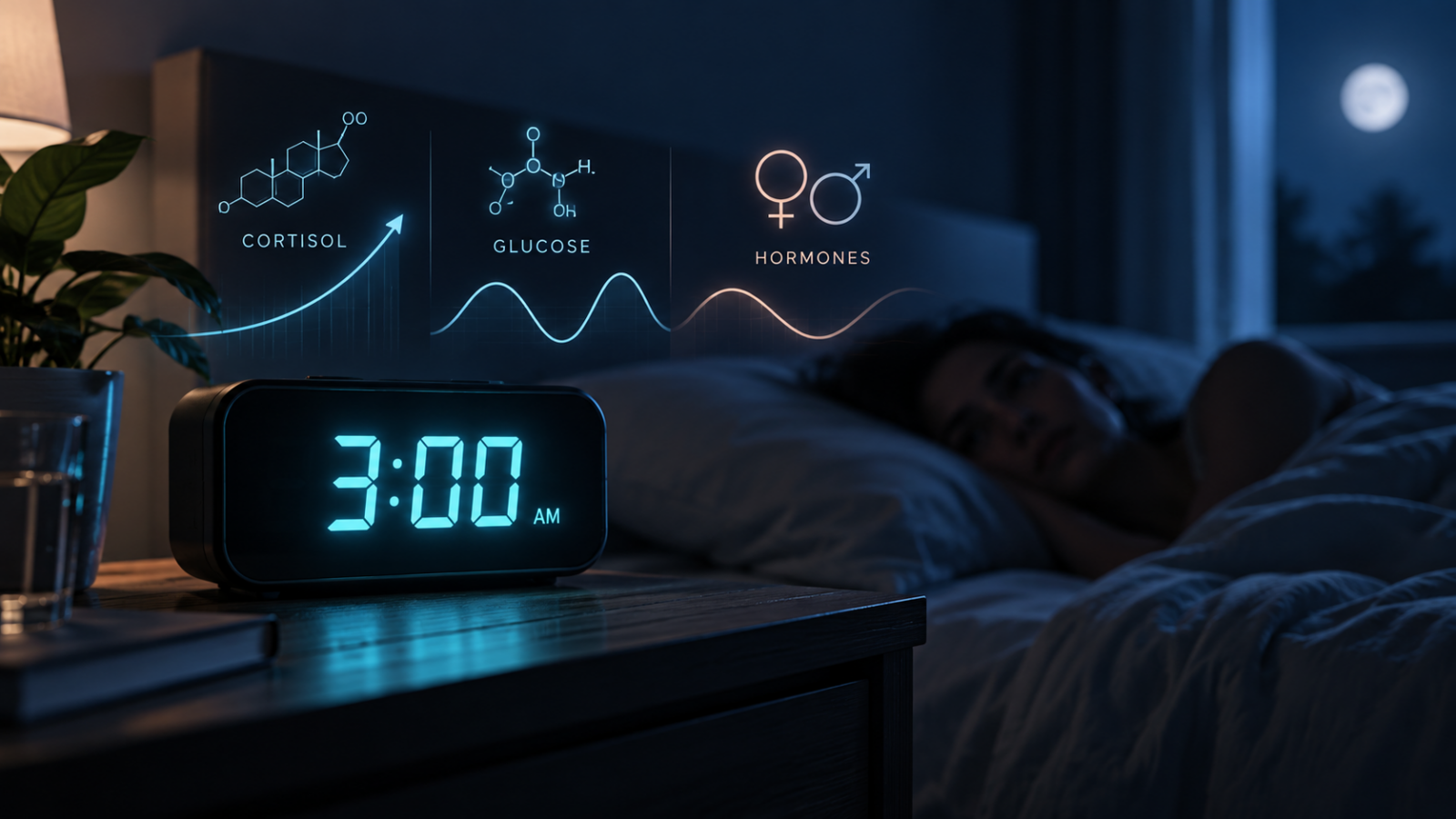
From the attachment: cortisol, estrogen, and thyroid hormones directly affect gut function.
Key relationships:
Cortisol
- Slows digestion
- Damages microbiome
Estrogen
- Requires gut bacteria for metabolism
- Dysbiosis leads to estrogen dominance
Thyroid
- Regulates gut motility
- Low thyroid = constipation
Bottom line:
Gut dysfunction can cause hormone imbalance
Hormone imbalance can cause gut dysfunction
Same system. Different symptoms.
Signs Your Gut Is Unhealthy
Your body is already telling you. Most people just ignore it.
From page 5 of the attachment:
Common signs:
- Bloating after meals
- Gas or constipation
- Acid reflux
- Sugar cravings
- Brain fog
- Skin issues
- Frequent illness
What these actually mean:
- Gut lining damage
- Microbiome imbalance
- Chronic inflammation
The Link Between Gut Health and Chronic Disease
When the gut lining breaks down, bacterial toxins like lipopolysaccharides (LPS) enter the bloodstream.
This leads to:
- Systemic inflammation
- Immune activation
- Metabolic dysfunction
Associated conditions:
- Obesity
- Type 2 diabetes
- Cardiovascular disease
- Depression
- Autoimmune disease
Evidence:
- Cani et al., 2007 (metabolic endotoxemia)
- Tilg & Moschen, 2014 (inflammation and metabolic disease)
The Microbiome and Weight Loss
If fat loss feels harder than it should, your gut might be part of the problem.
Mechanisms:
- Gut bacteria influence calorie extraction
- Affect insulin sensitivity
- Regulate hunger hormones
Clinical insight:
People with obesity often have reduced microbial diversity and altered Firmicutes/Bacteroidetes ratios.
Best Foods for Gut Health
From the attachment: fiber, fermented foods, and healthy fats are foundational.
Top foods:
Fiber-rich
- Broccoli
- Berries
- Leafy greens
Fermented
- Yogurt
- Kefir
- Sauerkraut
Healthy fats
- Omega-3 fish
- Chia seeds
Gut repair
- Bone broth
- Collagen
Prebiotics
- Garlic
- Onions
- Asparagus
Supplements and Therapies That Work
Evidence-based options:
- Probiotics
- Digestive enzymes (noted in attachment page 9)
- L-glutamine
- Zinc carnosine
Advanced therapies:
- Peptide therapy (BPC-157, GHK-Cu)
- GLP-1 medications for metabolic health
- Hormone replacement therapy (HRT)
Functional Medicine Testing for Gut Health
Basic care misses this completely.
Advanced testing includes:
- GI-MAP stool testing
- Food sensitivity panels
- Hormone panels
- Inflammatory markers
Why it matters:
You don’t guess. You measure.
Case Study
A 44-year-old female executive came in with:
- Bloating
- Brain fog
- Weight gain
- Low energy
Findings:
- Gut dysbiosis
- Elevated cortisol
- Estrogen dominance
Protocol:
- Gut repair protocol
- Hormone balancing
- Nutrition + lifestyle changes
Results (12 weeks):
- Reduced bloating
- Improved energy
- 12 lbs fat loss
- Better sleep and mood
FAQs:
1. What is the fastest way to improve gut health?
Reduce processed foods, increase fiber, manage stress, and improve sleep.
2. Can gut health affect hormones?
Yes. Gut bacteria regulate estrogen metabolism and influence cortisol and thyroid function.
3. What are signs of leaky gut?
Bloating, fatigue, food sensitivities, brain fog.
4. Do probiotics work?
They can help, but results depend on strain and underlying gut condition.
5. Can gut health impact weight loss?
Yes. It affects metabolism, hunger hormones, and inflammation.
Conclusion
Your gut controls far more than digestion.
It influences your hormones, immune system, brain, and metabolism.
Ignore it, and problems compound. Fix it, and everything else becomes easier.
Most people try to optimize sleep, training, or nutrition while ignoring the system that controls all of it.
Our medical weight loss program pairs clinical expertise with personalized protocols for lasting results.
Curious about the process? See how 1st Optimal works at 1st Optimal.
If you’re ready to take the next step, explore our 1st Optimal membership to see how we support your health goals.
That’s backwards.
Book a free gut health consult here: https://1stoptimal.com/book-a-call/