
For the last decade, the gut microbiome has been framed as the missing key to weight loss, metabolic health, and hormone balance. If fat loss stalls, energy crashes, or blood sugar won’t budge, the explanation often lands on the same conclusion: your gut is broken.
That narrative sells supplements and testing panels. It does not always reflect human physiology.
A 2025 randomized controlled trial published in The Journal of Physiology challenges this assumption in a meaningful way. Researchers found that clinically significant weight loss and metabolic improvements occurred without measurable changes to the gut microbiome during a short-term intervention combining calorie restriction and vigorous exercise
This article explains what that actually means for adults aged 35–55 who are trying to lose fat, improve insulin sensitivity, and regain energy without chasing every wellness trend.
Why the Gut Microbiome Became Central to Weight Loss
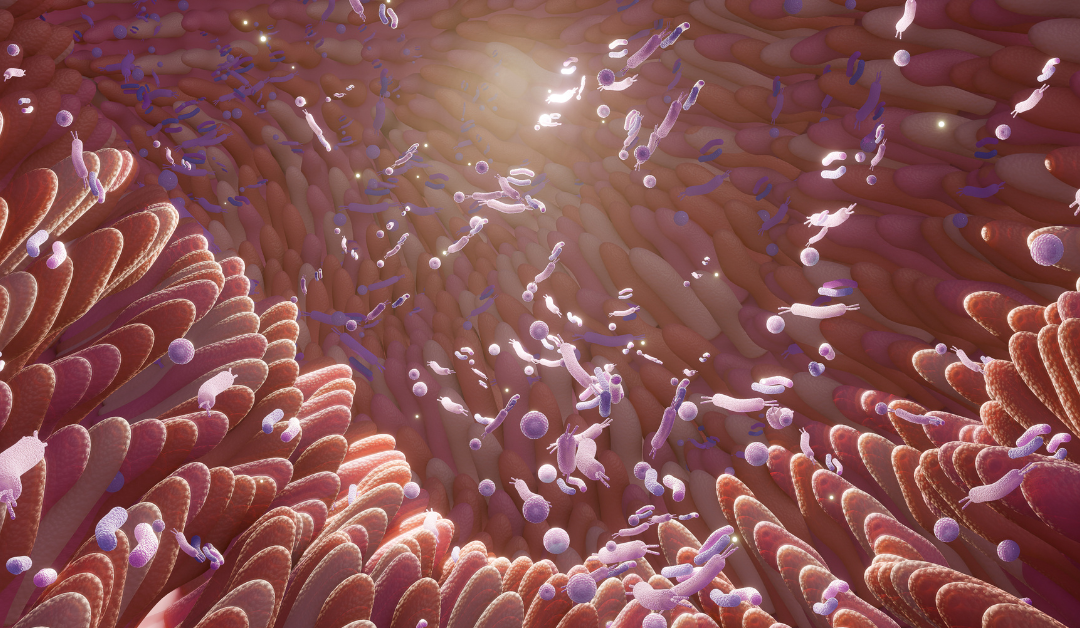
The gut microbiome plays a real role in health. It influences:
- Nutrient absorption
- Immune signaling
- Inflammation
- Hormone metabolism
Animal studies and early human observational data showed differences in microbial diversity between lean and obese individuals. Over time, this correlation became interpreted as causation.
What often got lost:
- Most studies were not randomized
- Diet composition was uncontrolled
- Exercise was poorly measured
- Metabolic outcomes were secondary
The result was an oversimplified message: change the microbiome first, and weight loss will follow.
This RCT directly tested that assumption.
Study Overview: Design, Participants, and Methods
Study type
Randomized controlled trial with a non-intervention control group.
Participants
- Sedentary men and postmenopausal women
- Age range: 40–65 years
- BMI: 25–40 kg/m²
- No recent antibiotic use
- No major chronic disease
This demographic closely mirrors the population most frustrated with midlife fat gain.
Intervention
Duration: 3 weeks
Energy restriction
- ~5,000 kcal/week reduction from habitual intake
- No change in macronutrient composition
Exercise
- 5 treadmill sessions per week
- Intensity: ~70% VO₂peak
- ~2,000 kcal/week expended
Total weekly deficit: ~7,000 kcal
Measurements
- DEXA scans for body composition
- Fasting insulin and glucose
- Lipids and leptin
- Gut microbiome via shotgun metagenomics
- Short-chain fatty acids (SCFAs)
- Gene expression in adipose and skeletal muscle
What Changed: Fat Loss and Metabolic Markers
Despite lasting only three weeks, the intervention produced changes that matter clinically.
Body composition
- Average weight loss: −2.6 kg
- Fat mass loss: −1.5 kg
- Waist circumference: −4 cm
This indicates true fat loss, not just water weight.
Metabolic improvements
- Fasting insulin decreased significantly
- Insulin sensitivity (HOMA2%S) improved
- Leptin dropped substantially
- Total and LDL cholesterol declined
These shifts reduce risk for:
- Type 2 diabetes
- Cardiovascular disease
- Hormone dysregulation
- Chronic inflammation
Importantly, these benefits occurred before any measurable gut microbiome change.
What Did Not Change: Gut Microbiome Stability
This is the headline most people miss.
Researchers found no significant differences in:
- Alpha diversity (richness and evenness)
- Beta diversity (community structure)
- Relative abundance of microbial species
- Functional metabolic pathways
In short, the microbiome was remarkably stable.
This suggests that early metabolic improvements from weight loss are not dependent on microbiome remodeling.
That does not mean the microbiome is irrelevant. It means it may be downstream, not upstream, in the fat loss process.
Short-Chain Fatty Acids and Metabolic Signaling
Short-chain fatty acids like acetate, propionate, and butyrate are often described as metabolic messengers produced by gut bacteria.
This study measured:
- SCFAs in stool
- SCFAs in blood
- Expression of SCFA receptors (FFAR2 and FFAR3)
Findings
- No significant changes in SCFA concentrations
- No meaningful change in receptor gene expression
- No evidence of altered gut-derived metabolic signaling
This challenges the idea that SCFAs must increase for insulin sensitivity to improve, at least in the short term.
Exercise, Energy Deficits, and Insulin Sensitivity
Exercise improves metabolic health through multiple mechanisms that bypass the gut entirely.
These include:
- Increased glucose uptake by skeletal muscle
- Improved mitochondrial efficiency
- Reduced insulin demand
- Lower visceral fat
- Reduced leptin resistance
The study reinforces what physiology already shows. Movement and energy balance directly affect metabolism.
Gut changes may follow later, but they are not required to start the process.
Why Midlife Weight Loss Is Different
Adults aged 35–55 face additional barriers:
- Declining estrogen or testosterone
- Reduced muscle mass
- Increased insulin resistance
- Higher stress and cortisol load
This leads many people to believe they need increasingly complex interventions before anything will work.
This study suggests the opposite. Metabolic improvements can happen quickly when fundamentals are addressed correctly.
Gut health becomes more relevant when:
- Digestive symptoms persist
- Inflammation remains elevated
- Autoimmune conditions are present
- Progress stalls despite metabolic correction
How 1st Optimal Applies This Research Clinically
At 1st Optimal, this research supports how care is sequenced.
Step 1: Metabolic assessment
We evaluate insulin, glucose, lipids, inflammation, and body composition first.
Step 2: Hormone optimization
Thyroid, estrogen, progesterone, testosterone, and cortisol are addressed when indicated.
Step 3: Weight loss tools
GLP-1 therapies are used strategically, not reflexively.
Step 4: Gut testing when appropriate
We test the gut when symptoms or labs justify it, not as a default starting point.
FAQs:
Does weight loss always change the gut microbiome?
No. This RCT shows that short-term weight loss and metabolic improvements can occur without measurable microbiome changes.
Is gut health still important?
Yes, particularly for long-term inflammation, immunity, and digestive function.
Should everyone test their gut?
No. Testing is most useful when symptoms or stalled progress suggest a gut-driven issue.
Can exercise improve insulin sensitivity without diet changes?
Exercise alone helps, but combining it with an energy deficit amplifies results.
Where do peptides fit in?
Peptides may support recovery, body composition, and tissue health but do not replace metabolic fundamentals.
This study clarifies a critical point in modern health optimization.
You do not need to fix everything at once to see progress.
Fat loss and metabolic health improve first through:
- Energy balance
- Exercise intensity
- Hormonal signaling
- Insulin sensitivity
The gut adapts later.
That perspective removes unnecessary complexity and puts control back where it belongs.
Book your free health consultation here
About Us
1st Optimal is a functional medicine and performance health clinic dedicated to helping high-achieving adults optimize hormone health, weight, energy, and longevity. Follow 1st Optimal on Instagram
Founders:
- Joe Miller – Expert in functional medicine, hormone optimization, and health coaching. Follow Joe on Instagram
- Amber Miller – Operational leader specializing in patient experience, clinic growth, and holistic health. Follow Amber on Instagram
At 1st Optimal, we combine advanced diagnostics, personalized protocols, and coaching partnerships to deliver sustainable health results for midlife adults.